Poland is considering joining the GCAP sixth-generation fighter jet project alongside the UK, Italy, and Japan.
The Polish Deputy Minister of State Property confirmed that negotiations are underway to join the Global Air Combat Program (GCAP), aimed at developing a next-generation super fighter jet expected to enter service in 2035.
The Polish government is seriously considering joining the Global Air Combat Program (GCAP) to develop a sixth-generation fighter jet alongside the UK, Italy, and Japan. This move marks a strategic shift for Warsaw from a weapons buyer to a partner in developing cutting-edge military aviation technology.
GCAP: System of Airborne Systems
The Global Air Combat Program (GCAP) is a joint effort between the UK-Italy Tempest project and Japan's FX project. Officially announced in December 2022, the alliance aims to bring this super-aircraft into service by 2035 to replace the aging Eurofighter Typhoon and Mitsubishi F-2 fleets.
Unlike traditional aircraft, the GCAP is designed as a “system of systems.” Its core component is a manned stealth fighter, supported by unmanned aerial vehicles (UAVs), an advanced sensor network, and a high-speed data transmission system integrated with artificial intelligence (AI). The primary goal is to maintain air superiority against modern Russian and Chinese air defense systems.
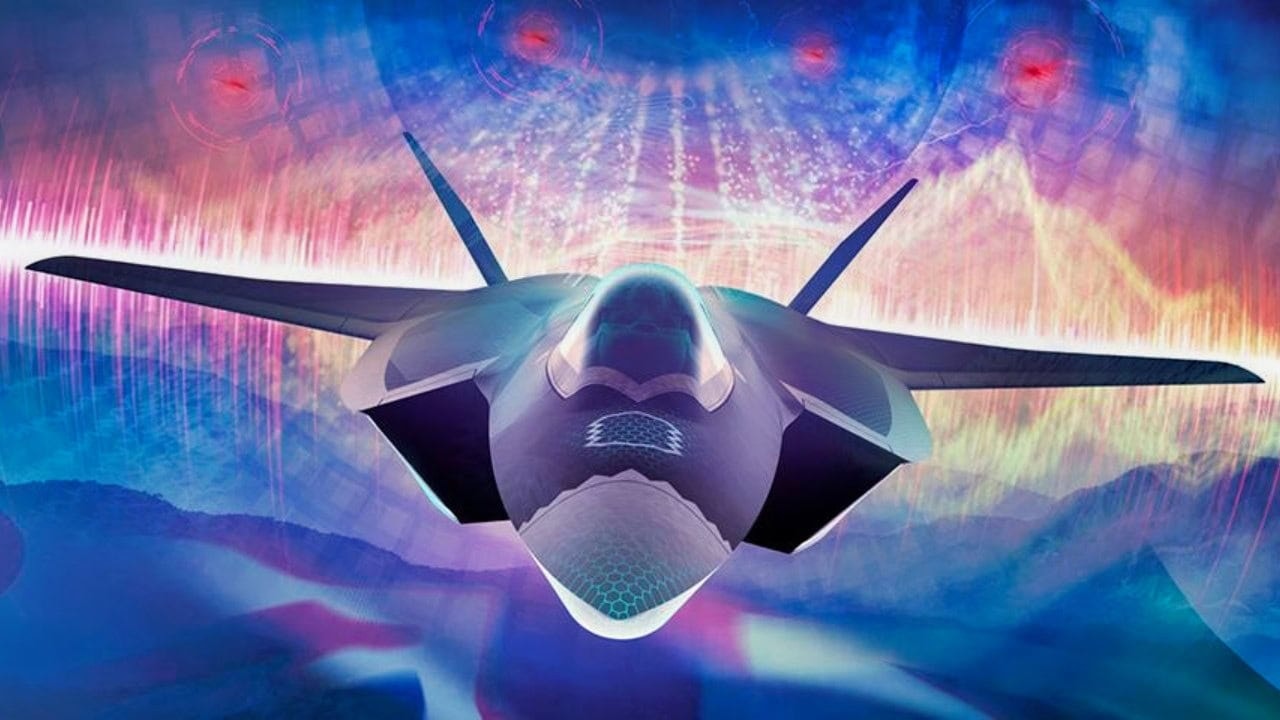
Efforts to break free from dependence on American technology.
One of the biggest motivations for nations to join GCAP is operational autonomy. Although the F-35 is currently the most popular stealth fighter in the West, it remains under tight US control regarding software and mission data. Developing their own sixth-generation fighter allows allies to customize combat capabilities to their specific needs instead of relying entirely on updates from the US.
Furthermore, this project is crucial for maintaining the domestic aerospace industry. Without mastering future technologies, defense corporations in the UK, Italy, and Japan risk losing competitiveness and having to shut down strategic production lines.
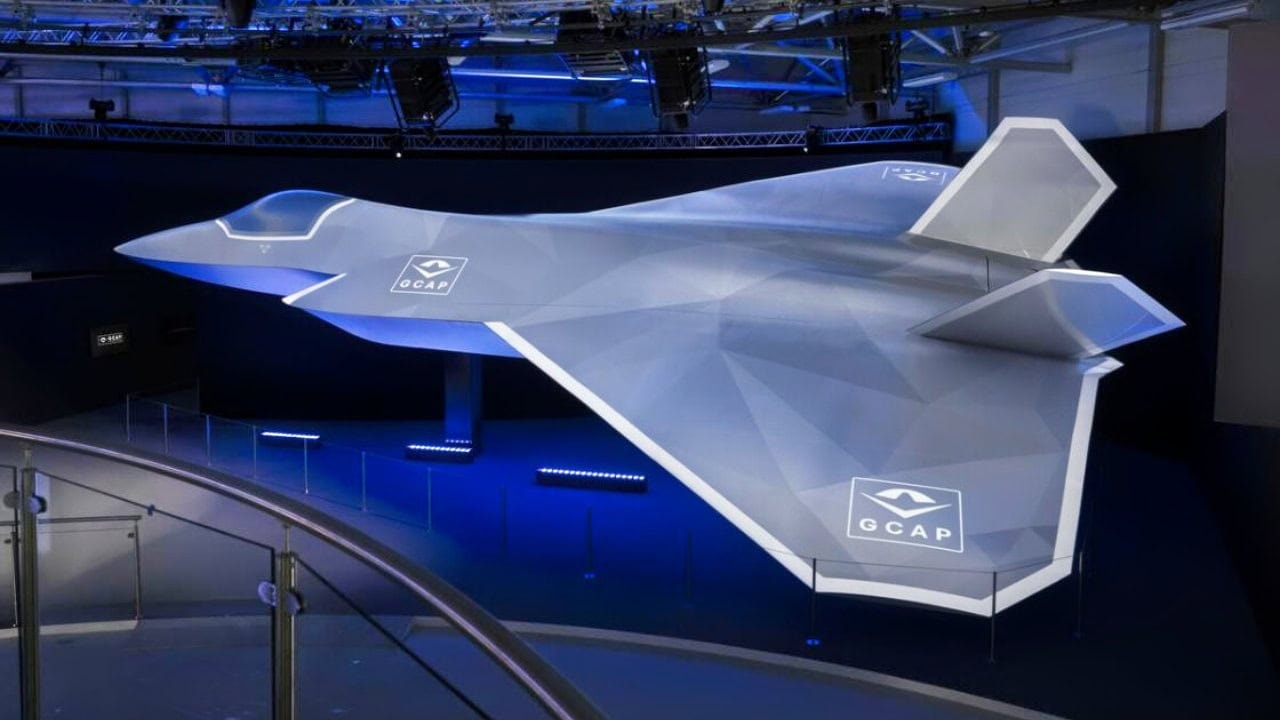
Poland's strategic benefits of joining the alliance.
Polish Deputy Minister of State Property, Konrad Golota, emphasized that joining GCAP would help Warsaw fill the gap in the aircraft manufacturing industry after decades of disruption. Poland is currently committed to purchasing F-35s, but becoming a GCAP member would integrate them into the technology supply chain rather than simply being a purchasing customer.
Conversely, the presence of Poland—a NATO frontline nation—would increase the alliance's political weight and expand its industrial infrastructure in Europe. Although negotiations are in their early stages, both Italy and Japan have expressed interest and willingness to cooperate with Warsaw in developing this super fighter jet.