
Poland develops the STRATUS system to neutralize UAVs using electromagnetic pulses.
The STRATUS system, developed by Polish scientists, uses high-intensity electromagnetic pulses to disable drones without causing physical explosions.
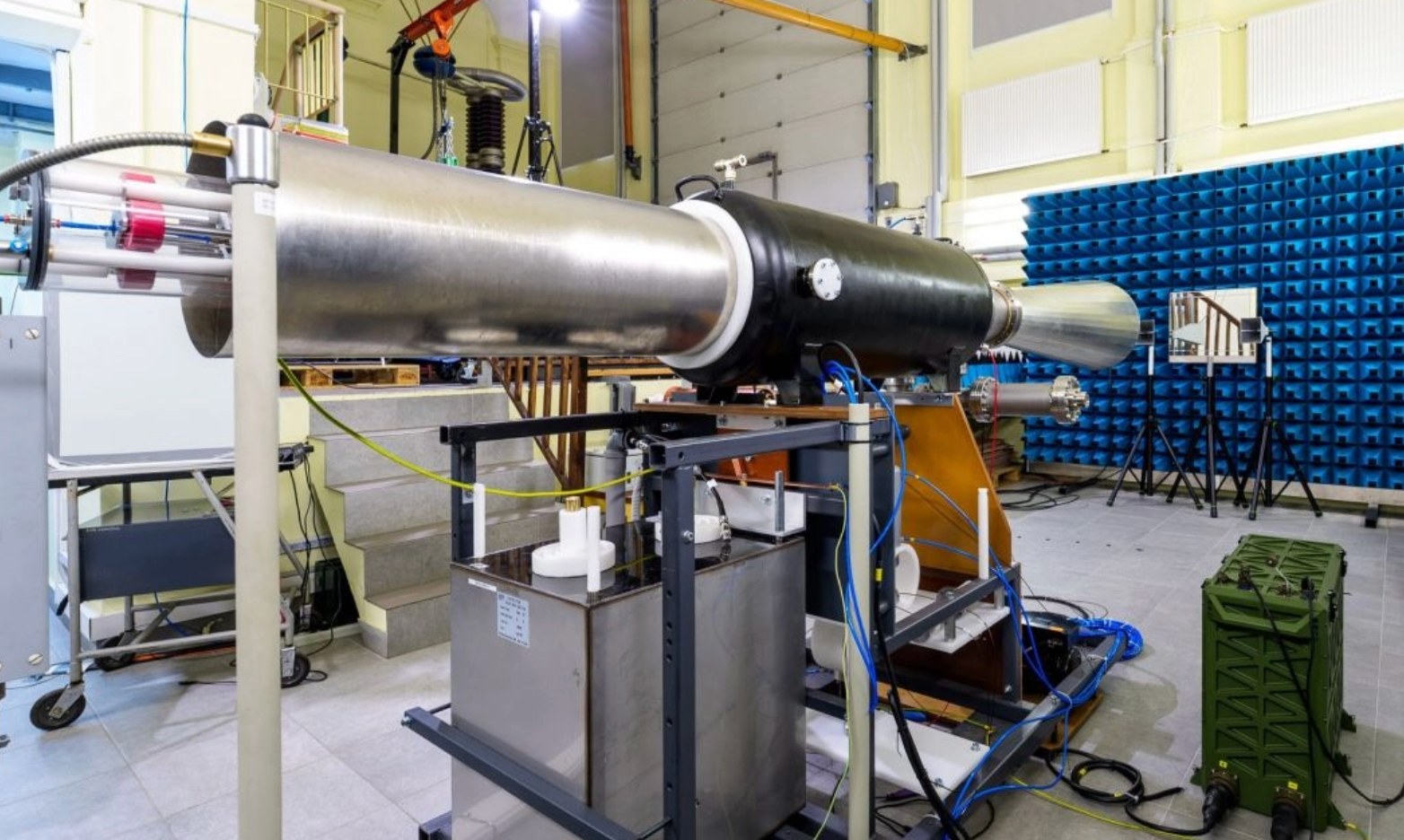
Scientists at Gdańsk University of Technology (Poland) have successfully developed a defense system called STRATUS, which uses powerful electromagnetic pulses to instantly neutralize hostile unmanned aerial vehicles (UAVs). This is considered a significant step forward in protecting critical infrastructure from airborne threats.
How the 'invisible shield' works
Unlike traditional interception methods that use firepower or explosive-laden missiles, STRATUS operates on the principle of emitting extremely short but very high-intensity electromagnetic pulses. These pulses are precisely directed at the target to jam or completely destroy the electronic components inside the UAV.
According to the research team, this system can neutralize UAVs in just seconds without causing physical explosions. This makes STRATUS particularly suitable for deployment in sensitive areas such as airports, power plants, seaports, or public events, where the use of kinetic weapons could pose secondary risks to civilians and surrounding infrastructure.
Technical challenges and potential applications
At the heart of STRATUS is an advanced electromagnetic pulse generator. The research team stated that the biggest technical challenge was not generating the electromagnetic pulse, but rather controlling voltage levels and power density at extreme levels to ensure the system operates stably and safely.
The STRATUS project has received funding of over 21 million zloty (approximately 5 million euros) from the Polish National Research and Development Center. The technology has now successfully completed laboratory and controlled testing, although it has not yet been officially deployed in practice.
Modern warfare context
The development of STRATUS comes at a time when UAVs have become a key weapon on the modern battlefield, particularly through lessons learned from the Russia-Ukraine conflict. The development of electronic warfare systems capable of neutralizing UAVs cleanly, effectively, and at low cost is a priority for many militaries.
This system not only represents a breakthrough in Polish military technology but also demonstrates the increasing involvement of civilian research institutions in addressing next-generation defense and security challenges.


