
Babcock and Frankenburg developed a sea-based launch platform for the Mark 1 micro-anti-aircraft missile.
Babcock and Frankenburg are collaborating to produce a low-cost maritime air defense system using Mark 1 missiles to protect critical infrastructure from UAV attacks.
British company Babcock and Estonian company Frankenburg have officially signed a Memorandum of Understanding (MOU) to research and develop a sea-based launch platform for the Mark 1 ultra-small anti-aircraft missile. This is a promising project aimed at creating a low-cost, specialized maritime defense system to intercept the increasingly common unmanned aerial vehicles (UAVs) in modern conflicts.
The ultimate defense solution for critical infrastructure.
This engineering project is expected to be implemented in the United Kingdom, combining Babcock's shipbuilding and system integration expertise with Frankenburg's groundbreaking missile technology. According to representatives from both sides, the core objective of this collaboration is to provide scalable and cost-effective air defense solutions to protect military facilities and critical infrastructure networks across Europe.
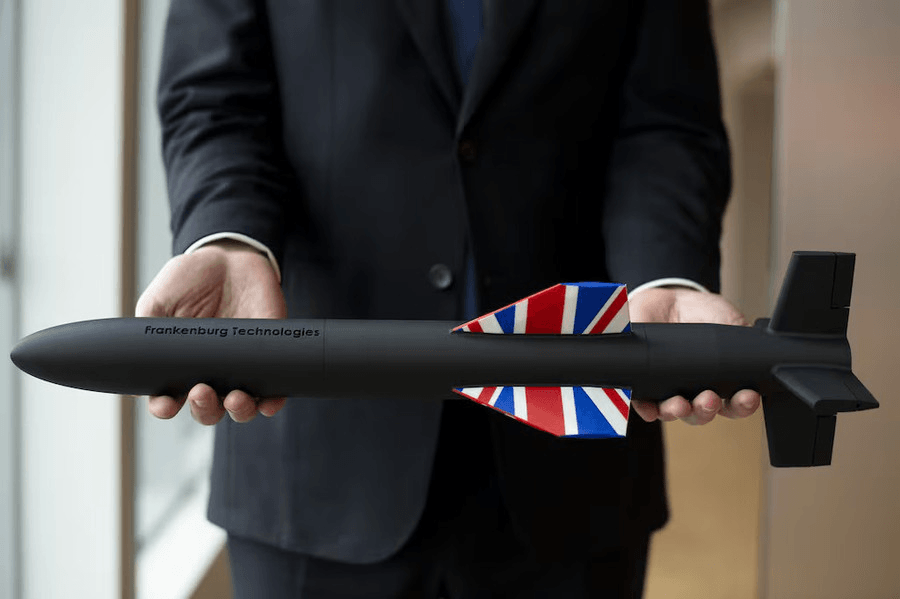
Beyond technical aspects, the strategic partnership between Babcock and Frankenburg is also expected to open up new opportunities to penetrate the global arms market. Currently, details regarding the value of the deal, the specific prototype development schedule, and the types of warships that will integrate this system have not been officially disclosed by either party.
Technical specifications of the Mark 1 mini-missile.
The Mark 1 missile is considered a significant advancement in air defense technology thanks to its optimized size and rapid production process. At only 60 cm long, it is currently the smallest guided missile in Europe. Notably, the entire process from concept to actual test launch took only 13 months, thanks to the utilization of readily available components.
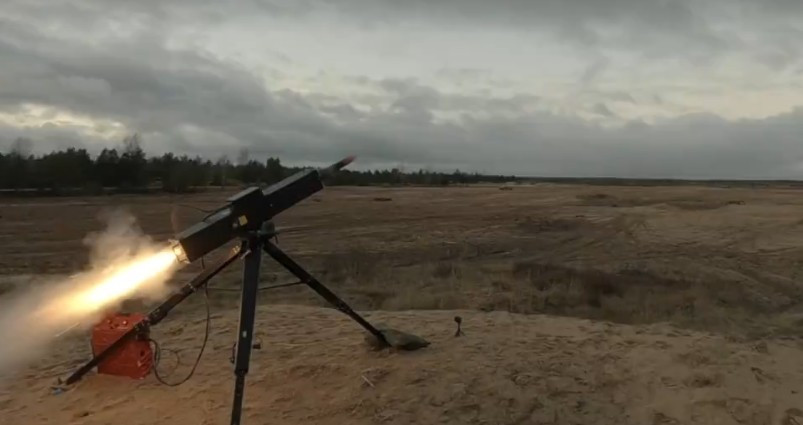
The Mark 1 development project involved engineers from Frankenburg in collaboration with experts from Latvia, Estonia, Lithuania, the United Kingdom, and Germany. Although detailed technical specifications remain classified, military reports confirm that the Mark 1 is capable of destroying airborne targets at altitudes up to 2 km.
Testing and combat schedule
In December 2025, the relevant parties announced information about successful tests of this missile. Prior to that, in November 2024, it was announced that the Mark 1 missile would be sent to Ukraine for testing in a real combat environment. However, the specific results of these tests have not yet been officially confirmed.
The appearance of the Mark 1 and its accompanying sea-based launch system is expected to change the landscape of defense against UAVs, which has been a difficult problem due to the high cost of using expensive traditional anti-aircraft missiles to intercept inexpensive unmanned aerial vehicles.


