
Doctors advise on foods to improve lung function after Covid-19.
According to doctors, F0 patients who recover and maintain a complete and balanced diet with plenty of vegetables, fresh fruits, and protein, while limiting processed foods, will not need to take additional vitamins or supplements.
What foods can improve lung function in post-COVID-19 patients?
Nutrition and exercise play a crucial role for patients, not only during the initial period but also in helping them recover their health to the best possible extent after recovery.
Regarding the practice of many people self-administering multivitamin supplements to improve the health of patients who have recovered from Covid-19, Dr. Do Tuan Anh from the Pediatric Center, Bach Mai Hospital, stated that a balanced diet and adequate hydration are key factors in the recovery of Covid-19 patients.
A proper diet can also help improve lung function in patients.post-Covid-19Most importantly, we need to provide sufficient energy, protein, vitamins, and minerals to help regenerate the muscular and immune systems and provide the body with the energy to function.
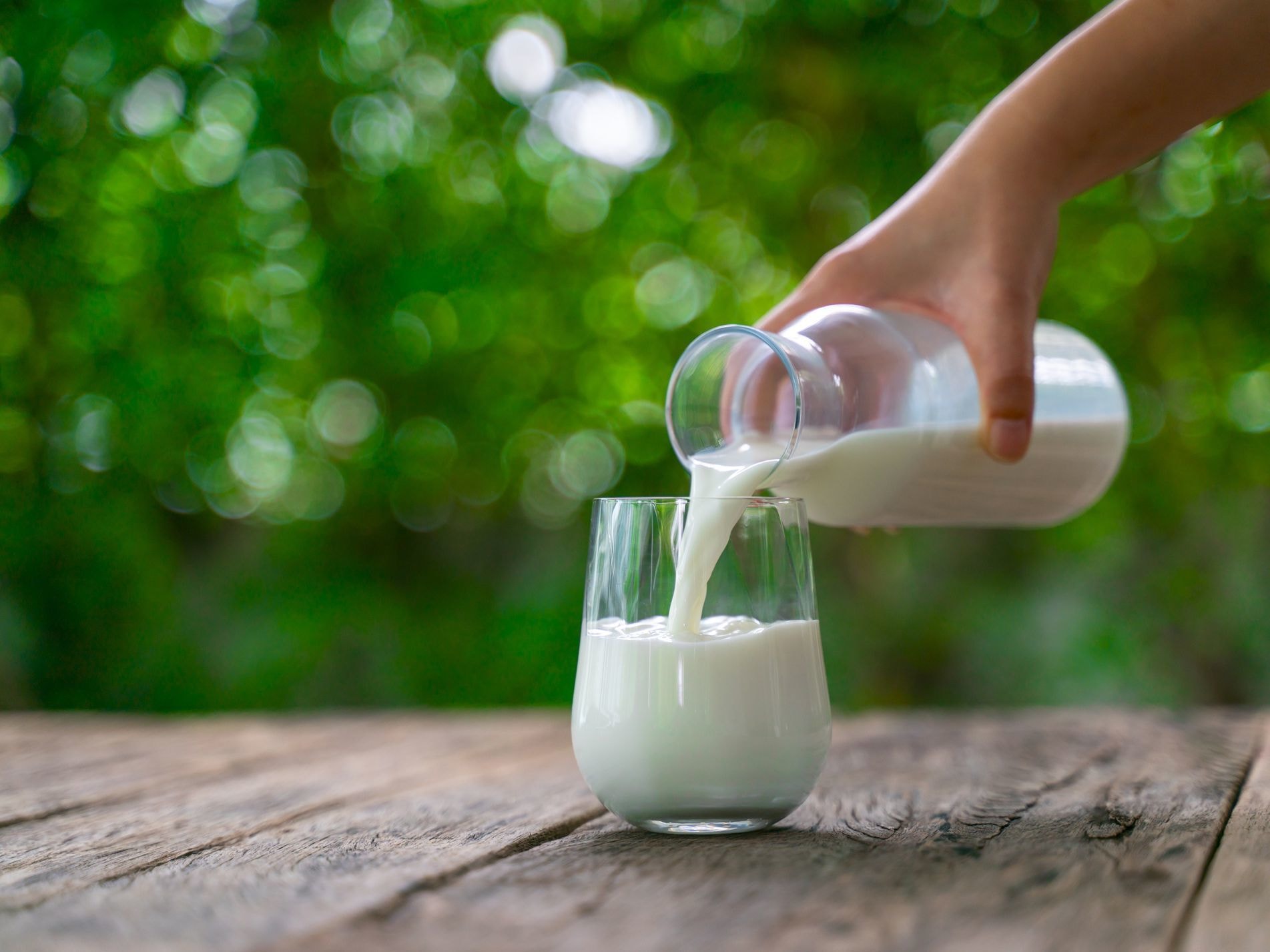 |
| Milk contains all the necessary nutrients in balanced proportions, is easy to digest and absorb, and is suitable for people recovering from illness. (Illustrative image) |
When patients have a complete and balanced diet with fresh vegetables, fruits, and protein, and limit processed foods, they do not need to take additional vitamins or supplements. If they cannot obtain sufficient nutrients from food, patients should consult a nutritionist for advice on supplementing essential micronutrients.
According to Dr. Do Tuan Anh, patients and their families can refer to the following food groups: Firstly, fresh fruits such as pears, apples, grapefruit, etc. These fruits contain many vitamins and are rich in antioxidants, which are very good for the respiratory system and boost immune function.
Secondly, leafy green vegetables such as bok choy, spinach, kale, cabbage, and tomatoes contain many essential vitamins and minerals, helping to boost the body's immunity. Garlic and ginger, in particular, are two excellent spices for detoxifying the body and fighting viruses. Thirdly, regarding beverages, green tea is recommended, as it has powerful antioxidant properties, improves cardiovascular health, and fights cancer. Foods that support the immune system against Covid-19 include chicken soup, potatoes, coconut water, oatmeal, and yogurt.
Exercises to improve lung function after Covid-19
In addition, shortness of breath is one of the problems faced by patients after COVID-19. To improve lung function after COVID-19, Dr. Do Tuan Anh shared: “Besides supplementing nutrition with food and vitamins, patients need a suitable lifestyle and exercise regimen for complete recovery. Simple breathing exercises can improve blood flow to the lungs and the conduction pathways in the chest, helping to strengthen lung function.”
Therefore, we should perform exercises such as brisk walking, aerobics, cycling, push-ups, squats, etc., at a moderate intensity and gradually increasing it. This helps increase heart rate and promote blood flow, which can help the lungs recover faster.
If someone who has recently recovered from Covid-19 is careless and maintains the same intensity of exercise as before the illness, their body will not have time to recover from the damage (muscle damage/metabolic/nutritional disorders). Furthermore, rushing back to exercise and using incorrect methods will prolong recovery time, even lead to relapse, and cause additional complications such as shortness of breath, chest pain, reduced mobility, muscle stiffness, fatigue, dizziness, and other cardiovascular and respiratory problems.
According to Dr. Do Tuan Anh, the optimal and safest time to resume exercise is 7-10 days after the onset of COVID-19 symptoms. Patients should not resume exercise while symptoms persist; they should wait at least 7-10 days after symptoms have cleared. When resuming exercise, they should start slowly and gradually increase intensity. This is especially important for those with cardiovascular or respiratory problems, fever, cough, shortness of breath, or persistent chest pain. Listening to your body is always the right advice, as recovery and adaptation vary from person to person.
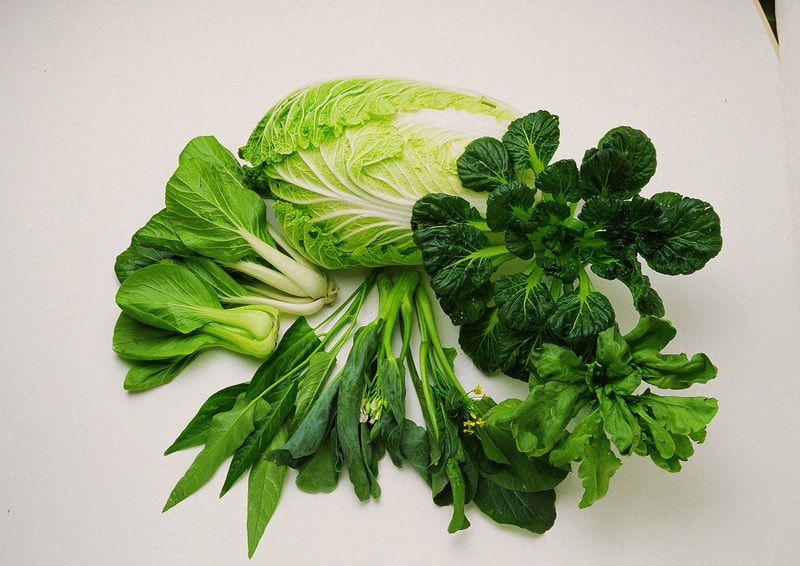 |
| Patients who have recovered from the disease should eat plenty of fruits and vegetables. (Illustrative image) |
For those who prefer high-intensity exercise, it's advisable to consult with a doctor/trainer. A four-week training period is recommended to return to a normal exercise routine.
Dr. Do Tuan Anh added: "In some cases, after recovering from the illness, people only achieve 50% of their previous productivity and strength. This causes them stress and insomnia. Don't worry too much if your body doesn't recover immediately after recovery. Even if you are an asymptomatic or mildly symptomatic COVID-19 patient and recover on your own, after 7 days you should only resume training at 50% of your capacity and intensity compared to when you were healthy..."
To gradually improve their health, patients should have a proper rest schedule and get enough sleep. This will help strengthen the immune system to fight against Covid-19. In addition, practicing yoga is recommended. Studies have shown that practicing yoga and meditation helps improve lung health and aids in recovery after Covid-19 infection.
Patients should also avoid smoking and limit exposure to air pollution and toxic chemicals to prevent increased risk of lung infections and the development of other respiratory diseases. They should also strictly adhere to the 5K guidelines to avoid reinfection with other variants of Covid-19.


