
Doctors recommend effective ways to prevent seasonal flu.
Seasonal influenza is one of the most common and easily transmissible diseases, especially among young children. The disease can cause dangerous complications if not properly prevented and treated.
Be cautious of symptoms that are easily mistaken for other illnesses.
Seasonal influenza is an infectious disease caused by the influenza virus, spreading rapidly through the respiratory tract. Statistics show that more than 90 million children worldwide contract influenza each year. Of concern is that the symptoms of seasonal influenza, such as fever, cough, and runny nose, often resemble those of many other respiratory illnesses, leading patients and caregivers to underestimate the disease, resulting in delayed treatment and the potential for dangerous complications.
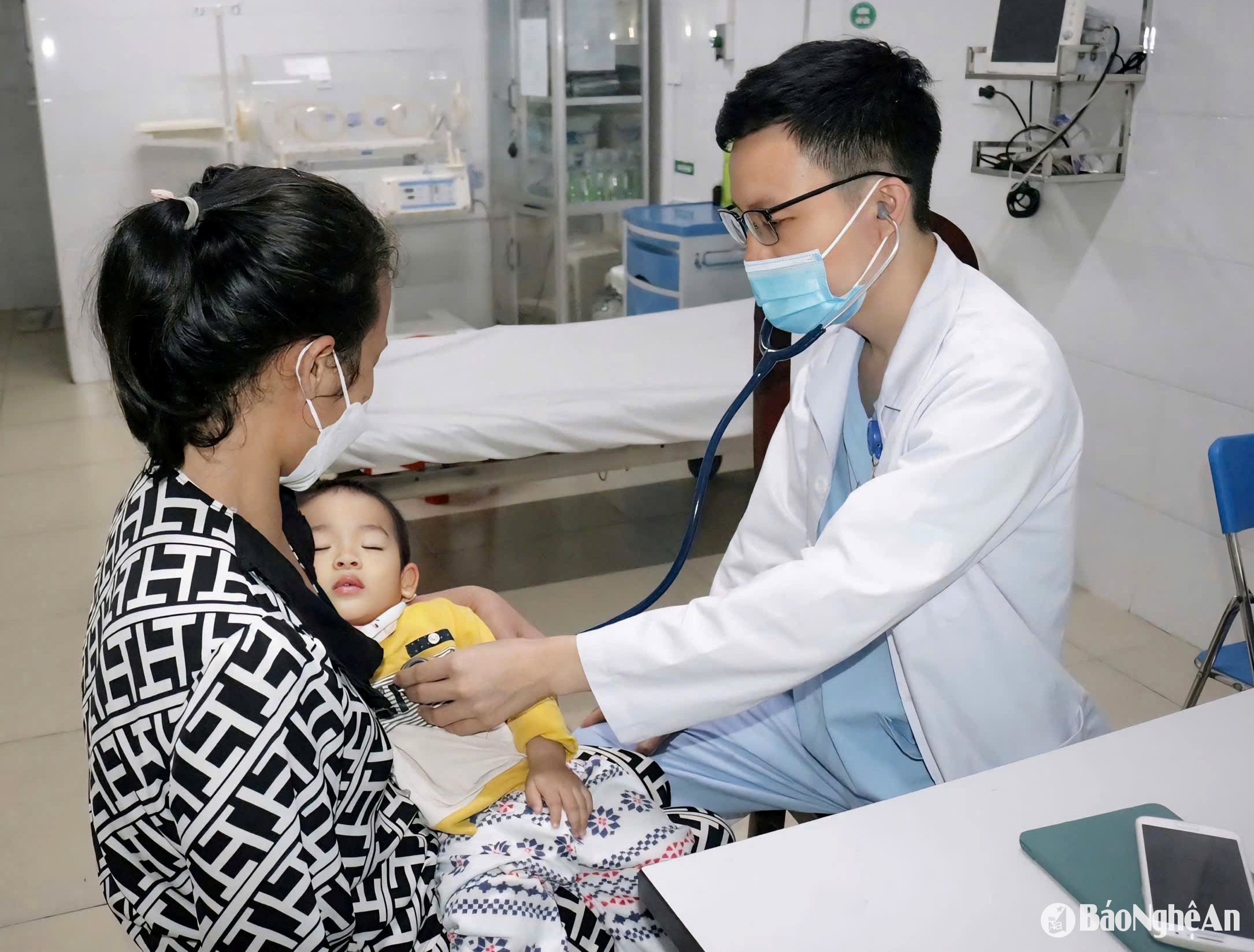
Hoang Minh Khang (27 months old, residing in Hung Thinh commune, Hung Nguyen district) is a typical case. When Khang showed signs of a persistent high fever accompanied by a cough, his family thought he only had a common nasopharyngitis and treated him at home with over-the-counter medication. However, after three days, his condition did not improve but worsened, forcing the family to take him to Vinh City General Hospital for examination.
Ms. Tran Thi Huong, Khang's mother, shared: "At first, we thought he only had a common cold, so we bought fever reducers and antibiotics for him to use at home. But his condition didn't improve, and only when we took him to the hospital did we find out he had influenza A, which had developed into pneumonia."
Baby Khang is one of many cases of children with seasonal flu who were admitted to Vinh City General Hospital late in the past period.
Children with seasonal flu are at risk of developing serious complications.
Seasonal influenza is a common infectious disease that can occur at any age. However, young children, the elderly, and those with underlying health conditions are particularly vulnerable to severe illness. Without timely and proper treatment, it can lead to many dangerous complications, especially for young children and those with underlying health conditions and weak immune systems.
According to statistics, seasonal influenza increases the risk of pneumonia eightfold in children under 14 years old. Complications that can occur in children with influenza include pneumonia, sinusitis, myocarditis, encephalitis/meningitis, and many other serious health problems.
Take the case of six-year-old Nguyen Hai Dang, residing in Hung Thinh commune, Hung Nguyen district, Nghe An province. Initially, he exhibited common symptoms such as fever, cough, and wheezing. However, after just two days of continuous high fever, his health rapidly deteriorated. When his family took him to the hospital, he was diagnosed with seasonal influenza accompanied by complications of pneumonia and enteritis. According to Ms. Cao Thuy Phuong, Dang's mother, her son had not been vaccinated against influenza before.

According to Dr. Le Phuong Hong, a specialist in Pediatrics at Vinh City General Hospital: “The course of influenza in children varies greatly, depending on their physical condition and immune system. Children with good immunity usually experience mild symptoms with few complications. Conversely, children who have not been vaccinated against influenza, have weak immune systems, or have underlying health conditions are more susceptible to severe complications. Complete vaccination is a crucial measure to reduce the risk of influenza and help children recover faster if they do get sick.”
Ways to prevent illness in children early on.
Dr. Le Phuong Hong, M.A., advises parents to proactively prevent illness in children by: maintaining hygiene, boosting immunity, getting regular flu vaccinations, and avoiding contact with sources of infection.
If a child shows signs of influenza, with typical symptoms such as sudden high fever, cough, sore throat, muscle aches, and fatigue, parents need to closely monitor and provide proper care to improve the child's health, help them recover quickly, and avoid complications.
Parents should take their children to a medical facility immediately if any of the following dangerous signs appear: difficulty breathing, rapid breathing or chest retraction, high fever that does not subside (above 39°C) despite fever-reducing medication, seizures, lethargy, difficulty waking up; frequent vomiting, loss of appetite, signs of dehydration, skin rash accompanied by fever.
Children in high-risk groups (children under 6 months old, children with underlying medical conditions, children who have not been vaccinated against influenza, and those who have been in contact with sick people) should seek medical attention early, even if they do not have severe symptoms.
Early detection and treatment will prevent complications and minimize the risk of adverse health effects on children.


