
The problem of surplus or shortage of cultural centers after the merger of wards and hamlets.
The policy of reorganizing and streamlining the grassroots administrative apparatus is bringing a new look to neighborhoods and hamlets throughout the province. However, behind this merger, a shortcoming is gradually becoming apparent as many expanded areas face the problem of outdated infrastructure, particularly old community centers, no longer meeting the needs of the larger population.
The cultural center is struggling to cope with the new scale.
As of July 1, 2026, Nghe An province had completed the reorganization of 3,797 old hamlets and villages into 2,026 new administrative units. A streamlined administrative apparatus has been formed, but this has also placed enormous pressure on infrastructure.
These community centers, originally designed to serve only a few dozen to a hundred households, now have to shoulder the burden of meeting the needs of hundreds of households after the merger.
.jpg)
In Tong Doi hamlet, Hanh Lam commune, after the merger, the new hamlet has over 460 households. Meanwhile, the community center of the old hamlets can only accommodate a maximum of about 150 people, less than one-third of the actual need. This reality has caused great concern for the hamlet's leadership committee because there is no facility that provides sufficient common space for the entire community.
Mr. Tran Van Tu, head of Tong Doi hamlet, shared:"If we organize a meeting of representatives from all households, up to 460 people will attend, while the hall can only seat about 150. Finding a suitable venue for the people is very difficult, causing us great concern whenever we launch community initiatives."
This is also a common situation in many other localities. In Thuan Yen hamlet, Tan Phu commune, the two former hamlet cultural centers are not located in the central area of the new unit and their space is too cramped, completely unsuitable for expansion or new construction. Mr. Cao Dang Hoan, the hamlet's Party Secretary, said: "The previous cultural centers only had a capacity of 90 to 150 people. When merged with a scale of over 420 households, even with an attendance rate of about 80%, it is still insufficient. People attending meetings have to sit in the surrounding area."
.jpg)
Statistics show that, prior to the reorganization, up to 99% of the old neighborhoods and hamlets in the province already had community centers. Many of these facilities were built with modern and standardized infrastructure. After the merger, thousands of old facilities no longer serve as official community centers for the new neighborhoods and hamlets, creating a situation where there is both an excess and a shortage of community centers.
The pressing issue is how to utilize and optimize existing infrastructure, avoid wasting public assets, while still ensuring the legitimate living needs and stable spiritual well-being of the people.
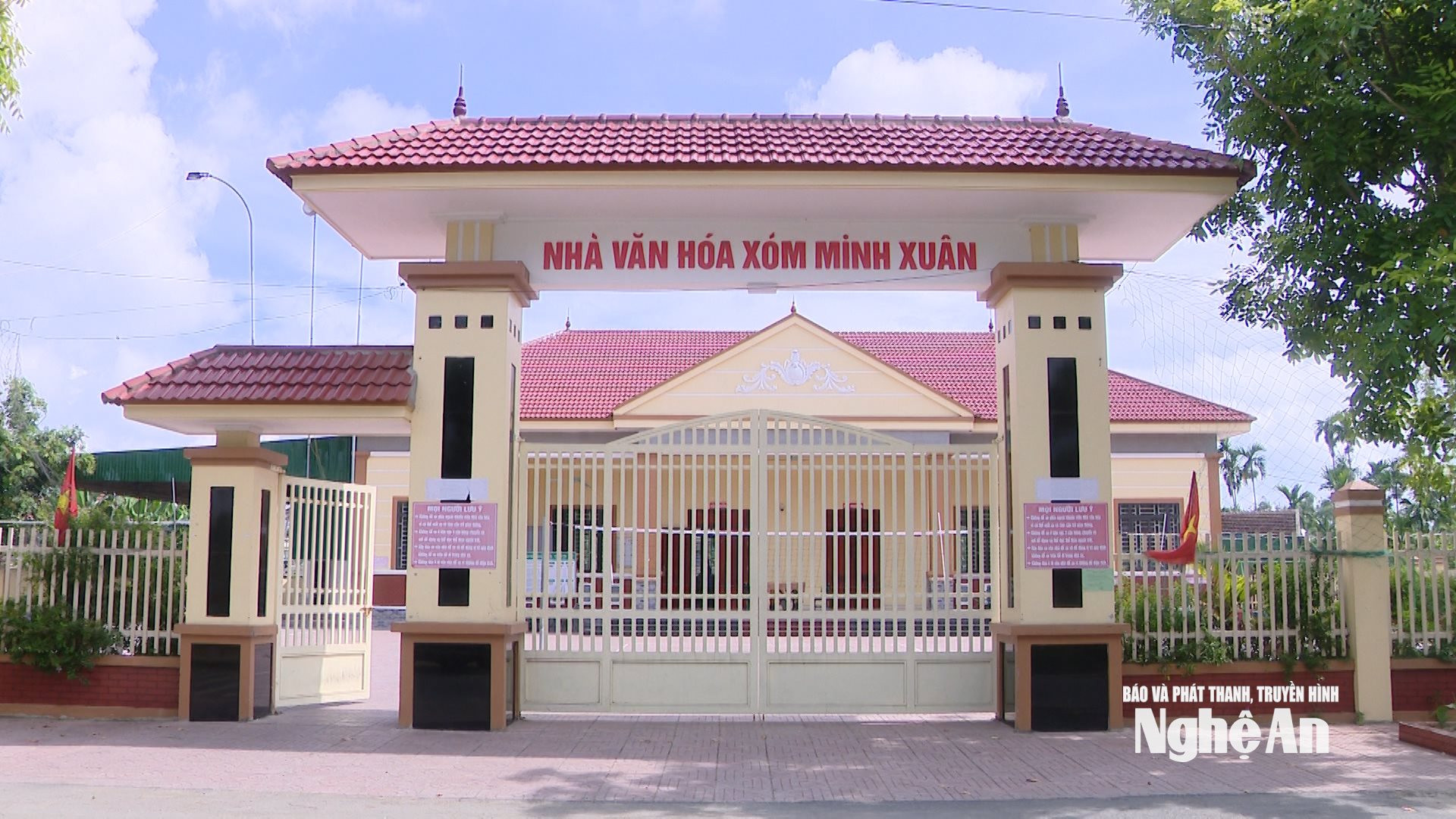
Integrated land use and planning solutions
According to many residents and local officials, there is a need for flexible use of existing facilities, prioritizing convenience and maximizing the effectiveness of achievements already made with previous investments.
Mr. Chu Van Thin - Secretary of the Party Branch of Chu Trac hamlet, Yen Thanh commune, proposed:"The invested facilities need a suitable utilization plan. The old community center can be converted into a traditional house, with the courtyard used for sports and community activities. The new village committee will be responsible for managing and maintaining these facilities, ensuring that the people's contributions continue to maximize their value."
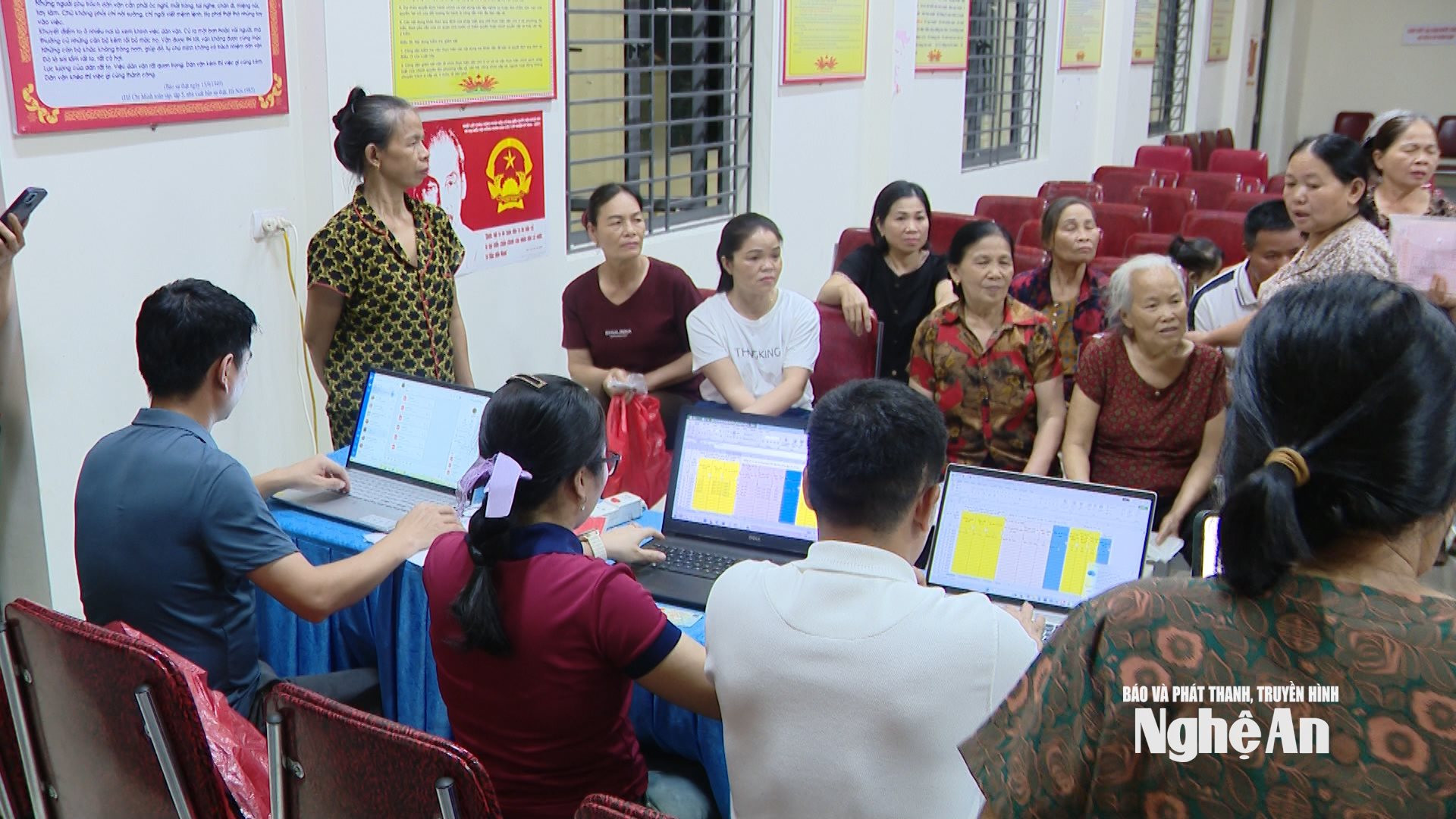
Besides flexibly utilizing existing facilities, the urgent need now is for localities to comprehensively review and assess the current situation to develop effective utilization plans. Simultaneously, the inclusion of cultural centers and accompanying facilities into the overall planning of each commune should be quickly implemented. This step will provide local authorities with a solid legal basis for allocating land, mobilizing investment resources in a focused and targeted manner, eliminating fragmented investment, and ensuring that cultural facilities, once built, are truly integrated into the lives of the local population.
Regarding the proposed solutions, Mr. Nguyen Tuan Anh, Head of the Culture and Social Affairs Department of Hanh Lam Commune People's Committee, stated:"We are currently consulting with a firm to review and develop a plan to relocate the cultural center to a specific central location for the new hamlets. Once the plan is approved, the local authorities will begin construction of the cultural center for each hamlet. We hope that the State will allocate investment resources so that the commune can soon achieve its development goals."
Sharing the common goal of synchronous development, Ms. Tran Thi Thanh - Head of the Culture and Social Affairs Department of Yen Thanh Commune People's Committee emphasized: "In the trend of social development, community cultural institutions are places for people to enjoy the common achievements. In the commune's general planning project, we will survey and select favorable geographical locations to advise on the construction of new cultural centers that meet the necessary conditions and fully satisfy the community's needs."
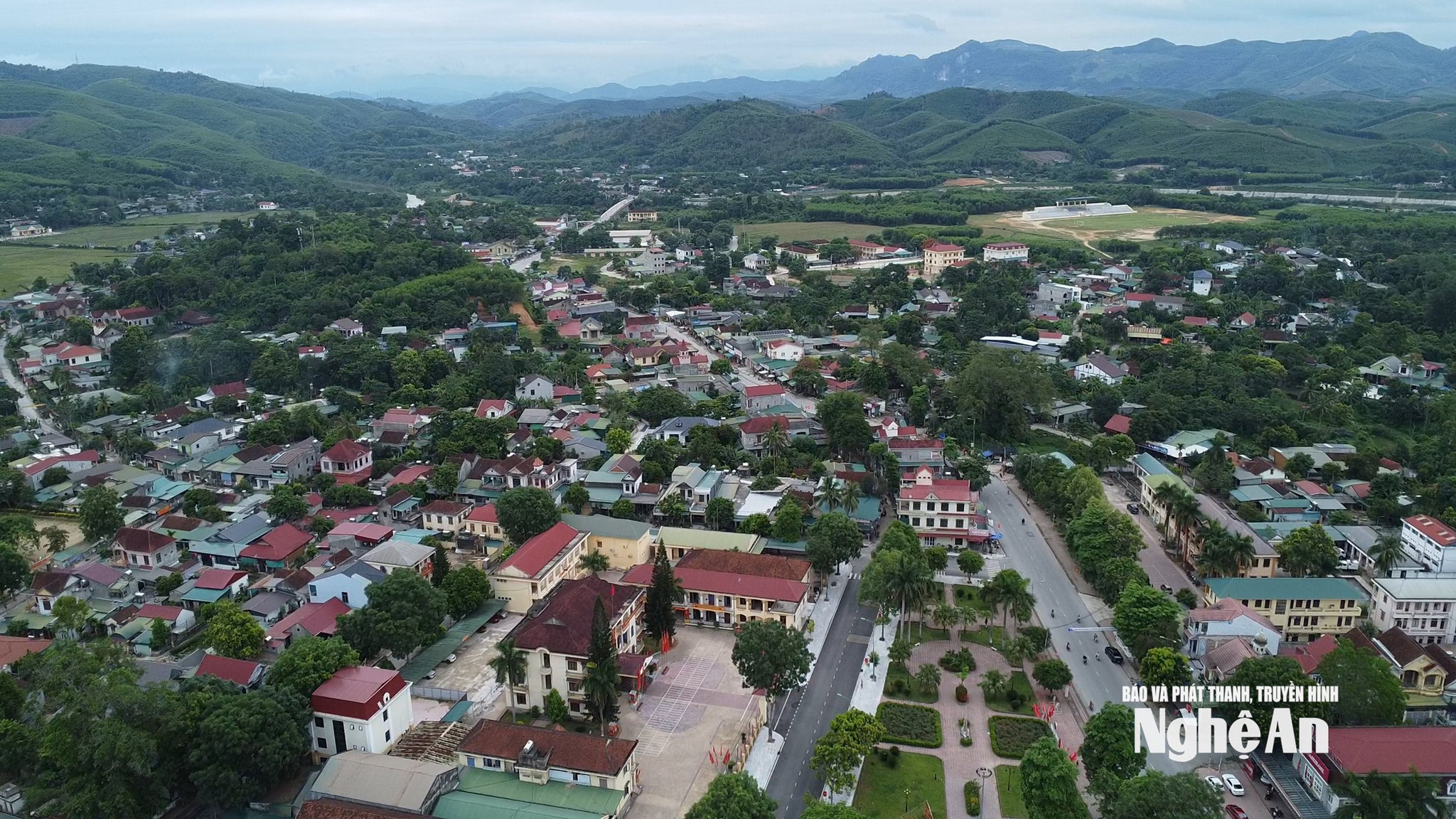
The reorganization of blocks and hamlets not only contributes to streamlining the administrative apparatus at the grassroots level but also creates an important foundation for localities to replan the system of cultural centers and other facilities in a more synchronized and efficient manner, practically serving the common needs of the community.
These aspects need to be systematically incorporated into the medium-term public investment roadmap, adapting flexibly to the large population size. This will optimize infrastructure and contribute to strengthening public confidence in the policies and guidelines of the Party and the State.


