
Bali proposes requiring tourists to provide proof of financial means: A step towards screening quality tourism.
The Bali authorities have proposed requiring international tourists to provide proof of their last three months' financial resources for entry, an effort to screen low-spending visitors that is causing much controversy.
The authorities of Bali (Indonesia) have just proposed a landmark measure: requiring international tourists to declare their financial situation for the past three months before entry. This is seen as the strongest move to date aimed at transforming the island's tourism model from mass tourism to high-quality tourism.
The ambition to filter quality tourism
Bali Governor Wayan Koster said the measure is part of the Draft Regional Regulations on Quality Tourism Management, currently being finalized by the local legislature. Under the regulations, tourists will be required to provide a detailed itinerary, including length of stay and planned activities on the island.

Governor Koster emphasized that this regulation aims to ensure that all activities of foreign visitors are under control. "Just as Indonesian citizens must comply with financial regulations when traveling abroad, Bali will also apply the same standards," the Governor affirmed. The core objective is to prevent tourists from arriving in Bali on tight budgets, leading to them getting stranded and engaging in illegal activities or violating local culture.
Controversy over jurisdiction and feasibility.
Despite receiving support from some politicians, the proposal is facing significant legal doubts. In Indonesia, the immigration agency is under the central government in Jakarta, not under the jurisdiction of provincial governments like Bali. MP Agung Bagus Pratiksa Linggih stated that the regulation would be "absurd" without central government approval.
Furthermore, sociologists warn that a hasty policy could create apprehension among tourists. I Wayan Suyadnya, a lecturer at Brawijaya University, argues that local authorities should focus on practical monitoring through immigration officers at the airport rather than creating additional complex paperwork barriers.
What direction should the tourist island take in the future?
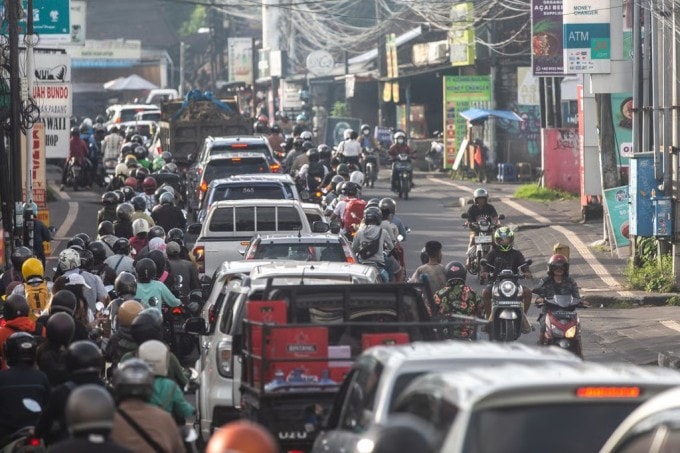
Bali has just experienced a boom year, with over 7 million international visitors expected in 2025, an 11% increase from the previous year. This is the highest level in the past 10 years, but this rapid growth also brings with it many negative consequences. Instead of focusing on financial restructuring, many argue that Bali should prioritize addressing pressing infrastructure issues such as the waste crisis and chronic traffic congestion in areas like Canggu.
Overall, the debate over financial proof reflects Bali's efforts to regain balance after 50 years of tourism development. Instead of controversial administrative measures, improving service quality and preserving cultural identity may be a more sustainable key to attracting the high-spending tourists the island is targeting.


