
The latest salary scale applicable to teachers.
Compared to other professions on the salary scale, the salaries of most teachers (except for college and university lecturers) are lower than those of civil servants in other sectors.
Below is the salary table for teachers (excluding related allowances):
| Preschool teacher | Class | Category I | Class II | The rich |
| Starting salary coefficient | 4.00 | 2.34 | 2.10 | |
| Highest salary coefficient | 6.38 | 4.98 | 4.98 | |
| Primary, secondary, and high school teachers, as well as pre-university teachers. | Class | Category I | Class II | The rich |
| Starting salary coefficient | 4.40 | 4.00 | 2.34 | |
| Highest salary coefficient | 6.78 | 6.38 | 4.98 | |
| Vocational education teacher (theoretical) | Class | Category I | Class II | The rich |
| Starting salary coefficient | 5.75 | 4.40 | 2.34 | |
| Highest salary coefficient | 7.55 | 6.78 | 4.98 | |
| University, college, and vocational education lecturers | Class | Category I | Class II | The rich |
| Starting salary coefficient | 6.20 | 4.40 | 2.34 | |
| Highest salary coefficient | 8.00 | 6.78 | 4.98 |
According to the Ministry of Education and Training's report, the current preferential allowance for teachers ranges from 25% to 70%, lower than the allowance for civil servants working in public health facilities (from 30% to 100%); in particular, the majority of teachers only receive an allowance of 25% - 35% (approximately 76%), mainly concentrated in the plains and cities where the cost of living is higher than in other regions.
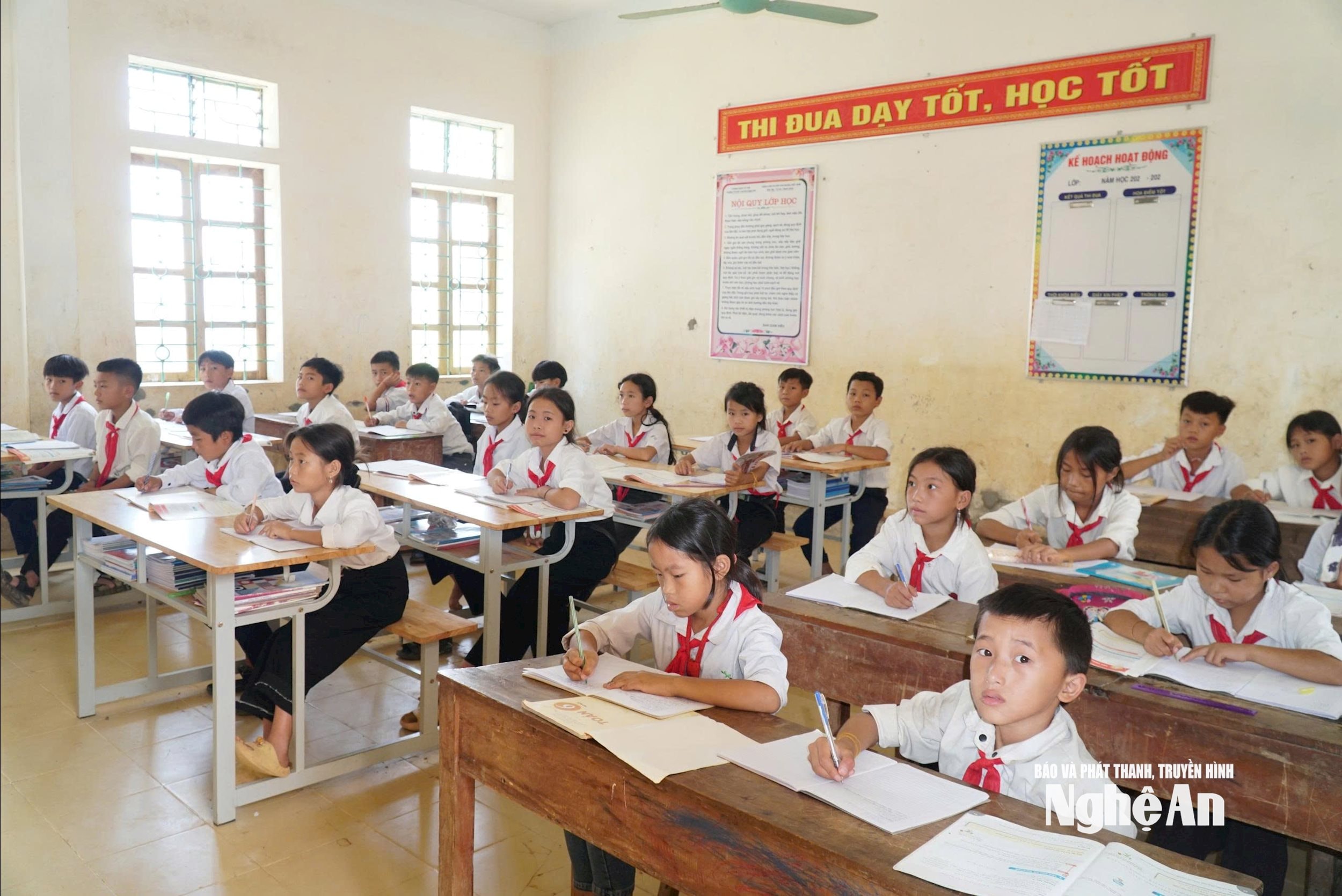
Higher rates apply to specific cases such as: teachers directly teaching Marxist-Leninist science and Ho Chi Minh Thought in universities and colleges receive 45%; teachers directly teaching in kindergartens and primary schools in mountainous, island, and remote areas receive 50%.
Teachers and education administrators working in ethnic boarding schools, specialized high schools, schools and classes for disabled and handicapped people, and reform schools are entitled to 70%...
In addition, teachers who have participated in teaching and education and have contributed to mandatory social insurance for 5 years (60 months) are entitled to a seniority allowance equal to 5% of their current salary plus leadership position allowance and above-the-standard seniority allowance (if any). From the sixth year onwards, an additional 1% is added for each year (12 months).
Thus, newly hired teachers receive salaries based on salary coefficients and preferential allowances during their first five years of service, but without seniority allowances, resulting in low total income. Consequently, there remains a significant gap compared to experienced teachers, even though their basic duties are the same.
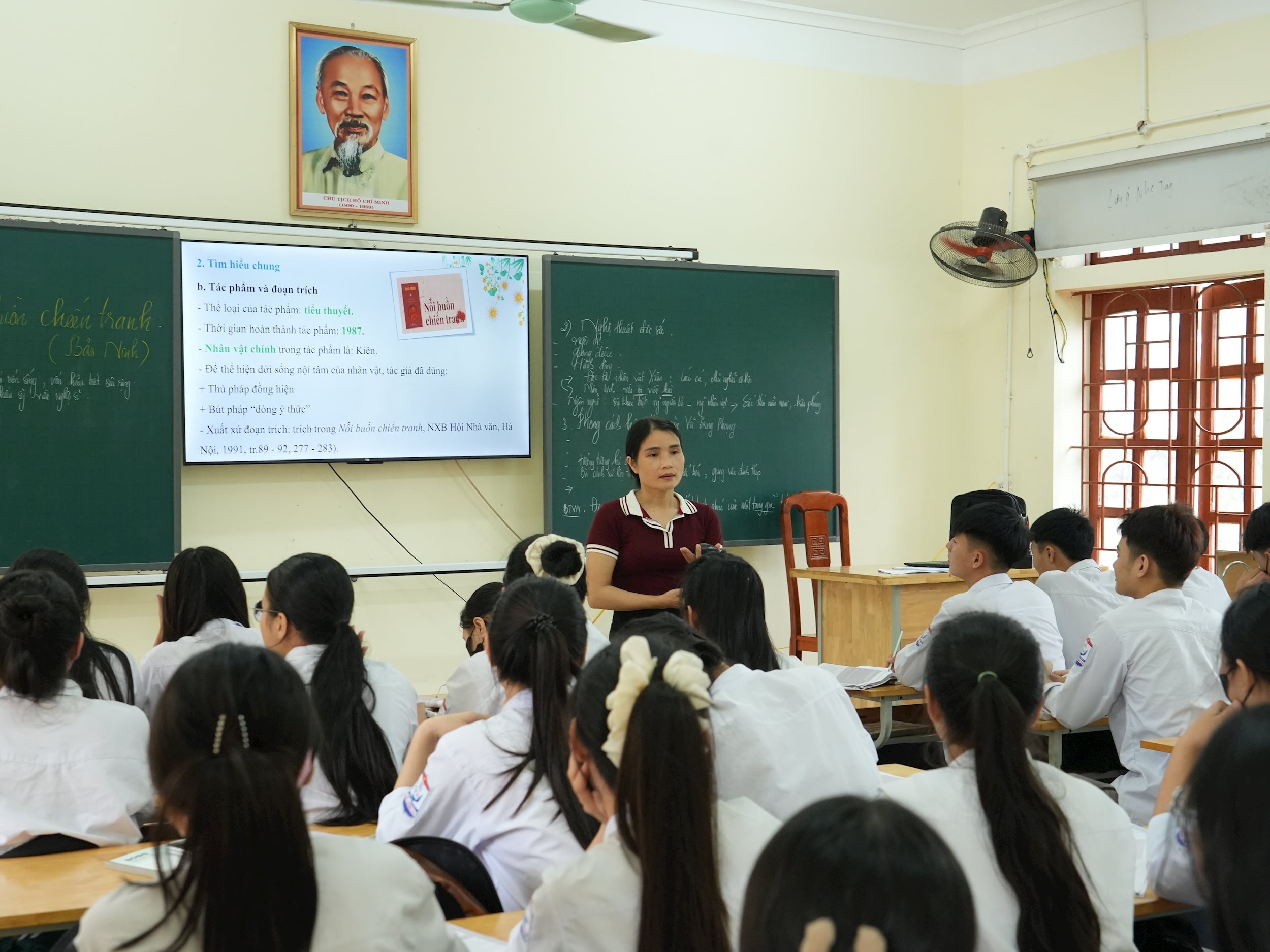
Specifically, the lowest salary for preschool teachers is approximately 6.6 million VND; primary school teachers approximately 7.3 million VND; and secondary school, high school, and pre-university teachers approximately 7.1 million VND. This is a significant gap compared to the highest salaries for educators, which are 20.6 million VND, 24.6 million VND, 28.5 million VND, and 30.5 million VND respectively; and is lower than the average salary of 7.7 million VND for workers in 2024.


