
Alarm raised over property theft in apartment buildings.
Recently, property theft in many apartment complexes in Nghe An province, especially in the former Vinh City area, has been on the rise with increasingly sophisticated methods. This situation not only causes property damage but also raises concerns about security management in concentrated residential areas, highlighting the need to clearly define the legal responsibilities of all parties involved.
The theft situation is becoming increasingly complex.
In recent years, along with the process of urbanization,apartment building projects in Nghe An provinceThe sector has developed rapidly, providing tens of thousands of apartments for residents and contributing to the formation of a civilized and modern urban landscape. However, alongside this development are shortcomings in management and operation, especially in old apartment buildings, low-rise apartment buildings, and social housing.
In reality, many buildings lack comprehensive security systems such as surveillance cameras, access control systems using magnetic cards, and professional security guards. Access control remains lax, especially during peak hours or at night, creating loopholes for criminals to exploit.
Notably, the stolen items are no longer limited to motorbikes and bicycles as before; increasingly common are designer shoes and online shopping items left in lobbies, hallways, or in front of apartment doors. Many residents report that packages disappear just minutes after delivery drivers leave.
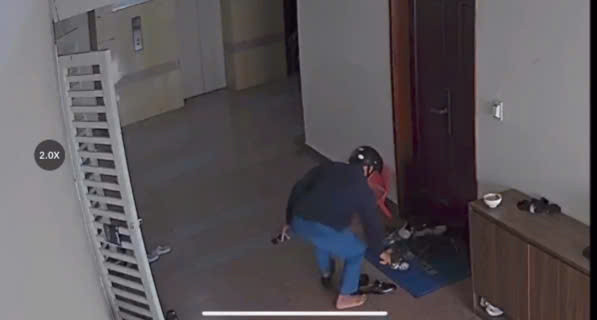
Mr. PT, a resident of an apartment building on Lenin Avenue, said that at the end of 2025, he lost a pair of valuable shoes that he had left outside his apartment door overnight. He assumed the hallway was safe because many residents lived there and there was security on duty, so he didn't bring his shoes inside. However, after just one night, his belongings were gone. Despite reporting the incident to the building management and posting a warning on the residents' group, the event has left him and many other residents worried about the safety of their living environment.
This is not an isolated case; many other residents in apartment buildings in the former Vinh City area have also reported having their belongings stolen when left in front of their apartments or in the common lobby. In some instances, thieves rummaged through bags, taking only valuable items and leaving the rest behind. While the property damage may not be significant, the resulting anxiety and suspicion among residents are immeasurable consequences.
According to the Nghe An Provincial Police, thieves often exploit the carelessness of residents and loopholes in management to commit their crimes. Common tactics include posing as residents, visiting relatives, or delivery drivers to easily access the lobby and hallways of various floors. In many cases, CCTV footage shows that the perpetrators only take a few tens of seconds to steal property before quickly leaving. However, because some apartment buildings lack adequate CCTV systems, or the cameras have limited image quality and wide-angle coverage, verifying and tracking down the perpetrators is very difficult.
Notably, in many cases, the stolen property is of low value, and people are reluctant to report it to the authorities, inadvertently creating opportunities for perpetrators to re-offend, leading to prolonged and more complex theft situations.
Viewed from a legal and managerial perspective.
From a legal perspective, theft of property, whether occurring in an apartment building or any other space, is strictly dealt with according to regulations. According to Article 173 of the 2015 Penal Code (amended and supplemented in 2017), anyone who steals another person's property worth 2 million VND or more, or less than this amount but falling under legally defined circumstances, may be prosecuted; if the value of the stolen property is not high enough to warrant criminal prosecution, the perpetrator will still be subject to administrative penalties as prescribed by law.
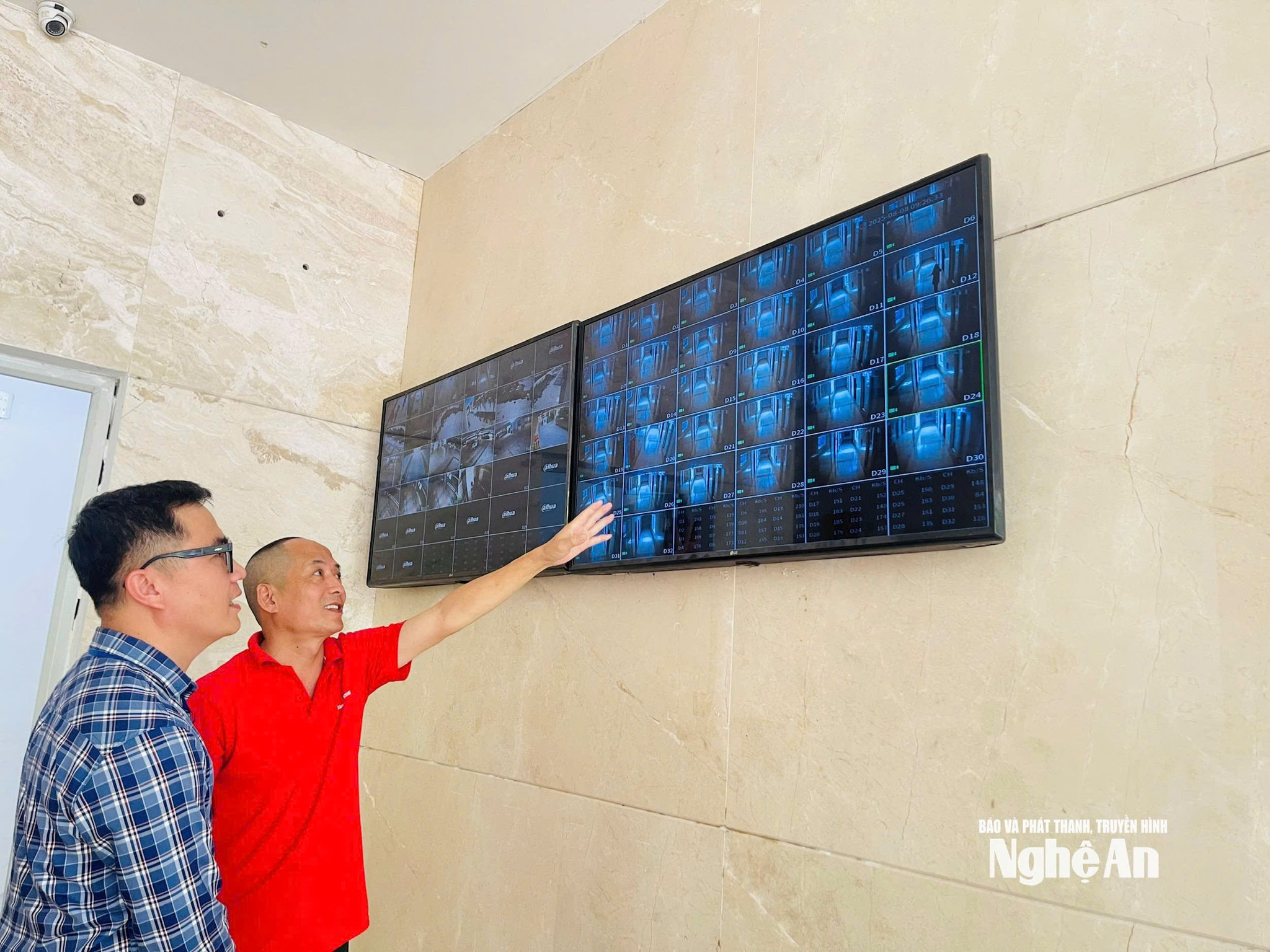
Besides the responsibility of the perpetrator of the theft, a matter of great concern to many residents is the responsibility of the building management and operating unit when property theft occurs within the building premises. According to housing laws, the building management is responsible for organizing and managing the apartment building; ensuring security, order, and safety for residents in accordance with the building's internal regulations, rules of management and use, and signed agreements.
In cases where management fails to implement or inadequately implements security measures as required, resulting in theft due to management negligence or lax control of access, civil liability for damages may arise depending on the specific circumstances if a causal relationship between the breach of management obligations and the resulting damage can be proven. However, in practice, determining this liability is not simple, especially when the victim also bears some responsibility due to negligence, failing to protect their property as generally recommended.
From a preventative perspective, the Nghe An Provincial Police recommend that residents raise their awareness of protecting their property and absolutely refrain from leaving shoes, goods, or valuable items in hallways, common areas, or in front of apartment doors for extended periods. When shopping online, residents should proactively arrange a time to receive goods in person; if they need to send goods, they should ask security or the management board for assistance in receiving and storing them in a safe area.

From the perspective of apartment building management, it is necessary to review, supplement, and improve the surveillance camera system in key areas such as lobbies, corridors, elevators, and entrances; increase security personnel, especially at night; and tighten control over people entering and exiting, especially strangers and delivery drivers. Issuing specific regulations on goods delivery and receipt, storage areas, and storage times is also a necessary solution to reduce the risk of theft.
Furthermore, regular awareness campaigns and reminders to residents to enhance vigilance should be conducted through notice boards, resident groups, or periodic meetings. Upon detecting suspicious activity or property loss, residents should promptly notify the management board and report to the police for coordinated action. This will prevent hesitation and negligence, which could allow thieves to continue exploiting the situation and repeat their violations.


