
Nghe An Provincial Social Insurance: Using citizen satisfaction as a 'measure' for administrative procedure reform in conjunction with Project 06.
No longer just empty slogans, administrative procedure reforms in the social insurance sector are now being measured by the real-world experiences of the people. In Nghe An province, the Government's Project 06 on "Developing applications of population data, identification and electronic authentication" is creating clear changes: cleaner data, faster processes, and people's trust is being built up day by day.
.png)
No longer just empty slogans, administrative procedure reforms in the social insurance sector are now being measured by the real-world experiences of the people. In Nghe An province, the Government's Project 06 on "Developing applications of population data, identification and electronic authentication" is creating clear changes: cleaner data, faster processes, and people's trust is being built up day by day.
Perform:Thanh Chung- Design:Huu Quan• March 25, 2026 10:57

At the grassroots level, where people interact directly with the administrative apparatus, even small changes can make a big difference. At the Thai Hoa Social Insurance branch, administrative procedure reform associated with Project 06 goes beyond simply streamlining processes; it starts from a deeper foundation: data.
In the first two months of 2026, the Thai Hoa branch of the Social Insurance agency completed data cleaning for 187,460 out of 187,611 participants, achieving a rate of 99.92%. This is not just a technical figure, but a fundamental step in "unlocking" the system, eliminating the inaccuracies and duplications of information that previously required people to make multiple trips.
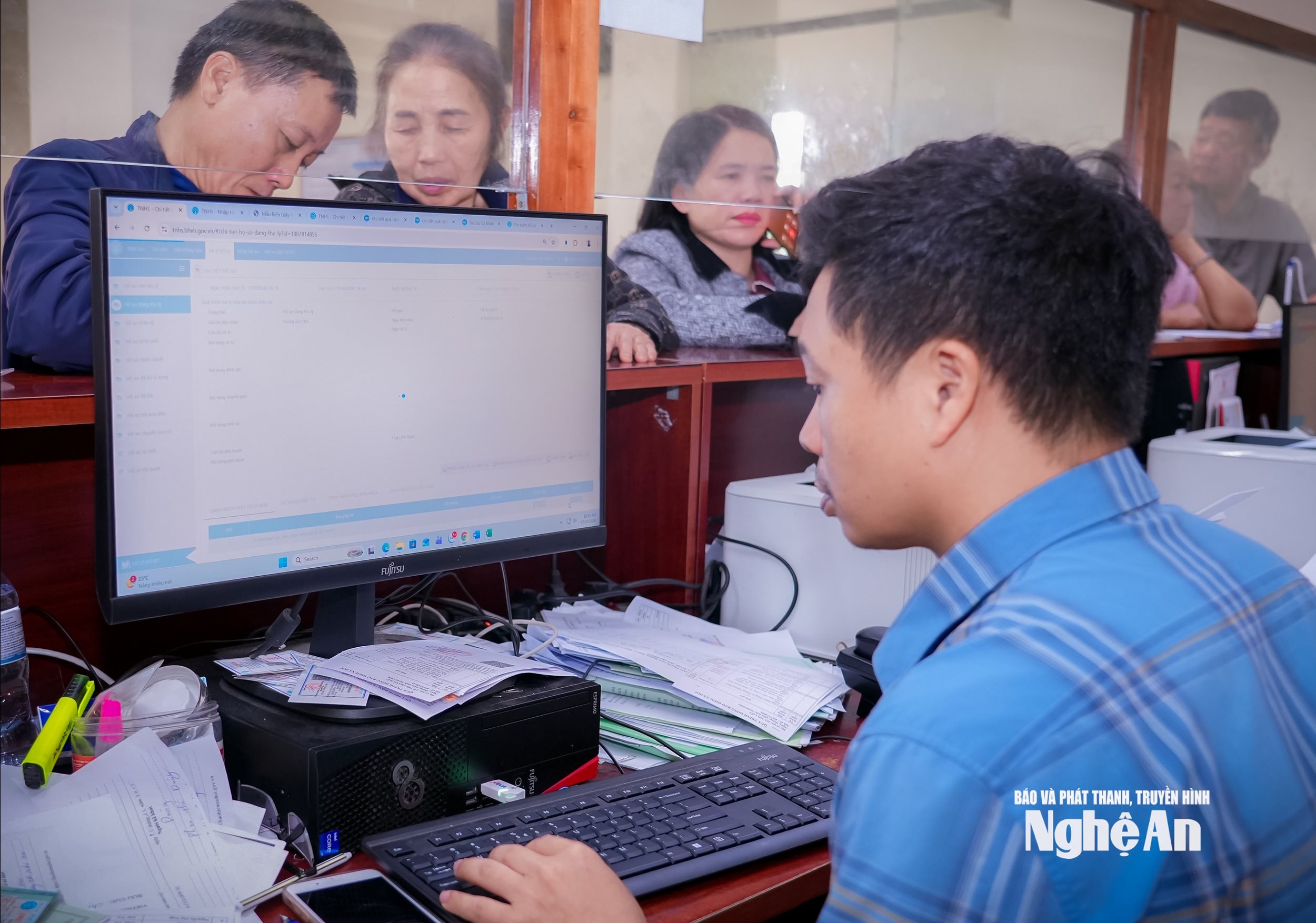
In addition, the digitization of records has been implemented synchronously by the Thai Hoa branch of the Social Insurance agency. On average, 1,453 records are digitized and stored on the centralized system each month. When data is standardized and interconnected, people no longer have to resubmit existing documents, significantly reducing the time and cost of completing procedures.
Another notable highlight is the connection and utilization of data from the National Population Database. Thanks to close coordination with the police force, many procedures that previously required multiple verification steps have been significantly shortened. Ms. Nguyen Thi Khanh Tien, Deputy Director of the Thai Hoa branch of the Social Insurance agency, stated: “We believe that reform is not just about cutting procedures, but about restructuring processes based on digital data. When the data is ‘correct, complete, and clean,’ people don’t have to re-enter their information; that is the core value.”

In fact, the effectiveness of the reforms is clearly demonstrated in each specific service. In Thai Hoa ward, 100% of medical facilities have implemented health insurance information lookup using chip-embedded citizen ID cards, gradually replacing paper cards. People no longer have to carry many documents when going for examinations, reducing inconvenience. In social welfare payments, the percentage of people receiving pensions and social insurance benefits through bank accounts reached 99.9% (13,167/13,178 people), almost absolute. This is an important step in promoting cashless payments.
In particular, the "local support team" model implemented has yielded practical results. Social insurance officials in Thai Hoa directly go to communes and wards to guide people, especially the elderly, in accessing online public services.

Ms. Ngo Thi Dien, 61 years old, a resident of Nghia Dan commune, shared her experience at the Thai Hoa branch of the Social Insurance office: “Previously, I was hesitant to go through the procedures because I was afraid of the hassle. Now, when I come here, I receive clear instructions, the process is quick, and the staff speak gently. I feel very comfortable and respected. The application processing procedure is organized scientifically and sequentially, making it easy for people to follow.”
Such feedback is not unique. It has been noted that people's satisfaction with transactions at the Thai Hoa Social Insurance branch is high, especially regarding service attitude and processing time. The changes at the Thai Hoa Social Insurance branch demonstrate that reforms are only truly meaningful when people feel the change.

While Thai Hoa is a shining example at the grassroots level, the entire province of Nghe An is demonstrating a large-scale reform picture with foundational figures and results. According to information from the Nghe An Provincial Social Insurance Agency: By March 2026, the entire province had 3,028,789 people participating in social insurance and health insurance verified with the National Population Database, reaching a rate of 99.92%. This is a significant step forward, creating a unified and accurate data foundation for the entire social security system.

"Cleaning" and synchronizing data not only helps eliminate duplicate information but also enhances transparency and limits policy abuse. When each citizen has a unique identification, their rights are better protected, and manual verification is significantly reduced.
Based on that data platform, online public services have been strongly implemented. To date, 100% of medical facilities in the province have implemented health insurance information lookup using chip-embedded citizen ID cards, with over 10.6 million successful lookups. This not only helps reduce procedures but also shortens the time for medical examinations and treatment for the people.
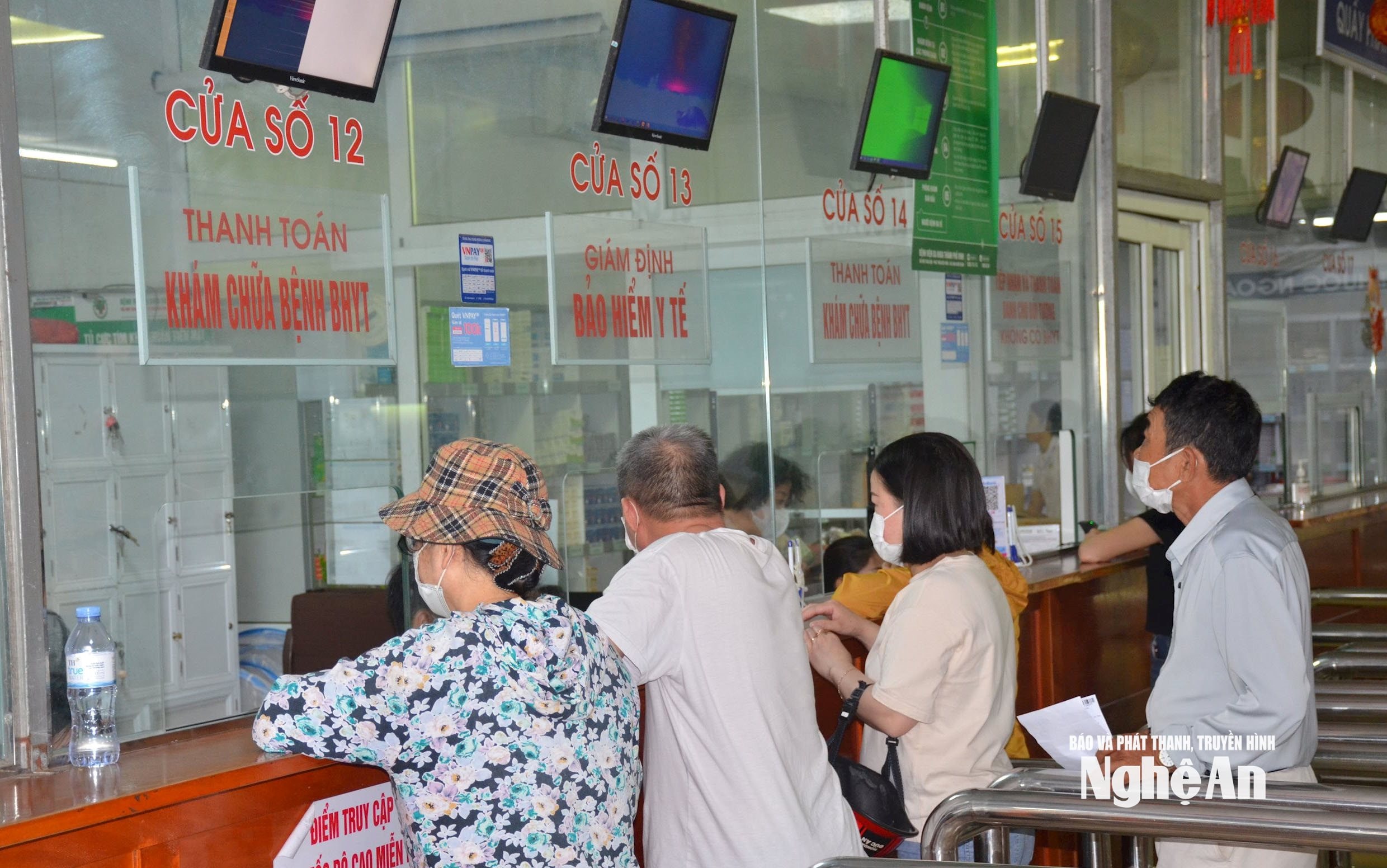
The data exchange system in the healthcare sector has also achieved many noteworthy results. Throughout the province, 140 medical facilities have issued over 114,600 birth certificates, 36 facilities have issued over 342,000 driver's license health certificates, and 26 facilities have issued 647 death certificates electronically. These previously complex documents are now digitized and interconnected, facilitating the process for citizens.
In administrative procedure reform, the Nghe An Provincial Social Insurance agency has maintained the public disclosure of 25 procedures on public service portals, while simultaneously implementing a one-stop service mechanism in 100% of localities. Notably, the rate of electronic transaction records across the province reached nearly 82%, demonstrating a strong shift towards a digital environment.
Digital transformation is not just about applying technology, but about changing the way services are delivered. The ultimate goal is to enable people to access services more conveniently, quickly, and transparently.”
Mr. Hoang Van Minh - Director of the Social Insurance Department of Nghe An Province

In reality, positive changes are also being observed from both citizens and businesses. Mr. Tran Van Phong, a business owner in Thanh Vinh ward, shared: “Previously, insurance procedures took a lot of time, but now I can submit applications online and track progress right on my phone. It saves a lot of costs.”
However, it must also be said that large-scale deployment presents numerous challenges. Technological infrastructure in some areas is not yet fully developed. The percentage of people using digital services, especially in remote areas, remains limited. Changing habits from in-person to online transactions requires time and support. Furthermore, the increasing demands for data security and information safety require synchronized investment in both technology and human resources.
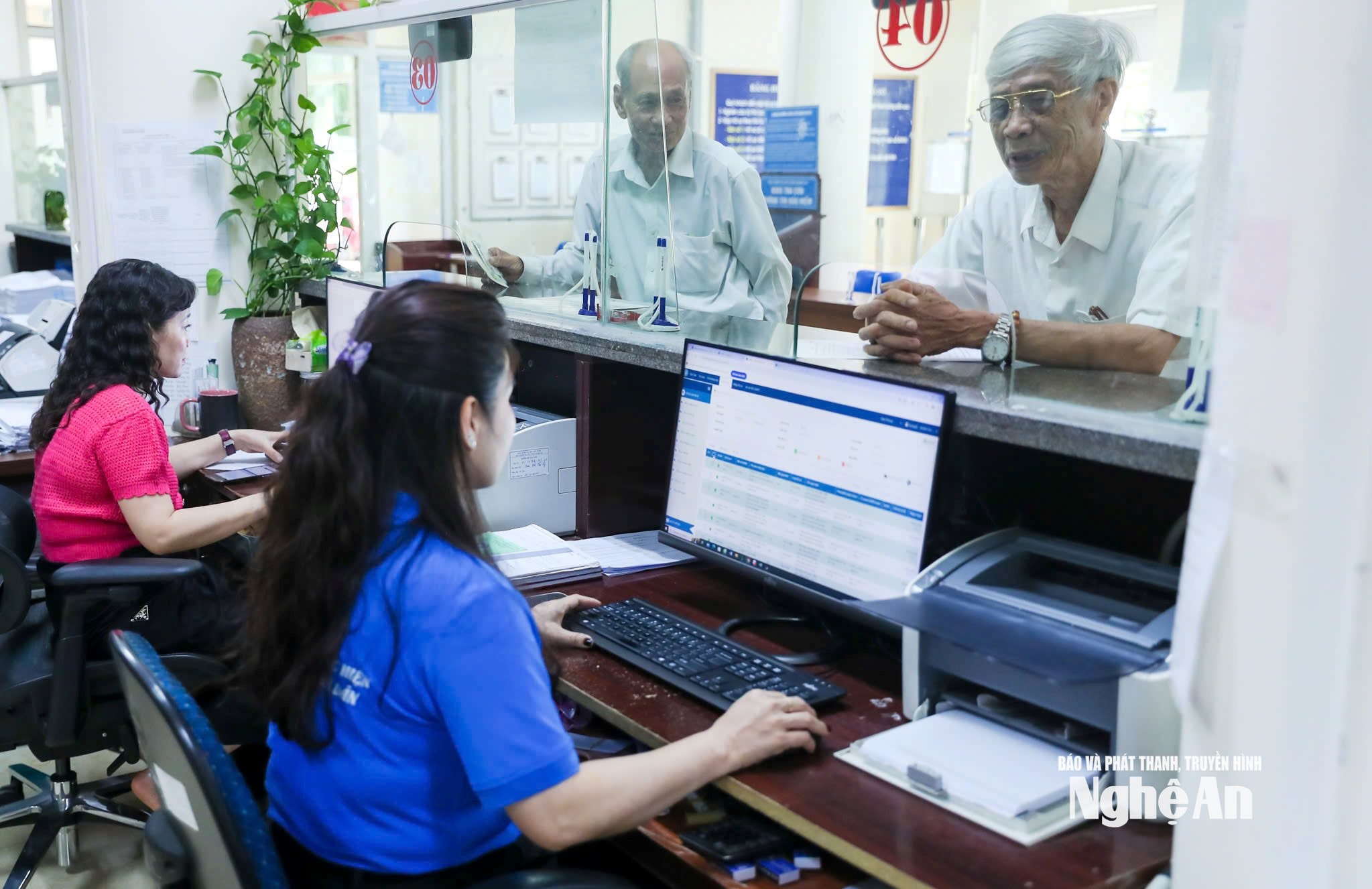
Nevertheless, with the results achieved, it can be affirmed that Nghe An is on the right track in administrative procedure reform associated with Project 06, gradually building a modern, service-oriented administration. Administrative procedure reform is not a race for indicators, but a journey of building trust. The specific figures in Nghe An clearly show strong progress: procedures are becoming more streamlined, data is flowing smoothly, and the gap between the government and the people is being narrowed.../.


