
Purchases of 2 taels of gold or more must be made via bank transfer.
The State Bank of Vietnam (SBV) has just announced a draft amendment to Decree 24/2012/ND-CP, stipulating that transactions involving the purchase and sale of gold worth 20 million VND or more per day must be conducted via bank transfer, instead of cash.
Payment by bank transfer is required.
The draft regulations require that all gold transactions exceeding 20 million VND per day by a single customer must be conducted through a payment account between the customer and the gold trading business at a commercial bank or a branch of a foreign bank.
WithSJC gold bar priceCurrently, the price is around 12.15 million VND per tael (approximately 37.5 grams), and this regulation applies to transactions of nearly 2 taels of gold or more.
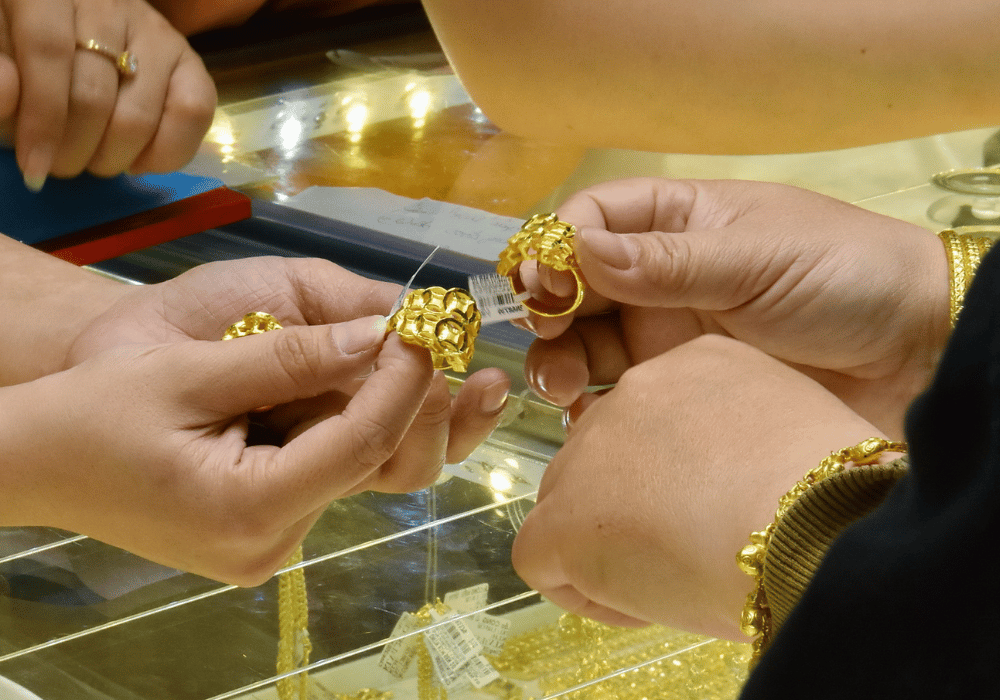
The goal is to increase transparency and verify customer information. The Ministry of Public Security proposed clarifying whether this regulation applies to individual transactions or the total value of transactions in a day to prevent circumvention by splitting transactions into smaller amounts. The State Bank of Vietnam has adjusted the regulation, defining 20 million VND as the total value of daily transactions for a single customer.
People have expressed concerns about the implementation. Mr. Bui Khanh Duy (Hanoi) asked: "If I buy 10 million VND worth of gold with cash in the morning, and then buy another 12 million VND worth in the afternoon, will the afternoon purchase have to be transferred via bank transfer, and will the morning purchase need to be refunded via bank transfer?" The State Bank of Vietnam stated that it will continue to clarify specific situations to ensure feasibility.
Eliminate the monopoly on gold bar production.
The draft proposal suggests abolishing the State Bank of Vietnam's monopoly on gold bar production, allowing qualified businesses and commercial banks to participate in production alongside the SJC brand.
The conditions include a minimum charter capital of VND 1,000 billion for businesses and VND 50,000 billion for banks, along with the requirement that there have been no violations or that any violations related to gold trading have been rectified.
The State Bank of Vietnam will also issue annual quotas and individual licenses for the import and export of gold bars and raw gold. Businesses are allowed to import gold for the production of gold bars and jewelry, and resell the raw materials to licensed entities.
This regulation aims to increase competition, diversify supply sources, and reduce the price difference of gold between brands.
Strengthening the management of gold imports.
To support the production of gold jewelry and handicrafts, the draft allows large enterprises and commercial banks to import raw gold under license.
The State Bank of Vietnam believes that this model, similar to the Chinese gold market (which licenses 13 commercial banks), will ensure competition and transparency.
However, some businesses and associations argue that the requirement of 1,000 billion VND in charter capital is too high, potentially limiting the participation of many businesses and reducing competition.
Furthermore, regulations controlling gold imports through multiple layers could increase administrative procedures and sub-licenses, creating difficulties for businesses. The State Bank of Vietnam is finalizing the draft to submit to the Government before the deadline of July 15, 2025, as requested by the Prime Minister.
The draft amendment to Decree 24 of the State Bank of Vietnam aims to increase transparency in gold transactions, eliminate the monopoly on gold bar production, and strengthen import management.
However, the new regulations, particularly regarding bank transfer payments and market entry requirements, need clarification to avoid creating difficulties for individuals and businesses.
The State Bank of Vietnam is committed to incorporating feedback to ensure policies are in line with reality and promote the sustainable development of the gold market.


