
Elections for the 16th National Assembly and People's Councils at all levels: New developments in the context of a two-tiered local government system.
The election for deputies to the 16th National Assembly and People's Councils at all levels for the 2026-2031 term will be held on March 15, 2026, earlier than usual in previous terms. The election takes place in the context of a stable operation of the two-tiered local government model, leading to several notable adjustments regarding the authority, procedures, and organization of elections.
Adjusting authority in election organization
This was the first election held after the two-tiered local government system came into operation. The elimination of the intermediate level between the province and the commune/ward necessitated a redefinance of the chain of authority in the election process.
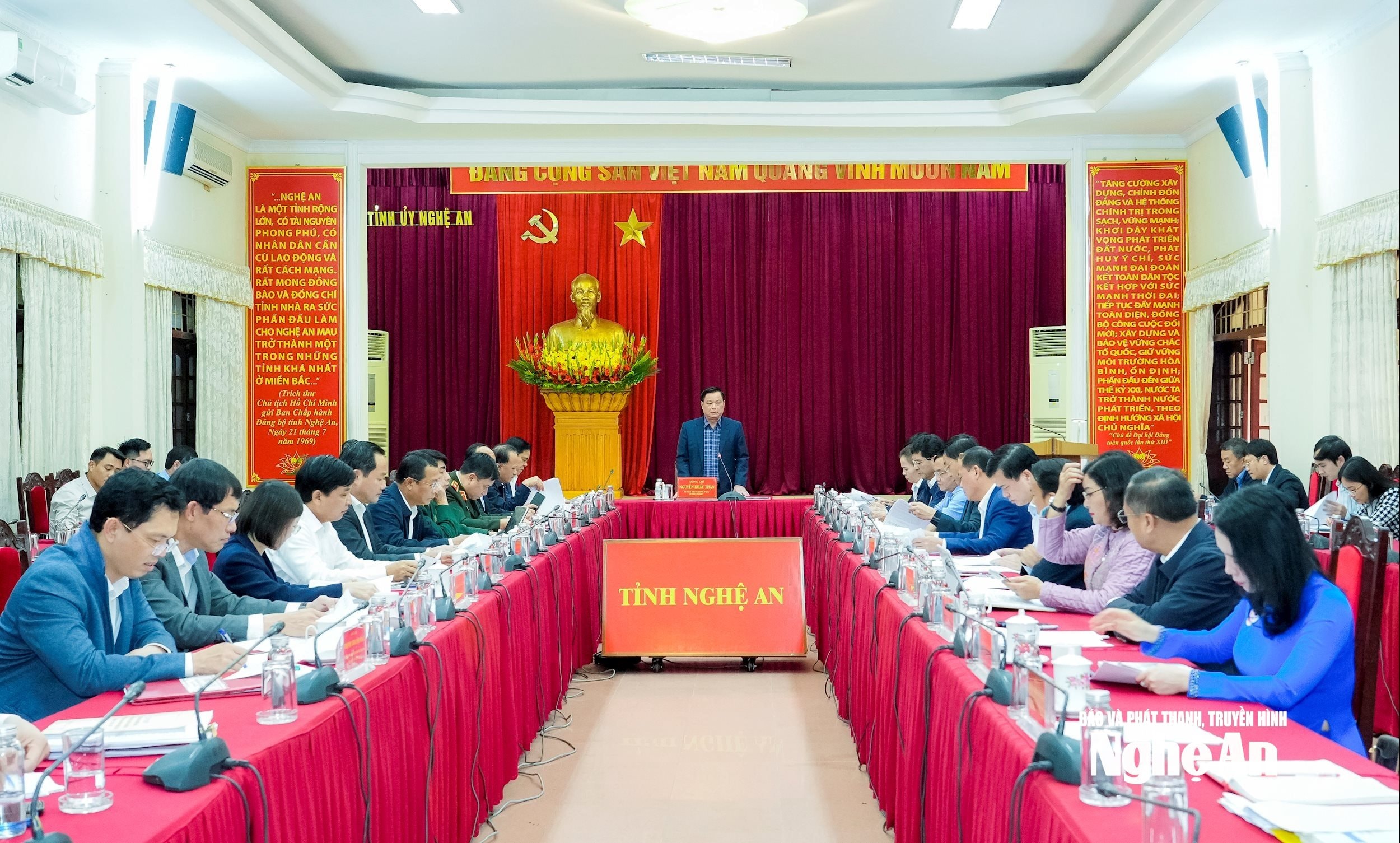
With the implementation of a two-tiered local government system, many tasks previously handled by intermediate levels are now directly assigned to the provincial and commune/ward levels. The authority to establish election-related organizations, determine polling areas, compile and post voter lists, and summarize results at the grassroots level is clearly defined, limiting overlapping responsibilities.
In practice, commune and ward authorities now have to directly handle many important preparatory stages, from reviewing voter lists based on population data and updating demographic changes to publicly posting them at their headquarters or in residential areas.
In some densely populated communes and wards, local officials reported that the volume of voter data review has increased significantly compared to before. However, thanks to the standardized population data system, cross-referencing information, updating changes in residence, or adding new voters has become more convenient and accurate.
Stricter election procedures
Another noteworthy point is the rearrangement of timelines throughout the entire election process. The intervals between the consultation phase, candidate list compilation, official list announcement, and voter registration have been recalculated to be more reasonable, avoiding unnecessary delays.
Streamlining the process allows the system to be more proactive in its operations, as the workload is mainly concentrated at the provincial and commune/ward levels.
However, a streamlined process also means stricter deadlines and discipline. The publication of lists, receipt and handling of complaints and denunciations must be carried out in the correct order and without delay.

Photo: Mai Hoa
Greater transparency in voter registration
In the context of modern governance, creating voter lists based on a unified population data platform is considered a significant step forward.
The voter list is compiled based on an updated database, minimizing duplication, omissions, or inaccuracies in information. The requirement of being "accurate, complete, clean, and relevant" is not only a technical standard but also a direct condition for guaranteeing citizens' right to vote, while also contributing to reducing disputes and complaints related to the voter list.
In addition, information about candidates, their action programs, and election guidelines is made public through various official channels. The method of organizing voter conferences is also more flexible, combining in-person and online participation, as long as the legally mandated procedures are followed.
Transparency of information has therefore become a crucial requirement in organizing elections, especially in the context of digital transformation.
Higher requirements for candidates
Alongside organizational and procedural changes, the requirement for high-quality delegates continues to be at the heart of the matter.
The allocation of delegates among localities is linked to population size and regional characteristics, ensuring the principle of reasonable representation. In a two-tiered local government system, the representative voice of voters at the grassroots level needs to be ensured more fully and effectively.
The structure of the electoral system continues to aim for ensuring fair representation among social groups and professional fields. However, the emphasis is not only on the structure but also on the substantive standards of the candidates: political qualities, competence, prestige, and connections with voters.
Candidate profiles are vetted and verified through a rigorous process. Greater public disclosure of information also means clearer accountability of candidates to voters.
Uphold the fundamental principles of elections.
Despite adjustments in organization and implementation techniques, the fundamental principles of elections remain unchanged: universal suffrage, equality, direct voting, and secret ballot.
All complaints and allegations relating to candidates or voter lists must be considered and resolved in accordance with the procedures and timeframes stipulated by law.

Discussing the changes in this election, Dr. Nguyen Trong Hai, Director of Trong Hai and Associates Law Firm and Deputy Head of the Nghe An Provincial Bar Association, stated that: The election of deputies to the 16th National Assembly and deputies to the People's Councils at all levels for the 2026-2031 term is taking place in the context of a streamlined administrative apparatus and local governments operating at two levels (provincial and commune/ward).
According to Mr. Hai, the elimination of intermediate administrative levels has significantly changed the way elections are organized and conducted. The process of directing and managing elections is now carried out directly from the Provincial Election Committee to the grassroots election organizations. As a result, intermediate steps are shortened, and the implementation of election laws and regulations is more consistent and practical.
Furthermore, redefining the authority between different levels of government, along with the application of the National Population Database in reviewing and compiling voter lists, also contributes to enhancing the transparency of the election. "When data is standardized and procedures are tightened, voter lists will be more accurate, thereby better ensuring citizens' right to vote," Mr. Hai stated.
With the local government at two levels already operating stably, the 2026-2031 election is not only a regular democratic activity but also a crucial test of the practical implementation of election laws.


