
Bayern beat Koln 4-1 in the DFB-Pokal: VAR controversy in the 36th minute.
Bayern Munich beat Koln 4-1 in the second round of the DFB-Pokal, but Luis Diaz's 36th-minute equalizer, scored from an offside position, sparked controversy over the application of VAR only from the third round onwards.
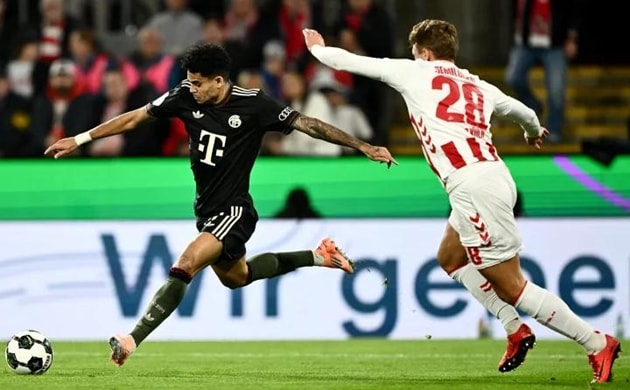
Bayern Munich left the RheinEnergieStadion with a 4-1 victory over Koln in the second round of the DFB-Pokal, but the lingering feeling wasn't one of dominance, but rather a question of fairness. The turning point came in the 36th minute: Luis Diaz equalized 1-1 in what was deemed an offside situation, a play where, with VAR, the result might have been different.
The 36th-minute moment and its impact on the outcome.
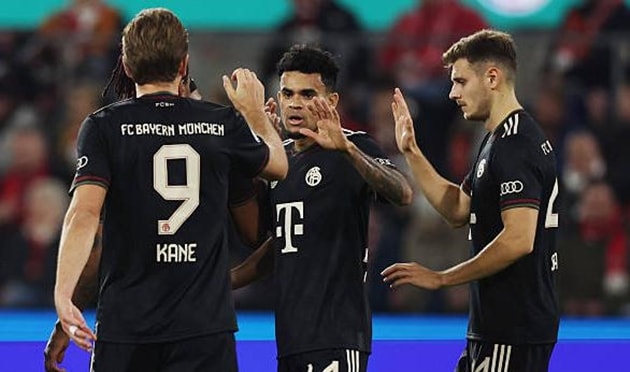
Koln opened the scoring, setting the stage for a difficult game against the reigning Bundesliga champions. But things took a turn when Luis Diaz scored the equalizer. As highlighted in the match report, the Colombian international was clearly offside at the time Josip Stanisic took the shot. Nevertheless, the goal was allowed because VAR was not present in this round of matches.
The mistake in the 36th minute not only changed the scoreline; it altered the emotional tempo. From a lead, Koln lost control, and Bayern Munich capitalized on their momentum to pull ahead and seal a 4-1 victory.
No VAR in the first two rounds: the reality and the problem.
The DFB-Pokal only implemented Video Assistant Referee technology from Round 3 onwards. The reasons cited included logistical challenges and costs, given the large number of matches and the fact that many stadiums of lower-league teams did not yet meet the requirements for synchronized implementation.
Even with its presence, VAR is not a panacea: it disrupts emotions, prolongs play, and sometimes sparks new controversies. However, the core question after the Koln-Bayern match is simple: are obvious mistakes like the offside situation that led to the equalizer acceptable in a professional league?
Consistency between tournaments and between rounds.
The Bundesliga and Champions League have adopted VAR extensively to minimize errors. In contrast, the DFB-Pokal has gaps between rounds 1 and 2, creating inconsistency within the same season. As a result, teams playing in the early stages may be affected by decisions not supported by technology.
The Koln-Bayern match is a prime example. When Koln took the lead and created numerous difficulties, a wrong decision opened the door to an unfavorable turning point. Bayern Munich, as the events themselves reflected, benefited from the absence of VAR.
The fairness question: what's the path forward for DFB-Pokal?
The cost and logistical challenges are undeniable, but confidence in the tournament hinges on the accuracy of the referees' decisions. A disallowed offside goal can derail the efforts of the opposing team and leave a negative lasting impact.
A sensible suggestion is to consider introducing VAR earlier, at least in eligible venues. This approach wouldn't eliminate all controversy, but it would minimize the risk of obvious mistakes – especially in evenly matched games where a single decision could change the course of a team's game.
Key figures
| Category | Value |
|---|---|
| Tournament | DFB-Pokal (Round 2) |
| Location | RheinEnergieStadion |
| Score | Koln 1-4 Bayern Munich |
| A moment of controversy | 36th minute – Luis Diaz equalizes 1-1, but is offside after Josip Stanisic's earlier shot. |
| VAR at DFB-Pokal | Only applicable from round 3 onwards. |
Conclude
The Koln-Bayern match showed how delaying VAR until the third round creates a dark spot in the playing experience. When a decision in the 36th minute can determine the tempo and outcome, the demand for fairness – and an earlier VAR process – becomes urgent.


