
Belarus and Russia are cooperating to develop nuclear warheads for the Polonez missile system.
Belarus and Russia are jointly developing nuclear warheads for the Polonez missile system, aiming to enhance deterrence capabilities and diversify nuclear weapons launch platforms.
Belarus and Russia have officially launched a joint development program to equip the Polonez tactical missile system with nuclear warheads. This information was confirmed by Gennady Lepeshko, Chairman of the National Security Committee of the Lower House of the Belarusian Parliament, in a recent interview with Sputnik.
The nuclear weapons capability of the domestically produced missile system.
According to Mr. Lepeshko, within the framework of the recent Zapad exercises, the armed forces of the two countries practiced combat scenarios involving nuclear weapons. The exercises focused on deploying nuclear weapons from various platforms, including air power and ground-based missile systems. In particular, the current cooperation program is focusing on integrating nuclear warheads onto the Belarusian-made Polonez system.
Polonez System Technical Analysis
Polonez is Belarus's most modern tactical-operational missile system. Developed based on the technology of the Chinese GATSS multi-purpose missile system, it is integrated onto a Belarusian-made MZKT-7930 Astrolog wheeled chassis.
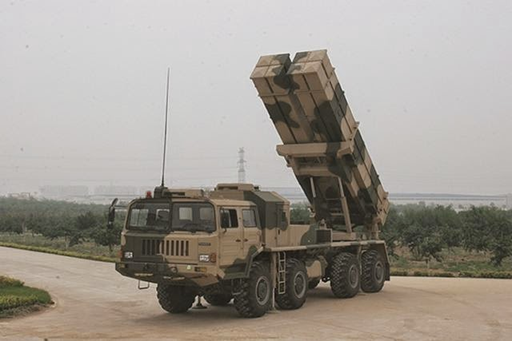
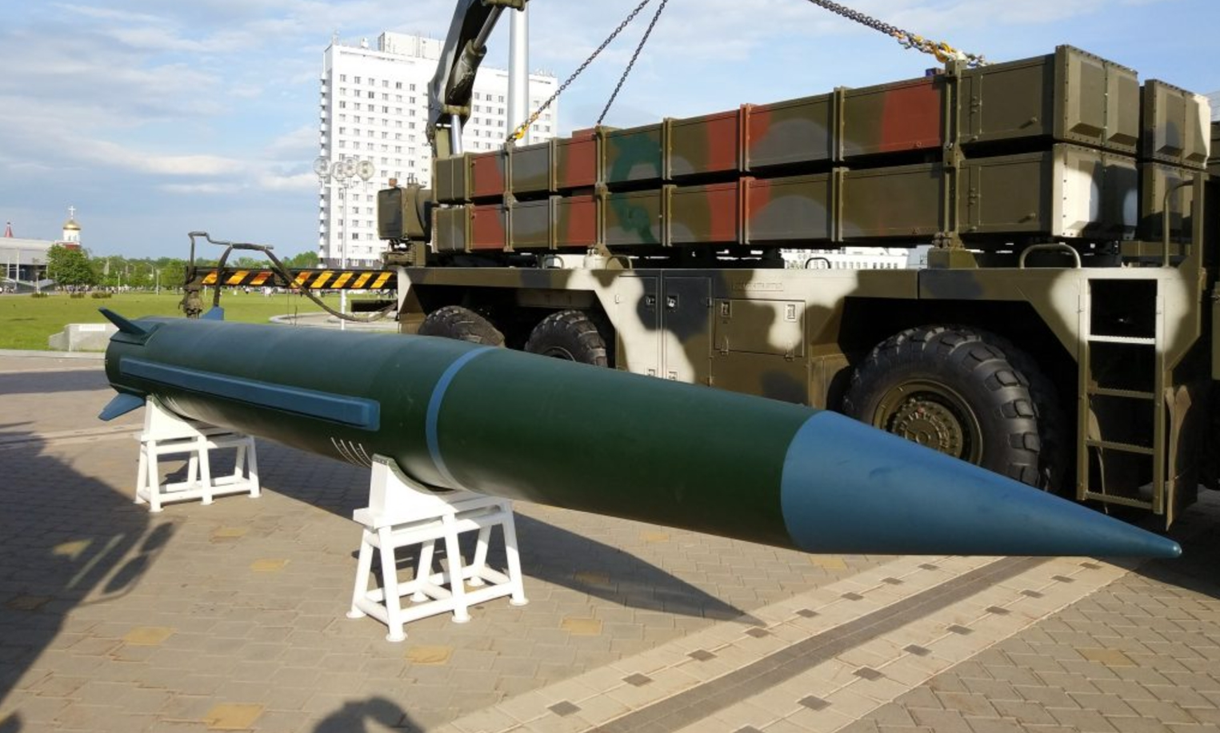
In terms of technical specifications, the Polonez uses 301mm caliber missiles. The basic A200 variant has a range of approximately 200km, while the upgraded A300 variant can reach a range of up to 290km. The system uses a combined inertial navigation system (INS) and satellite positioning (GPS) guidance mechanism, allowing it to maintain a circular error probability (CEP) of between 15 and 30 meters.
Strategic role and technological upgrade process
The Polonez system is currently deployed to the 336th Artillery and Missile Brigade of Belarus in Osipovichi. President Alexander Lukashenko has asserted that the system's capabilities allow it to reach important strategic targets in the border region and nearby command centers.
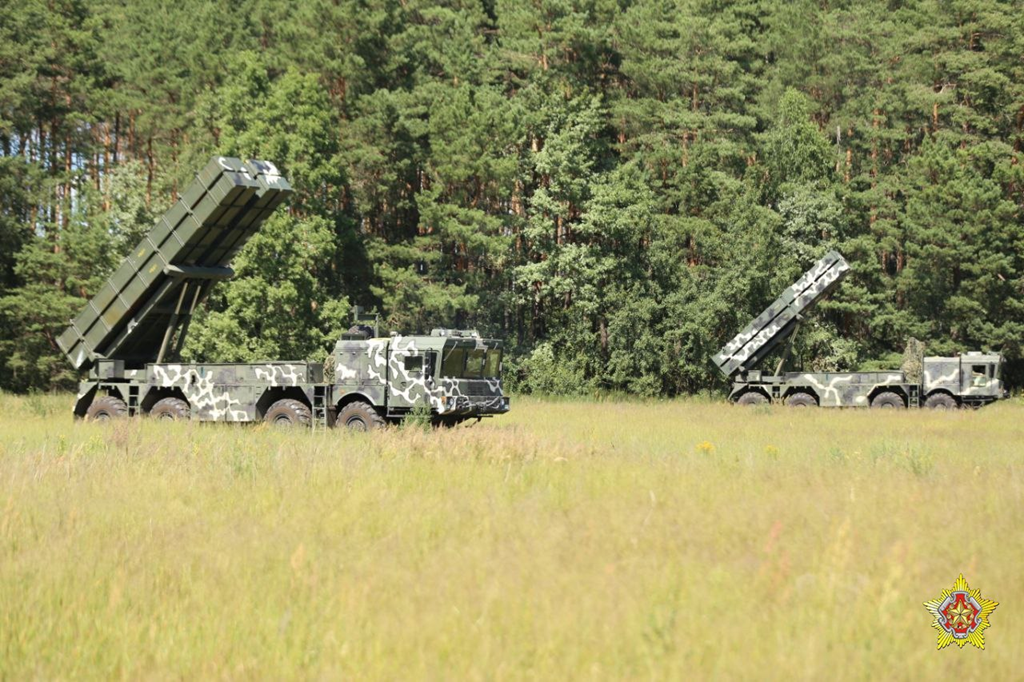
Notably, Belarus has shifted its technological cooperation. After an initial phase of cooperation with China, Minsk is now using Russian technology to develop new variants of the Polonez missile. The Polonez-M variant, which entered service in November 2023, has increased its maximum range to 300km, marking a significant step forward in its long-range guided weapon self-sufficiency.
In conjunction with other tactical missile systems.
Besides Polonez, Belarus also operates Russian-made Iskander-M missile systems with a range of 500km. The fact that Russia already possesses nuclear warheads with explosive yields of up to 50 kilotons for the Iskander provides a crucial technical basis to support Belarus in integrating nuclear warheads into the Polonez system.
The practice of nuclear weapons algorithms in joint exercises demonstrates Minsk and Moscow's efforts to synchronize nuclear warfare procedures, from preparation and storage to missile launch commands from diverse platforms.


