
Nghe An Friendship General Hospital saves the life of a foreign patient suffering from acute myocardial infarction.
Nghe An Friendship General Hospital has successfully performed a coronary intervention to save the life of a 37-year-old male patient of Chinese nationality who was admitted with a critical acute myocardial infarction.
The patient was admitted on April 9, 2026, with typical symptoms: pain and tightness in the left chest radiating to the shoulder and left arm, accompanied by shortness of breath. Medical history revealed the patient had smoked for many years – a significant risk factor for coronary atherosclerosis and early cardiovascular events.
Upon admission to the hospital, doctors in the Emergency Department promptly implemented the myocardial infarction emergency protocol, coordinating clinical examination, electrocardiogram, necessary tests, and consultation with cardiologists. The results confirmed: The patient suffered from acute anterior myocardial infarction – a dangerous condition that can rapidly progress to cardiogenic shock and has a high mortality rate.
Acute myocardial infarction is one of the leading causes of death globally. With cardiovascular diseases increasingly affecting younger people, early detection and timely intervention are crucial to the survival and quality of life of patients.
The patient was scheduled for emergency coronary angiography using a digital subtraction angiography (DSA) system via the right radial artery – a modern, minimally invasive method that shortens intervention time and reduces complications.
.jpg)
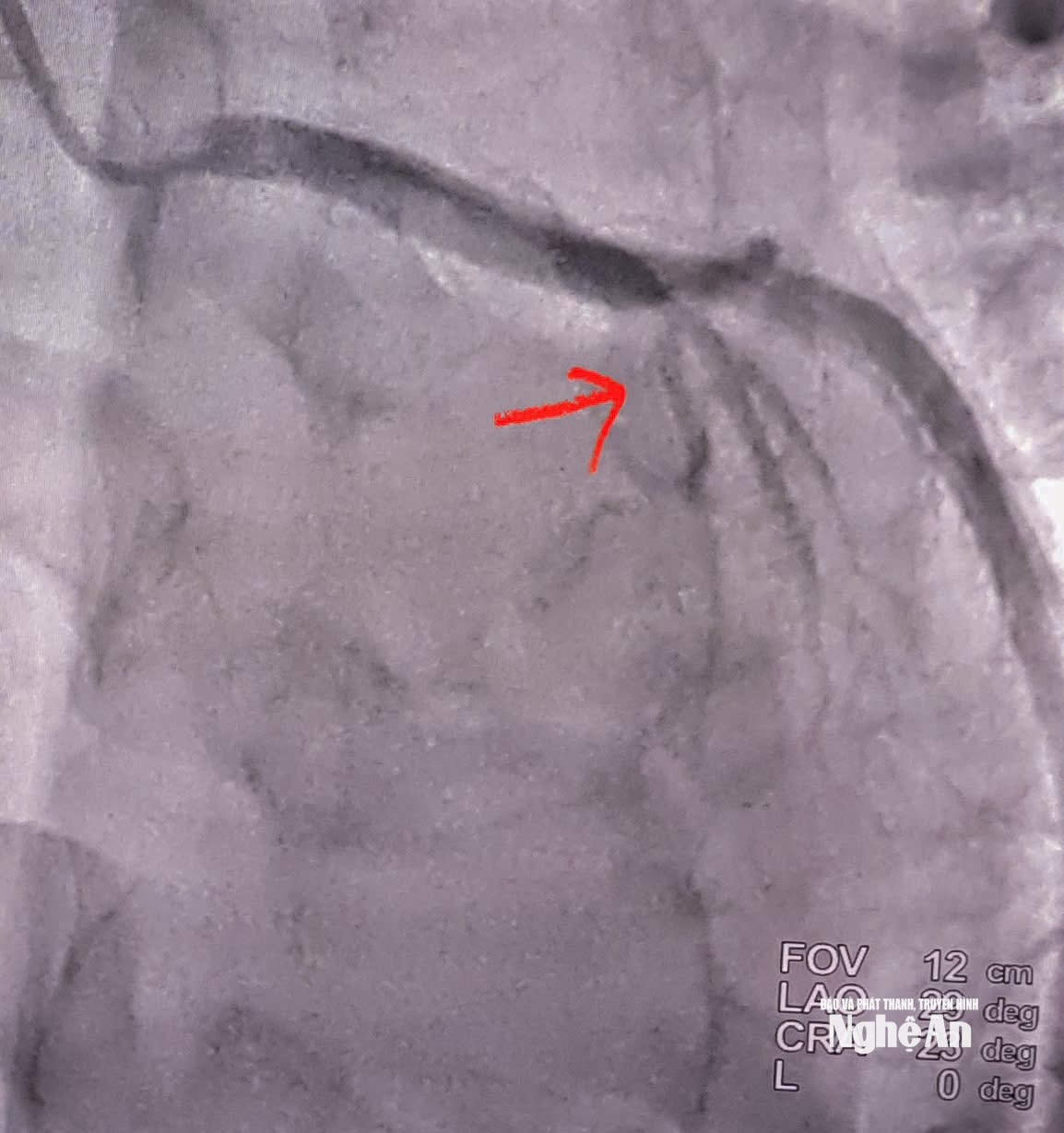
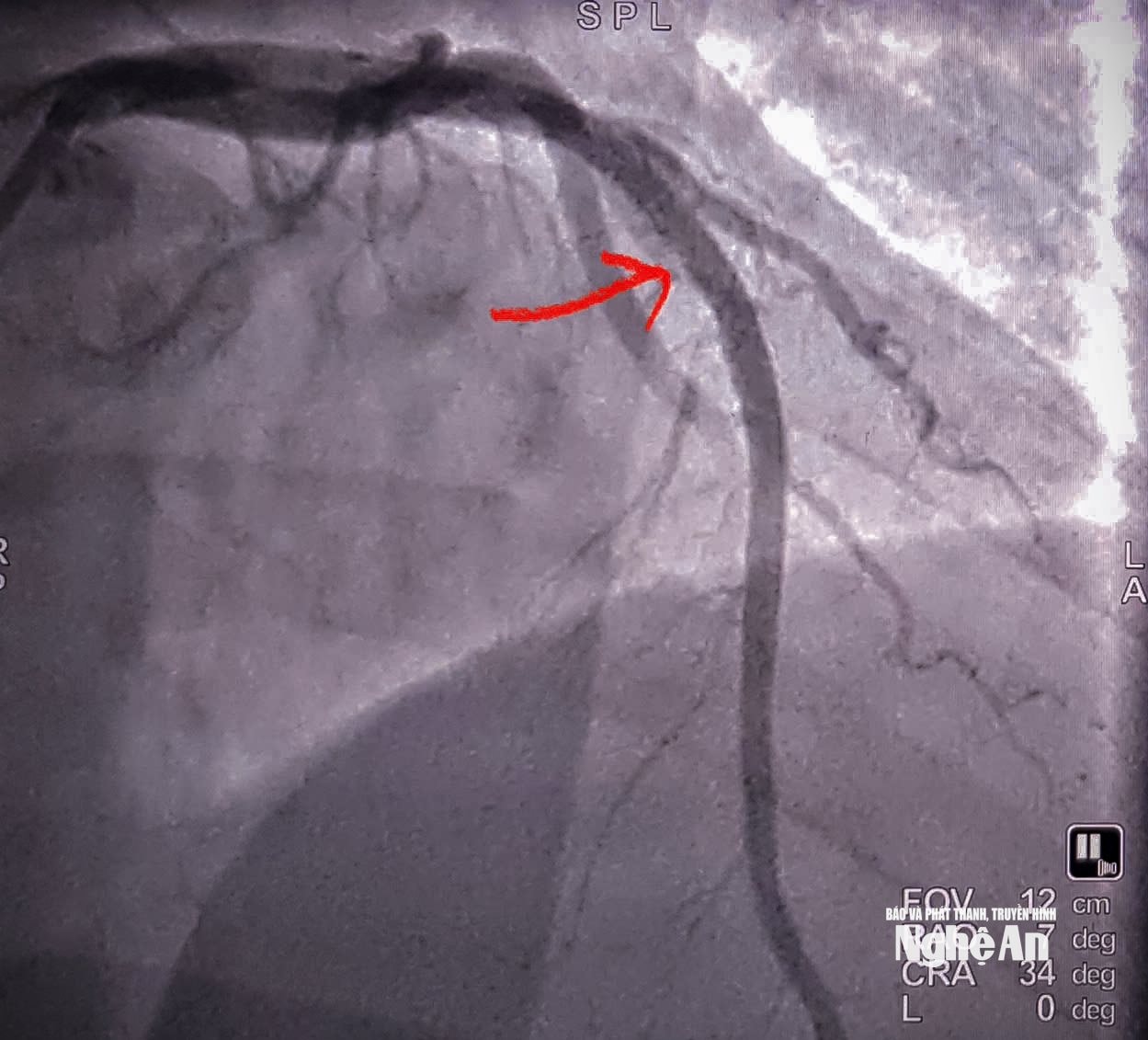
Angiography revealed complete occlusion of the anterior interventricular artery segment II (LAD II) – a crucial coronary artery supplying blood to a large portion of the left ventricular myocardium. The interventional team promptly performed balloon angioplasty and placed a drug-eluting stent at the site of the lesion. The procedure was successful, blood flow was restored immediately after the intervention, and the myocardial ischemia improved significantly.
In the emergency management of myocardial infarction, time is of the essence. Every minute that passes means a portion of the heart muscle is damaged. The sooner coronary revascularization is performed, the greater the chance of preserving heart function.
Following the intervention, the patient received intensive medical monitoring and treatment. Thanks to timely revascularization and the application of modern interventional techniques, the patient recovered quickly, experienced significant pain relief, and did not develop any serious complications. After 4 days of treatment, the patient's condition stabilized, vital signs were within acceptable limits, and the patient was discharged.
This case of the 37-year-old patient is clear evidence of the trend of myocardial infarction occurring in younger people. Previously, the disease was commonly seen in older adults; however, it is now increasingly appearing in younger patients, especially those with multiple cardiovascular risk factors.
Risk factors such as smoking, prolonged stress, unhealthy diet, and lack of exercise are contributing to the increasing incidence of cardiovascular disease in young people.
Experts recommend:
People should not be complacent about symptoms such as chest pain, shortness of breath, sweating, nausea, etc. When suspicious signs appear, they should immediately go to a medical facility capable of cardiovascular intervention for timely treatment to avoid serious complications.
The success of the intervention not only saved the patient's life but also affirmed the professional competence and mastery of advanced techniques of the medical team of the Cardiology Department 2 in particular and Nghe An Friendship General Hospital in general.
Investing in a modern DSA system and a team of well-trained doctors has enabled the hospital to effectively implement many advanced cardiovascular techniques, contributing to improved treatment quality and reducing the burden on central-level hospitals.


