
Nghe An Psychiatric Hospital reviews the records of nearly 200 psychiatric patients in one commune.
Information that nearly 200 people in one commune in Nghe An province are being managed as mental patients has caused a stir in public opinion. Many believe this number is "unusual," especially since many on the list are still working and living normally like everyone else. The question arises: Is the process of assessing, documenting, and managing mental patients at the facility being carried out according to regulations?
In response to these concerns, the Nghe An Department of Health directed the Provincial Psychiatric Hospital to review all records and procedures for managing and treating psychiatric patients in the locality. Initial inspection results showed no signs of irregularities in the assessment and management of patients in Xuan Lam commune.
No abnormalities have been detected.
On January 31st, Dr. Ho Giang Nam, Director of the Nghe An Psychiatric Hospital, stated that immediately after receiving instructions from the Department of Health, the unit established an inspection team led by a deputy director. The team worked with the Thanh Chuong Health Center, local authorities, and reviewed all patient records related to mental health at six health stations in Xuan Lam commune.
Previously, the Nghe An Department of Health received reports that Xuan Lam commune had an unusually high number of mental health patients. Notably, some individuals on the list were still living and working normally, raising suspicions about the accuracy of the assessment process as well as the creation and management of patient records at the facility.
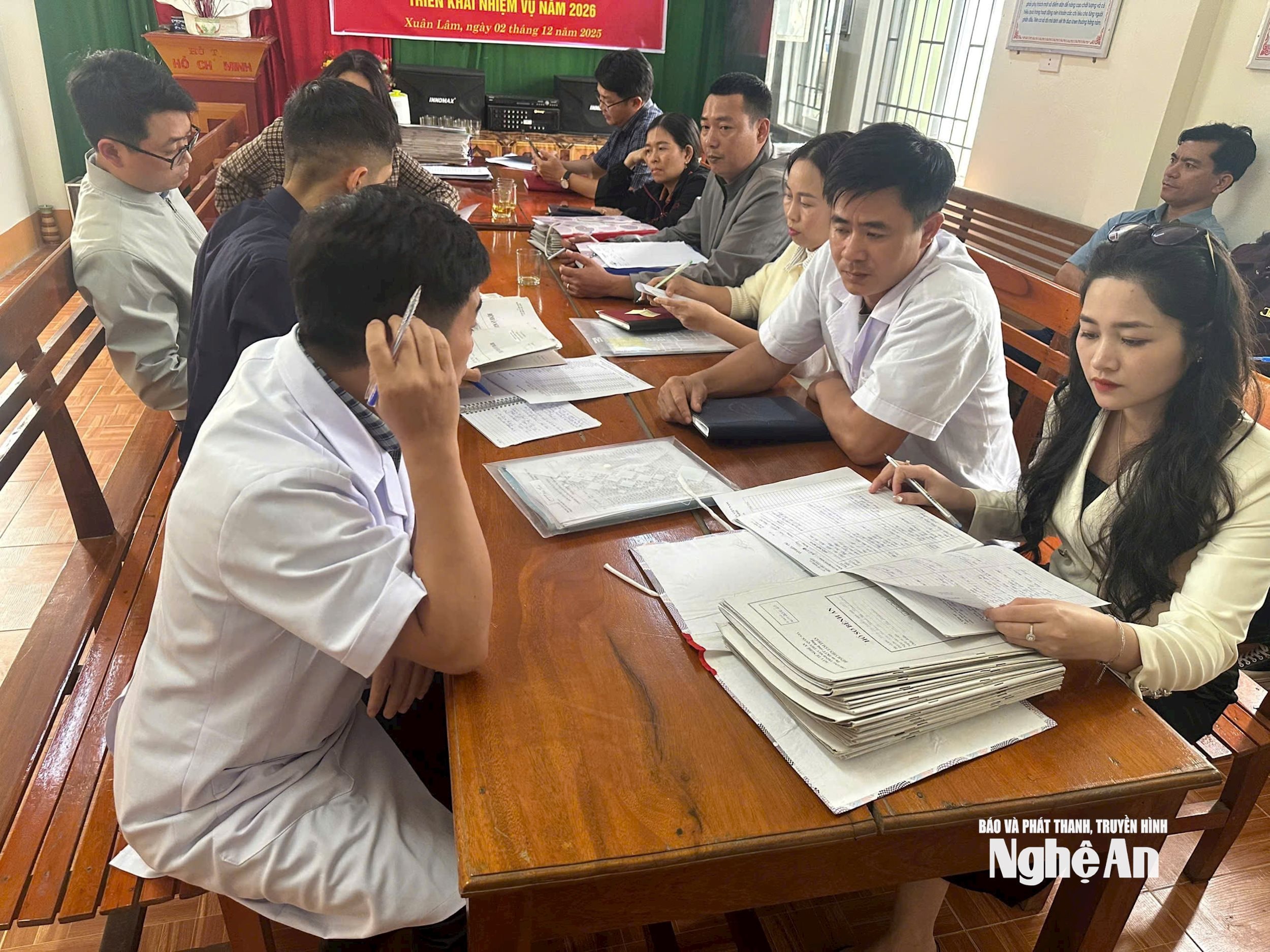
According to the review results, there are currently 10,515 mental health patients being managed in the community in Nghe An province. Of these, 7,495 are schizophrenic patients and 3,020 are epilepsy patients… Specifically, in Xuan Lam commune, there are 6 health stations managing mental health patients in the community, totaling 193 people. Specifically, Ngoc Son Health Station manages 35 patients; Xuan Tuong 18 patients; Thanh Duong 23 patients; Thanh Luong 29 patients; Thanh Yen 39 patients; and Thanh Khai 49 patients.
"Upon checking the records at the health station, all cases have complete management files and are issued proper tracking books. The majority of patients are receiving regular medication at the health station," Mr. Ho Giang Nam informed.
Xuan Lam commune currently has over 40,450 people. With 193 mentally ill patients under management, the percentage of people suffering from mental illness is approximately 0.47%.
According to expert assessments, this figure is consistent with the general distribution of mental illness within the population. In fact, in many localities with similar population sizes, the percentage of people with mental illness managed within the community also fluctuates at a similar level. Looking at absolute numbers for comparison, without considering the demographic context and specific characteristics of the area, can easily create the impression of an "unusually high" figure, as some in the public fear.
Why do many patients continue to live and work normally?
One of the reasons for public concern is that many people diagnosed with mental illness are still able to live and work normally. This has raised questions about the accuracy of diagnosis and patient record keeping.
According to Dr. Ho Giang Nam, the ability to work or live a stable life is not a basis for asserting that a person does not suffer from mental illness. On the contrary, this may be the result of proper treatment and effective management in the community.
According to the World Health Organization (WHO), approximately 30% of schizophrenia patients, if they take their medication regularly, will recover their social functioning and be able to return to work. For epilepsy patients, between seizures, they are fully conscious, have normal awareness, and can live and work like other people.
.jpg)
Local experience shows that many patients, after inpatient treatment and regular monitoring and medication at the commune health station, have maintained a stable condition. Their participation in productive work and family life does not necessarily mean complete recovery, but rather reflects the effectiveness of mental health treatment and management in the community.
At Thanh Khai Health Station, Mr. Nguyen Doan Xuan, the head of the station, said that the unit is currently managing 49 mental health patients. Of these, 46 cases are receiving monthly social welfare benefits.
"All cases received inpatient treatment at Nghe An Psychiatric Hospital before being transferred to community-based management. Diagnosis was made through professional consultations. During the monitoring process, no cases showed any abnormalities in their records," Mr. Xuan said.
A specific case is Mr. Nguyen Dinh Thuc (73 years old, residing in Hung Thinh hamlet, formerly Thanh Khai commune). Previously, whenever he had an episode of the illness, he would wander aimlessly throughout the province, unable to control his behavior. However, thanks to adhering to the treatment protocol and taking his medication regularly, in recent years he has been able to work and live a normal life at home.
Besides Mr. Thuc, both his son and daughter also suffer from mental illness and are currently receiving social welfare benefits. Each of his children receives 750,000 VND per month, while Mr. Thuc, being over 60 years old, receives 1 million VND per month.
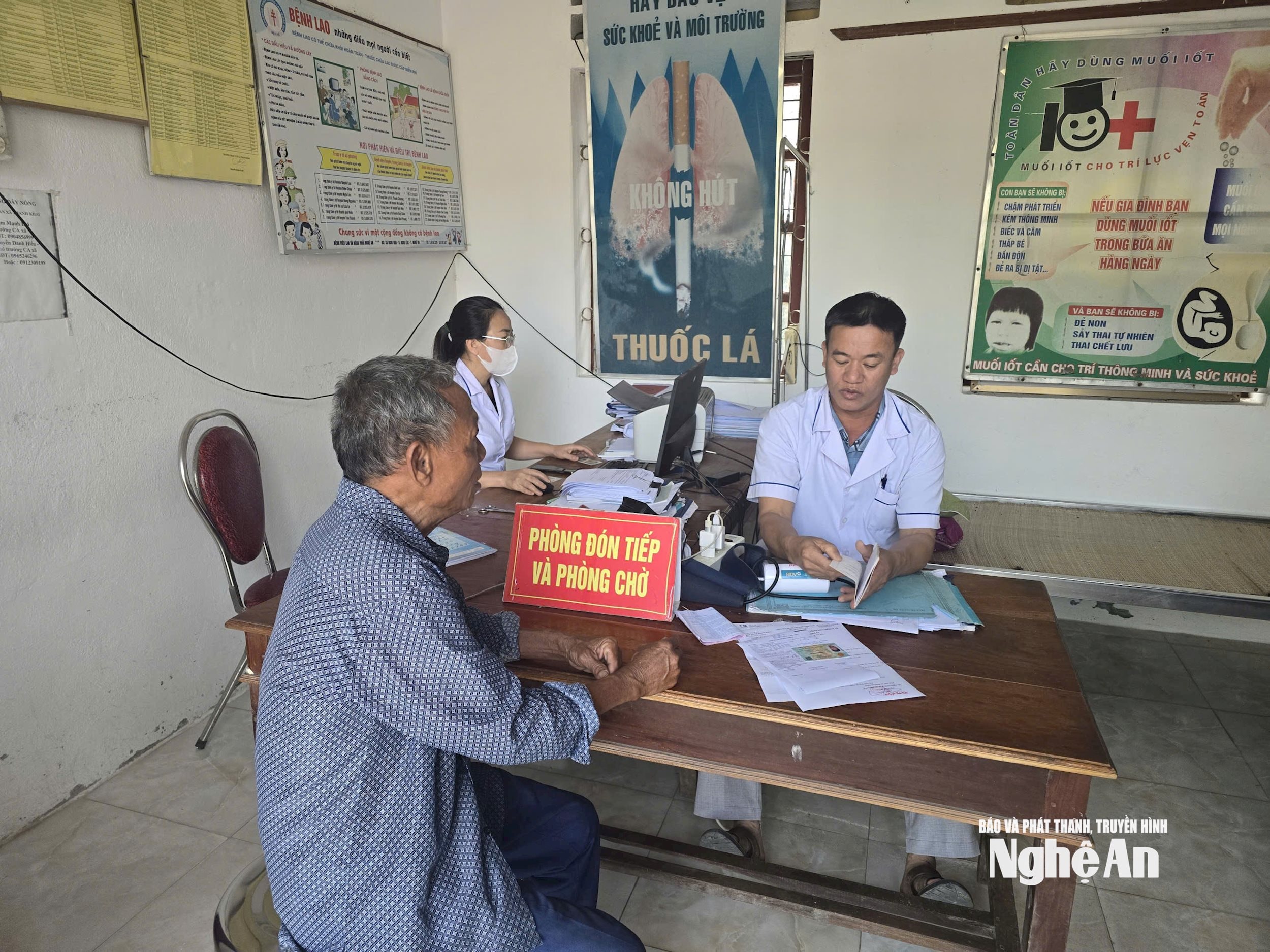
Procedures for identifying and managing psychiatric patients.
According to Nghe An Psychiatric Hospital, the examination, diagnosis, treatment, and management of mental health patients in the community throughout the province are carried out according to strict procedures and in compliance with professional regulations.
Prior to 2013, the management of mental health patients in the community was implemented through targeted programs, but there was no uniformity in the form of patient records. Since 2013, this process has been adjusted to be more rigorous. Cases suspected of mental illness must undergo professional consultation before a definitive diagnosis is made; after inpatient treatment, patients are provided with medical records, outpatient treatment logbooks, and transferred to the commune health station for monitoring and management in the community.
For cases treated at central-level psychiatric facilities but with permanent residence in Nghe An, the hospital conducts a review, creates records, and manages them locally in accordance with regulations. Prior to 2020, the hospital also conducted community-based screening for patients to create medical records under the national target program and manage and treat them in the community. However, these patients were not issued outpatient treatment records.

According to Dr. Ho Giang Nam, Director of Nghe An Psychiatric Hospital, after reviewing records in Xuan Lam commune, the hospital has not detected any signs of exploiting policies or violations in the assessment, record keeping, and management of mental health patients.
These results show that the fact that some mental health patients can still work and live normally does not mean they are not ill, but rather reflects the effectiveness of treatment and management in the community. In the context of public concern, it is necessary for specialized agencies to proactively investigate, publicly disclose results, and clearly explain professional issues so that people understand the true nature of the situation.


