
The mystery of the brightly decorated trucks in Pakistan.
In Pakistan, every inch of space on truck parts such as the steering wheel, seats, windows, frame, and chassis is decorated by drivers with landscape motifs, horses, peacocks, fish, flowers, and plants. They believe that the more beautiful the artwork, the more successful and lucky their work will be.
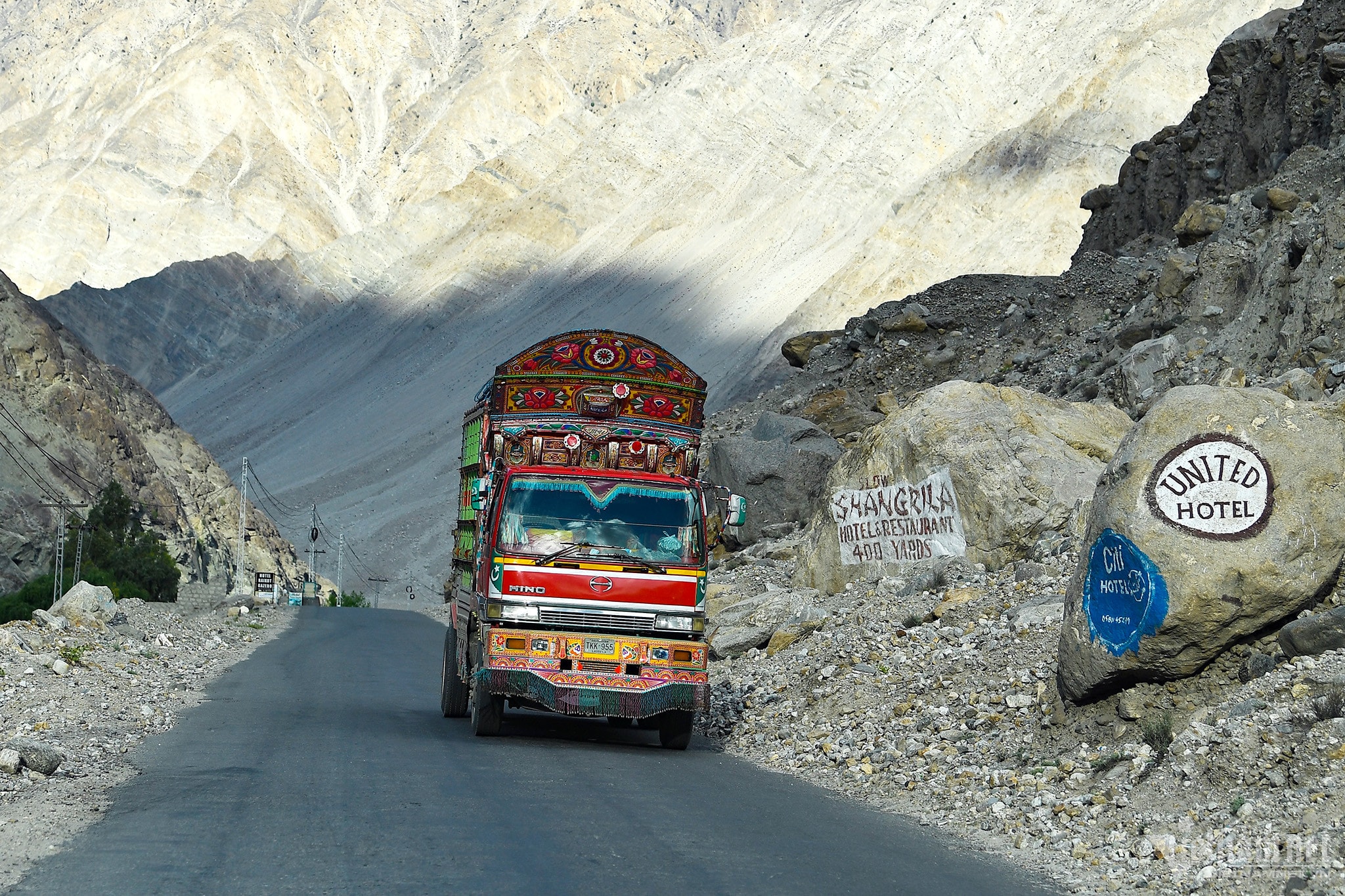
Upon arriving in Pakistan, tourists will easily encounter Taj trucks (or Jingle Trucks) decorated with colorful patterns. Many Vietnamese people even feel a "shiver" when they see them for the first time.

The tradition of painting and decorating trucks in this country dates back to the 1940s when Sikh drivers painted portraits of their religious leaders and figures, then added images of landscapes, winged horses, peacocks, fish, flowers, etc., to the inside and outside of their trucks to show respect and pray for safe journeys.
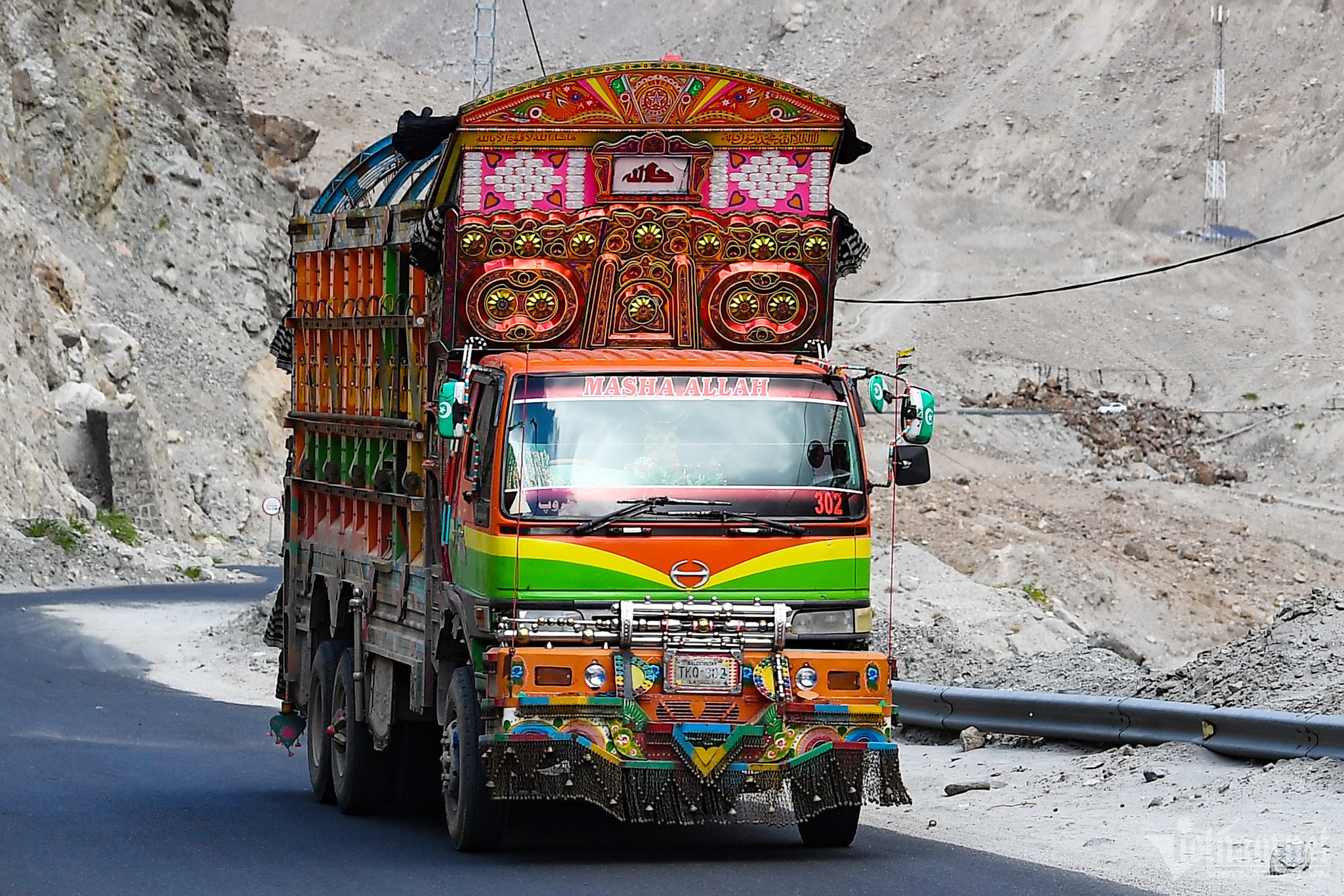
To produce the decorative shells, Pakistanis use a combination of materials such as iron, wood, paint, plastic, and fabric upholstery. These materials are combined to create unique and eye-catching designs.
This stage takes about a month and requires more than a dozen workers. After completing the frame, the workers proceed to weld the parts onto the vehicle.
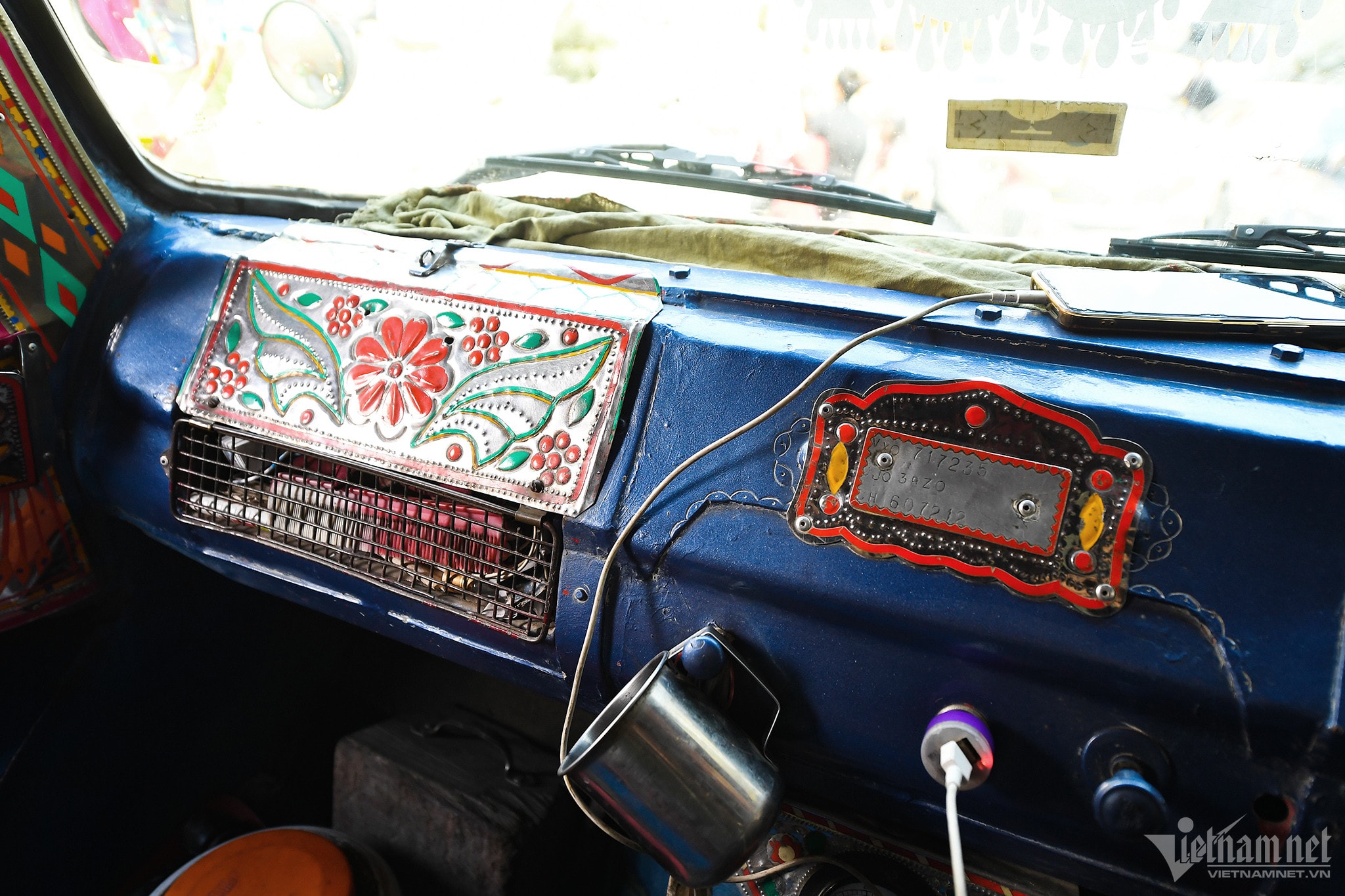
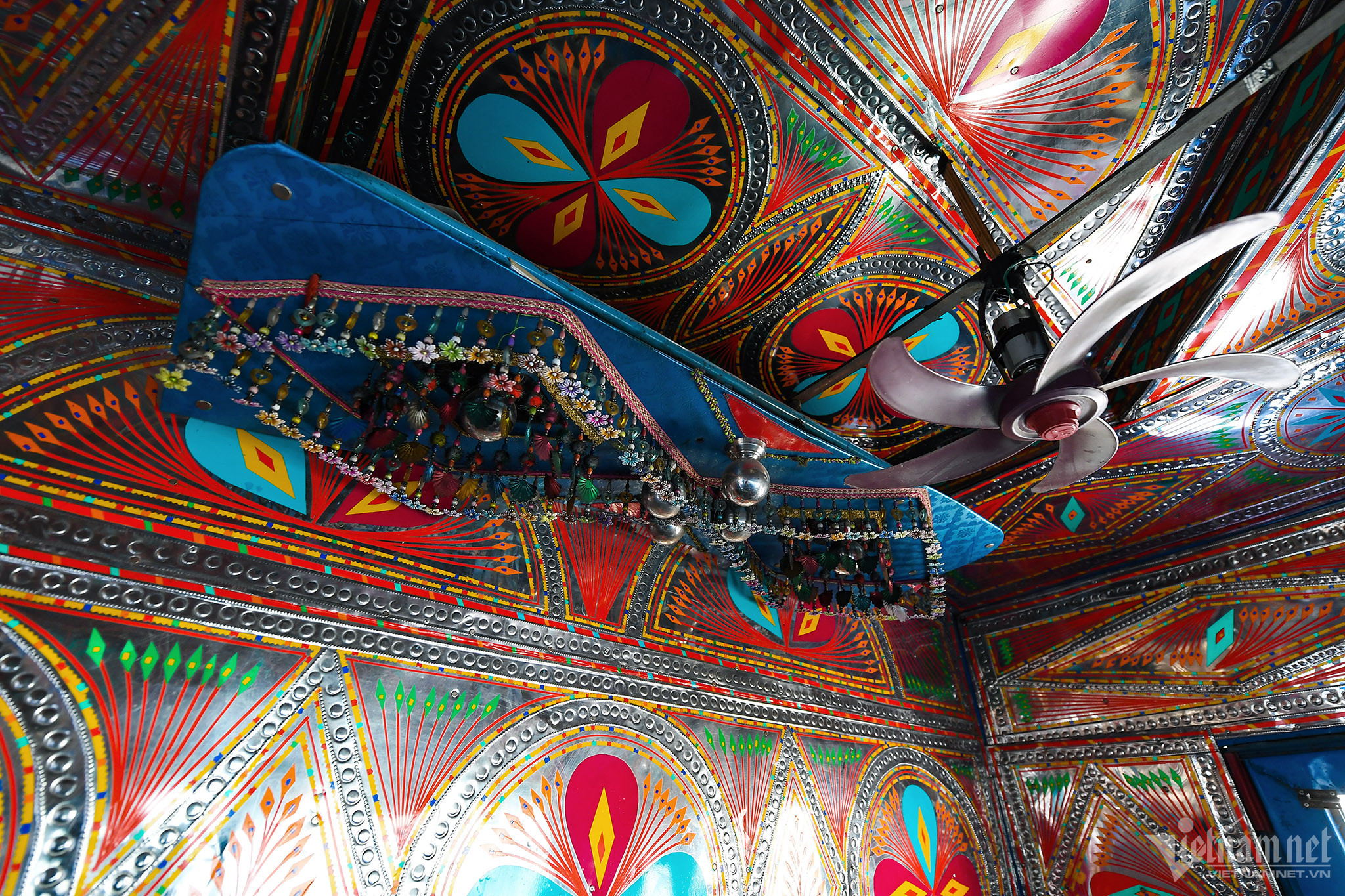
Stepping inside the cramped cockpit, one easily notices that every inch of space—from the steering wheel and seats to the window edges—has been meticulously crafted. Poems and religious stories are depicted in exquisite detail, transforming each vehicle into a unique work of art.
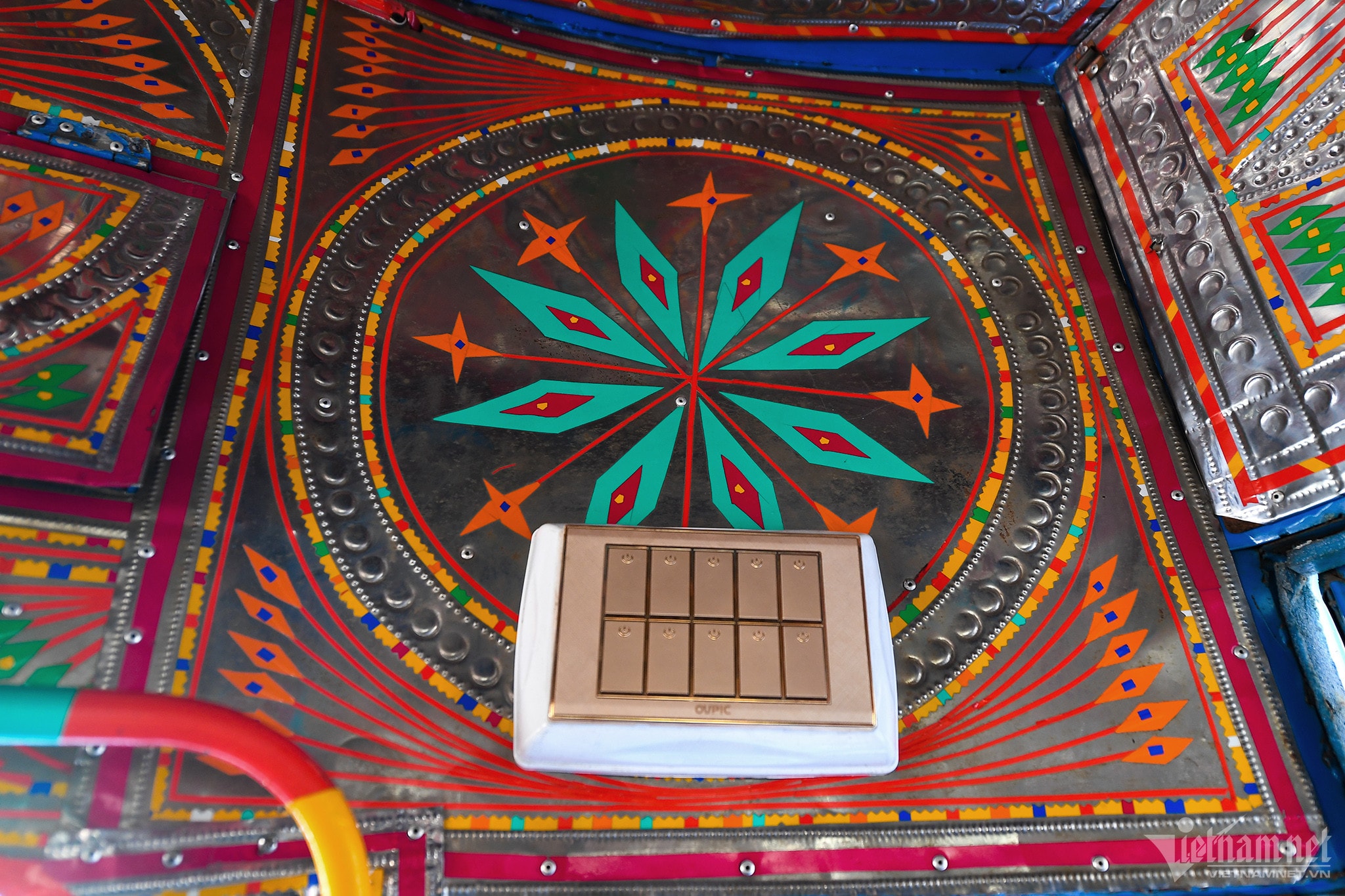
The art of truck decoration in Pakistan began to gain worldwide popularity in the 1970s when international tourists, finding it unusual, showed it off to their friends and relatives.
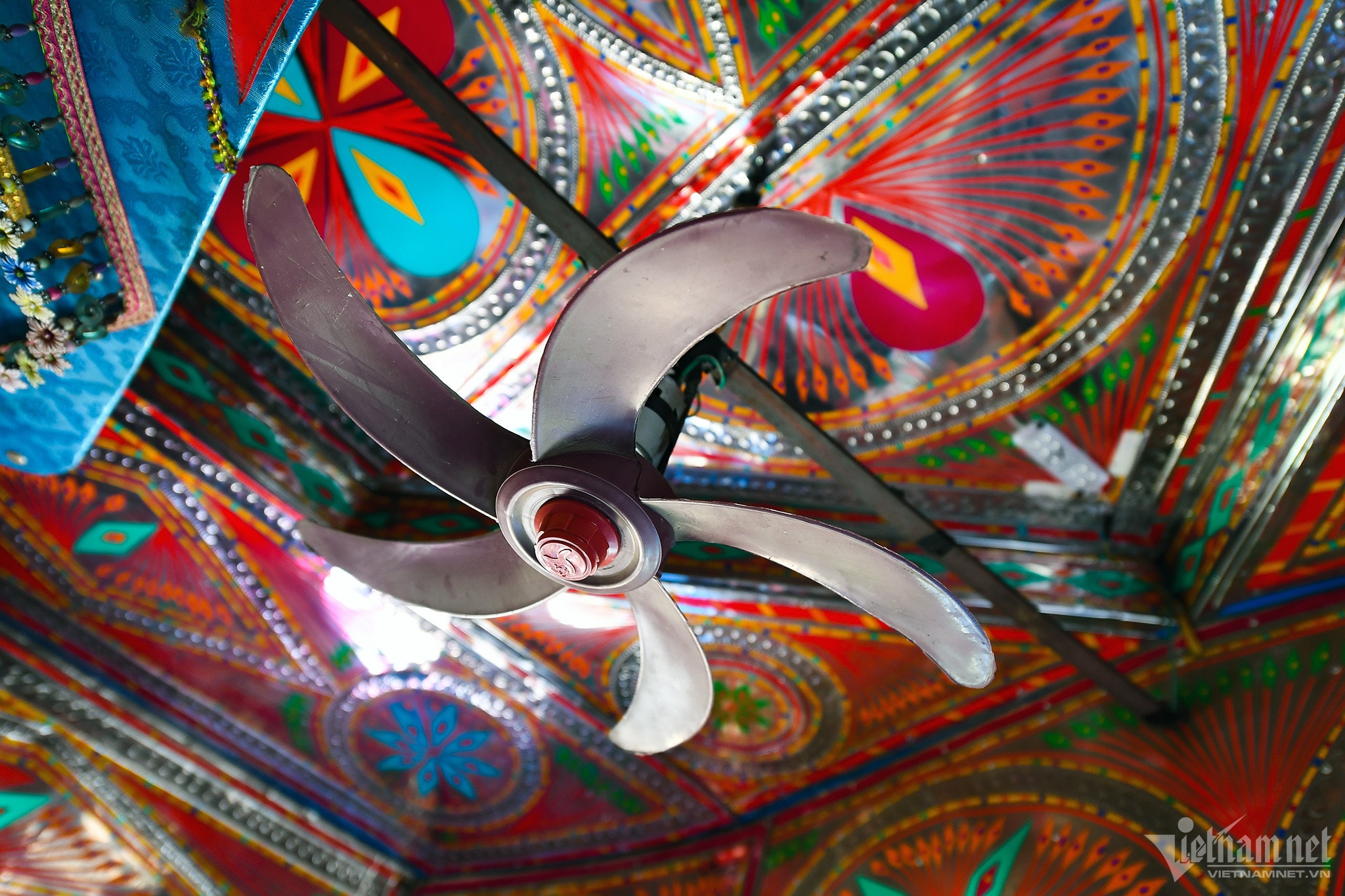
In a book about their journey from Türkiye through Iran to South Asia, titled "Paradise," the group of hippie youths from Europe and America also expressed surprise at these unfamiliar sights.
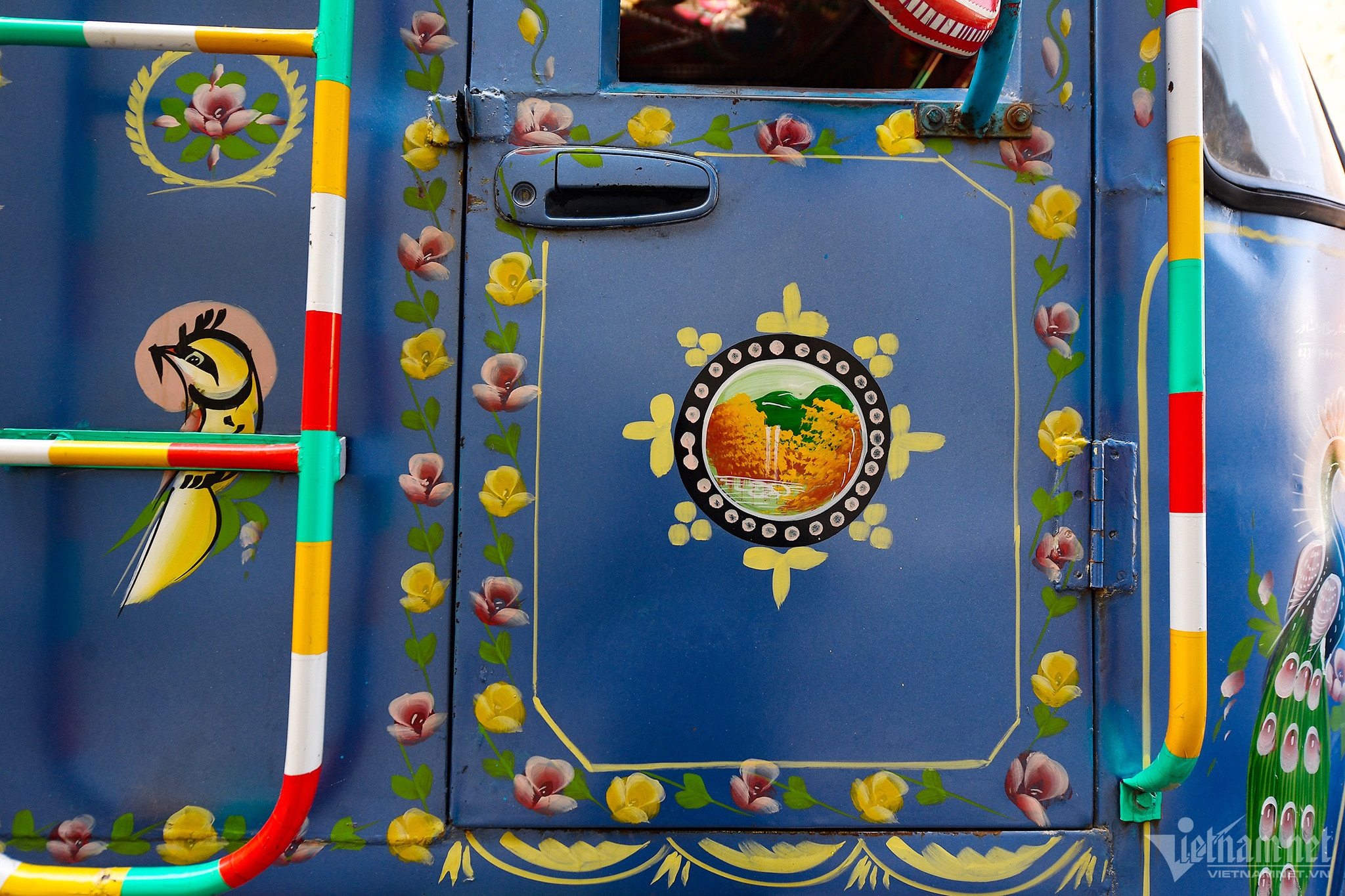
Recently, Pakistanis have been decorating their trucks in increasingly diverse ways. Besides portraits of gods or spiritual leaders, Pakistanis are also adding paintings of their favorite characters.
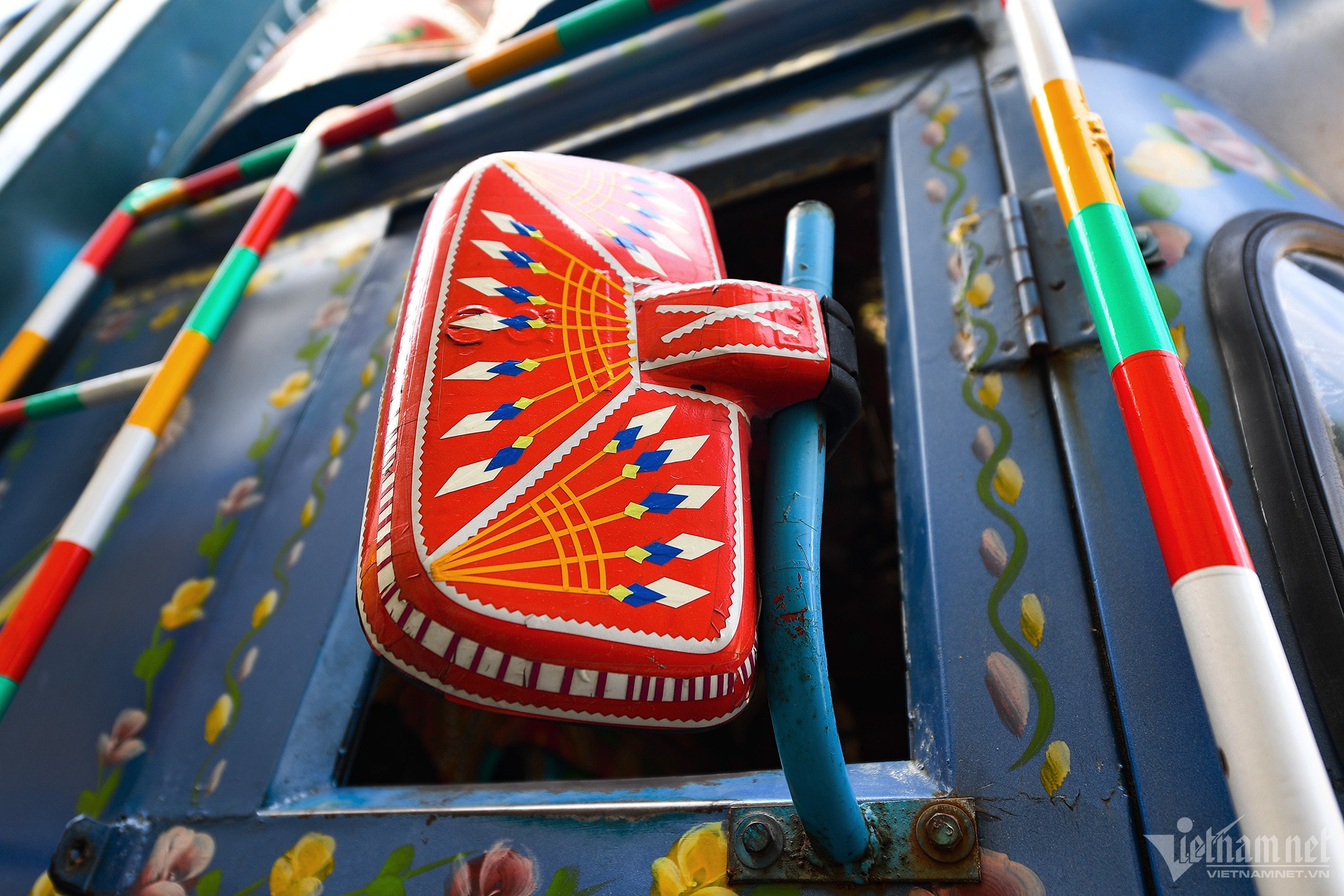
Not a single space is wasted; even the rearview mirrors are meticulously decorated with intricate trim.
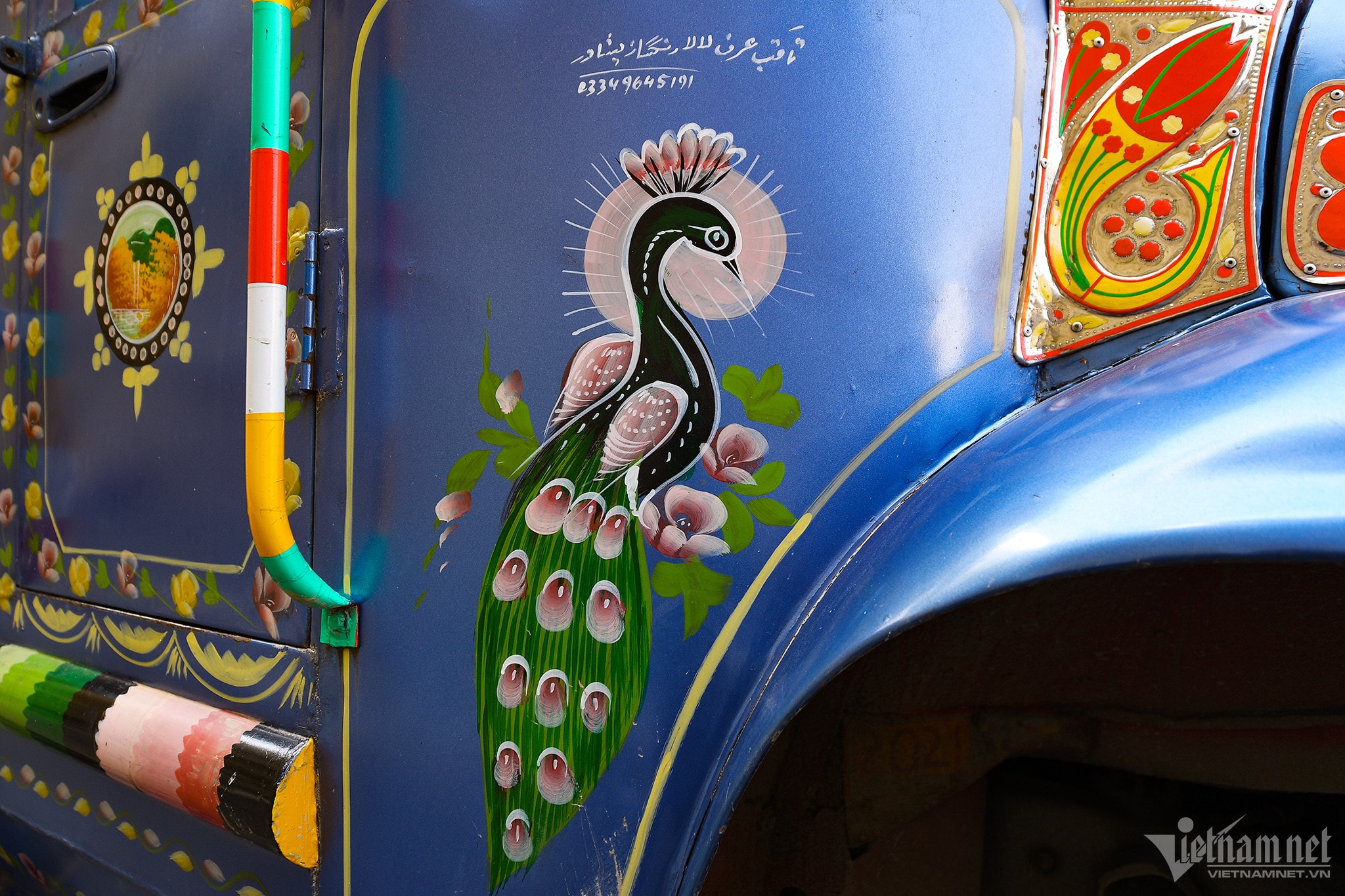
In addition, the truck bed or barrier is decorated with bells and strings of fabric. When the truck rolls along, the jingling sound is very pleasant to the ear, along with the colorful fabric strings fluttering in the wind.
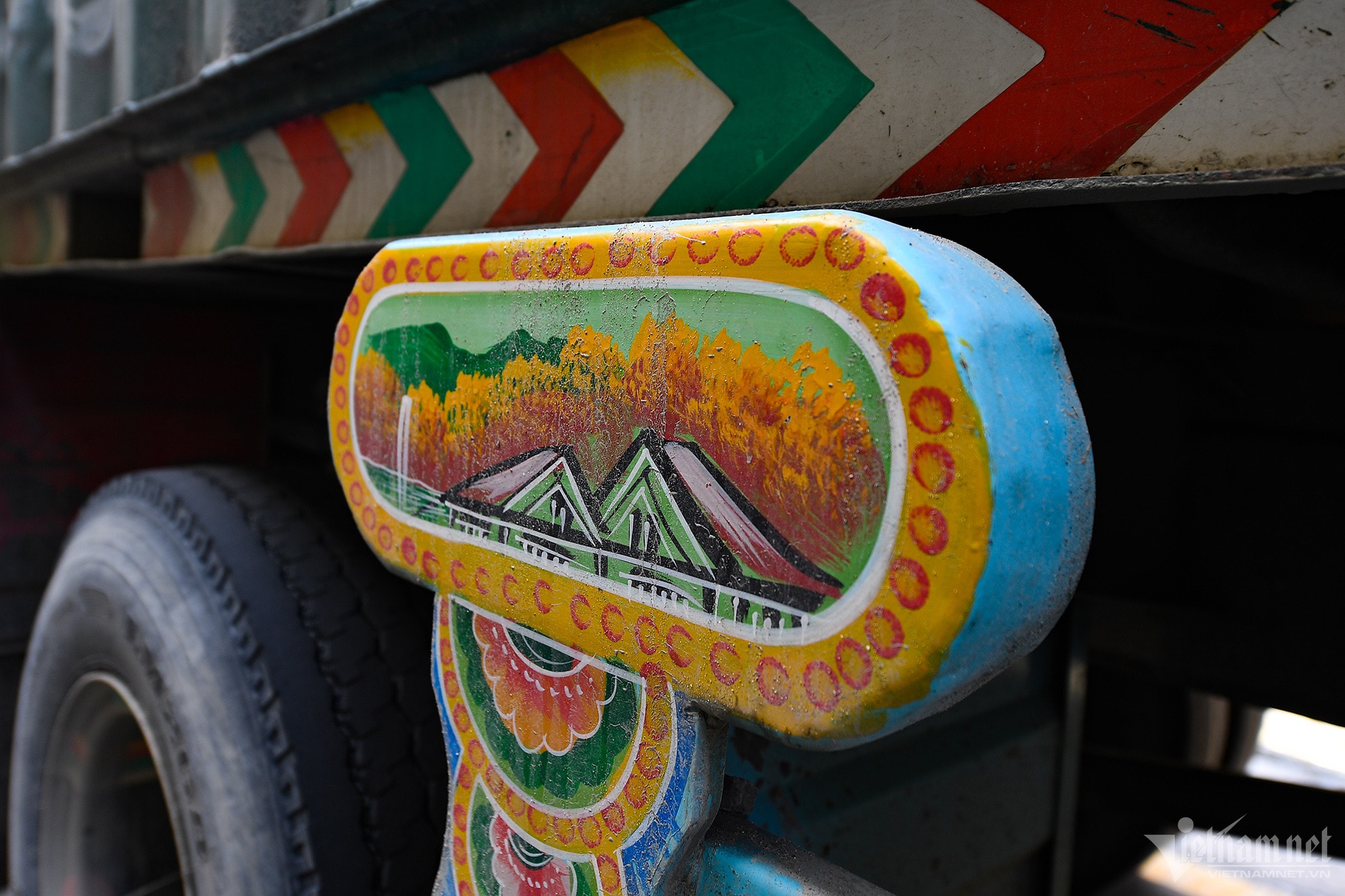
Each part is decorated differently in a style that varies depending on the region. For example, truck drivers in Balochistan and Peshawari tend to use a lot of wood, while in Rawalpindi and Islamabad the decorative elements for the vehicles are often made of plastic.
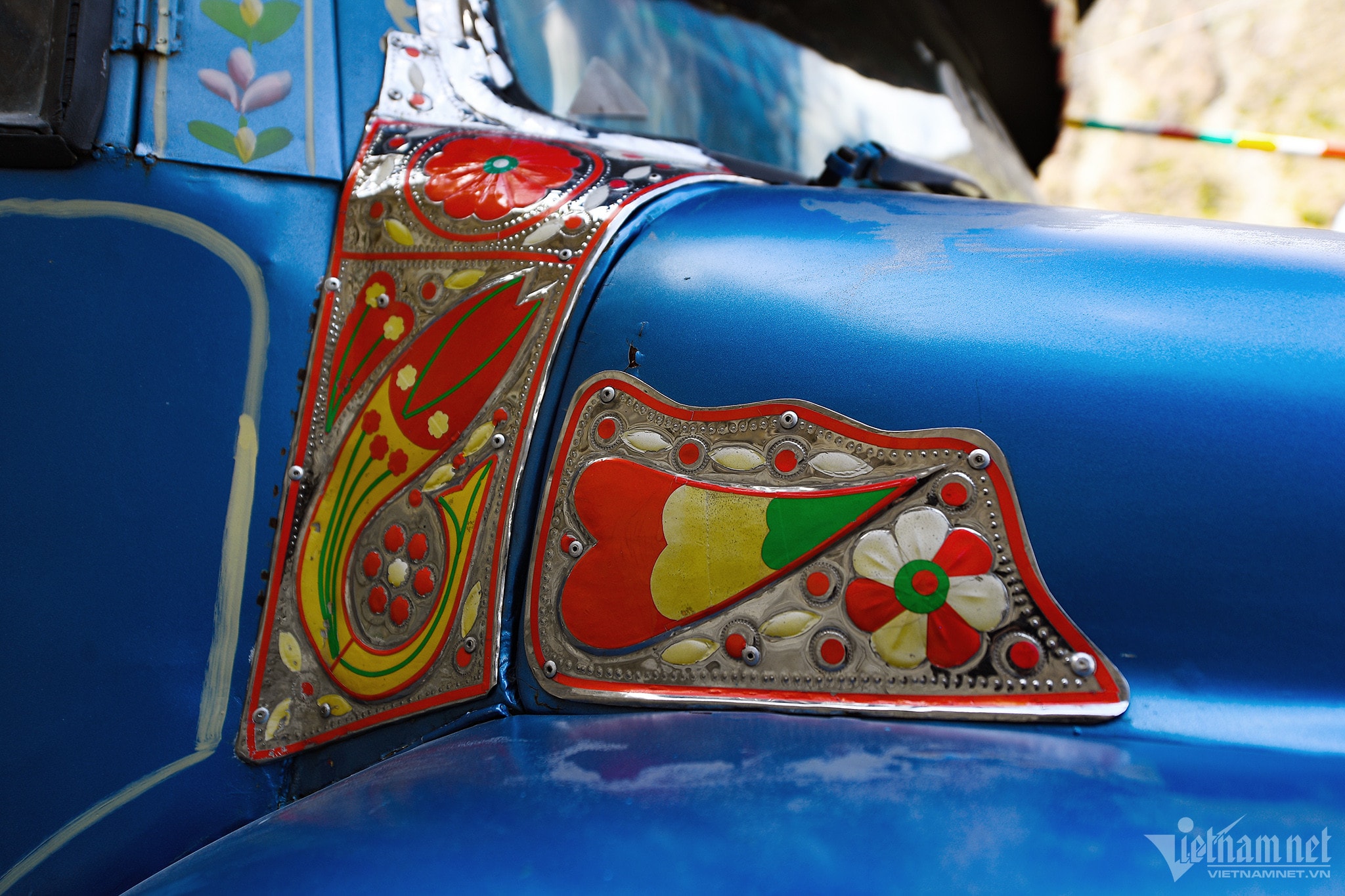
It is known that the art of decorating trucks here also greatly influences the businesses of the locals. They believe that the more beautiful the truck, the greater its potential for development.
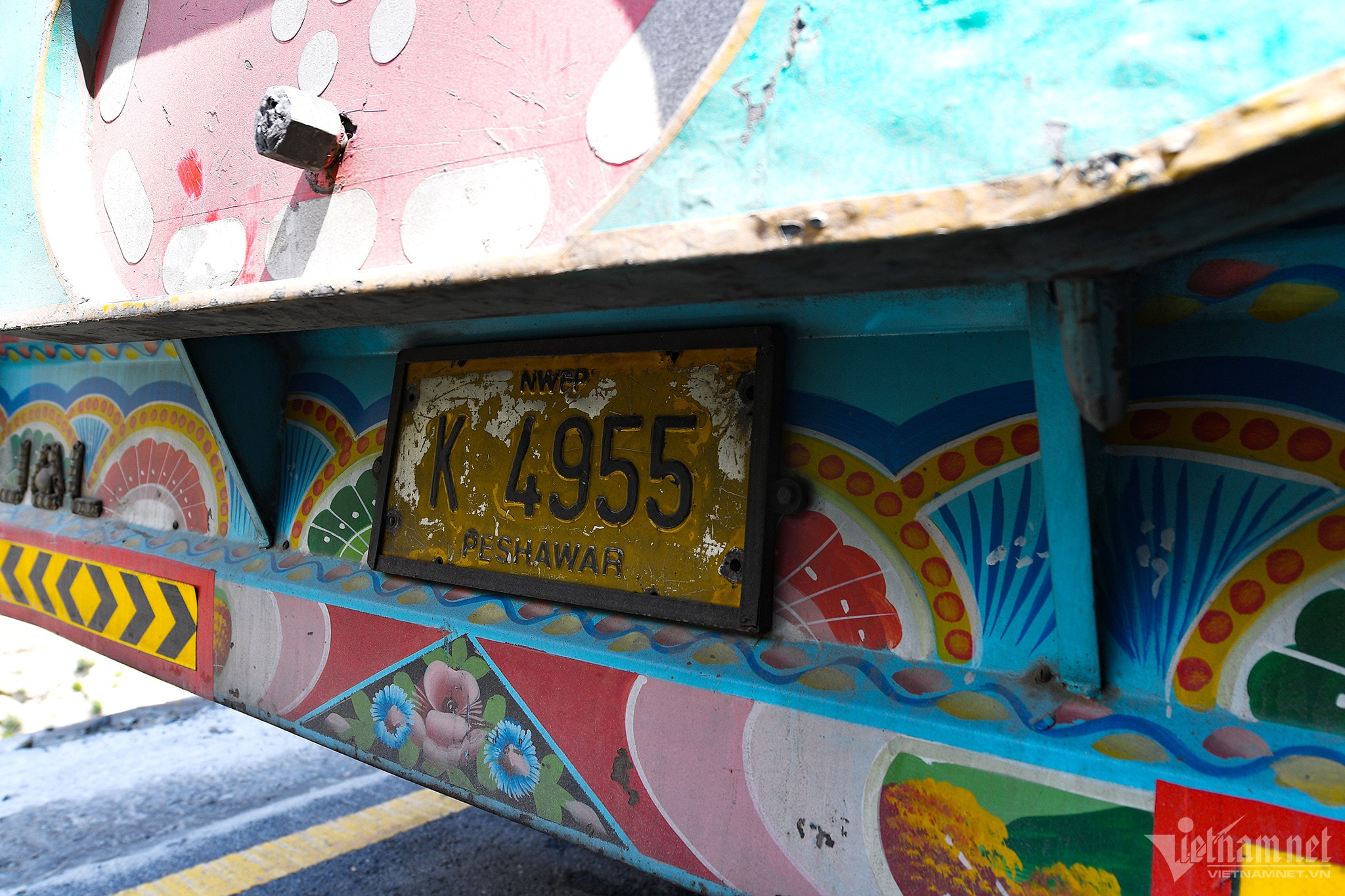
To decorate an entire car, drivers have to spend between $3,000 and $5,000. This has long been a distinctive cultural feature not only in Pakistan but also in several Central Asian countries.


