
Secrets to photographing robins: Techniques for getting sharp images.
To capture stunning robin photographs, preparing a telephoto lens, creating a natural setting, and mastering camera settings are key factors.
Requirements for specialized equipment
To capture clear and detailed photos of robins, using a telephoto lens is essential. Due to their small size and shy nature, a lens with a focal length of 300-400mm will allow you to take close-up shots without disturbing them. Additionally, to ensure sharp and shake-free images, a tripod is indispensable. Using a ball head on the tripod will allow you to adjust the camera angle more quickly and flexibly, ready to capture every moment.
Creating a natural setting
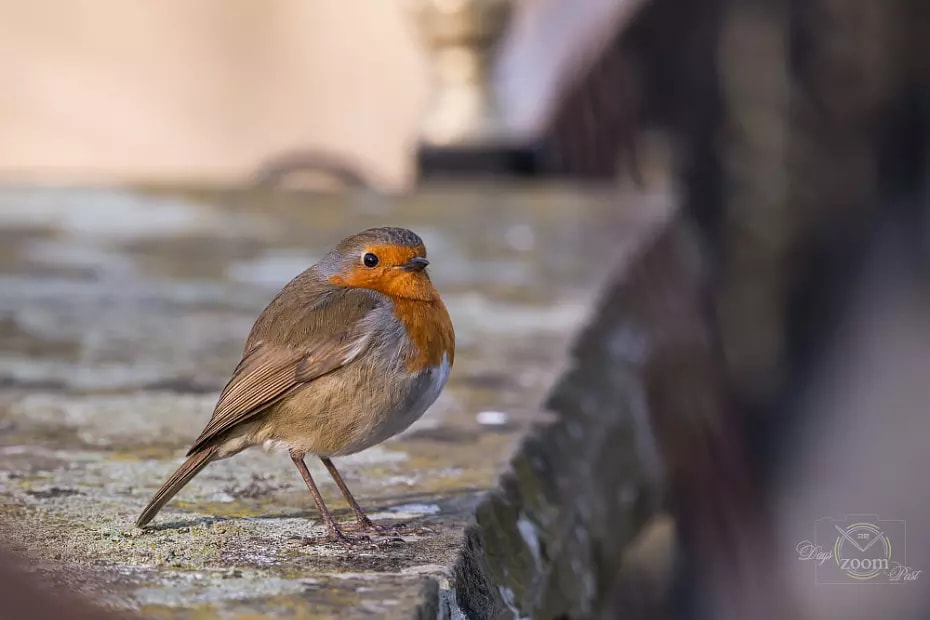
To attract robins to your garden, set up feeders with a variety of foods such as seeds, peanuts, and grease balls. Rosbins are particularly fond of mealworms and berries. Place aesthetically pleasing branches near the feeders to encourage them to perch before eating, creating opportunities for more natural-looking photos. Garden furniture or other tools can also serve as ideal perches, especially when covered in a layer of frost or snow. Additionally, pay attention to the background. A shady green hedge will create a natural and beautiful backdrop, helping to highlight the subject.
Master the parameters to get sharp photos.
Rostrums move very quickly and rarely stand still completely. Therefore, you need to set a shutter speed high enough to "freeze" their movement and keep the image sharp. An aperture of around f/8 is a good starting point to ensure both the beak and tail of the bird are in focus, while still creating a moderate bokeh effect. Don't hesitate to increase the ISO in low-light winter conditions to achieve the desired shutter speed. Regularly use the LCD screen and zoom in to check the sharpness of the image, especially in the eye and beak areas.
Patience and timing
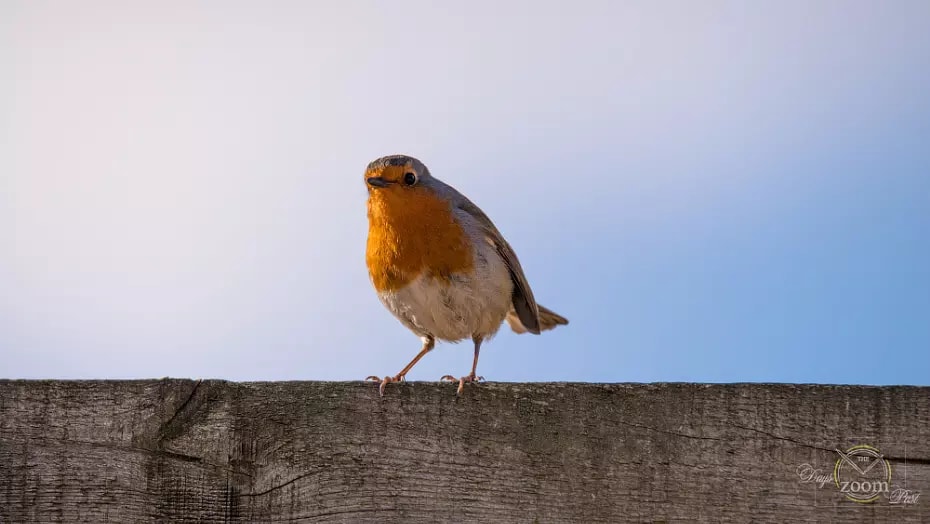
Wildlife photography requires a great deal of patience. You may have to wait a long time before your subject appears. Prepare a comfortable place to sit and stay warm, especially if you're shooting outdoors in cold weather. You can use a camouflage hide to conceal yourself and avoid scaring the birds, or shoot from indoors through a window. When shooting through glass, position the lens as close to the glass as possible and turn off the lights in the room to minimize reflections. Don't just shoot on sunny days. Light rain or snow can add interest to the photograph, especially when you use a slightly slower shutter speed (around 1/30 to 1/60 second) to capture the movement of raindrops or snowflakes.


