
Secrets to photographing majestic mountains and forests in winter.
Discover the techniques for photographing winter mountain forests by learning how to choose lenses, filters, and professional composition to create sharp, deep-set images.
Winter offers a wonderful opportunity to capture majestic mountain scenery. When mountain ranges are covered in white snow or frost, they become more impressive than ever. The cold, clean air of winter is ideal for landscape photography, making everything sharp and clear, even distant objects.
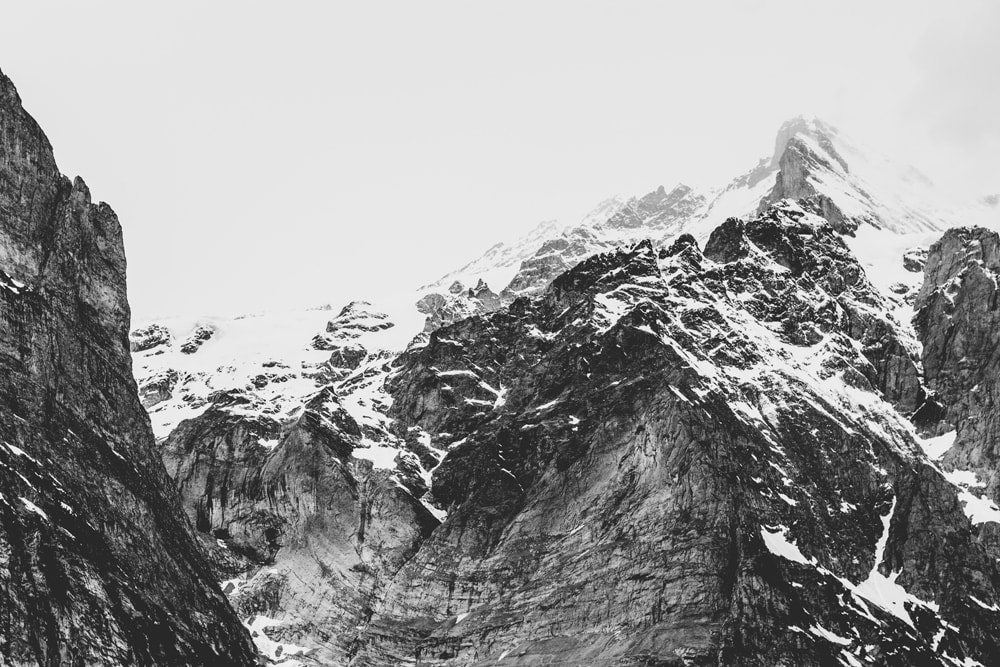
Prepare equipment and safety procedures.
Photographing high mountain areas in snowy and icy conditions requires extreme caution. Photographers need appropriate clothing, a detailed route plan, a map, compass, phone, and must always keep their location informed to family and friends. In terms of equipment, a complete kit will help you maximize the beauty of nature.
| Device | Application |
|---|---|
| Wide-angle and telephoto lenses | Capture the overall scene or zoom in on distant details. |
| Tripod/Monopod | Supports image stabilization during long exposures. |
| Polarizing filter | Reduce glare and unwanted reflections. |
| Gradient ND filter | Balance the contrast between the sky and the ground. |
Techniques for composition and creating a sense of scale.
Photographs taken from mountaintops against a clear blue sky are often captivating. However, excessive use of wide-angle lenses can detract from the mountain's grandeur. To create depth, pay attention to details in the foreground, such as the slopes or rock formations. These elements guide the viewer's eye and create a sense of the terrain's actual scale.
When sharpness is needed from the foreground to the background, using a small aperture is essential. This means a longer exposure time, making a tripod indispensable to avoid image blur.
Use a telephoto lens to create a visual impact.
While panoramic photos work well in highlighting the vastness of a landscape, they often fail to capture the full height of a mountain. Instead of being taken from the summit, photos taken from the base of a mountain often better showcase the immense size of these natural structures.
Using a wide-angle lens at a low position requires you to get very close to the mountain to create a sense of height. However, a more effective method is to use a telephoto lens. The long focal length will help "pull" distant mountains closer, filling the frame and creating a strong visual impact, giving the photo more weight and impression on the viewer.


