
Provincial Party Secretary: Special attention must be paid to the intellectual and scholarly community.
(Baonghean.vn) - On the morning of August 22, the Standing Committee of the Provincial Party Committee met to hear a report summarizing 10 years of implementing Resolution No. 27-NQ/TW dated August 6, 2008, of the Central Committee of the Party (10th term) on building a team of intellectuals in the period of accelerating industrialization and modernization (Resolution No. 27).
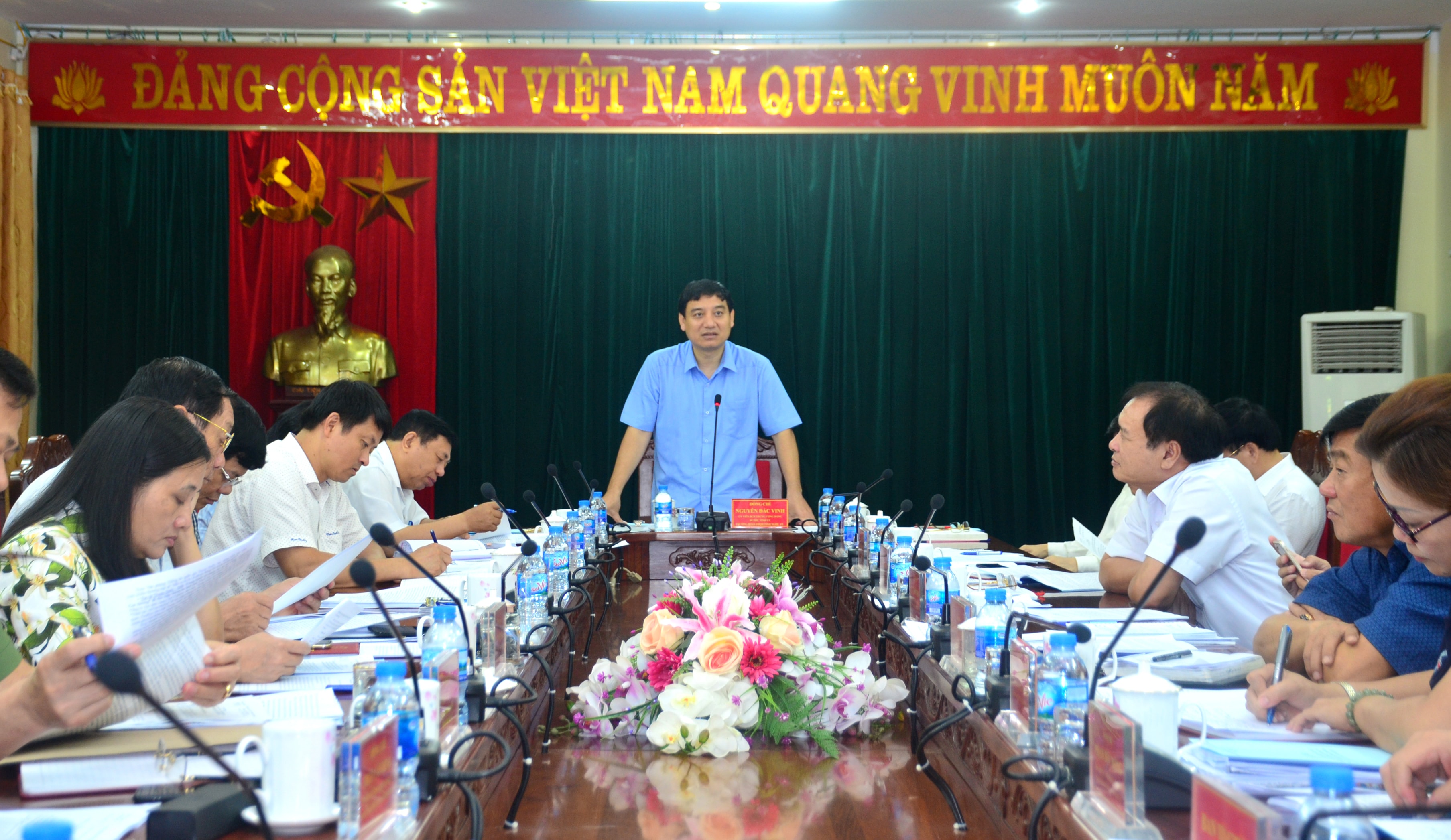 |
| Comrade Nguyen Dac Vinh - Member of the Central Committee of the Party, Secretary of the Provincial Party Committee, and Head of the Provincial National Assembly Delegation - chaired the meeting. Also present were: Comrade Nguyen Xuan Son - Standing Deputy Secretary of the Provincial Party Committee and Chairman of the Provincial People's Council; Comrade Nguyen Xuan Duong - Deputy Secretary of the Provincial Party Committee and Chairman of the Provincial People's Committee; Comrade Nguyen Van Thong - Deputy Secretary of the Provincial Party Committee; and other members of the Provincial Party Standing Committee; and leaders of several departments and agencies. Photo: Thanh Duy |
During the meeting, the members of the Provincial Party Standing Committee had a lively discussion about the results of 10 years of implementing Resolution No. 27. While acknowledging the progress of the intellectual workforce in the province, Deputy Secretary of the Provincial Party Committee Nguyen Van Thong noted that the weakest point and also the main shortcoming is the lack of an environment where intellectuals can demonstrate and contribute their talents to the province.
Therefore, according to Comrade Nguyen Van Thong, the most important thing is not the initial policies, but the conditions, equipment, and motivation that enable intellectuals to conduct research and innovate in their work.
In 2017, Nghe An's intellectual workforce comprised over 42,800 people, accounting for more than 66% of the province's civil servants and public employees. Of these, 38,392 held university degrees (an increase of 17,328 compared to 2008), 4,245 held master's degrees (an increase of 2,739 compared to 2008), and 165 held doctoral degrees (an increase of 137 compared to 2008).
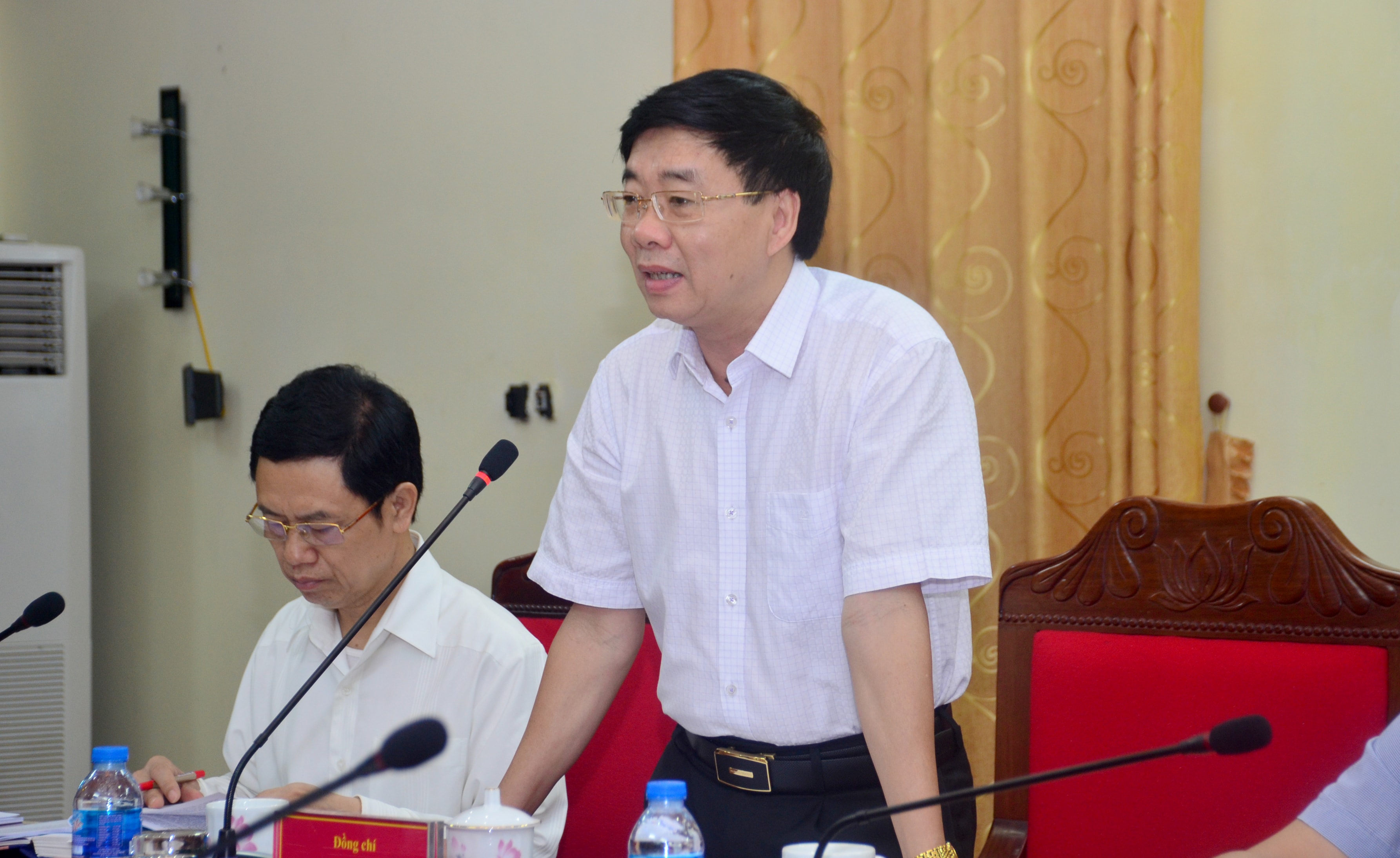 |
| Deputy Secretary of the Provincial Party Committee Nguyen Van Thong speaks at the working session. Photo: Thanh Duy |
Comrade Nguyen Xuan Son also shared many solutions to attract and develop the talents of intellectuals, such as: reviewing and improving regulations on personnel work to arrange, utilize, and reward intellectuals so that they can wholeheartedly dedicate themselves; mechanisms for critique and supervision; and, most importantly, promoting democracy so that intellectuals can express and present their opinions and research.
Agreeing with the above opinions and quoting the saying "Honest words are hard to hear," the Standing Vice Chairman of the Provincial People's Committee, Le Xuan Dai, stated that in order to attract and utilize the intellectual workforce, leaders must know how to listen for the common good.
Meanwhile, Chairman of the Provincial People's Committee Nguyen Xuan Duong suggested that the assessment report, in the section on recommendations, should propose that the Ministry of Education and Training rectify the training and degree-granting process to improve the quality of the intellectual workforce.
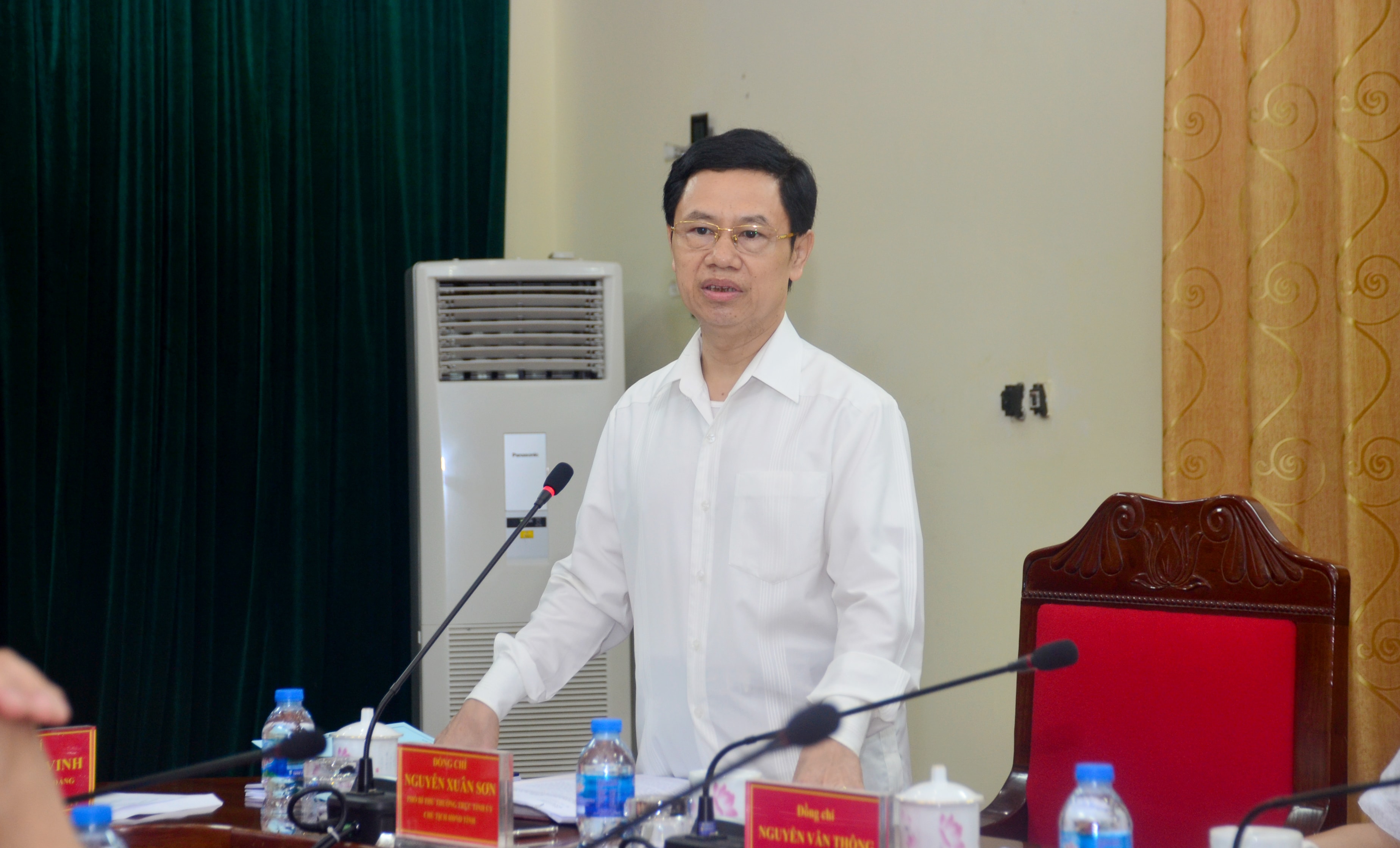 |
| Deputy Secretary of the Provincial Party Committee Nguyen Xuan Son speaks at the working session. Photo: Thanh Duy |
Concluding the report on 10 years of implementing Resolution No. 27, Provincial Party Secretary Nguyen Dac Vinh suggested that it is necessary to clearly identify the intellectual workforce in the province in various sectors: the state, businesses, and those working independently in society; and to reflect the current situation and trends.
Secretary Nguyen Dac Vinh also requested that the report assess the quantity and quality of the intellectual workforce, including: people from Nghe An currently living in the province who have received training and achieved success; established and retired intellectuals who have returned to live in Nghe An; intellectuals invited to work, advise, and consult in the province; and intellectuals of national stature.
Based on these assessments, although they may not be fully quantifiable, they demonstrate the contributions of Nghe An's intellectuals to the province's development; and at the same time, they provide directions and policies to promote strengths and overcome shortcomings and existing problems.
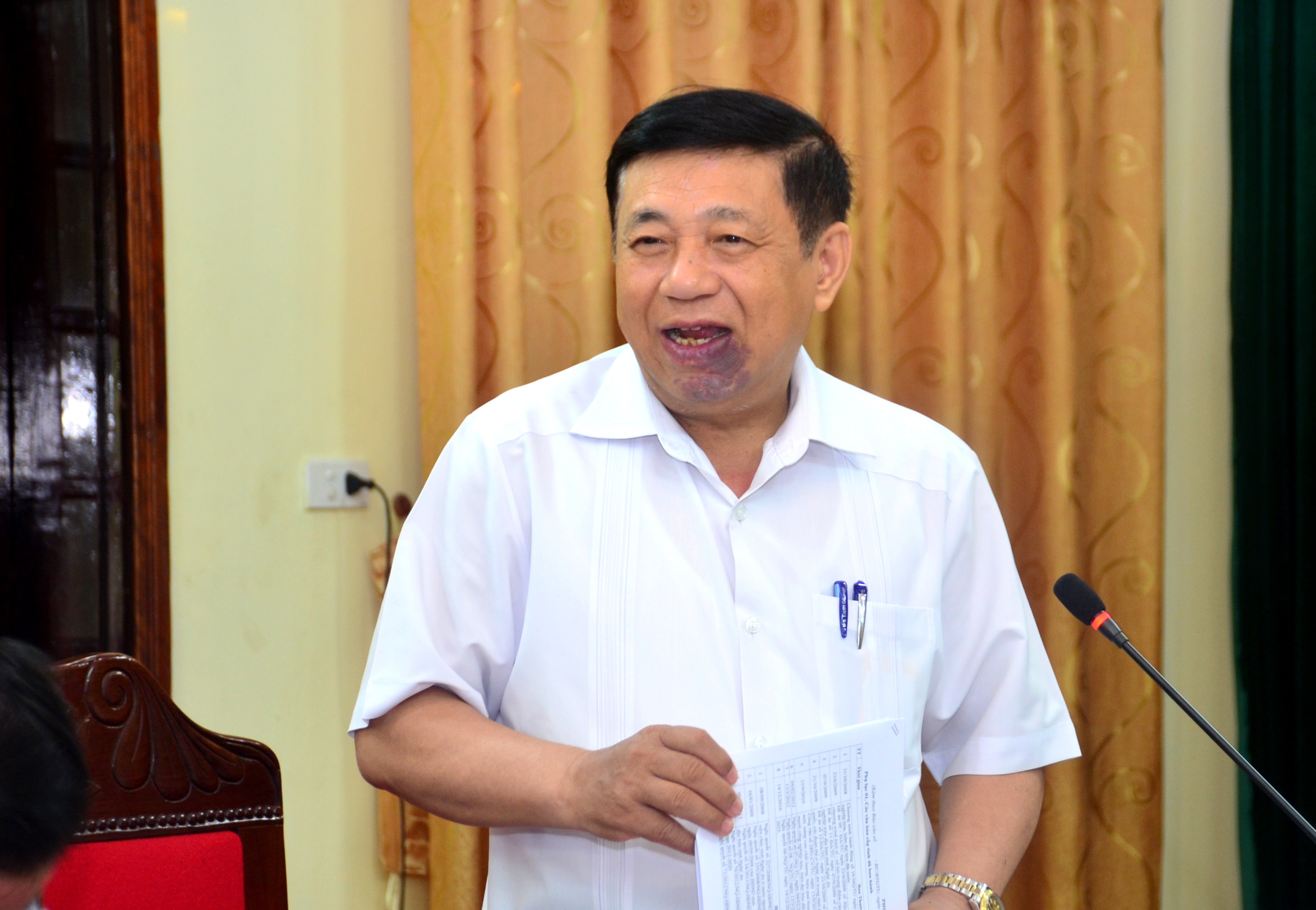 |
| Chairman of the Provincial People's Committee Nguyen Xuan Duong speaks at the working session. Photo: Thanh Duy |
Specifically, regarding solutions for creating a favorable environment and conditions for intellectual activities, in addition to issuing guidelines and policies and investing in infrastructure to promote creative activities, the head of the Provincial Party Committee suggested that efforts should be made to develop a number of centers at qualified universities to become attractive hubs and environments for intellectual advancement.
The Provincial Party Secretary also requested that, in addition to utilizing external consultants, the Provincial Party Committee's Propaganda Department work with the Provincial People's Committee to develop appropriate policies and mechanisms to foster a team of in-depth researchers within state agencies. This will help define the direction, build a structural framework, and ensure strict implementation to better utilize this team, as there is currently a declining trend in their numbers while the need is significant.
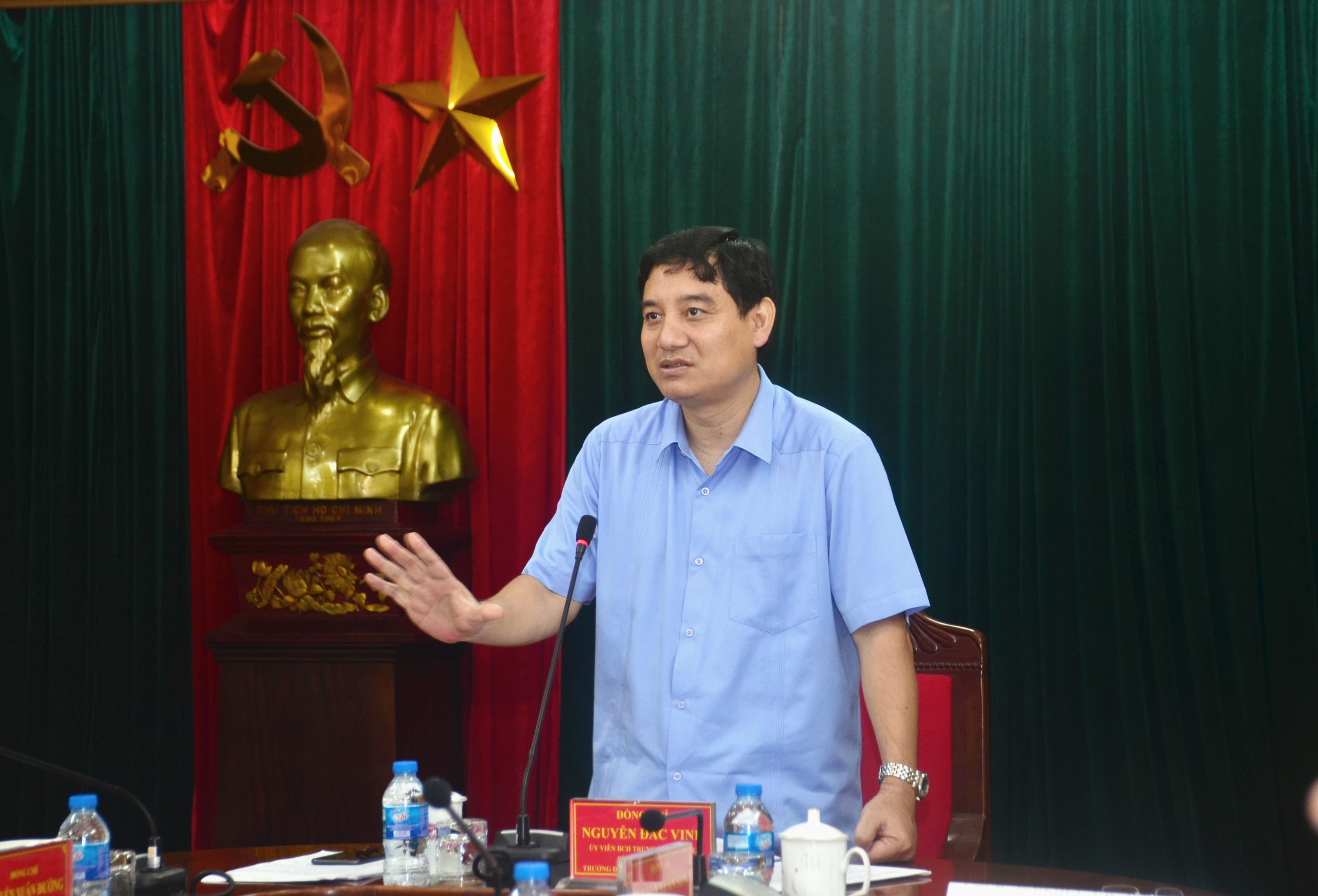 |
| Provincial Party Secretary Nguyen Dac Vinh concludes the assessment of 10 years of implementing Resolution No. 27. Photo: Thanh Duy |
The Provincial Party Secretary also requested in-depth research on policies for valuing, rewarding, and honoring intellectuals; while emphasizing the responsibility of intellectuals, consolidating and improving the quality of activities of intellectual associations, and especially doing a good job in ideological work.
Regarding the Party's leadership mechanism over the intellectual community, the Provincial Party Secretary stated that, in addition to comprehensive leadership and leadership through mass organizations, direct leadership is necessary, and special attention must be paid to the intellectual community.


