
Turning resolutions into driving forces for the development of disadvantaged regions.
Raising people's incomes is one of the important targets set forth in the Resolution of the Provincial Party Congress and the Party Congresses at all levels for the 2025-2030 term. Based on the province's policy, many localities have chosen approaches suitable to their practical conditions, innovating leadership methods and mobilizing the entire political system to create sustainable livelihoods and gradually improve people's lives.
How to make it from Tam Thai
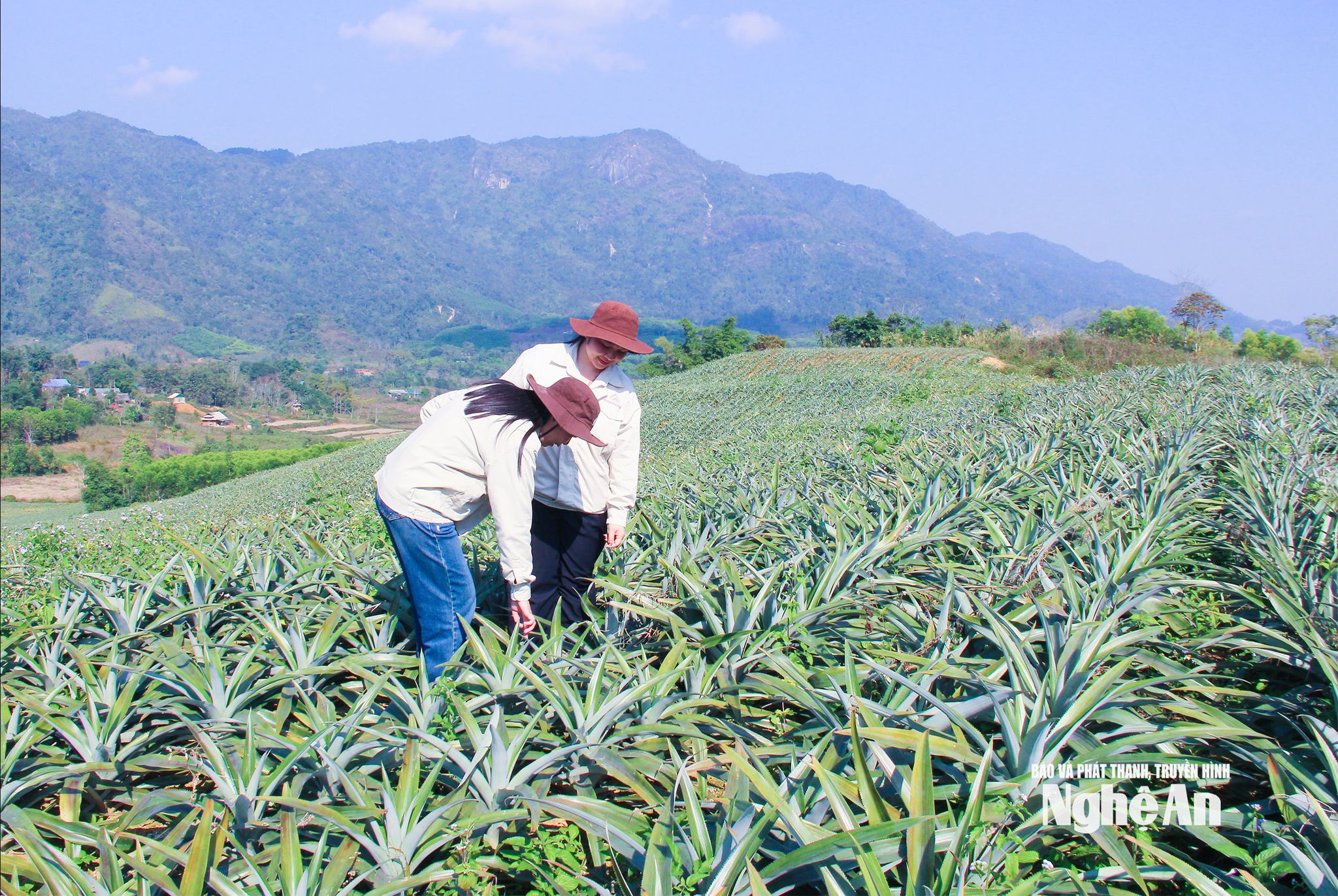
In Pha Lom village, Tam Thai commune, the forest slopes that had been abandoned for many years are now covered in a green carpet of sorghum plants. After more than half a year of planting, the sorghum plants have taken root and sprouted, promising to bring the people a stable income from this medicinal plant.
This belief has been proven in practice. Before expanding the cultivated area, the people of Pha Lom already had over 30 hectares of sorghum yielding a stable harvest. Mr. Lau Ba Chua, one of the sorghum growers, said: "Besides the 0.7 hectares of newly planted crops, my family already has over 1 hectare ready for harvest. The product can be sold fresh or dried, and importantly, it only needs to be planted once but yields harvests for many years, so the economic efficiency is quite stable."
Taking advantage of these conditions, and to expand the planting area, especially utilizing abandoned land under the canopy of regenerating forests, acacia forests, mahogany forests, and interspersed within banana plantations, the Party Committee and government of Tam Thai commune have decided to develop the cultivation of sorghum, focusing on the two villages of Pha Lom and Huoi Son.
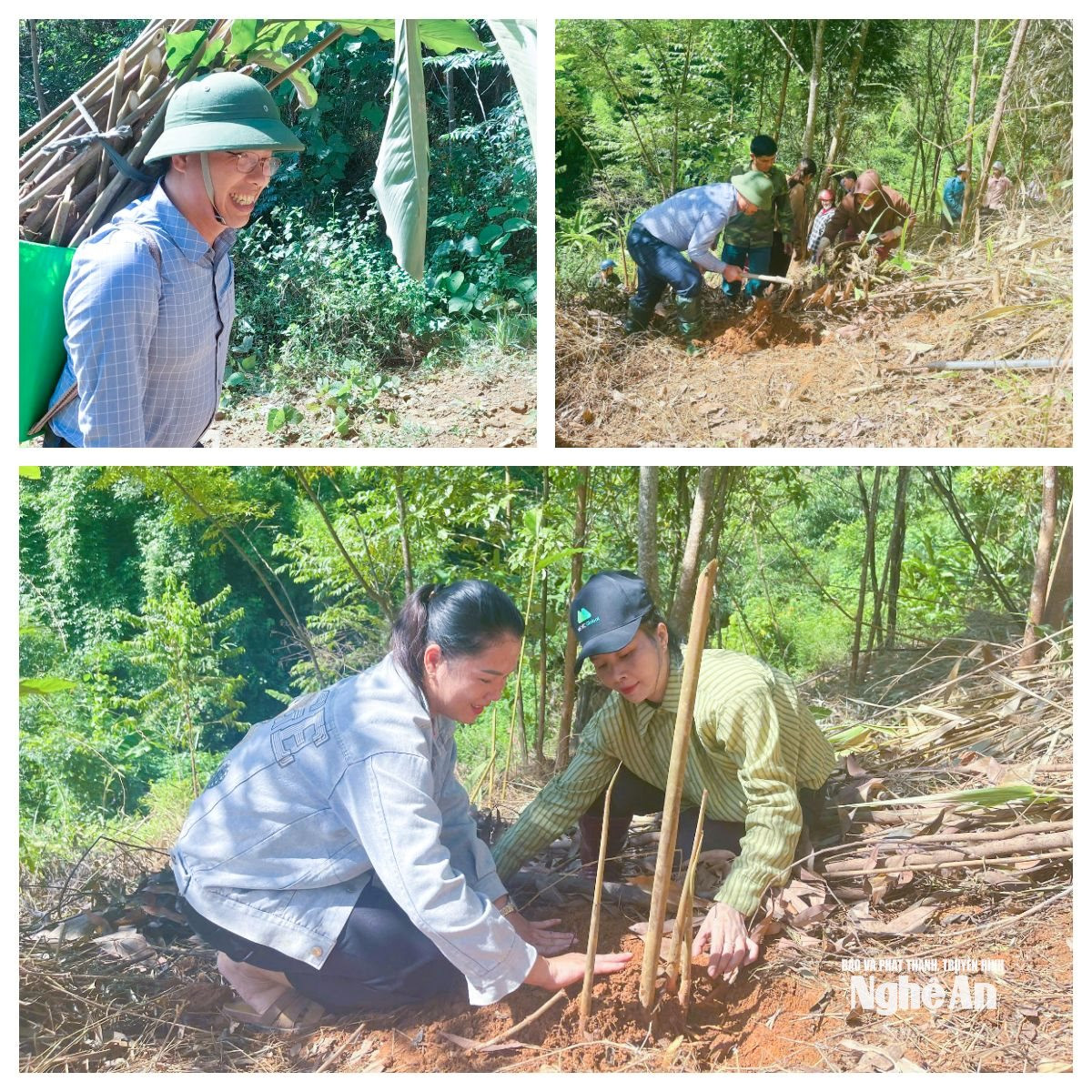
According to the Party Secretary of Pha Lom village, Xong Ba Giay: "Besides issuing policies and organizing launching ceremonies, the important thing is that the head of the Party committee and the local government, along with commune officials and civil servants, directly go to the fields with the people, carry seedlings into the forest, dig holes with hoes, plant the first trees, and provide technical guidance from planting distance and hole depth to how to retain moisture and care for the trees."
"This approach not only creates momentum for the launch day but also demonstrates the determination of the Party committee and government in accompanying the people in developing the economy, increasing income, and building greater trust and compliance among the people. This is how to bring the Party's resolutions into life through concrete models, starting with the people's actual income," emphasized the Party Secretary of Pha Lom village.
Through this approach of being close to the people and working closely with the grassroots, Tam Thai commune has expanded its cassava cultivation area by more than 60 hectares, bringing the total area to over 100 hectares. However, cassava development is only one aspect of the local economic development. Based on an assessment of the natural conditions of each region, the commune orients production development according to its specific advantages. The area formerly belonging to Tam Hop commune focuses on developing medicinal plants such as cassava, red turmeric, and purple cardamom, combined with raising buffalo, cattle, goats, black pigs, and black chickens, while also protecting the forest. The area formerly belonging to Tam Thai commune is converting inefficient cassava cultivation areas to develop bamboo and pineapple raw material zones.
To ensure sustainable development, the locality proactively collaborates with Vinh University and businesses to implement a "three-party" linkage model, from surveying raw material areas and transferring technology to guaranteeing product sales. The goal is not only to help people learn how to grow crops but also to ensure they can sell their products with a stable market.
Along with selecting appropriate models, the commune Party committee also frankly acknowledged the "bottlenecks" in production thinking, farming skills, and the aspiration for improvement among a segment of the population. From there, the commune reformed its leadership methods towards clearly defined areas, individuals, and responsibilities. Each official and civil servant is assigned to oversee a specific village, regularly staying close to the community, working alongside the Party committee, village management board, and the people to implement production development and livelihood support programs. The effectiveness of income improvement in each area is considered one of the criteria for evaluating the performance of assigned officials.
Raising people's incomes is not just about the numbers in resolutions, but a political commitment realized through various livelihood models, production areas, and households that are increasingly improving their lives.
Comrade Lu Van May - Secretary of the Party Committee, Chairman of the People's Council of Tam Thai Commune
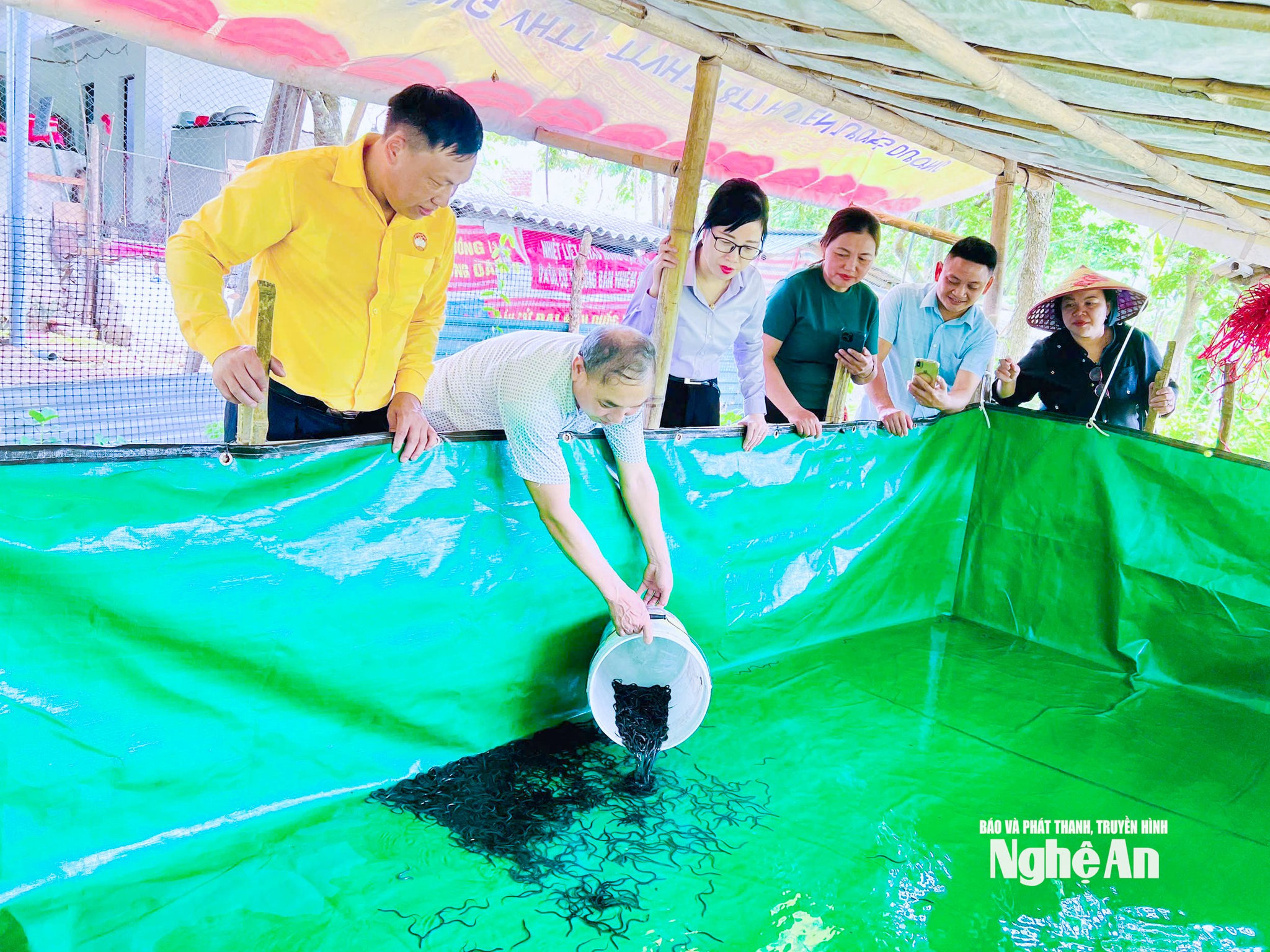
In particular, the commune mobilized the entire political system to participate in disseminating information and encouraging people to shift from small-scale production to commodity production, linking along the value chain. The Fatherland Front and other political and social organizations also actively integrated resources to implement many livelihood models such as breeding goats, raising commercial pigs, raising bamboo rats, raising eels without mud, etc., contributing to diversifying income sources and creating motivation for people to shift from a mindset of waiting and relying on others to proactively developing the economy.
According to Comrade Lu Van May, Secretary of the Party Committee and Chairman of the People's Council of Tam Thai commune: The overarching viewpoint of the Party Committee for the 2025-2030 term is that resolutions only truly have meaning when people's lives are improved. Therefore, the goal of increasing income and achieving sustainable poverty reduction is placed at the center of the entire action program of the commune's Party Committee. Tam Thai strives to raise the average per capita income from 38.04 million VND to 48.9 million VND/year and reduce the percentage of poor and near-poor households from 37.14% to approximately 16% by the end of the term. For the local Party Committee, this is not just about the numbers in the resolution, but a political commitment realized through each livelihood model, each production area, and each household with an increasingly better life.
Efforts to increase people's income
Raising people's income is one of the key targets and tasks identified by the Provincial Party Congress and the Party Congresses of communes and wards for the 2025-2030 term. According to the province's overall goal, by 2030, the average per capita GRDP will reach approximately 165-190 million VND. The realization of this target has been and is being concretized by departments, agencies, and localities throughout the province through programs and tasks closely aligned with reality.
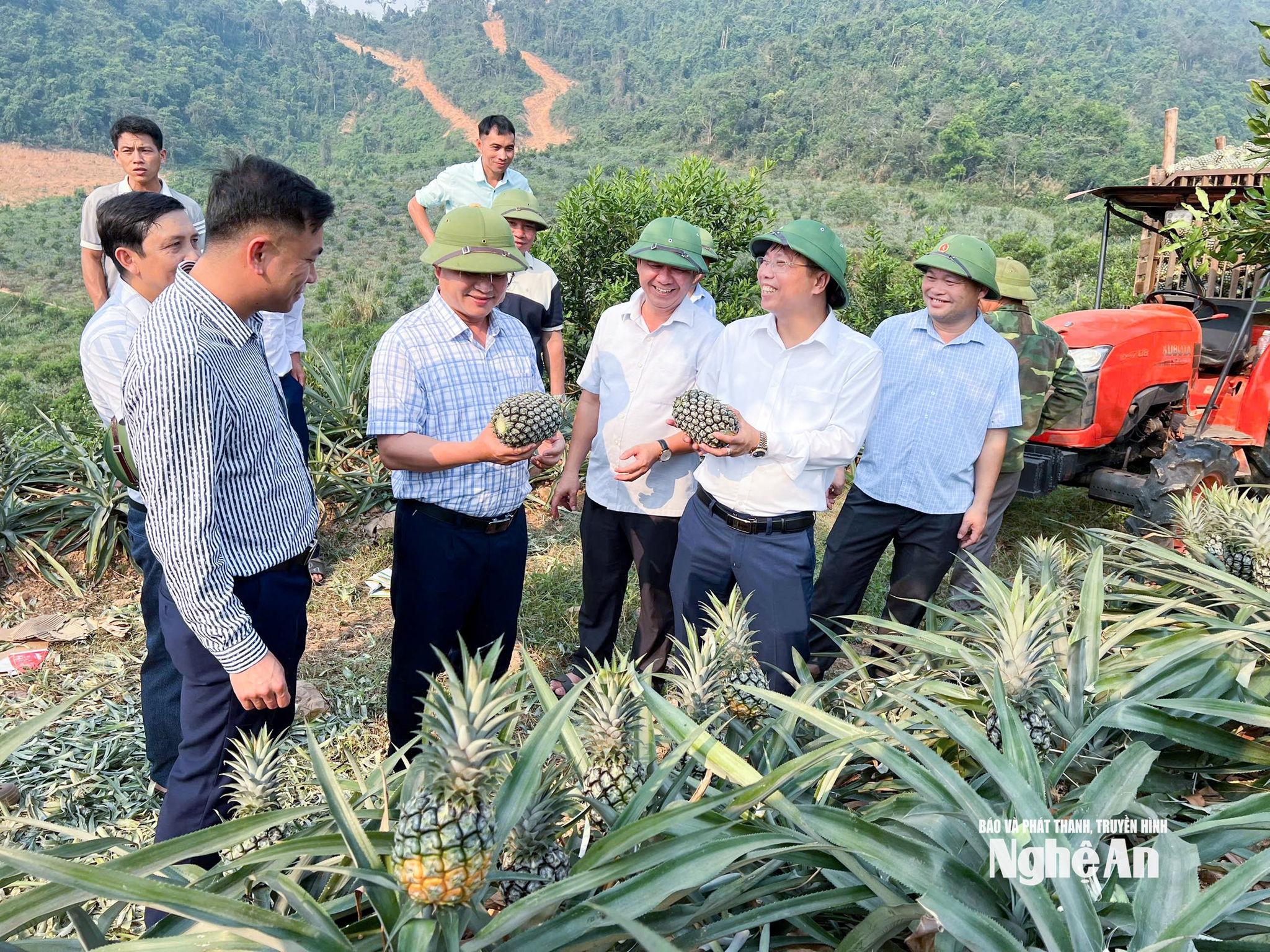
In Nhon Mai commune, based on a thorough survey of soil conditions, climate, farming practices, and market demand, the local authorities selected crops and livestock with comparative advantages to focus on developing in the direction of forming a commodity production area.
Comrade Mac Van Nguyen – Secretary of the Party Committee and Chairman of the People's Council of Nhon Mai commune, said: The commune's view is not to implement a single model for all villages, but each village must have a development direction suitable to its natural conditions and unique strengths. Only when people see that the model is suitable and brings economic benefits will they voluntarily follow it and it can be sustainably replicated. Accordingly, in Pha Khao village, the commune is planting native pineapple varieties and connecting with businesses to invest in seeds, transfer technology, and guarantee product purchase to build a 50-hectare pineapple raw material area in Cha Lo village. In Huoi Co village, the locality is converting inefficient passion fruit cultivation areas to peach cultivation, developing two products simultaneously: ornamental peach trees for the Tet market and peach trees for fruit. To date, the peach cultivation area has reached 26 hectares; many households earn over 100 million VND per year from selling peach branches and fruit.
To make efficient use of land, people also intercrop sorghum under peach trees, contributing to increased income per unit area. At the same time, the commune continues to develop models of fish farming, black chicken farming, and bamboo rat farming... suitable for the conditions of the highlands, gradually diversifying livelihoods and reducing production risks for the people.
The methods for implementing economic models and increasing people's income should not be applied uniformly across the entire commune, but must be tailored to each village and the production conditions of each household to ensure genuine effectiveness.
Comrade Mac Van Nguyen – Secretary of the Party Committee, Chairman of the People's Council of Nhon Mai Commune
To ensure the effective implementation of economic models, in addition to integrating resources and increasing the self-reliance and aspiration of the people, the Party Committee assigns specific tasks to each department, the Fatherland Front, and political and social organizations responsible for each locality, both directly guiding and instructing, and setting examples for people to follow. Tam Thai is currently implementing the "Skilled People's Mobilization" model in supporting disadvantaged families to build vegetable gardens, fruit orchards, and small-scale livestock farming. This is not only immediate support but also a way to provide livelihoods, creating motivation for households to rise up through their own labor, contributing to the goal of sustainable poverty reduction and increasing people's income.
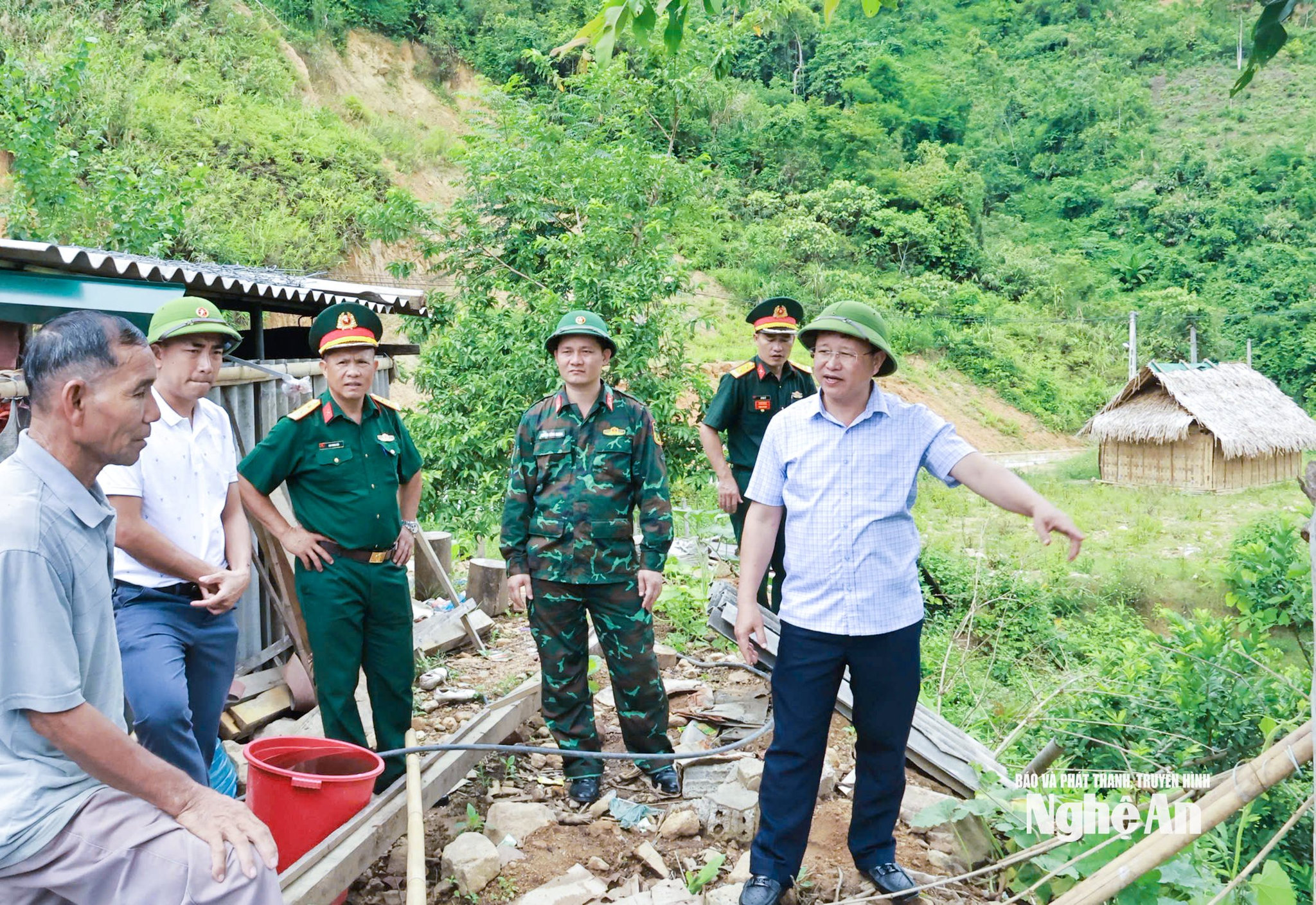
Along with local authorities, provincial-level agencies are also actively implementing numerous programs and projects aimed at the common goal of creating more jobs, increasing labor productivity, and raising people's incomes. These range from attracting investment, developing businesses, expanding industrial and service production, to restructuring agriculture, vocational training, job creation, and labor export…
The Provincial Fatherland Front, using funds from relief funds, poverty alleviation funds, and social mobilization efforts, has focused on supporting 79 communes in building livelihood models for the people, with a total amount of 39.5 billion VND. Similarly, the Farmers' Association, Women's Association, etc., have intensified support for vocational training, credit, the establishment of cooperatives and production groups, support for members starting businesses, and connecting them with product consumption channels.
Currently, the province is also actively attracting businesses to invest in agriculture, forming concentrated raw material areas, expanding production-processing-consumption linkages, and creating stable outlets for agricultural products. This is considered a crucial link to ensure that livelihood models not only remain small-scale but gradually develop towards commodity production, contributing to increased income and sustainable poverty reduction.
From production models in Tam Thai and Nhon Mai to livelihood support programs, vocational training, and investment attraction initiatives, the province demonstrates that the goal of increasing people's income is being concretized through practical solutions. When the resolution is measured by the number of households lifted out of poverty, by the formation of commodity production areas, and by the gradual improvement of people's living standards, this is the clearest evidence of the effectiveness of the leadership of Party committees at all levels in the new term.


