
Transforming "must-visit" destinations into captivating experiential journeys.
Nghe An possesses many historical sites associated with victories against foreign invaders throughout history. This is a rich cultural resource for developing historical tourism products and creating attractive experiential journeys.
Rediscovering the traces of the past
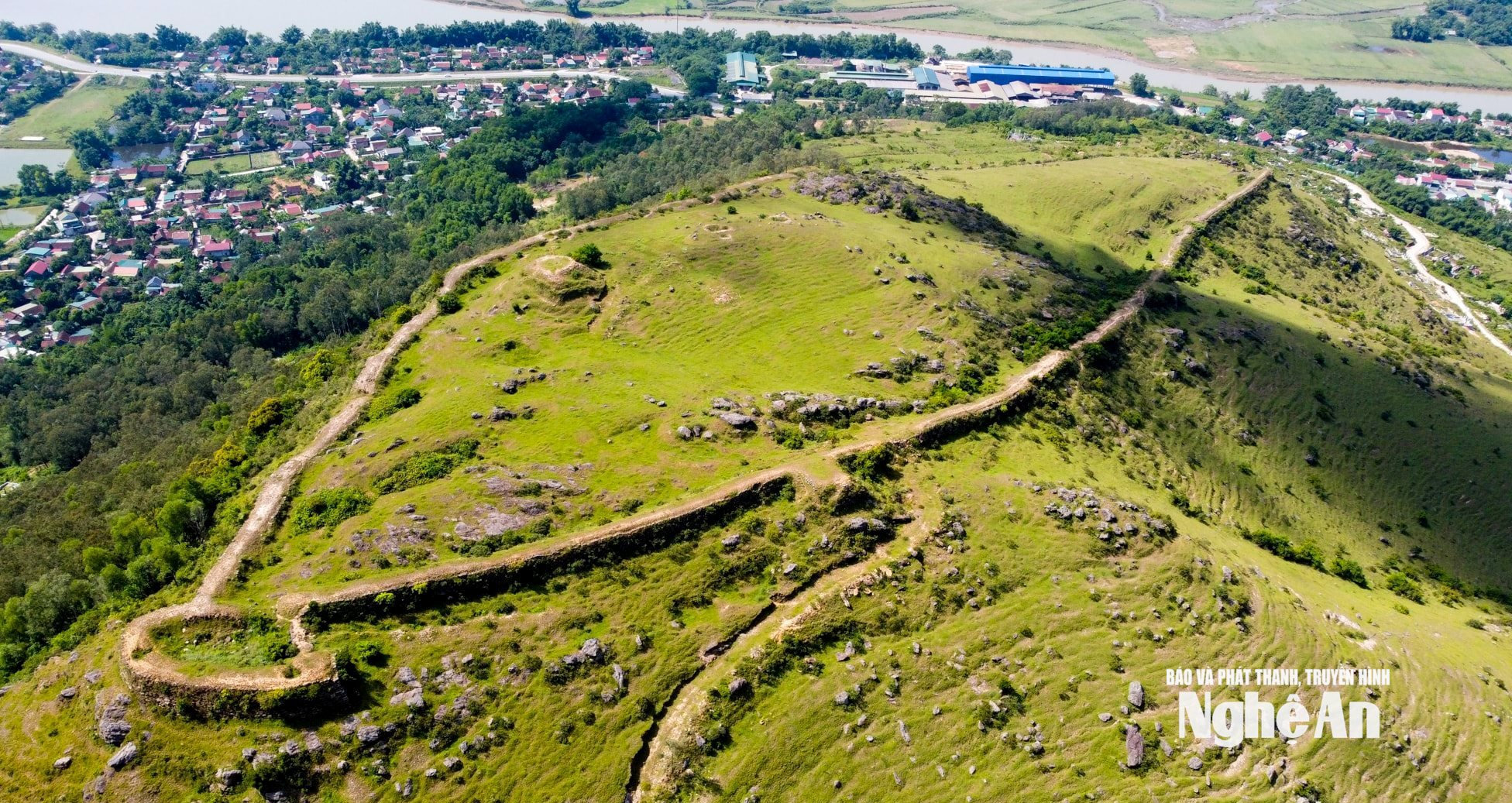
Following the road up Lam Thanh mountain (Lam Thanh commune), the higher you go, the more the landscape opens up. Below, the Lam River meanders through villages and rice fields; in the distance are continuous mountain ranges. Amidst the green of the trees, layers of stacked stones and traces of moats around the mountain slopes appear, suggesting an ancient citadel that witnessed fierce battles nearly 600 years ago.
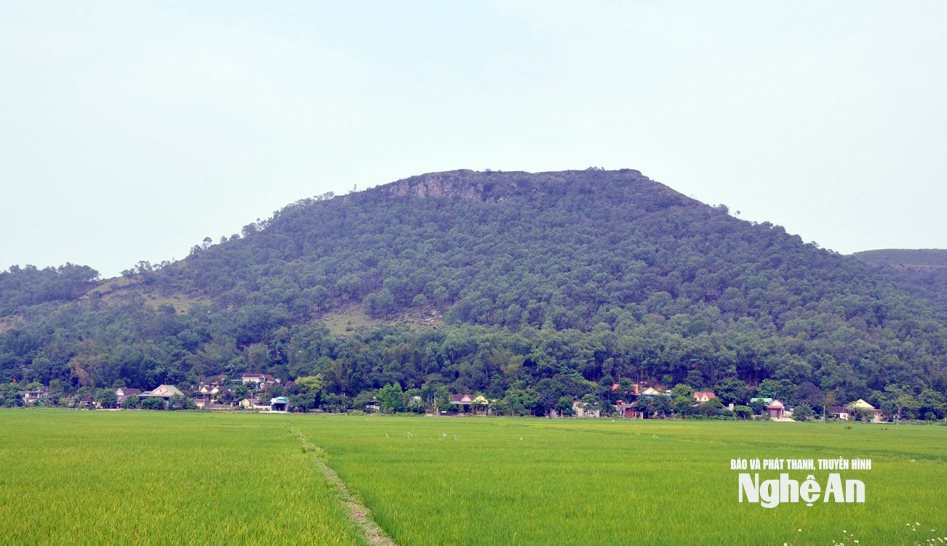
Standing on Lam Thanh Mountain (also known as Rum Citadel) today, it's hard to imagine that this place was once a battlefield. Even harder to imagine that beneath the peaceful layers of earth, rocks, and vegetation, the clash of weapons once echoed during the confrontation between the Lam Son rebels and the Ming army. But history remains, present in every few remaining traces.
The Rum Fortress on Lam Thanh Mountain is believed to have been built by Ho Quy Ly starting in 1397. After the Ming invasion of Dai Viet, the structure was further reinforced and strengthened by the Ming army, including forces led by Truong Phu, becoming an important military stronghold. When the Lam Son rebels advanced into Nghe An, after achieving victory in "Mien Tra Lan" (present-day Con Cuong commune), King Le Loi of Binh Dinh organized a siege of the enemy at Lam Thanh.
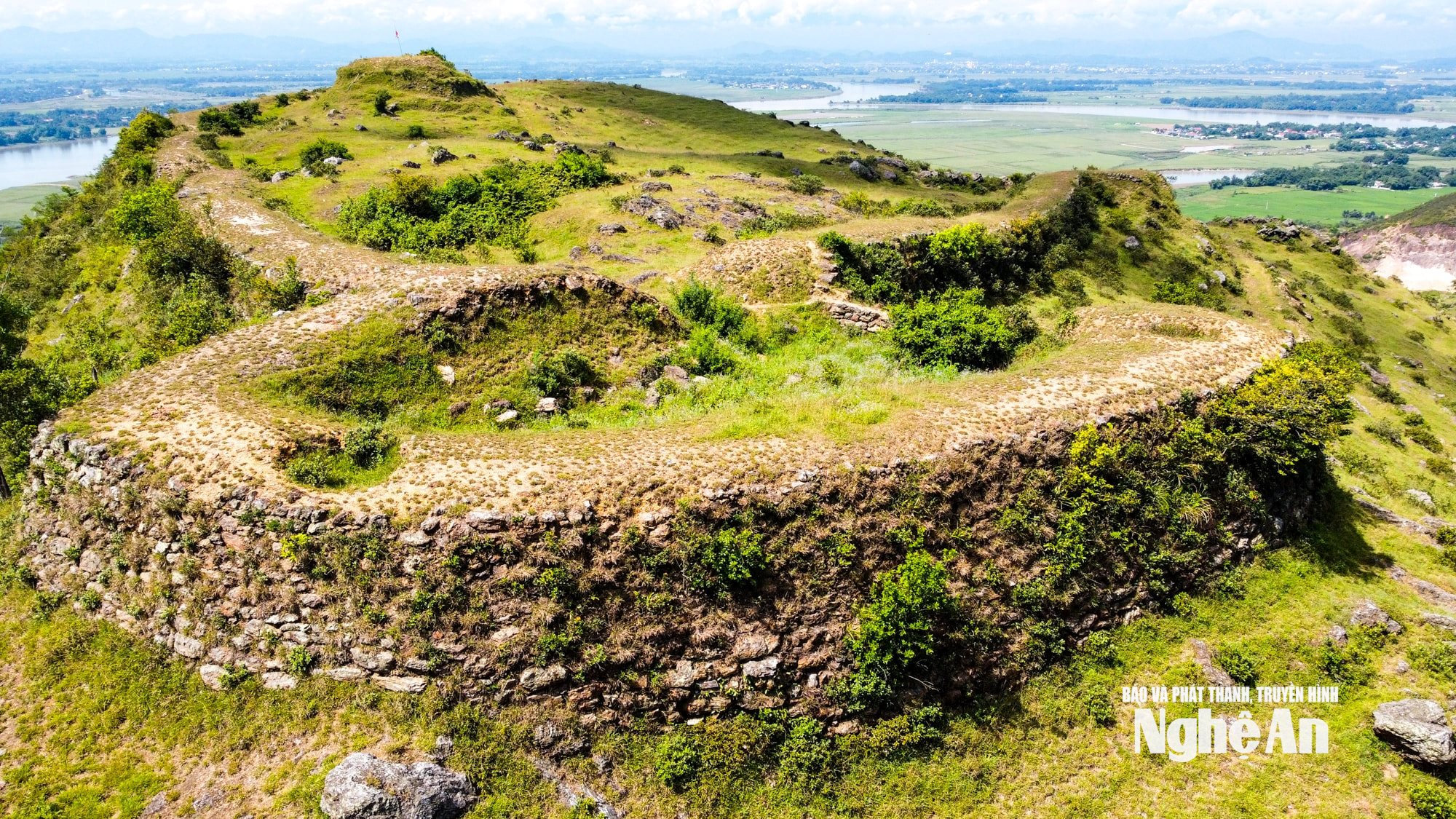
After months of siege, the Ming army, commanded by Thai Phuc, was forced to open the city gates, surrendering tens of thousands of soldiers. This victory contributed to building the momentum and strength for the Lam Son rebels to continue their advance northward, leading to the victory of the resistance war.
Having visited Lam Thanh to admire its beauty, Dr. Bui Duong Lich wrote inNghe An signedHe described a land with a "picturesque" landscape, with the Lam River flowing around it and mountain ranges on all sides converging towards Lam Thanh. Through his description, one can imagine not only the beauty of the scenic spot but also its special geopolitical position.
The question here is: How can we ensure that these layers of history don't remain confined to the pages of books or a few lines of introduction to the site? Because for someone visiting Lam Thanh Mountain for the first time, without a storyteller, visual aids, and an engaging approach, the old stone layers, trenches, or the mountain's topography might simply be unrecognizable traces.
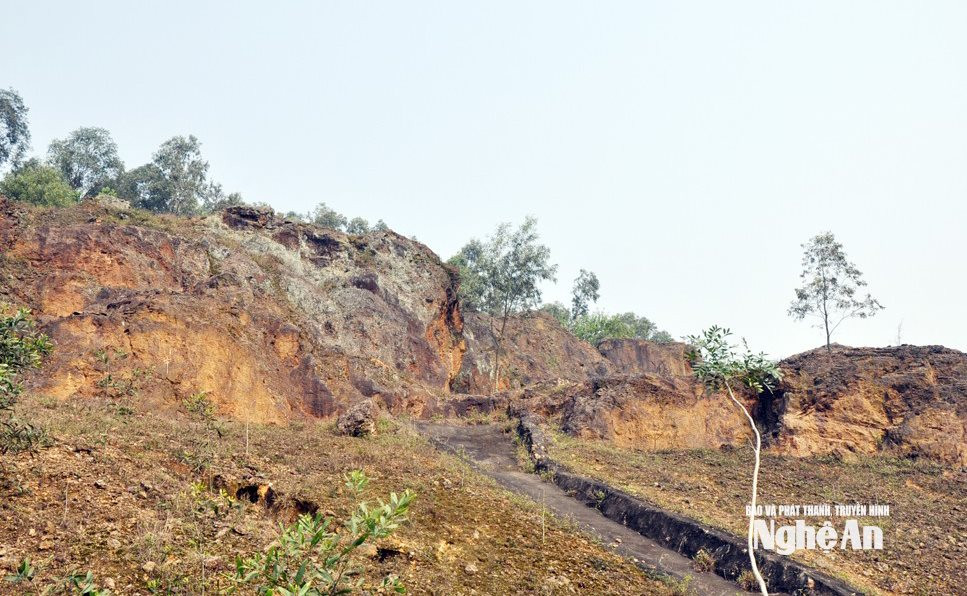
Meanwhile, behind each historical relic lies a grand story of national history. Therefore, the Lam Thanh Mountain relic site not only needs to be preserved, but also needs to be "retold" in new ways so that history can be closer to visitors, especially the younger generation.
The story of Lam Thanh provides a broader perspective on the historical achievements of Nghe An province. With nearly 1,000 years of history and development, this region once held a crucial position on the southern frontier of Dai Viet.
Many battles to defend the border took place here, leaving behind precious historical traces. One of these is the national treasure, the Ma Nhai Stele, on Tram Huong Mountain in Con Cuong commune. For nearly 700 years, the inscriptions carved directly into the rock face have remained, recording the victories of the Tran Dynasty army in their conquest of Ai Lao in 1335.
Not a monument erected in a solemn setting, the Ma Nhai Monument sits atop a cliff, amidst the natural landscape. This creates a unique experience: visitors not only learn about history but can also feel the connection between the heroic deeds of their ancestors and the terrain, mountains, forests, and the ancient frontier.
The inscriptions on the cliff face are therefore not only valuable historical documents, but also a "point of contact" for today's visitors to imagine the wars and the journeys of our ancestors in defending the land and borders. The problem is that such points of contact have not yet been exploited to their full potential.
Let the achievements transcend the pages of a book.
In today's tourism trends, visitors, especially young people, not only want to "come and see," but also want to experience, explore, and interact with the story of the destination. This presents an opportunity for Nghe An to innovate in promoting the value of its historical achievements.
According to Associate Professor Dr. Nguyen Huu Son, former Deputy Director of the Institute of Literature, preservation remains the primary requirement, but it should be accompanied by research on spatial planning of historical sites, the development of visual interpretation systems, the application of technology, storytelling through images, maps, dioramas, or other appropriate interactive forms. More importantly, it is necessary to connect historical sites into historical experience routes instead of letting each site exist as a separate destination.
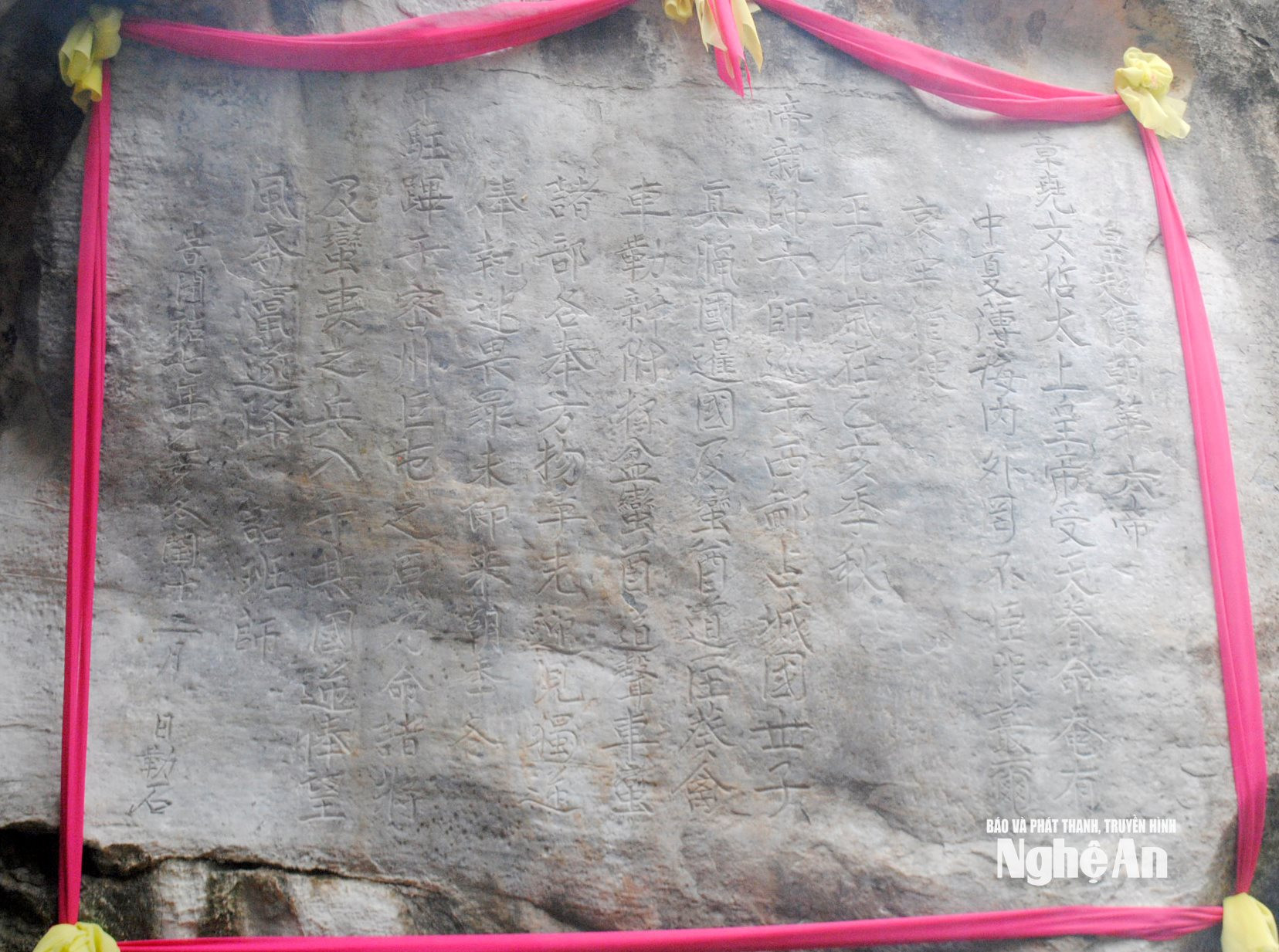
A journey can begin in Lam Thanh, where visitors learn about the Lam Son Uprising and the strategic location of Nghe An citadel; continue to historical sites in the old Hung Nguyen region, and then expand to the West, where the Ma Nhai Stele tells the story of the border defense war during the Tran Dynasty.
Then, each historical site will be a chapter in the larger story of Nghe An - a land of "spiritual and talented people," where historical achievements have contributed to the patriotic and resilient traditions of the people of Nghe An.
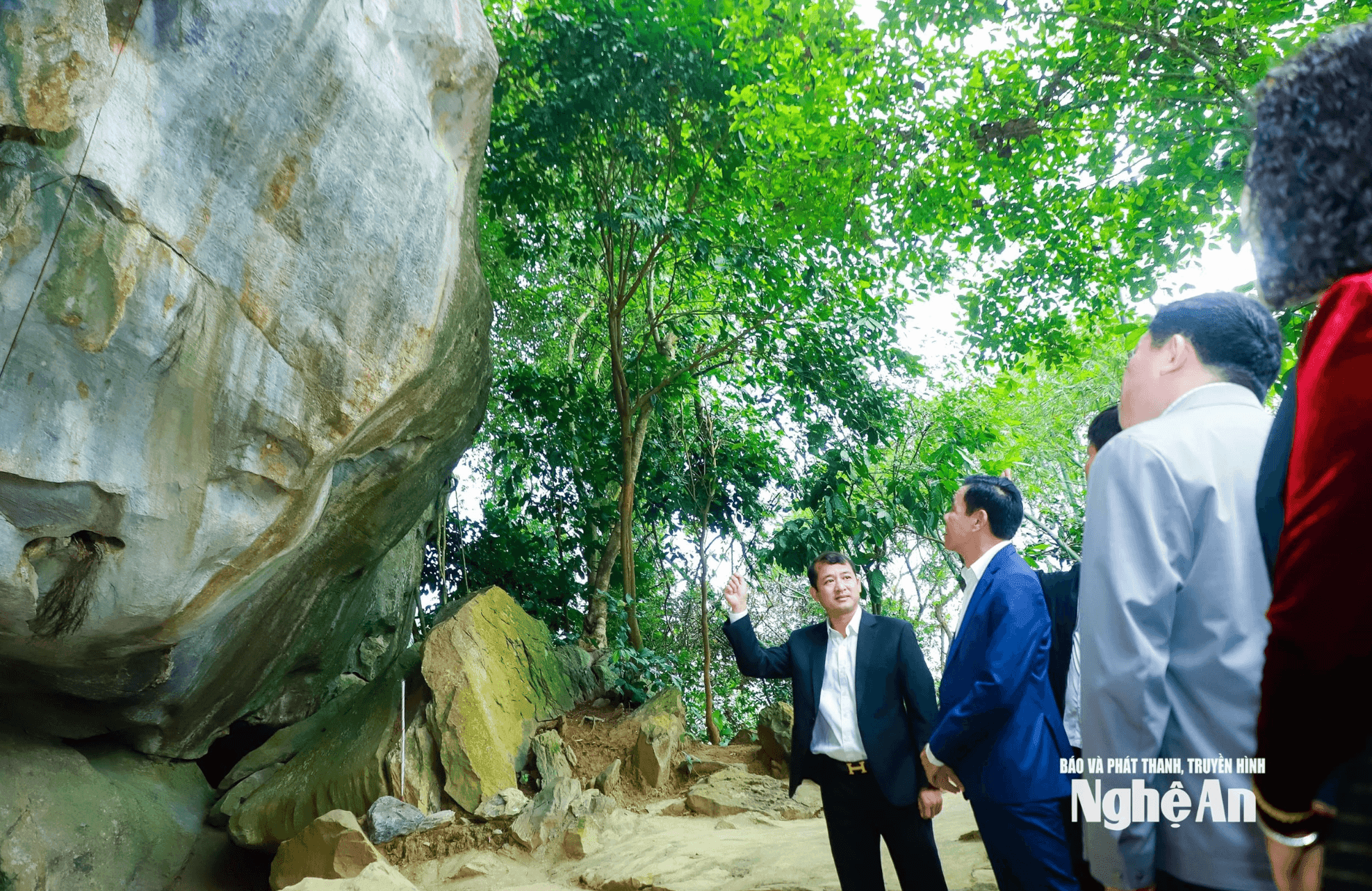
In fact, in some localities, when historical sites are invested in comprehensively, their spaces are organized rationally, and appropriate experiential products are developed, these historical sites can completely become attractive destinations. The Bach Dang Giang Historical Site in Hai Phong, the Tay Son Tam Kiet Temple Historical Site in Gia Lai, and the Lam Kinh Historical Site in Thanh Hoa are good examples to consider.
For Nghe An, promoting the value of historical achievements is not just about attracting more tourists. More importantly, it's about bringing history back to life, so that the places that once marked the victories of our ancestors continue to be meaningful to the community today.


