
Black Shark disappears from the Xiaomi ecosystem: The end of the symbiosis?
The Black Shark gaming phone brand has been officially removed from Xiaomi's e-commerce platforms, marking a turning point in its ecosystem and a shift to the stock Android operating system.
Once an icon of gaming phones under the umbrella of Xiaomi, Black Shark is showing clear signs of completely separating itself from the ecosystem of the Chinese tech giant. This move is not limited to changing distribution channels but also profoundly impacts the software experience and the ability to maintain after-sales service for users.
The simultaneous disappearance across e-commerce platforms.
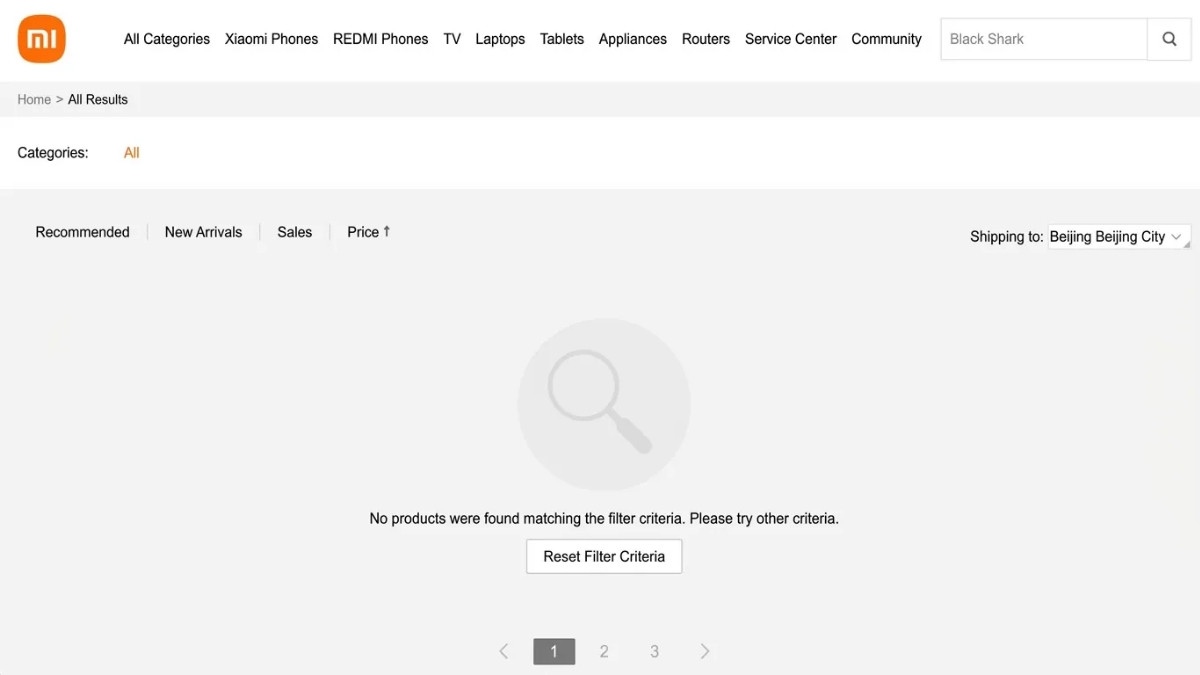
Signs of a rift began to appear when the entire Black Shark product catalog was unexpectedly removed from Xiaomi Mall and Xiaomi Youpin – Xiaomi's two core e-commerce platforms in the domestic market. The fact that official sales channels stopped stocking the device and accessories indicates that Black Shark is no longer positioned as part of Xiaomi's hardware product line within the ecosystem.
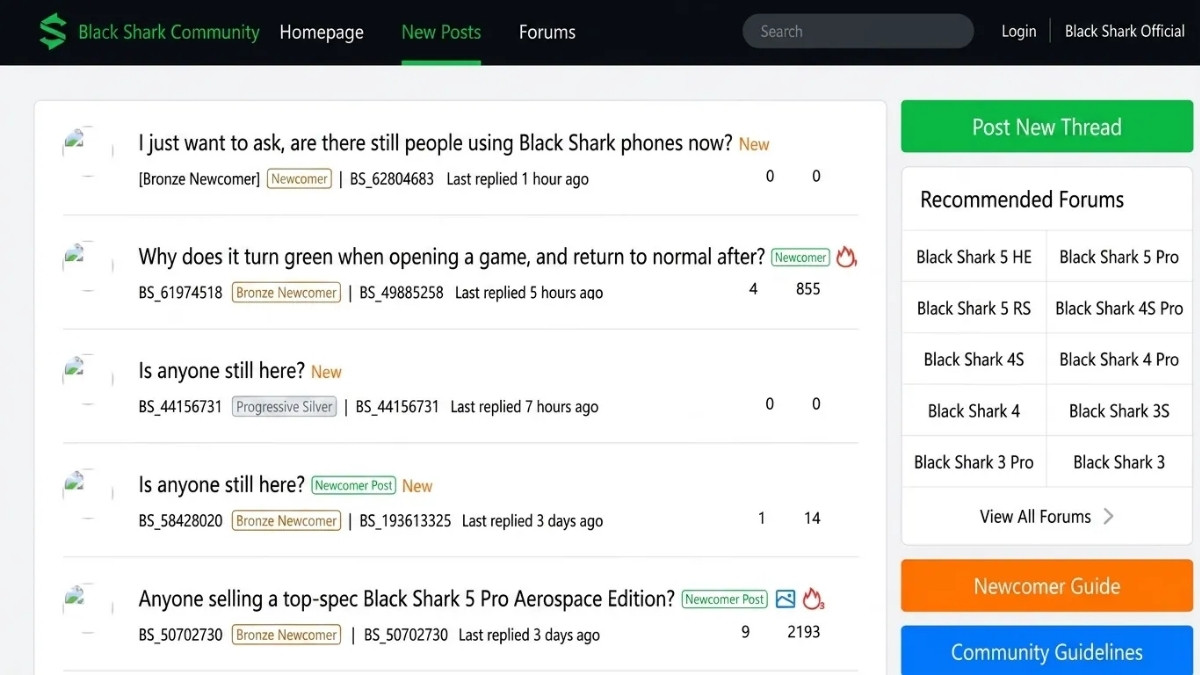
Alongside the store closures, the company's server system and user community also experienced serious problems. The official Black Shark community forum confirmed its closure on June 19th. While some users still experienced intermittent access, the severe system failures indicate the company is aggressively cutting server operating costs.
Changes to the operating system: From HyperOS to AOSP
The key point in the technical analysis of this separation lies in the operating system. Previously, Black Shark devices greatly benefited from deep integration with Xiaomi's HyperOS (formerly MIUI) interface, providing data synchronization, cloud services, and high compatibility with other smart devices in the ecosystem.
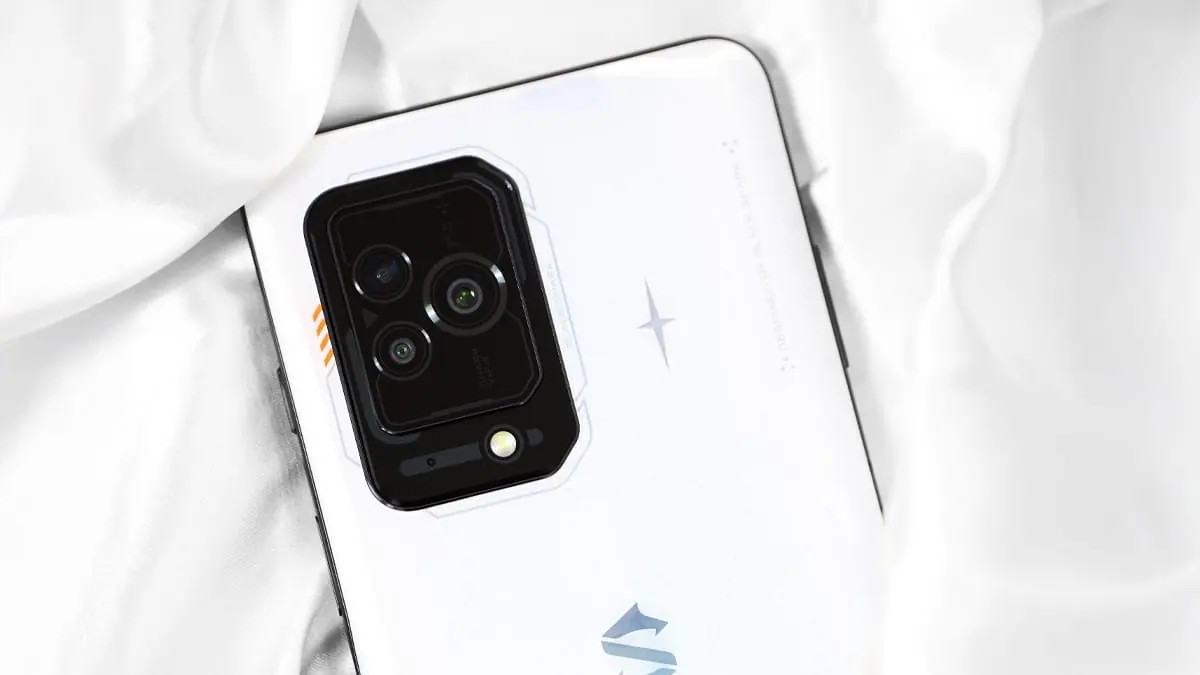
However, Black Shark's latest tablet and accessory lines have begun transitioning to the standard Android Open Source Project (AOSP) operating system. Abandoning HyperOS means users will lose the exclusive features and seamless multi-device connectivity that Xiaomi has built.
The challenge of being self-reliant.
Without the backing of Xiaomi, Black Shark faces three major challenges:
- Distribution system:Without the Xiaomi Mall channel, the company has to build its own or rely entirely on third parties, reducing profit margins and customer reach.
- Software development:Maintaining an R&D team to optimize a proprietary operating system (instead of customizing it on Xiaomi's existing platform) requires enormous financial resources.
- After-sales service:Users will no longer be eligible for warranty and repair services at Xiaomi's widespread authorized service centers.
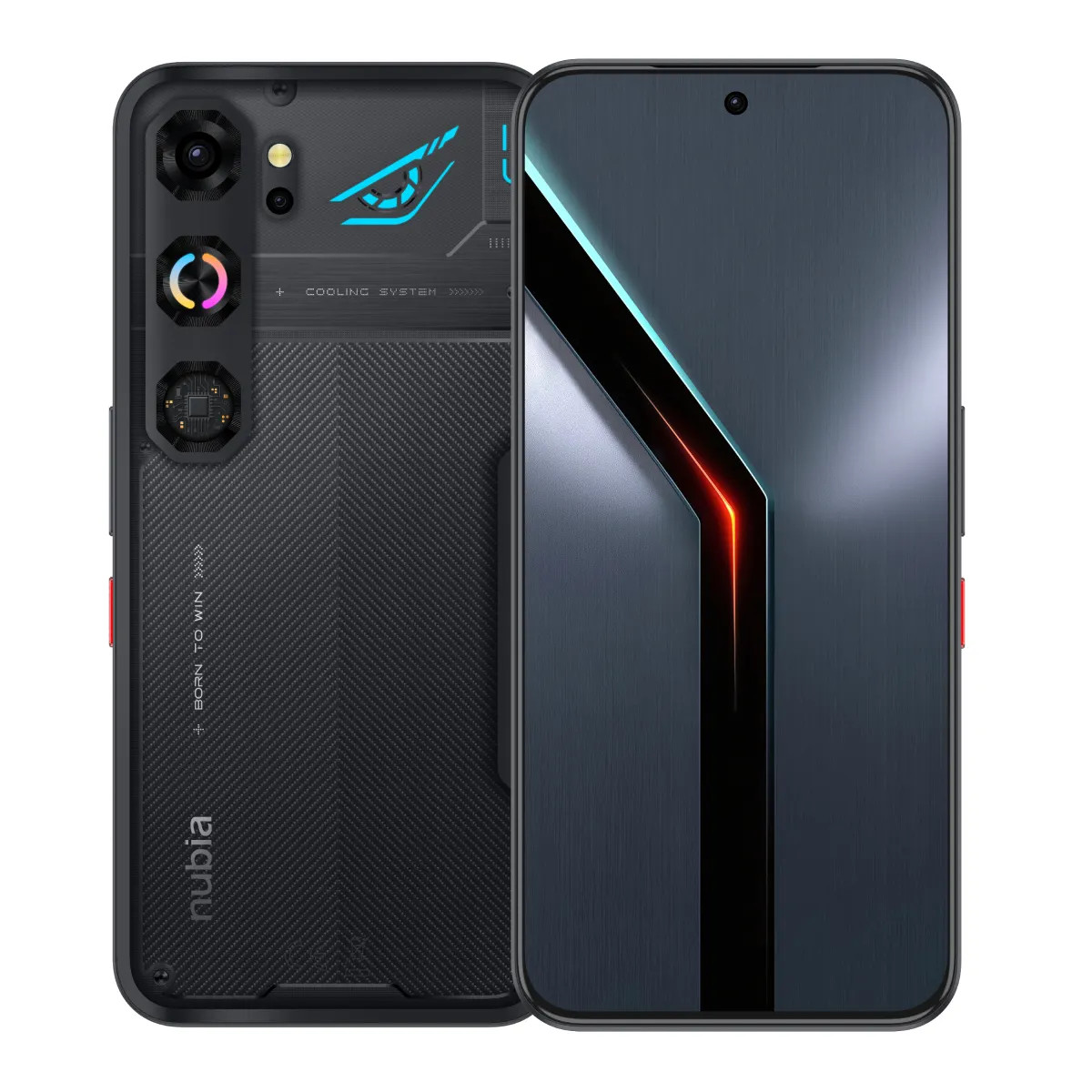
In the context of a gaming phone market that is gradually becoming saturated and facing fierce competition from versatile flagship models, Black Shark's decision to separate and operate independently is considered a risky move. Competitors like Nubia with its RedMagic line are continuously releasing products with powerful configurations and designs optimized for gamers, creating immense pressure on the future of "Black Shark".
| Technical specifications (Reference to competitors) | Nubia Neo 5 GT |
|---|---|
| Microprocessors | MediaTek D7400 |
| Screen | 6.8-inch OLED, 1.5K, 144Hz |
| Batteries & Chargers | 6210mAh, 80W Fast Charging |
| Camera | 50MP (Autofocus) |
| Connect | 5G, WiFi 6E, Bluetooth 6.0 |
The absence of Black Shark from Xiaomi's shelves could be the start of a new and challenging journey, where the brand must prove its core values without relying on the reputation of its former partner.


