
Soapberry opens up the possibility of growing cash crops on hilly land.
From trees once cut down when industrial shampoos became popular, the soapberry tree is making a comeback on many hills in Nghe An province in a different direction, becoming a commercial crop. The fresh fruit, dried fruit, seeds, and thorns all have value; pharmaceutical companies are actively seeking raw materials, while people are beginning to convert less productive acacia and fruit tree plantations to soapberry cultivation.
Initial effectiveness
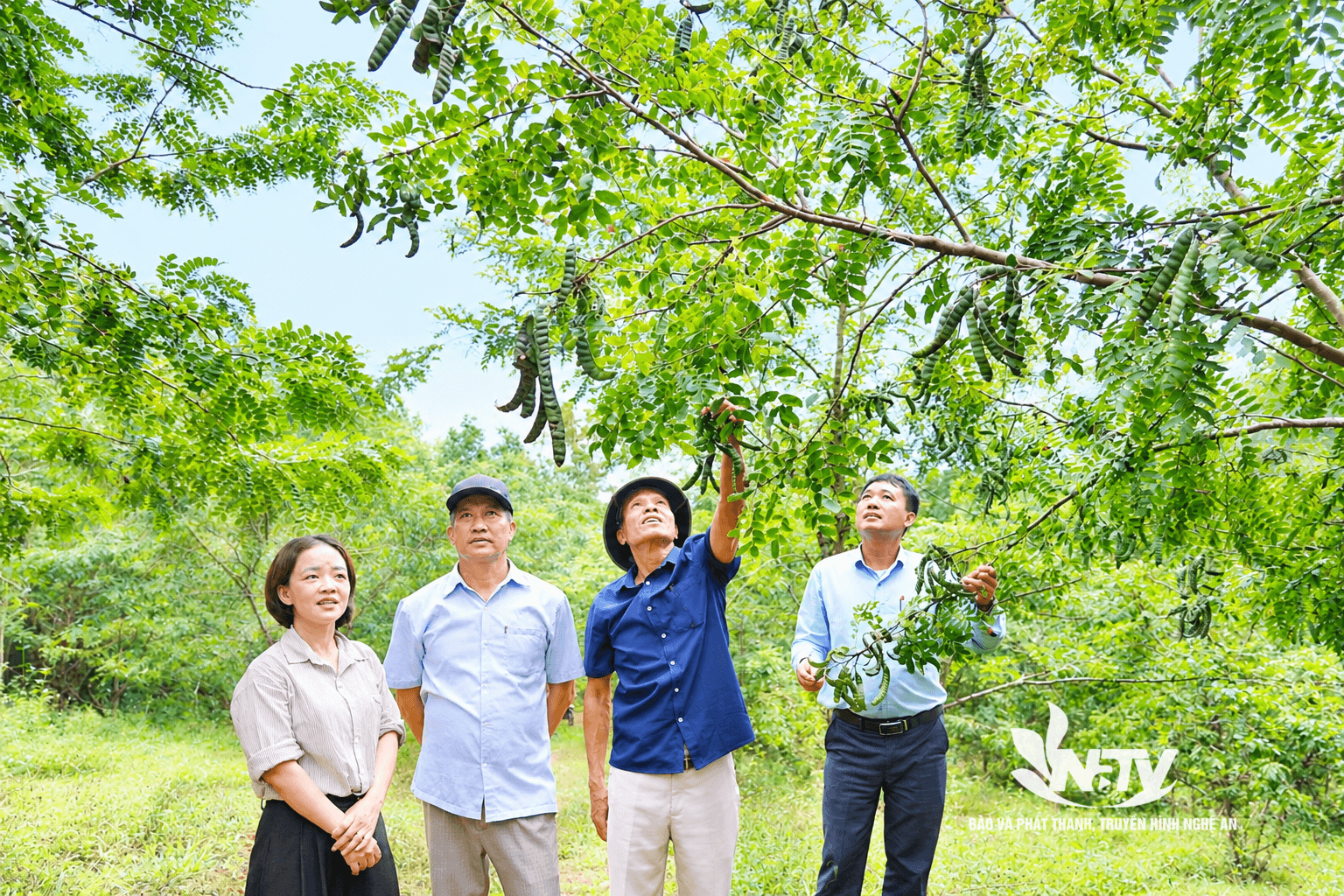
On a 1.5-hectare plot in Dong Ken hamlet, Van Du commune, acacia trees are covering the hillsides where Mr. Phan Van Hung's family had previously switched crops several times. Before, his family grew lychees and longans, but it wasn't profitable; they switched to cassava, but the market was unstable; then they planted acacia trees, but it wasn't very profitable and the soil was prone to erosion. After much research, in 2022, he decided to convert the entire area to acacia cultivation, with approximately 700 trees.
According to Mr. Hung, what reassures him about this crop is its ability to adapt to hilly terrain and the relatively low maintenance requirements. The orchard has few pests and diseases, mainly aphids appearing during the flowering season.
The trees flower in late May or early June according to the lunar calendar, and can be harvested about 3 months later. The orchard is currently only bearing its first fruits, so the yield is not yet high, but according to the family's calculations, when it enters the commercial stage, each tree could yield 35-50 kg of fruit per season.
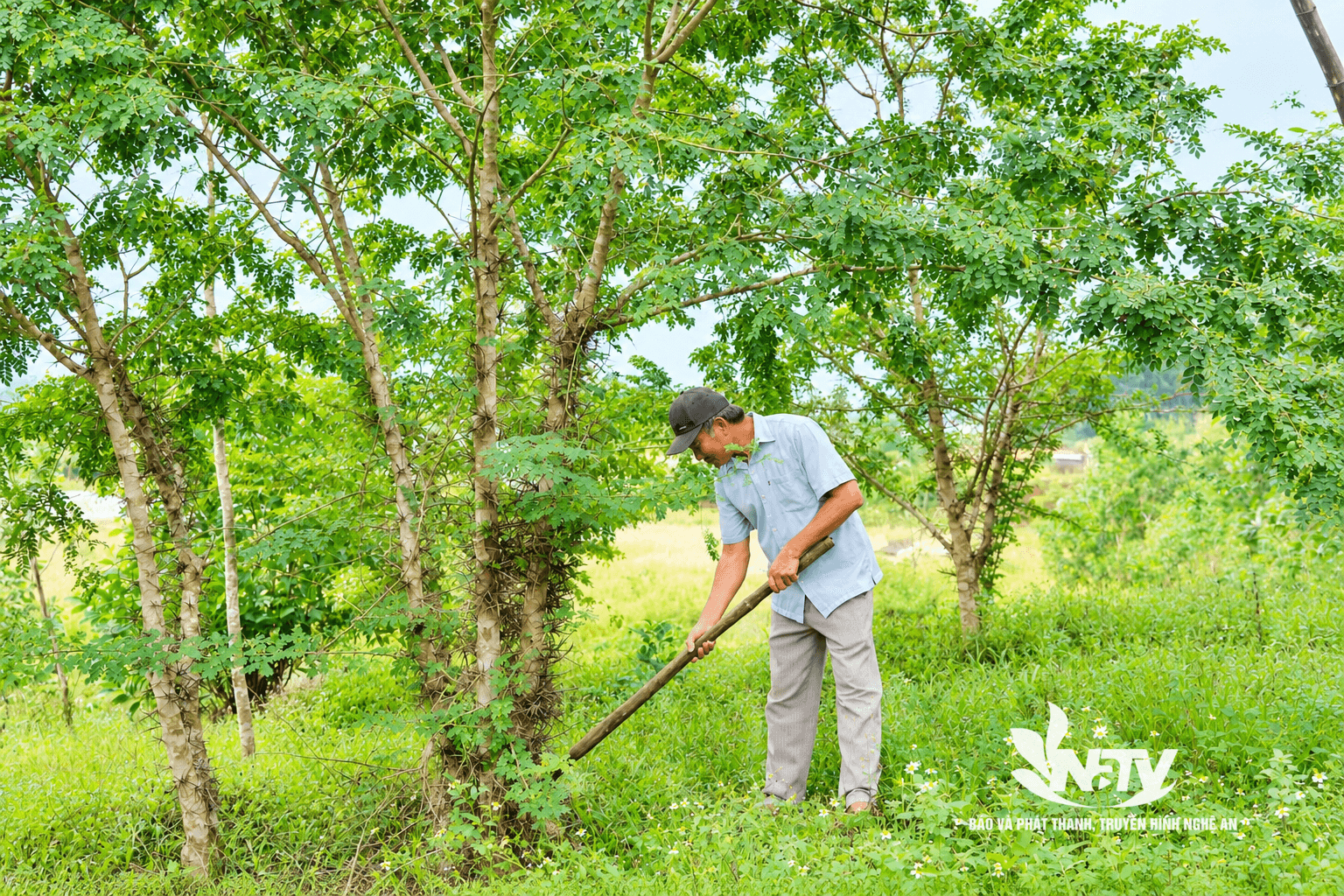
According to Mr. Hung's experience, to shorten the establishment time, growers can choose grafted seedlings instead of seedlings grown from seeds. "Grafted trees can bear fruit earlier, with larger, more uniform, and more abundant fruit; while trees grown from seeds have to wait longer before entering the fruiting period," Mr. Hung said.
In areas where soapberry cultivation is developing, grafted varieties are also a popular choice among farmers because the trees are healthier, grow better, and are more suitable for establishing commercial orchards.
Caring for the soapberry tree isn't overly complicated, but it's crucial to get it right from the start. The tree thrives in loose, well-drained soil; proper spacing is essential for optimal canopy development. In the early years, growers focus on maintaining moisture, weeding, mounding the soil around the base, and fertilizing. After each harvest, old and diseased branches should be pruned to create an airy canopy. As the tree matures, the absence of thorns compared to young trees makes harvesting easier.
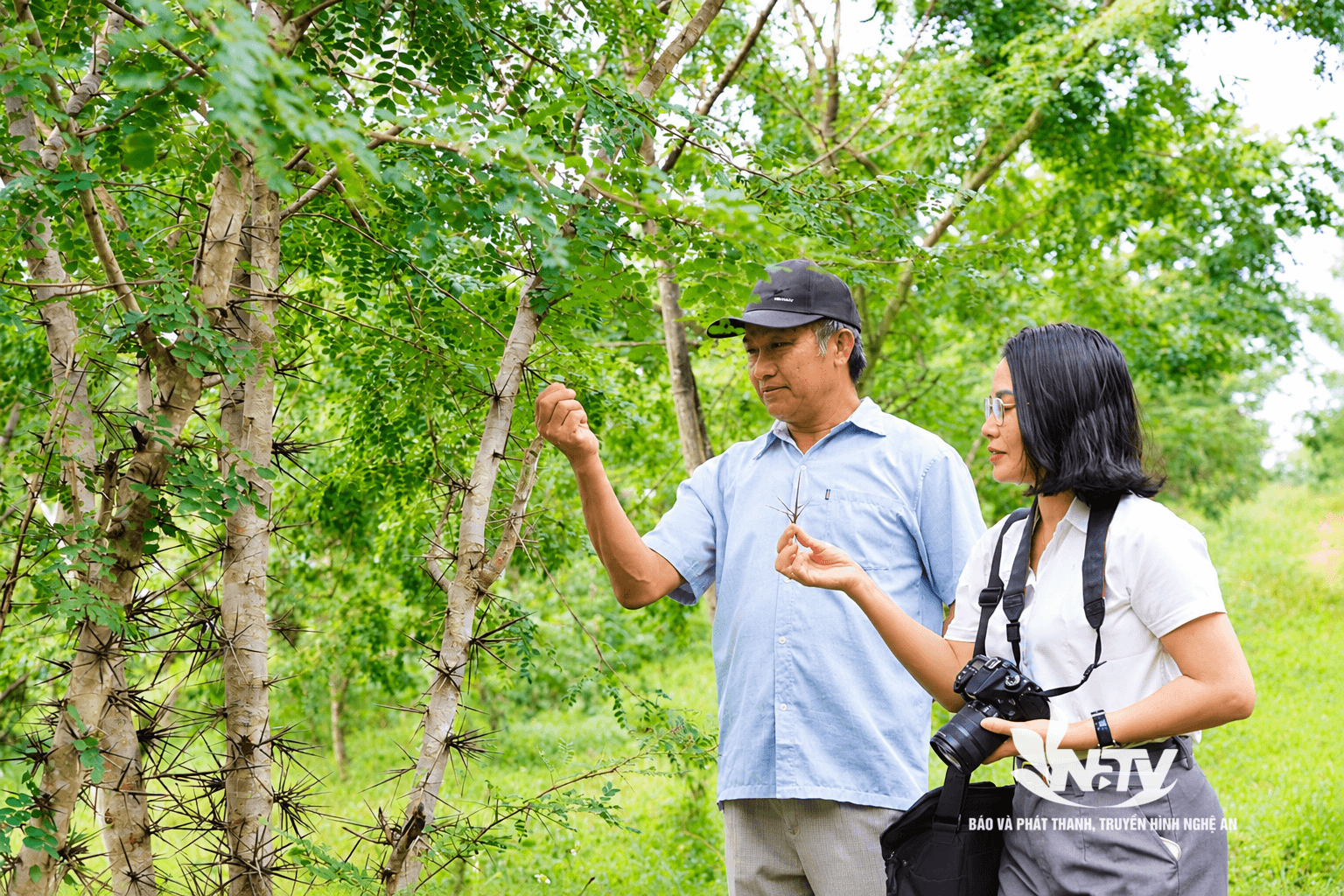
In Dong Ken hamlet, Mr. Tran Van Liem is also "betting" on this crop. In 2025, his family plans to clear their acacia plantation to plant 1,000 soapberry trees. They expect to sell off the remaining acacia trees and then switch to soapberry cultivation.
"Although still in the trial planting phase, the soapberry tree is very suitable for the soil conditions of this region," Mr. Liem shared.
Interestingly, this plant is not entirely unfamiliar to the locals. Previously, the village had many ancient soapberry trees, 30-50 years old, but these were gradually cut down as industrial shampoos became popular.
Expanding the cultivated area needs to be linked to the market.
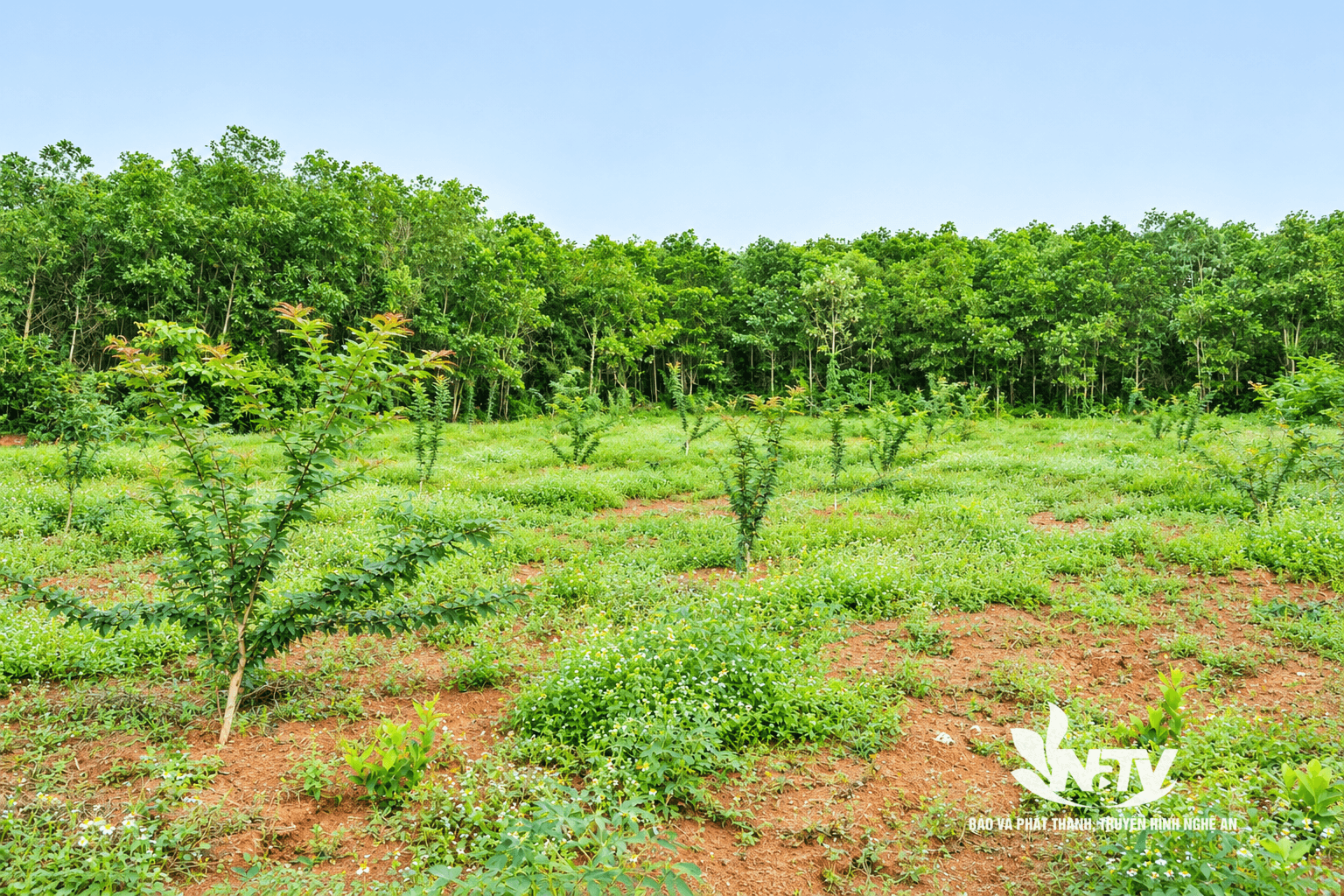
If the soapberry gardens in Dong Ken demonstrate the tree's adaptability to hilly terrain, then market demand is driving people to boldly switch to this crop. According to Mr. Hung, traders have come directly to the gardens, even placing deposits as soon as the trees begin to flower.
The current price of fresh soapberry at the farm is around 30,000-40,000 VND/kg; dried fruit is about 100,000-120,000 VND/kg, while soapberry thorns are purchased for about 150,000 VND/kg. The fact that many parts of the plant are valuable gives soapberry an advantage over some crops that only produce one type of product.
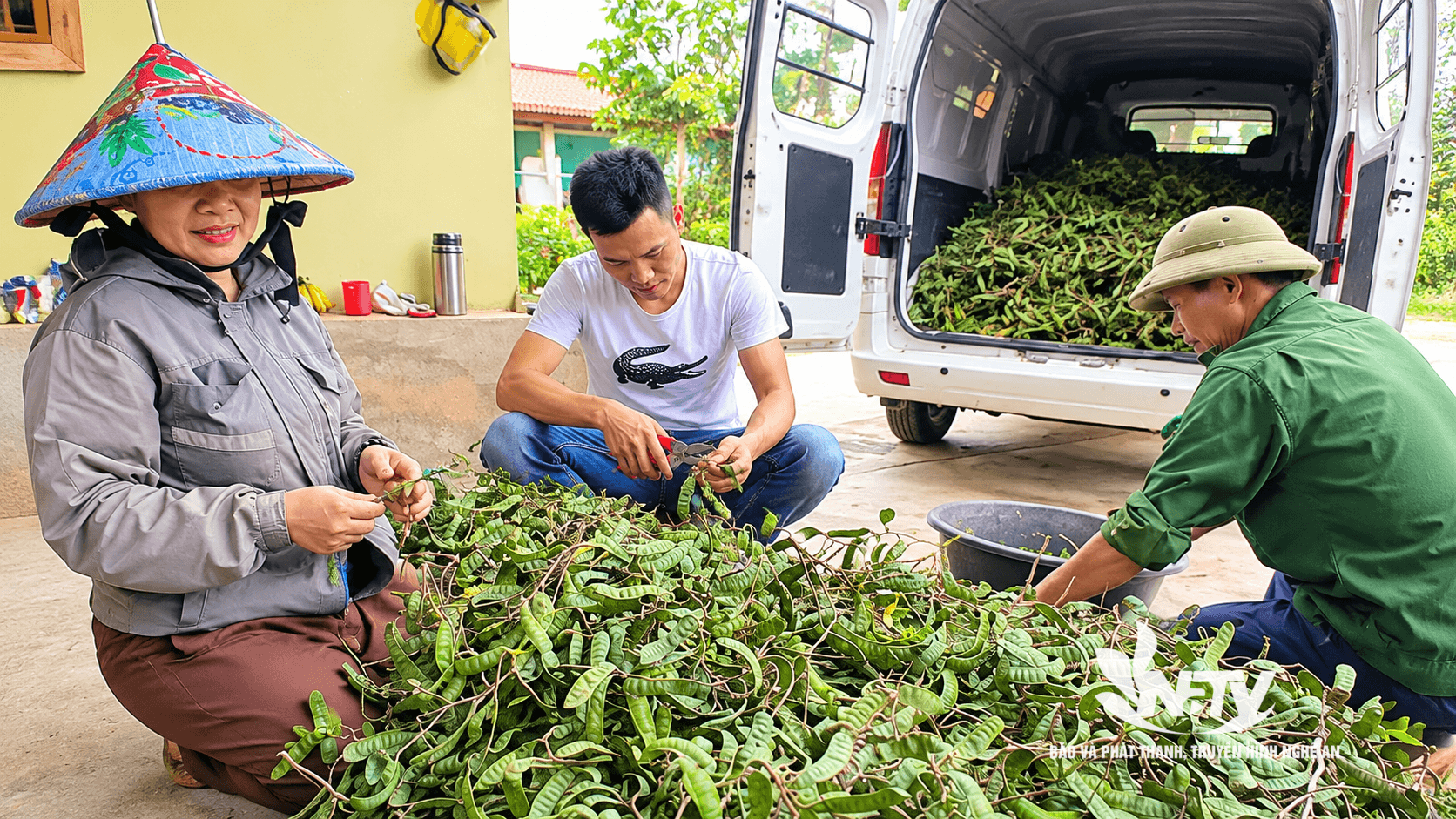
From the buyer's perspective, the demand for raw materials is also present. Ms. Tran Thi Vui, owner of Dat Vui herbal business in Quang Dong commune, said that her facility needs 5-7 tons of fresh soapberry (Gleditsia sinensis) annually to produce herbal shampoo. In some years, the supply of soapberry within the province is insufficient, and the business has to import it from other provinces.
To ensure a steady supply of raw materials, the facility has partnered with households in Quynh Tam commune to cultivate over 500 soapberry trees. According to Ms. Vui, soapberries grown in the hills of Nghe An province are considered to have a high saponin content, making them suitable for extracting raw materials for production.
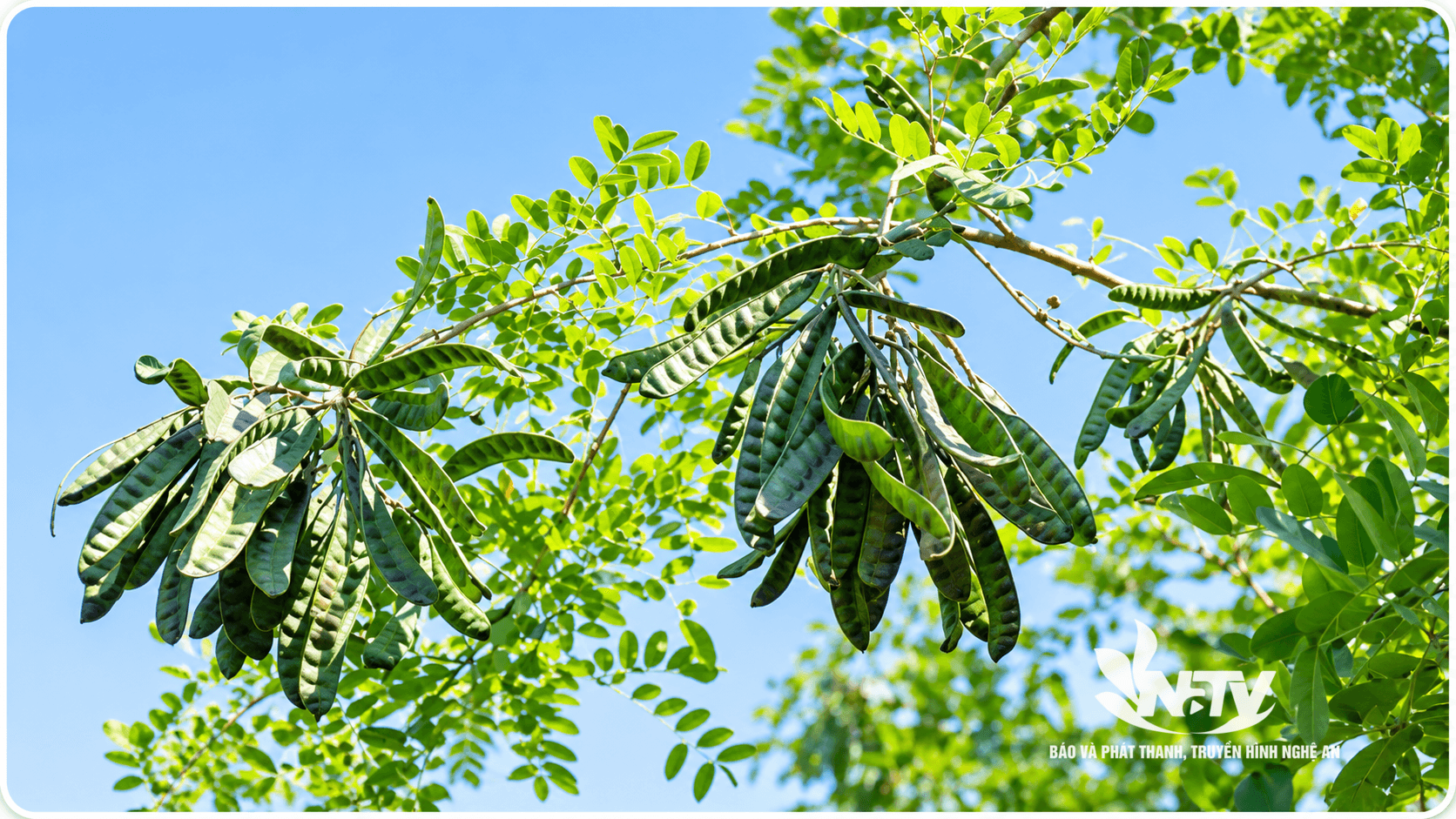
This demand is drawing people back to a seemingly forgotten plant. Not only is Mr. Liem converting his acacia plantation to acacia, but several other households have also started trying to grow it. Ms. Pham Thi Son in Hamlet 2, Van Kieu Commune, currently has 10 acacia trees and plans to expand to 50-100 more. With pharmaceutical companies seeking to purchase large quantities at a good price, acacia, once a home garden plant, is gradually being recognized as a viable raw material for commercial production.
However, even positive market signals necessitate caution. The current high price of soapberry doesn't necessarily mean larger acreage will lead to higher yields. If farmers simultaneously expand their acreage without considering actual demand, at some point supply might outpace demand, resulting in a bumper crop that is difficult to sell.
Therefore, the challenge for soapberry cultivation today is not just about what to plant on hillside land, but also about how much to plant, who to sell it to, and how to organize the raw material supply area.
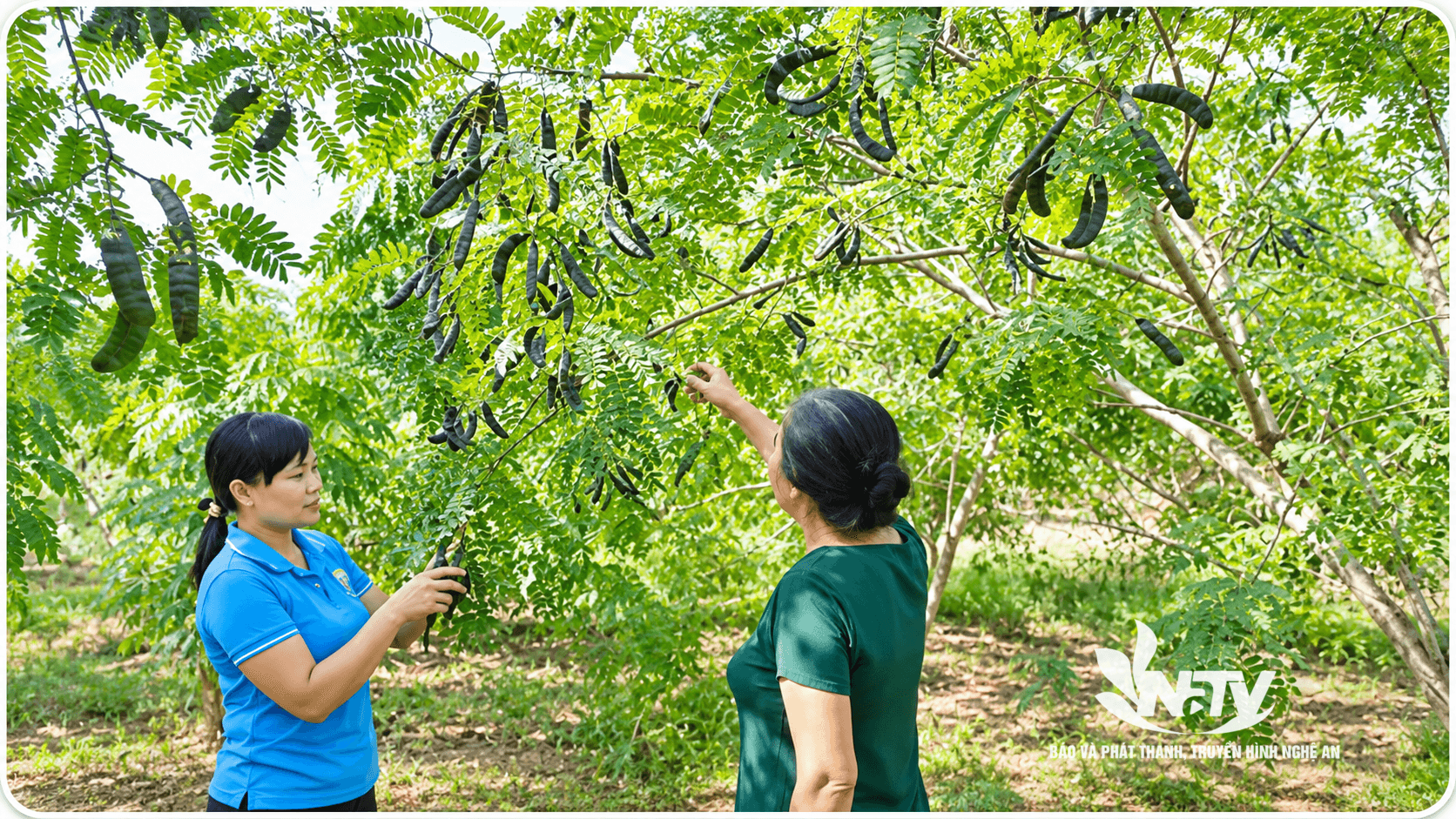
“According to recommendations, people need to thoroughly research the market before expanding their planting area, ideally establishing links or contracts with purchasing facilities. Along with that, they should choose seedlings from reputable sources, avoiding chasing after low prices or temporary trends. When businesses have stable demand, people have a concentrated raw material area, and both sides have clear links, the soapberry tree can move from trial plantings to sustainable commercial production,” said Ms. Nguyen Thi Hai, specialist in the Economic Department of Van Du Commune People's Committee.


