The Ministry of Interior denies rumors of mergers leaving 16 provinces.
Recently, information has been circulating on social media suggesting that the merger of 34 provinces and cities will continue, reducing the number to 16. The Ministry of Interior affirms that this information is false.
The "reorganization of the country" aims for long-term stability.
Trao đổi với phóng viên báo Dan Tri, Vụ trưởng Vụ Chính quyền địa phương, Bộ Nội vụ Phan Trung Tuấn cho biết, hiện nay Đảng, Quốc hội, Chính phủ không có chủ trương tiếp tục thực hiện sắp xếp, , thành phố hoặc các đơn vị hành chính cấp xã.
"Thông tin sắp xếp từ 34 tỉnh, thành hiện nay còn 16 tỉnh, thành trong giai đoạn tới đây hoàn toàn không chính xác", ông Phan Trung Tuấn khẳng định.
Quyết định “sắp xếp lại giang sơn” là bước đi lịch sử, có ý nghĩa chiến lược, đánh dấu một giai đoạn phát triển mới của việc hoàn thiện bộ máy hành chính nhà nước, hoàn thiện thể chế và tổ chức của hệ thống chính trị đồng bộ, tinh gọn, hiệu lực, hiệu quả, hướng tới hoàn thiện một nền hành chính quản trị hiện đại, gần dân, sát dân, vì nhân dân phục vụ, để mọi lợi ích thuộc về nhân dân.
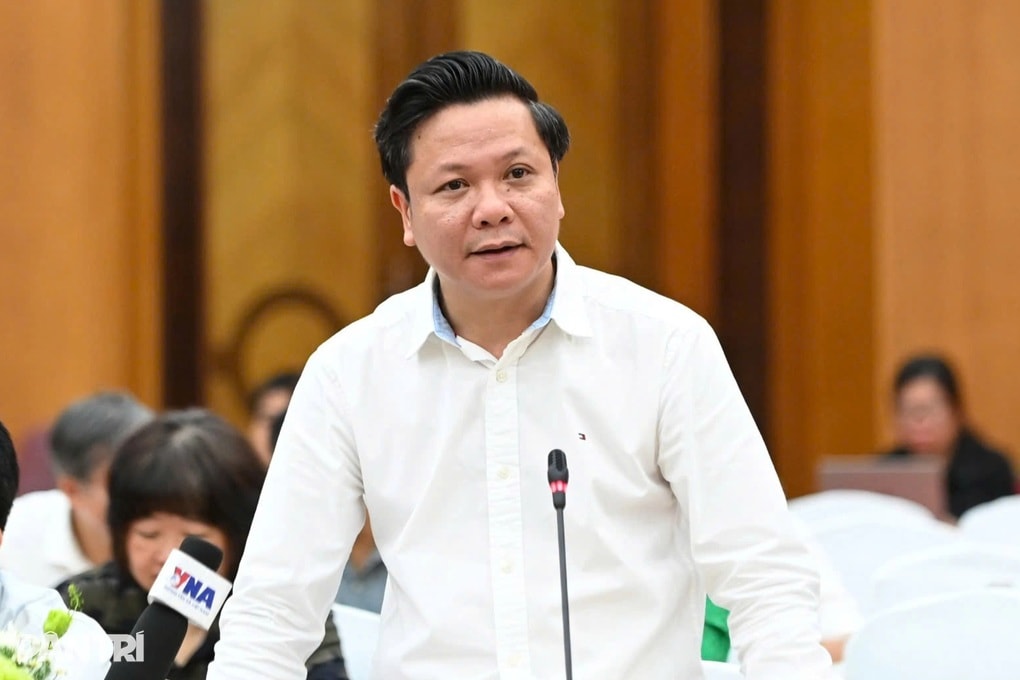
Vụ trưởng Vụ Chính quyền địa phương, Bộ Nội vụ Phan Trung Tuấn (Ảnh: Hải Long).
Ngoài mục tiêu tinh gọn tổ chức bộ máy, tinh giản biên chế, giảm chi ngân sách cho bộ máy; mở ra dư địa và không gian phát triển mới cho các địa phương, ông Phan Trung Tuấn cho biết cuộc cách mạng về sắp xếp đơn vị hành chính các cấp triển khai đầu năm 2025 còn hướng đến ‘‘ổn định lâu dài hệ thống đơn vị hành chính".
Chủ trương lớn này đã được Đảng, Quốc hội, Chính phủ nghiên cứu, cân nhắc rất kỹ lưỡng trước khi triển khai thực hiện.
"Với sự vào cuộc quyết liệt của toàn bộ hệ thống chính trị, từ ngày 1/7, mô hình chính quyền địa phương 2 cấp (gồm cấp tỉnh và cấp xã/phường) đã chính thức hoạt động ở tất cả các tỉnh, thành phố. Cả nước có 34 tỉnh/thành phố và 3.321 xã, phường, đặc khu", Vụ trưởng Vụ Chính quyền địa phương nhắc lại.
Trước đó, sáng 12/6, Quốc hội đã biểu quyết thông qua Nghị quyết về việc sắp xếp đơn vị hành chính cấp tỉnh năm 2025. Theo đó, cả nước có 34 đơn vị hành chính cấp tỉnh, gồm 28 tỉnh và 6 thành phố.
Trong đó, có 19 tỉnh và 4 thành phố hình thành sau sắp xếp quy định tại nghị quyết này gồm: Tuyên Quang, Lào Cai, Thái Nguyên, Phú Thọ, Bắc Ninh, Hưng Yên, Hải Phòng, Ninh Bình, Quảng Trị, Đà Nẵng, Quảng Ngãi, Gia Lai, Khánh Hòa, Lâm Đồng, Đắk Lắk, Thành phố Hồ Chí Minh, Đồng Nai, Tây Ninh, Cần Thơ, Vĩnh Long, Đồng Tháp, Cà Mau, An Giang và 11 tỉnh, thành phố không thực hiện sắp xếp là các tỉnh: Cao Bằng, Điện Biên, Hà Tĩnh, Lai Châu, Lạng Sơn, Nghệ An, Quảng Ninh, Thanh Hoá, Sơn La và thành phố Hà Nội, thành phố Huế.
Along with the reorganization of administrative units, from July 1st, the two-tiered local government model (consisting only of the provincial and commune/ward levels) officially came into operation in all provinces and cities.
Next, the policy of strongly promoting decentralization and delegation of power between the central and local governments, and between provincial and commune-level governments, will be implemented according to the motto: "Local authorities decide, local authorities act, and local authorities take responsibility."
The information being spread is completely false.
At the same time, Mr. Phan Trung Tuan added that the Ministry of Interior is currently drafting a Decree guiding the process of soliciting public opinion on the establishment, dissolution, merger, division, boundary adjustment, and renaming of administrative units, in order to replace Decree No. 54/2018/ND-CP and Decree No. 66/2023/ND-CP.
Accordingly, the draft decree does not include an appendix listing the reorganization and merger of 34 provinces and cities down to 16, as is being circulated on social media.
"The drafting of this decree is in accordance with the provisions of Law No. 72/2025/QH15 on the Organization of Local Government and Decision No. 1589/QD-TTg of the Prime Minister promulgating the Plan for the implementation of Law No. 72/2025/QH15 on the Organization of Local Government," Mr. Tuan emphasized.
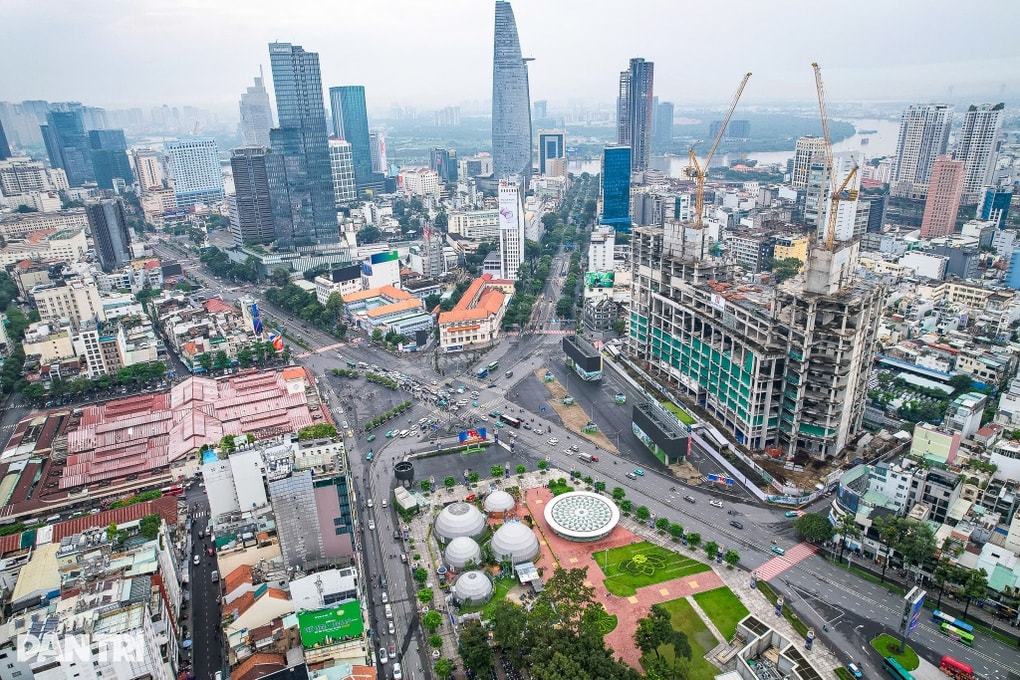
Information about the provincial merger circulating on social media is completely false (Illustrative image: Hai Long).
Mr. Tuan informed that this law has undergone fundamental changes, such as the provision that our country's administrative units are organized into two levels: provinces and centrally-administered cities (provincial level); and communes, wards, and special zones under the provincial level (commune level).
Accordingly, the administrative system no longer includes district-level administrative units, and a new type of "special zone" (commune level) has been established. However, Decree No. 54/2018/ND-CP and Decree No. 66/2023/ND-CP mentioned above are being designed to guide the process of soliciting voter opinions on the establishment, dissolution, merger, division, and adjustment of administrative boundaries according to the three-level model (provincial level - district level - commune level).
Accordingly, the Director General stated that it is necessary to issue a new government decree to provide specific guidance on implementation. The purpose of drafting and submitting this decree to the Government for promulgation is to guide the process of soliciting voter opinions in ordinary cases regarding the establishment, dissolution, merger, division, and adjustment of administrative boundaries of administrative units.
Specifically, Mr. Phan Trung Tuan cited examples such as the establishment of wards on the basis of rural communes when the communes meet the standards and conditions for upgrading to wards (urban areas); and the adjustment of administrative boundaries in cases where it is truly necessary due to changes in geology, topography, or the impact of socio-economic development that requires adjustments to suit practical management, and not for the purpose of rearranging or merging administrative units at different levels as misleading information has been circulating on social media recently.