
Rare Hantavirus outbreak on cruise ship: 3 deaths, WHO warns of cross-infection risk.
The World Health Organization (WHO) and relevant authorities are working to control a rare hantavirus outbreak on the MV Hondius cruise ship, currently anchored off Cape Verde. The incident has resulted in three passenger deaths and forced the ship's operator to conduct an emergency medical evacuation before returning the vessel to Spain.
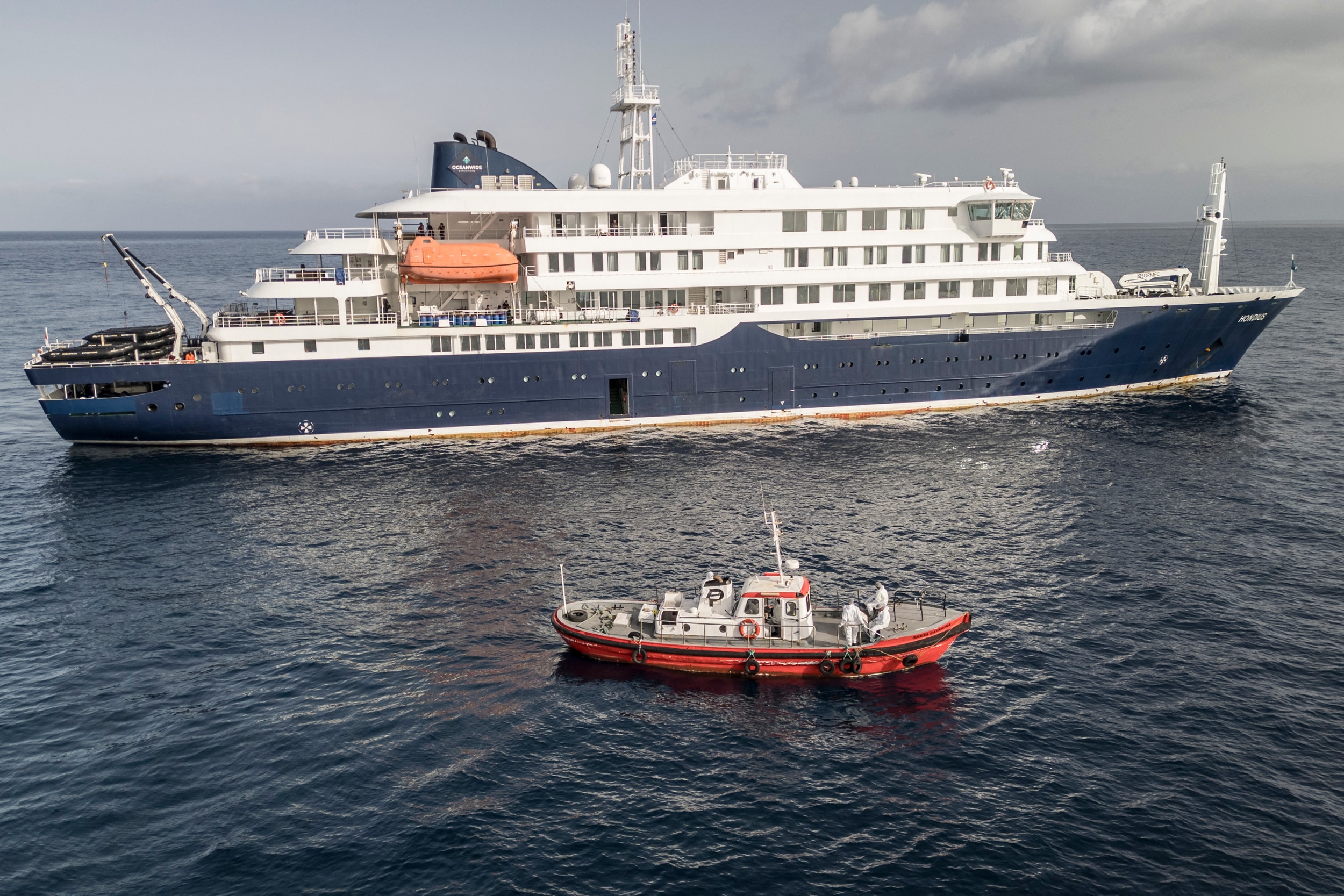
According to an announcement on May 6th from the Dutch operator Oceanwide Expeditions, two seriously ill crew members will be evacuated via Cape Verde for urgent medical treatment in the Netherlands. A third person, who had close contact with the German female passenger who died on May 2nd, will also be evacuated on the same trip. Currently, Cape Verde authorities have refused permission for the cruise ship to dock.
The WHO representative in Cape Verde, Ann Lindstrand, said that after the medical evacuation is complete, the MV Hondius will continue its journey. According to the plan, the ship will head north to the Spanish Canary Islands (Gran Canaria or Tenerife), a journey expected to take about three days. The Spanish Ministry of Health confirmed this information, explaining that, in consultation with the WHO, the Canary Islands are the nearest location with sufficient medical capacity to receive, examine, and assist in the safe repatriation of passengers.
The MV Hondius cruise ship, flying the Dutch flag and carrying 88 passengers and 59 crew members of 23 different nationalities, departed from Ushuaia (Argentina) on April 1st. According to WHO data, the outbreak has recorded 2 positive cases of hantavirus and 5 suspected cases.
The first fatality was a 70-year-old Dutch male passenger who fell ill on April 6th and died on April 11th. His body was brought ashore on the British island of Saint Helena on April 24th.
His wife (69 years old) developed digestive symptoms, her condition rapidly worsened on a flight to Johannesburg, South Africa, on April 25th, and she died in hospital the following day. South African authorities are urgently tracing 82 passengers and 6 crew members who were on the same flight.
The third victim was a German woman who developed a fever on April 28, which later progressed to pneumonia, and she died on board the ship on May 2.
Additionally, a 69-year-old British male passenger is currently in intensive care in Johannesburg in critical condition but is gradually stabilizing. Two crew members (one British and one Dutch) are experiencing acute respiratory symptoms. To minimize risk, all passengers on board have been asked to isolate in their cabins while authorities carry out disinfection.
Hantavirus is typically transmitted from infected rodents to humans through contact with their urine, feces, and saliva. However, Maria Van Kerkhove, WHO's Director of Pandemic Preparedness and Prevention, said reports confirmed "no rats were on board."
Based on the typical incubation period of 1 to 6 weeks, the WHO believes the Dutch couple most likely contracted the disease before boarding the ship during their stay in South America. Of particular concern is the current working hypothesis of experts, which points to the emergence of an Andes virus – the only hantavirus strain recorded to date capable of human-to-human transmission.
"We believe that person-to-person transmission may be occurring between individuals in very close contact," warned Ms. Van Kerkhove. South African researchers are currently conducting genetic sequencing to draw definitive conclusions about this virus strain.


