
BYD Dolphin 2026 upgraded version: new design, larger battery.
The BYD Dolphin 2026 prototype has appeared with slimmer headlights, a Blade 2.0 battery, and a claimed range exceeding 520 km according to CLTC. According to Car News China, the vehicle is expected to launch between June and August 2026, with many chassis and powertrain improvements.
According to Car News China, BYD is finalizing an upgrade for its all-electric compact hatchback, the Dolphin. Test vehicles in China are heavily camouflaged, but still reveal significant changes to the design, chassis, and battery system. The focus is on the Blade 2.0 battery pack and the potential to increase the driving range to over 520 km per charge using the CLTC cycle in the highest configuration.
Notably, local sources indicate that BYD may apply Cell-To-Body technology to the new Dolphin, while also upgrading the rear suspension and expanding the powertrain options. Many of these details are currently in the speculative or testing phase, so we need to wait for official announcements when the car is expected to launch sometime between June and August 2026.
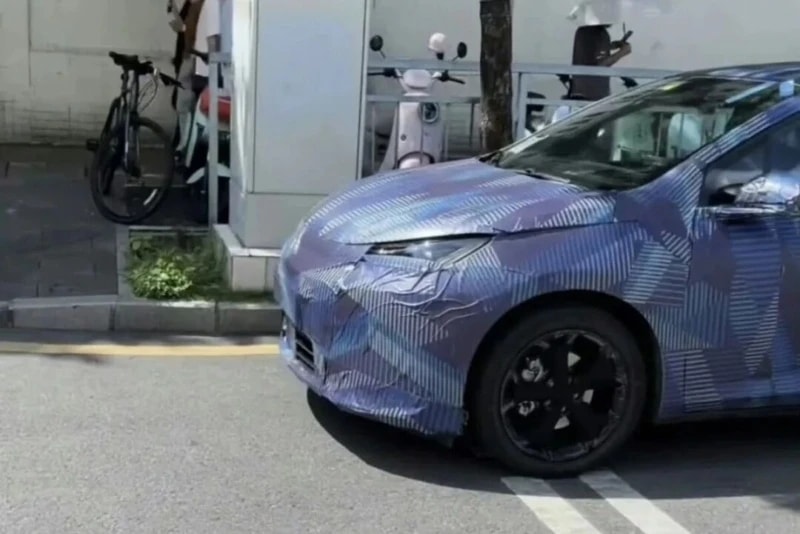
Ocean Aesthetics design language, streamlined aerodynamic details.
Viewed from the front, the 2026 BYD Dolphin features slimmer headlights and smaller air intakes, giving it a cleaner and more modern feel compared to the current model. The rear has been subtly redesigned to align with the brand's Ocean Aesthetics design language.
The basic dimensions remain unchanged, with a length x width x height of 4,280 x 1,770 x 1,570 mm respectively, and a wheelbase of 2,700 mm. This indicates that BYD approached the upgrade with a focus on optimizing aerodynamics and brand recognition rather than altering the body proportions.
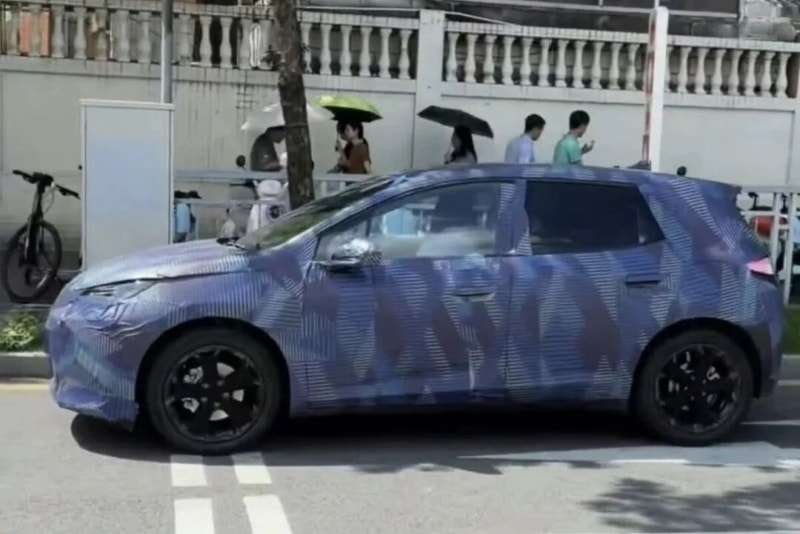
Minimalist cabin design, focusing on floating screens and connectivity.
The interior is described as simpler, featuring two-tone seats and a floating touchscreen. The highlight is the DiLink 5.0 infotainment system with a Qualcomm 8295 chip, boasting a voice response time of reportedly 0.8 seconds (according to sources). This layout aligns with the trend of optimizing the digital experience on the dashboard, minimizing physical buttons.
Driver assistance features are at level L2+, meaning they are still advanced assistance, not autonomous driving; the driver must maintain control and be ready to intervene in all situations.
Chassis and powertrain: many promising improvements
Reports suggest the new BYD Dolphin may feature an upgraded rear suspension, most likely a 4-link or even 5-link system. If implemented, this would be a worthwhile change for a compact electric hatchback, aiming for a balance between ride comfort and body stability.
On the other hand, BYD is expected to add a rear-wheel drive option, coupled with a more powerful electric motor. The top-of-the-line version could achieve a range of over 520 km per charge, according to CLTC, thanks to a larger battery pack. The Blade 2.0 battery is also highlighted for its cold-weather resistance: it can maintain 82% of its usable capacity at -30 degrees Celsius.

Maintain the platform size, expand the configuration.
Maintaining the same dimensions and 2,700 mm wheelbase indicates that BYD hasn't changed the basic interior space of the Dolphin. Instead, the company is focusing on functionality and usability: possibly adding a front trunk, a longer driving range, and a rear-wheel drive option (according to rumors). These changes, if implemented in the commercial version, would expand the customer base from urban to intercity driving.
Safety and technology: L2+ is at the heart of it.
The L2+ driver assistance system is expected to remain a central focus, working in conjunction with the DiLink 5.0 software infrastructure. At the L2+ level, the vehicle provides assistance, not replaces the driver; the driver must actively observe and intervene when necessary. Information regarding independent safety certifications (e.g., NCAP) has not yet been released and will be announced upon the vehicle's launch.
Key specifications and milestones
| Category | Current BYD Dolphin (VN GLX 2024) | BYD Dolphin 2026 (expected) |
|---|---|---|
| Size (mm) | 4,280 x 1,770 x 1,570; wheelbase 2,700 | Dimensions remain unchanged at 4,280 x 1,770 x 1,570; wheelbase 2,700. |
| Engine | Electric, 94 horsepower, 180 Nm | Stronger (according to reports), details not yet released. |
| Drivetrain | Not to be published | Rear-wheel drive is possible. |
| Rear suspension | Not to be published | It could be 4 links or 5 links |
| Maximum operating range | 405 km per charge | Over 520 km per charge (CLTC cycle, premium version) |
| Battery | Not to be published | Blade 2.0 can maintain 82% capacity at -30°C. |
| Interior/Infotainment | Central display screen; according to Vietnamese configuration. | Floating display; DiLink 5.0; Qualcomm 8295 chip; 0.8-second voice response. |
| Time/Price | Price: 659 million VND (Vietnam, GLX 2024) | Expected launch 6–8/2026; 99,800–129,800 RMB (approximately 14,000–18,200 USD) |
Pricing, positioning, and market context
In China, BYD Dolphin achieved sales of 21,888 units in September alone (according to Car News China), leading the compact electric vehicle segment. The upgraded version is expected to be priced at 99,800–129,800 RMB, equivalent to approximately $14,000–$18,200 USD, depending on the configuration. In Vietnam, the Dolphin launched in June 2024 with a single GLX version, priced at 659 million VND; the claimed maximum range is 405 km per charge, with 94 horsepower and 180 Nm of torque.
Thus, the 2026 model is positioned as an advancement in range and battery technology, while also expanding powertrain options (if commercialized as the test information suggests). The design changes mainly focus on refining the visual identity, in line with the mid-life upgrade cycle.
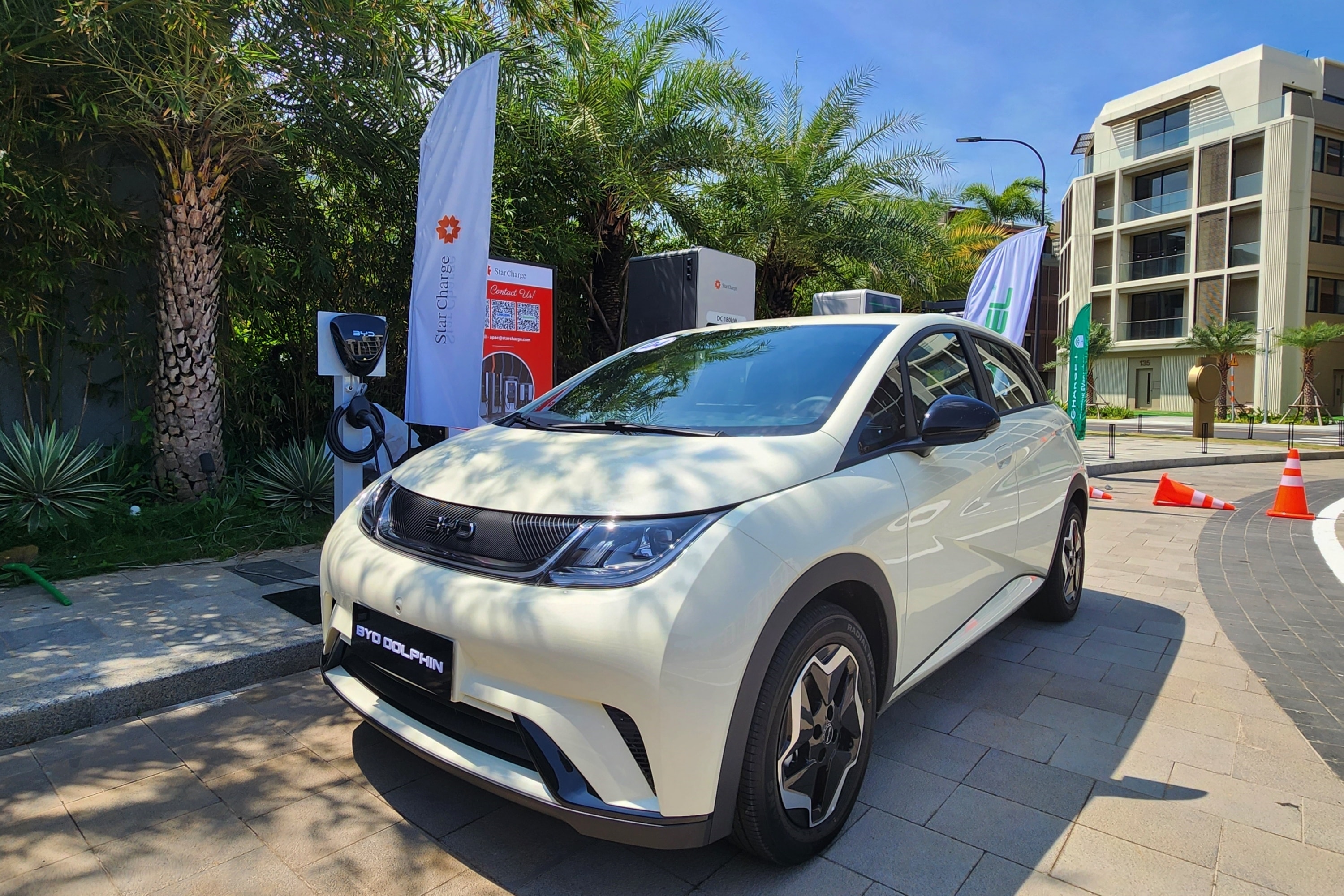
Conclusion: Upgrades should focus on battery life and configuration range.
The 2026 BYD Dolphin demonstrates a focus on improving efficiency by switching to the Blade 2.0 battery and enhancing the powertrain/chassis. While the design has been subtly refined, changes to the platform and technology promise a clear difference in range and versatility, especially if rear-wheel drive and multi-link rear suspension options become available on the production version.
- Advantages: The claimed range can exceed 520 km (CLTC) in the higher trims; Blade 2.0 battery; many chassis and powertrain components have been upgraded; minimalist interior with the DiLink 5.0 platform.
- Limitations/Points for Clarification: Most specifications are unreleased; much information is speculative; L2+ driver assistance is not autonomous driving; the launch date is still awaiting confirmation.


