
Giang River catfish: Delicious from the water, sweet from the vast forest.
From the clear blue waters of the vast forest, the Giang River catfish carries a rich, sweet, and subtly bitter flavor. Not only does it sustain human life, but this fish also holds the memories and culture of the Thai and Dan Lai people in this border region.
Rice from Muong Qua, fish from Giang River
In mid-April 2026, amidst the vibrant festive atmosphere of Mon Son border commune, we met Artisan Luong Van Nghiep. At over 65 years old, he still enthusiastically sang Thai folk songs, tapping his fingers to the rhythm, his eyes shining with joy.
At the end of the performance, he invited guests to his specialty stall to enjoy sticky rice, rice wine, and grilled fish – the very things that make up the familiar folk verse, "Rice from Muong Qua, fish from Giang River."
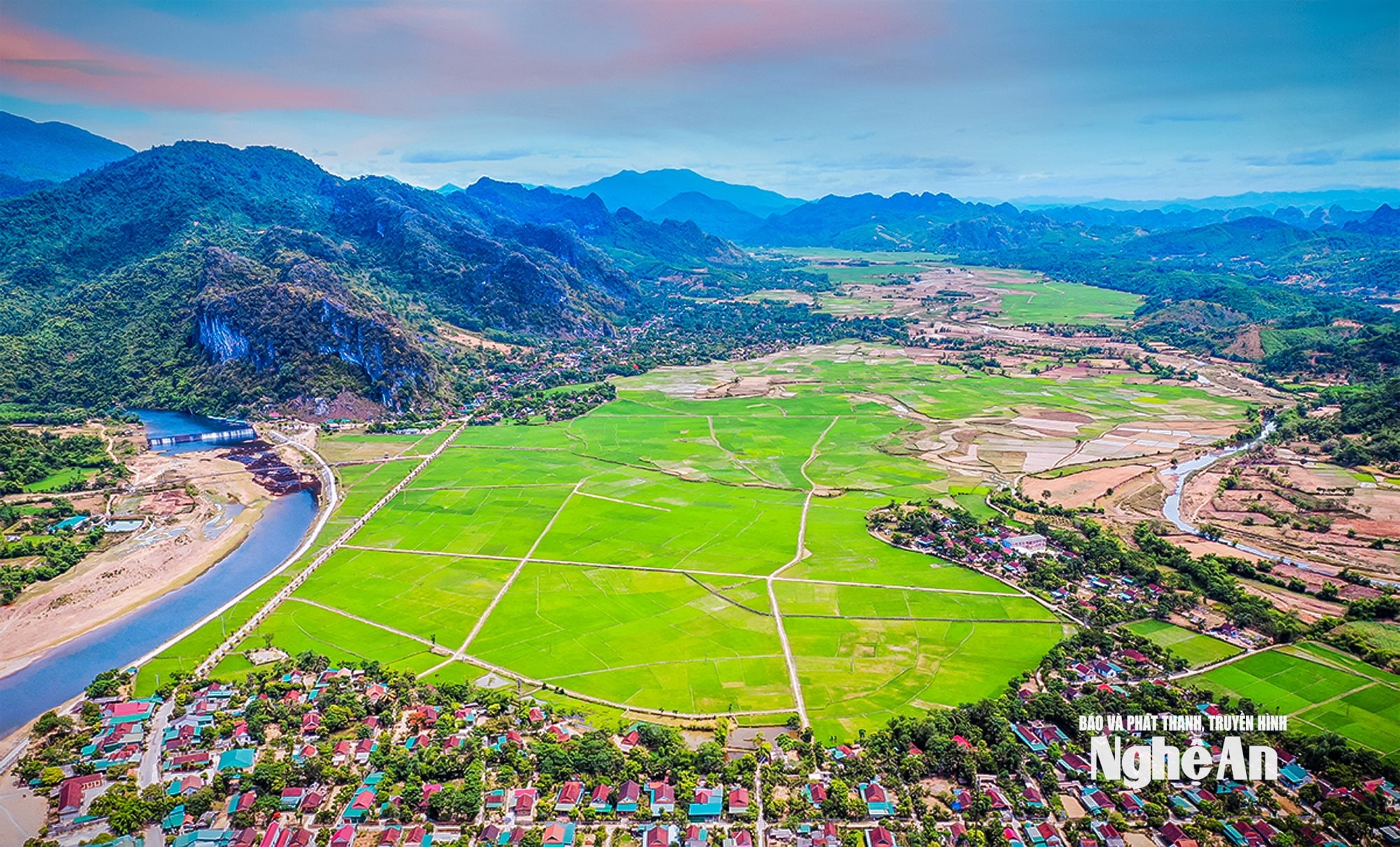
Beside a jar of rice wine, Mr. Nghiep slowly explained the age-old folk verse. According to it, Muong Qua (now Mon Son commune) is a plain nestled between mountains. Here, thanks to the ancient alluvial soil and stable water sources from streams flowing from the forest, the people developed rice cultivation early on, creating a type of rice with uniform, sticky, fragrant grains and the best natural sweetness in western Nghe An province, a taste you'll never forget... "And the fish from the Giang River are a gift from the great forest," Mr. Nghiep shared.
The Giang River is a first-order tributary of the Lam River, originating in the high mountainous region of the Vietnam-Laos border. Its flow is mainly northwest-southeast. The river flows through Mon Son commune, then merges with the Lam River in the former Thanh Chuong district. The river is approximately 77 km long (most of its length runs through the core area of Pu Mat National Park – a UNESCO-recognized Western Nghe An Biosphere Reserve). The river basin covers an area of approximately 1,050 km².
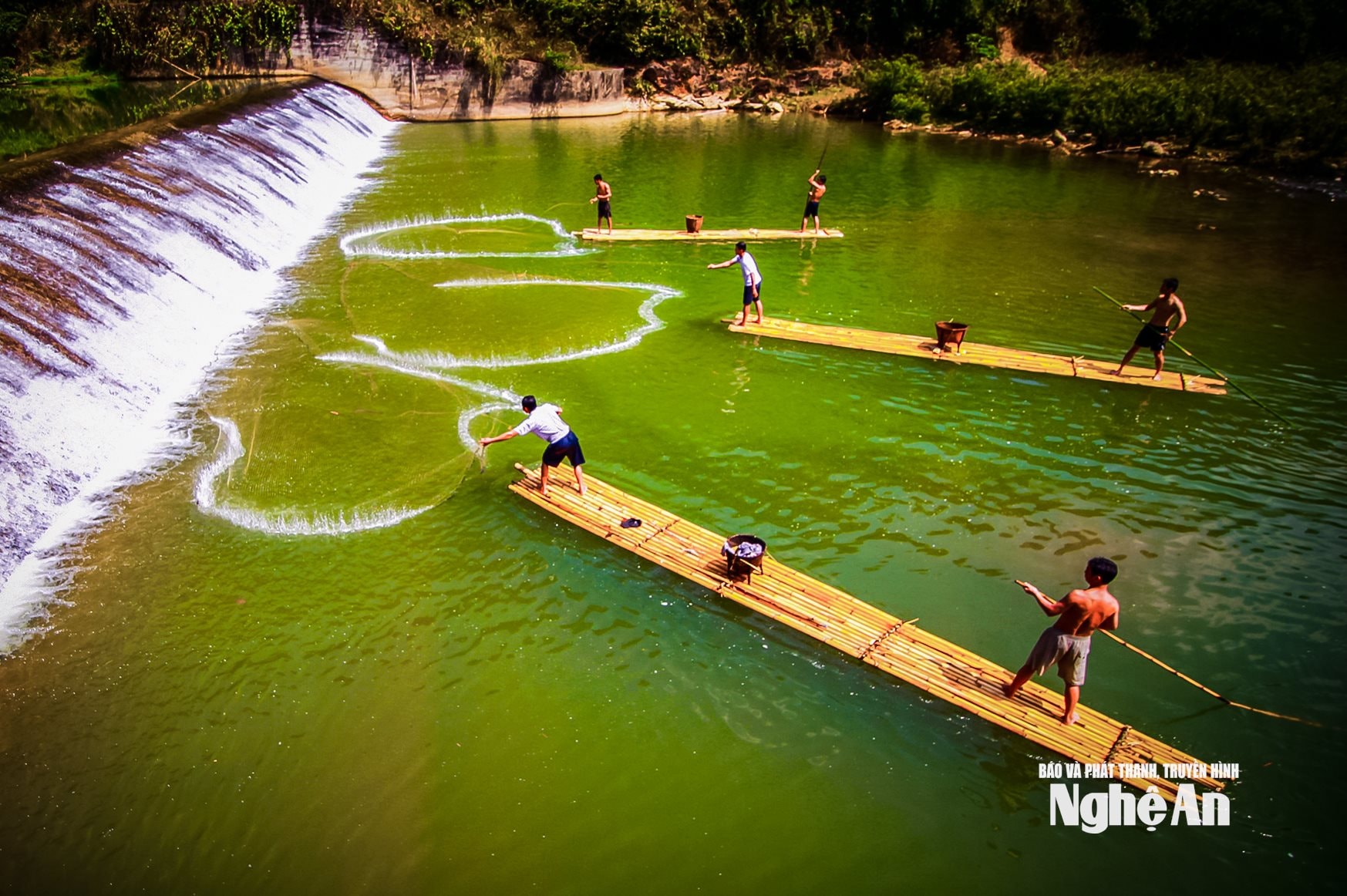
The Giang River is typical of a mountain river, with a moderately steep slope, numerous rapids and waterfalls, and a narrow channel. The river water is clear and blue, with a strong current and less sediment compared to river systems in the plains. The aquatic ecosystem of the Giang River is quite rich, with over 30 recorded fish species. Some species have high economic and culinary value, including: catfish, snakehead fish, and other species... among which catfish is the most representative delicacy. Giang River fish live in fast-flowing water, have firm flesh, and a rich yet delicate sweet flavor.
Besides providing water and aquatic resources, the Giang River is also of great importance to the lives of ethnic minority communities such as the Thai and Dan Lai living along its banks. The river serves as a source of drinking water, a natural transportation route, and is associated with many traditional cultural and production activities.
In terms of development potential, the Giang River is currently being exploited to a certain extent for ecotourism. Activities such as boat trips, forest exploration, and village experiences are organized in Mon Son commune. However, the river landscape still retains its natural, pristine character.
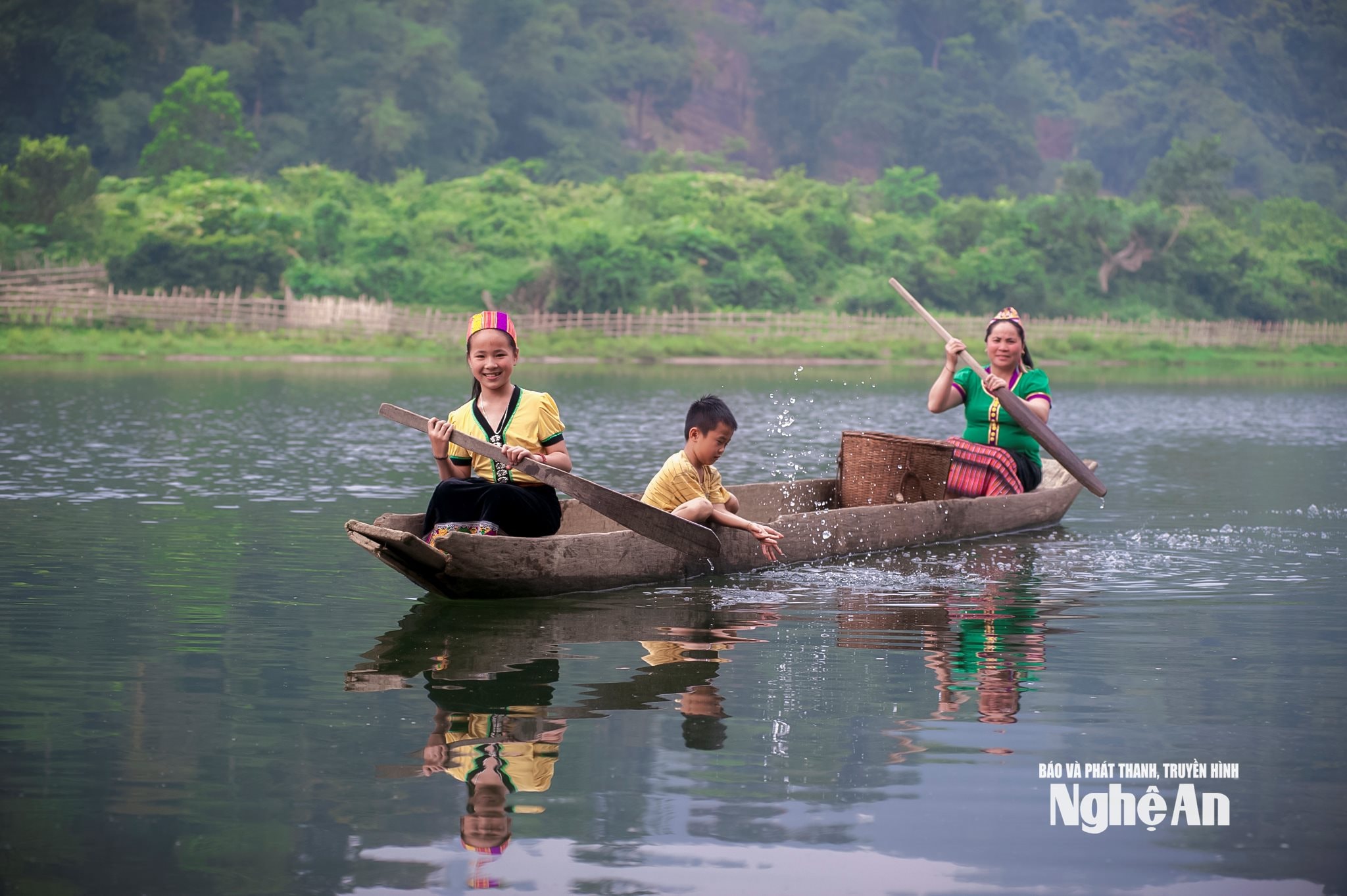
Amidst the festive atmosphere, beside the jar of rice wine and the stories of Artisan Luong Van Nghiep, every grain of Muong Qua rice, every fish from the Giang River carries the memories of the land and people of Mon Son...
Catfish - the most delicious delicacy of the river and waterways.
After leaving the festival, we sought out fishermen and chefs from restaurants along the Giang River to learn more about the "ca mat" fish – the most representative specialty of this region...
According to Mr. Phan Duc Thang (a resident of Lang Xieng village with nearly 30 years of experience fishing on the Giang River): The "ca mat" fish is a characteristic freshwater fish of western Nghe An province, mainly living in fast-flowing, rocky areas. The fish are small, with round bodies; the smallest are usually only 2-3 fingers long, the largest weighing around 8 taels (0.8 kg). This is one of the fish species with high economic value and is favored by the market. Currently, the price of "ca mat" fish is around 400,000 VND/kg.
Mr. Thang affirmed: Although found in many places, the Giang River catfish is still the most unique and delicious. Specifically, Giang River catfish thrive in the core area of Pu Mat National Park – where the water flows strongly, there are many rocky rapids, little silt, and it is almost unpolluted. This condition forces the fish to move constantly, resulting in a firm body with less fat. Meanwhile, catfish from other rivers and streams, especially those in slow-flowing or heavily disturbed areas, tend to have softer flesh.
Giang River catfish has soft bones, scales that aren't too hard, and firm but not dry flesh. When cooked, the fish retains its shape and doesn't fall apart. In contrast, fish from other regions tend to fall apart more easily when cooked, especially in braised or grilled dishes... Giang River catfish stands out with its rich sweetness, accompanied by a subtle bitterness in the intestines – a very distinctive "bitter yet fragrant" taste. Fish from other regions often have a harsh or bland bitterness, lacking that lingering aftertaste.
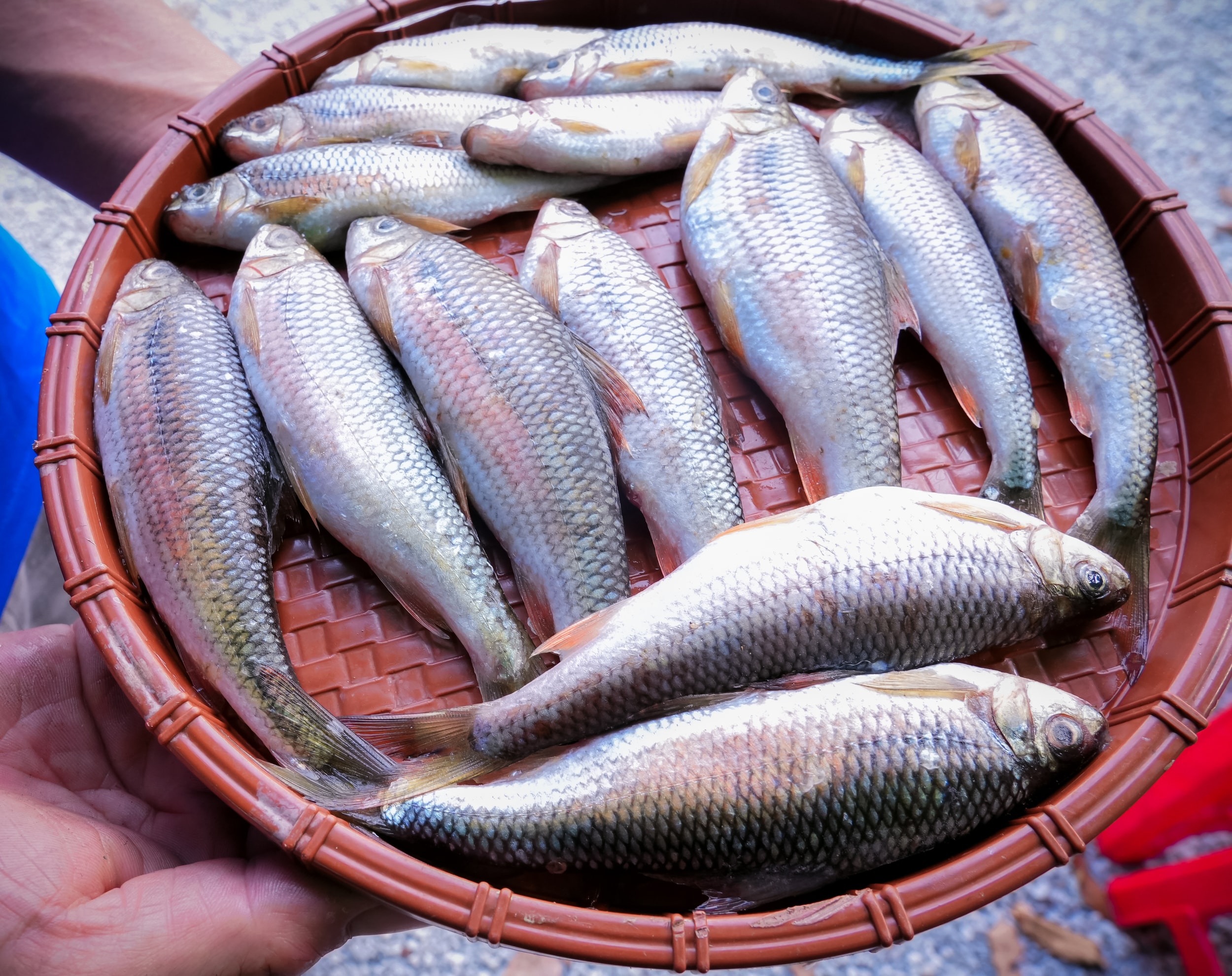
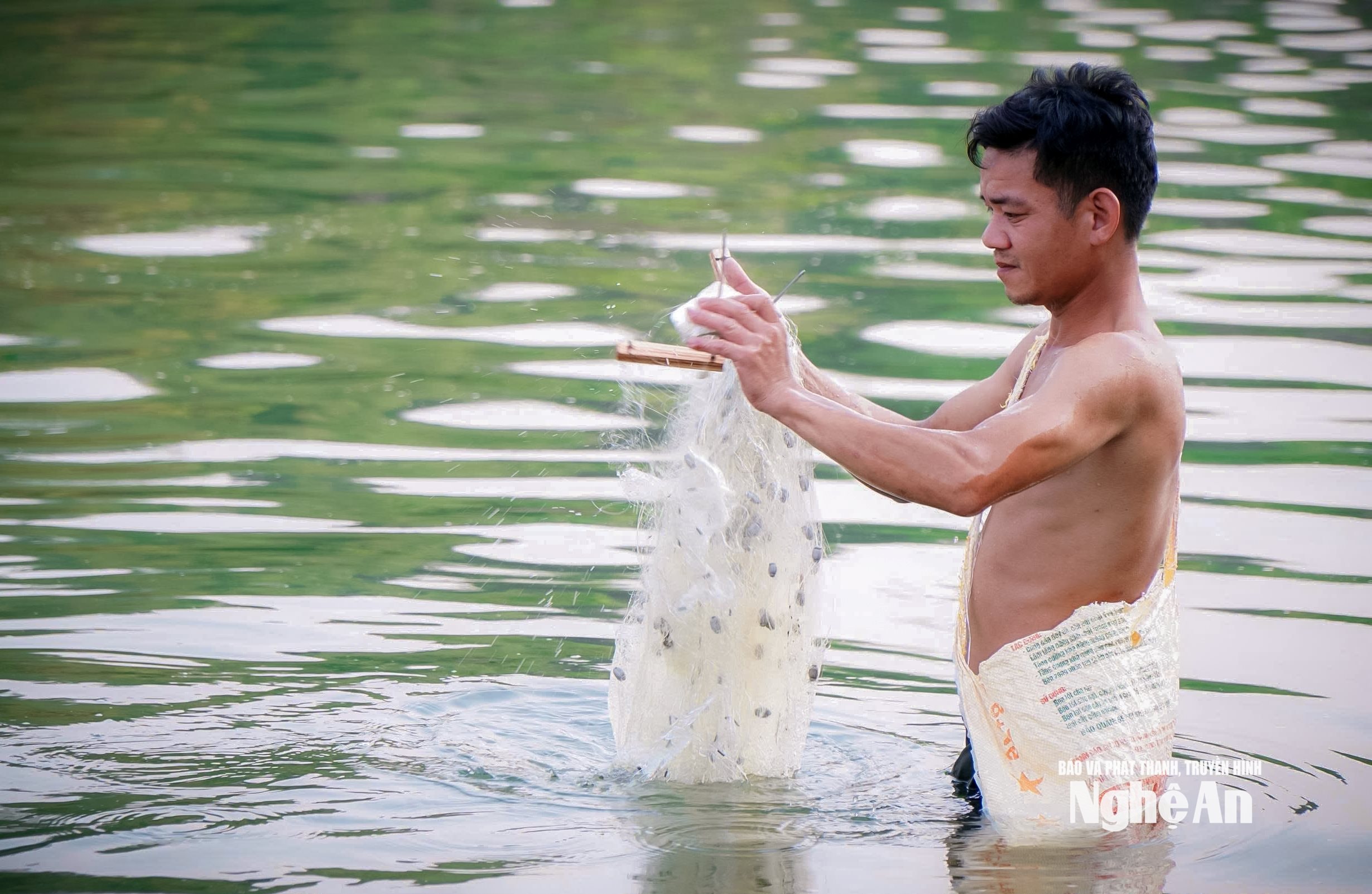
Fishing for catfish on the Giang River mainly relies on traditional manual methods, linked to the long-standing experience of the local people, according to Mr. Vi Van Coc, a resident of Lang Xieng village with years of experience in catfish fishing. Accordingly, catfish usually live in areas with fast-flowing water, many rocky crevices, and are most active at night; therefore, the most effective time for fishing is from dusk to dawn. The most common fishing methods are net casting and line fishing.
Locals choose sections of the river with moderate currents, setting nets in the direction of the fish schools' movement. For fishing with hooks, the bait usually consists of insects and small crustaceans found in nature. Additionally, some experienced fishermen use diving techniques to catch fish in rocky crevices – where the fish take shelter. The fishing equipment is quite simple, including nets, seines, flashlights, and bamboo rafts for transportation. Typically, groups of 3-5 people work together, providing support and ensuring safety on the river at night.
According to Mr. Coc, after a period of overfishing, the number of Giang River catfish has decreased sharply. Currently, to protect the catfish resource, the People's Committee of Mon Son commune has strictly prohibited all forms of destructive fishing, retaining traditional fishing methods; at the same time, it has demarcated and regulated areas where fishing is prohibited to conserve and develop this valuable fish species.
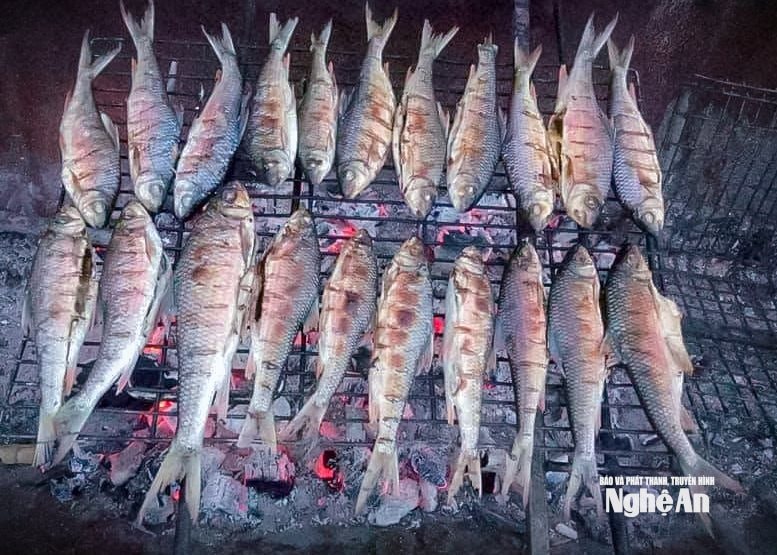
It is known that catfish can be prepared into many delicious dishes. Mr. Nguyen Huu Tho - owner of Tho Ngan restaurant in Mon Son commune - revealed: Preparing catfish is not difficult, but not everyone knows how to do it correctly. For grilling, you need to choose large fish, clamp them with bamboo skewers, leave them whole, just sprinkle a little salt, then grill them over charcoal, and add pomelo leaves to enhance the aroma.
For the "floating fish" dish (a local way of eating), the fish is left whole and dropped into a pot of boiling water with shallots and chili peppers, cooked until it floats to the surface, indicating it's done. Visitors from the lowlands, however, prefer crispy fried fish. Crispy fried fish is usually made with small fish, deep-fried until golden brown, and the bones are edible. For the braised dish, larger fish are chosen and braised with fresh turmeric and shallots for about 15-20 minutes to firm up the fish meat and allow it to absorb the flavors.
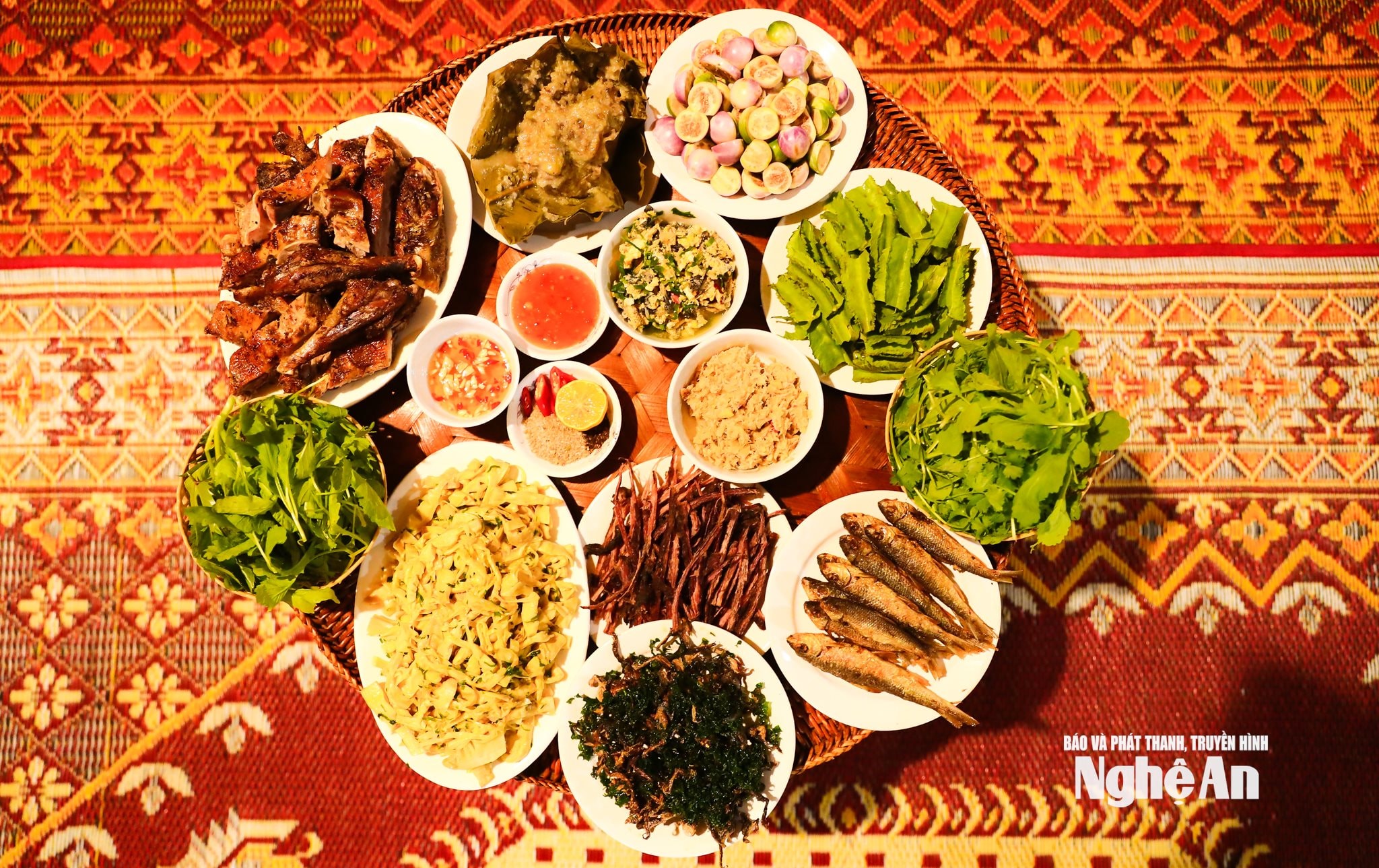
"The key to preparing Giang River catfish is not to scale it or gut it; just wash the outside. If you scale it or gut it, you'll lose all the delicious flavor. It's the slightly bitter, sweet aftertaste from the fish's belly and its distinctive aroma that makes Giang River catfish unique and unlike any other," Mr. Tho emphasized.
According to artisan Luong Van Nghiep, while restaurant-style catfish may offer a full range of flavors, the "authentic taste" of Giang River catfish isn't found in a ready-made dish. To truly experience its deliciousness, one must return to a local's home, sit by the fire, listen to the river flowing outside, and wait for the fish to cook in the silence of the mountains and forests. There, catfish is not just a dish, but an integral part of the life and culinary culture of the Thai and Dan Lai communities.


