
Carrots become "poisonous" if eaten this way.
If you consume carrots excessively, the numerous benefits this root vegetable offers could turn into a health disaster.
Carrots are rich in nutrients, including protein, lipids, carbohydrates, and fiber, as well as many trace elements and vitamins, with the highest content being carotene (3.62mg of carotene per 100g of carrots). Proper consumption of carrots can regulate the body's physiological functions, enhance physical health, boost immunity, actively prevent diseases caused by vitamin A deficiency, high blood pressure, and cardiovascular problems, and is particularly effective in combating aging.
However, when eating carrots, be aware of the following things to avoid:
Do not eat when constipated.
According to experts, carrots are effective in treating diarrhea, especially in children. Eating carrot porridge or drinking carrot juice can be very helpful for children with diarrhea. Although carrots contain a large amount of fiber, it is in an insoluble form. Eating too much without drinking enough water can cause blockages in the intestines and lead to constipation.
Do not eat raw, do not overcook.
According to scientific studies, cooked carrots allow for better absorption of carotene by the body compared to raw carrots. Furthermore, due to their tough cell walls, uncooked carrots struggle to release all their nutrients, especially the precursor to vitamin A.
In addition, many grandmothers have a habit of stewing carrots with other dishes. This is completely inadvisable because carrots naturally contain a lot of nitrates. When carrots are cooked for too long and too thoroughly, this substance accelerates the conversion into nitrites, a toxic substance. Nitrites, when ingested, can be harmful to health in small amounts, but in large amounts can lead to death, especially dangerous for children under 6 months old.
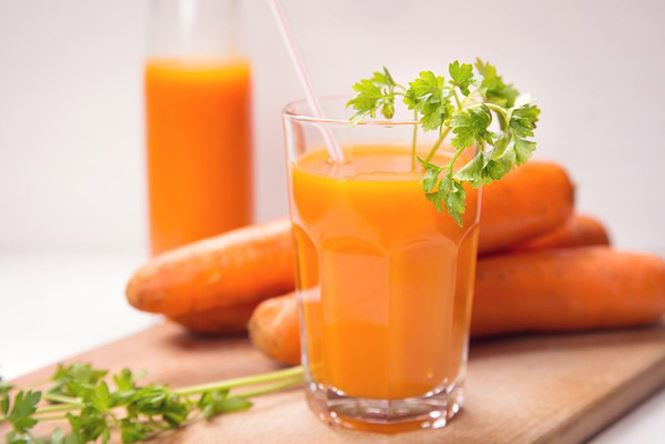 |
| Women who consume excessive amounts of carrots (more than 0.5 liters of carrot juice or more than 300g of carrots per day) may experience menstrual irregularities, or even amenorrhea for a period of time. (Illustration: Internet) |
Do not eat regularly.
Long-term consumption of large quantities of carrots not only causes carrot poisoning due to increased methemoglobin levels in the blood, but the high levels of carotene that are not fully metabolized in the body can also accumulate in the liver, causing jaundice (most noticeable on the tip of the nose, palms, soles of the feet, etc.), indigestion, fatigue, and other symptoms.
Having jaundice
Carotene is the active ingredient that gives carrots their yellow-orange color. If your body ingests too much carotene, it can cause your skin to turn yellow due to liver toxicity.
Causes menstrual irregularities.
Women who consume excessive amounts of carrots (more than 0.5 liters of carrot juice or more than 300g of carrots per day) may experience menstrual irregularities, or even temporary amenorrhea.
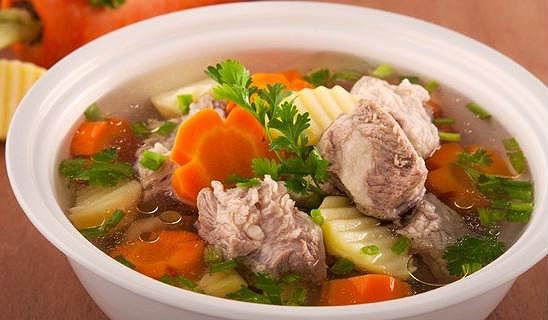 |
| The hemoglobin in carrots, when it comes into contact with sodium in the body, transforms into methemoglobin – a substance that can cause poisoning. (Illustration: Internet) |
Causes sodium poisoning
The hemoglobin in carrots, when combined with sodium in the body, transforms into methemoglobin – a substance that can cause poisoning. Eating too many carrots can lead to an excessive production of methemoglobin in the body, which the body cannot process quickly enough, causing poisoning. This not only affects your health but can also be fatal if not detected and treated promptly.
The best way to eat carrots for your health.
- Choose carrots that are brightly colored, firm, straight, and smooth; the darker the orange color, the more betacarotene they contain.
- Before eating, wash, peel, and cut off both ends of the carrots to avoid chemical poisoning from pesticide residue.
Adults should not consume more than 300g and children should not consume more than 150g of this root vegetable per week.
Distinguishing features of Vietnamese carrots from Chinese carrots: Vietnamese carrots are small, dark in color, fresh, and usually have stems and leaves. Chinese carrots, on the other hand, are shiny, uniformly sized, large, and often lack stems or have blackened ends due to prolonged storage.


