
Nghe An's beaches are ready for the tourist season.
Not only Cua Lo, but many other coastal tourist destinations in Nghe An such as Dien Thanh (Dien Chau commune), Quynh Nghia (Quynh Phu commune), and Quynh Phuong (Quynh Mai ward) are also entering the peak season for tourism.
Actively improve and enhance service quality.
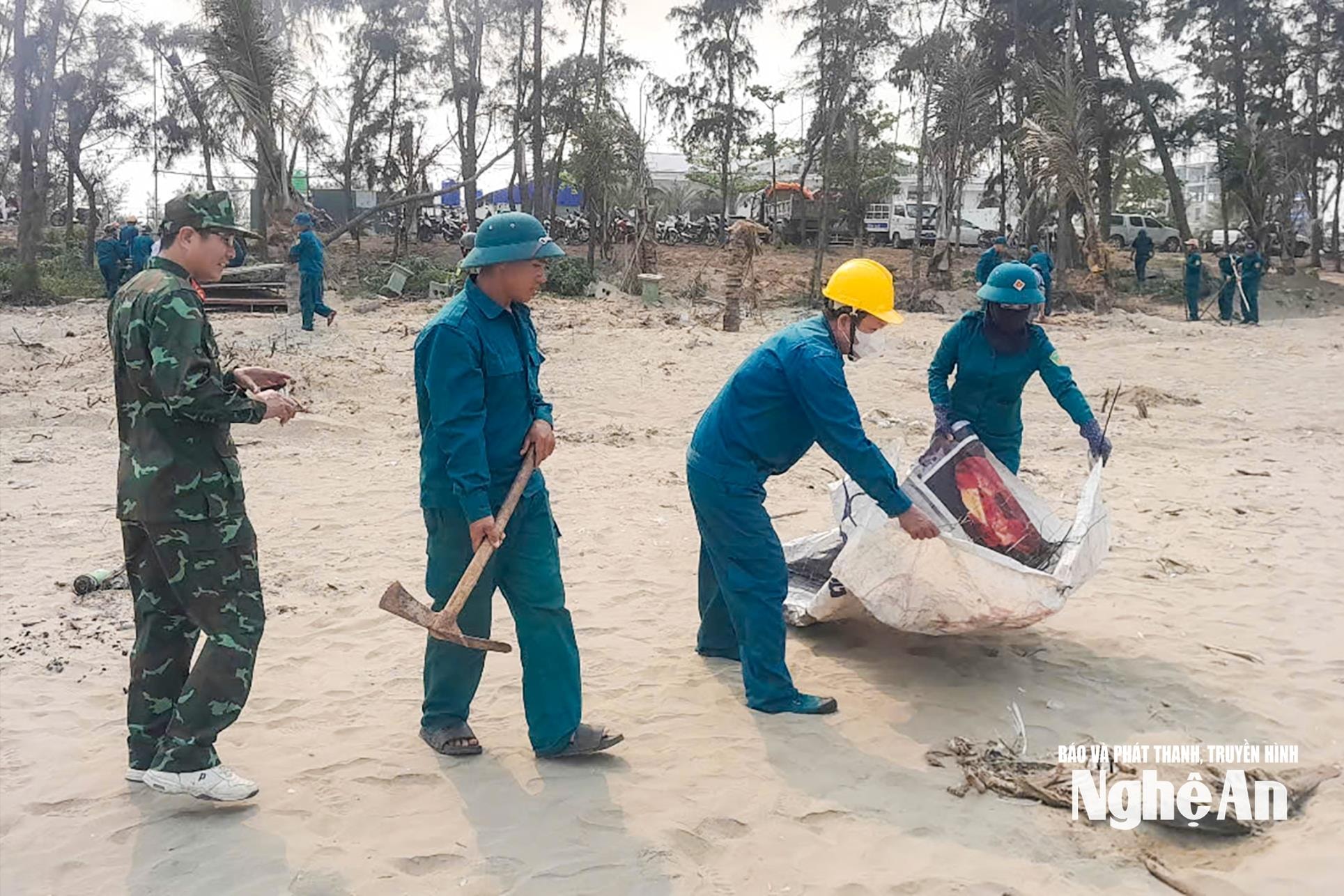
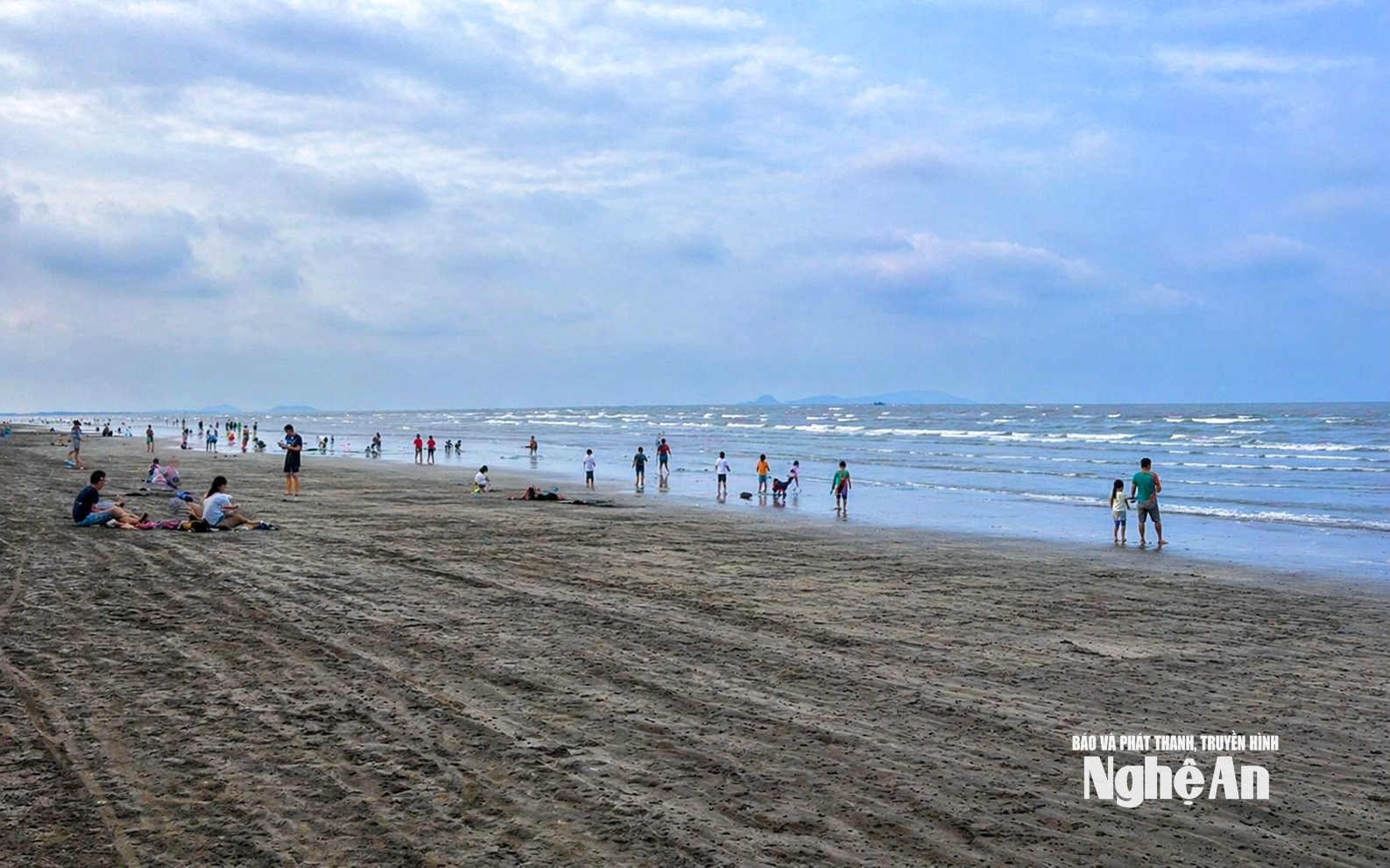
In early April, at the Dien Thanh beach tourist destination (Dien Chau commune), preparations for the 2026 tourist season were underway with great urgency. On the long sandy beach, groups of locals were cleaning up trash, leveling the ground, and renovating the rows of kiosks. Inside, guesthouses and restaurants were also bustling with activity, repainting their signs, ready to welcome the 2026 tourist season.
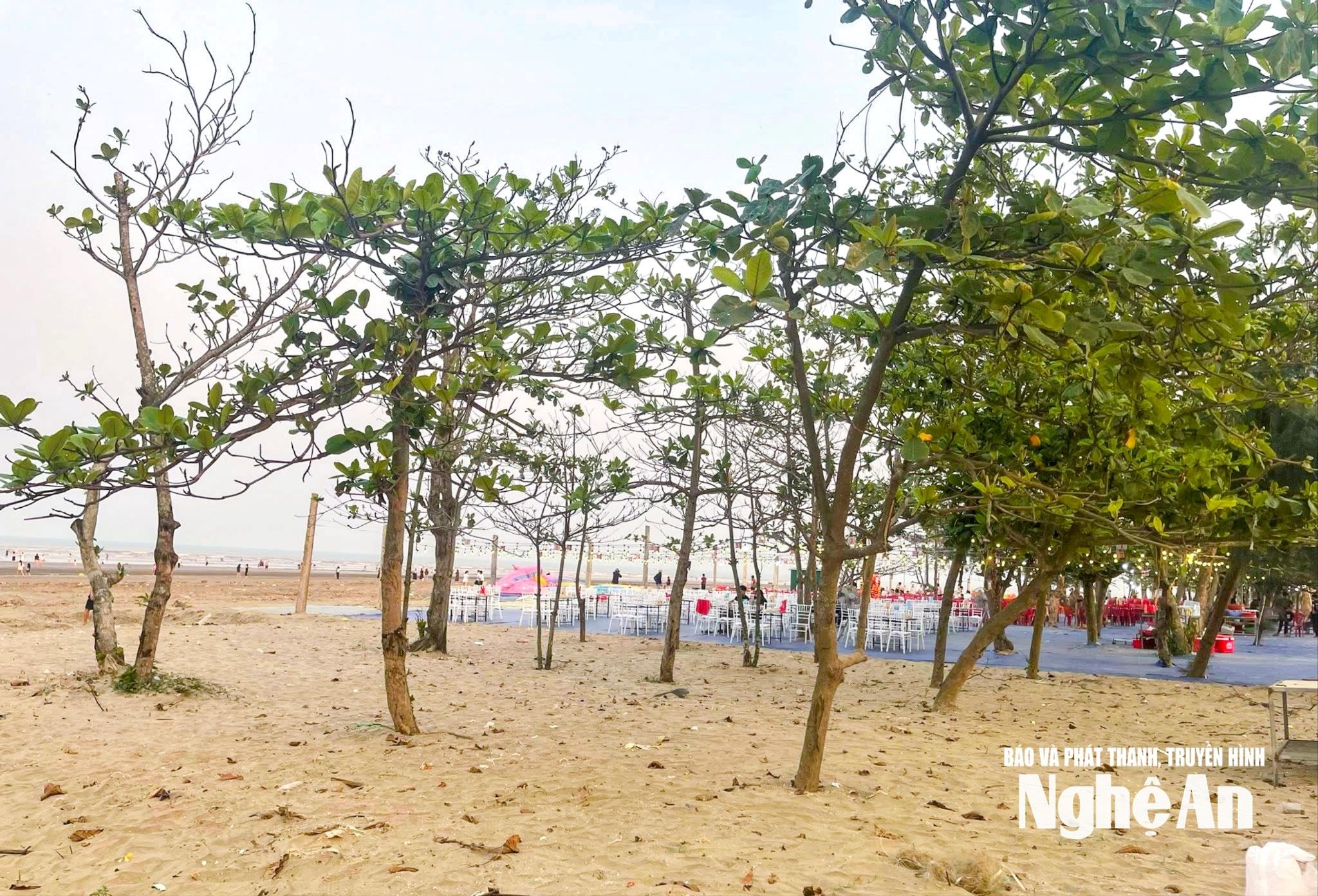
Currently, Dien Thanh beach has a fairly well-established service system with approximately 14 hotels and guesthouses and more than 30 restaurants and eateries along the coast. Although the scale is not large, and many are still family-run, this is still an important foundation for the locality to gradually upgrade the quality of services.
Mr. Cao Huy Hoang, Head of the Culture and Social Affairs Department of Dien Chau commune, said that this year the locality is not pursuing superficial activities but focusing on core values. The focus is on cleaning the environment, improving service quality, and creating authentic experiences for tourists. Environmental sanitation is maintained regularly and continuously; food safety inspections at business establishments are also tightened.
In addition, service businesses were encouraged to upgrade their facilities and beautify their service spaces. Many establishments proactively renovated their rooms and added amenities to better meet accommodation needs. A new development is the integration of physical and sports activities into the beach environment, contributing to creating new vitality for the beach.
At Quynh Nghia beach (Quynh Phu commune), preparations for the tourist season are also underway. Mr. Nguyen Thanh Tuan, Head of the Culture and Social Affairs Department of Quynh Phu commune, said that the commune is focusing on comprehensive beautification, starting with the most basic things such as environmental sanitation and landscape rearrangement. Any encroachment on the beach, unauthorized construction of stalls, or infringement on the protected forest area will be strictly dealt with, aiming to restore an open and unobstructed space to the beach.
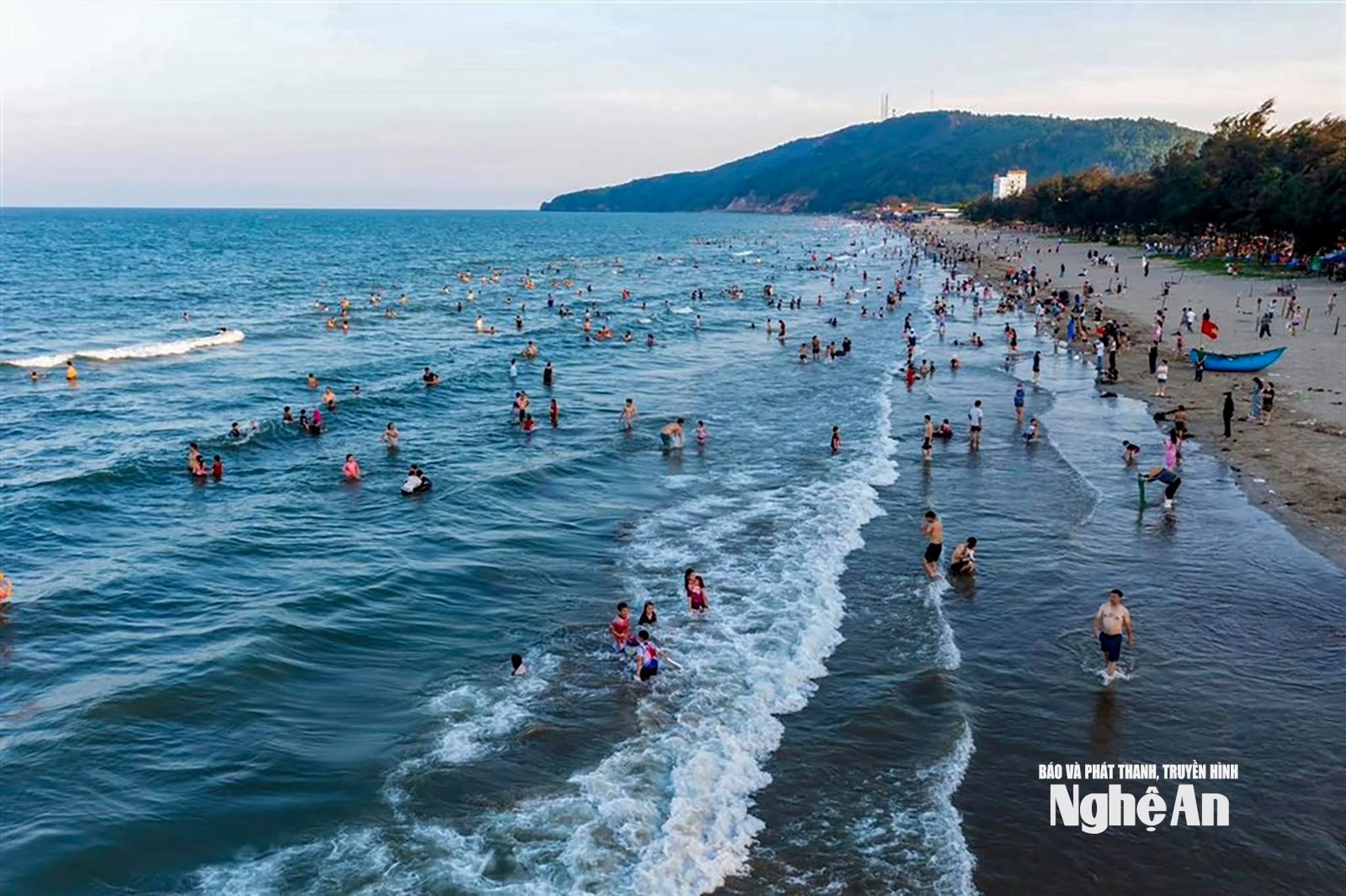
Simultaneously, the local authorities established a task force to regularly inspect and guide residents and tourists, and also erected a system of clear signs to delineate safe swimming areas.
Beyond just urban beautification, Quynh Phu commune has also begun to develop tourism products with experiential activities linked to the lives of fishermen, such as night squid fishing, near-shore fishing, and traditional festivals, aiming to create depth and increase the attractiveness of the destination.
Meanwhile, at Quynh Phuong beach (Quynh Mai ward), preparations are underway in a new context as the locality is developing a higher-quality tourist destination. Currently, the Quynh Phuong beach area has 6 hotels and guesthouses along with nearly 20 beachfront restaurants and eateries, creating a relatively stable service system.
Ms. Nguyen Thi Ha, Vice Chairwoman of the People's Committee of Quynh Mai Ward, said that the locality continues to tighten management of services, requiring accommodation establishments and restaurants to improve service quality, clearly display prices, and maintain a civilized tourism environment.
Notably, this year's tourism season sees the emergence of Quang Khoi Wellness & Retreat – a large-scale resort and wellness complex. With its convenient coastal location and easy access to cultural tourist attractions such as Corn Temple and Quynh Doi Heritage Village, this project is expected to create a new impetus for Quynh Beach.
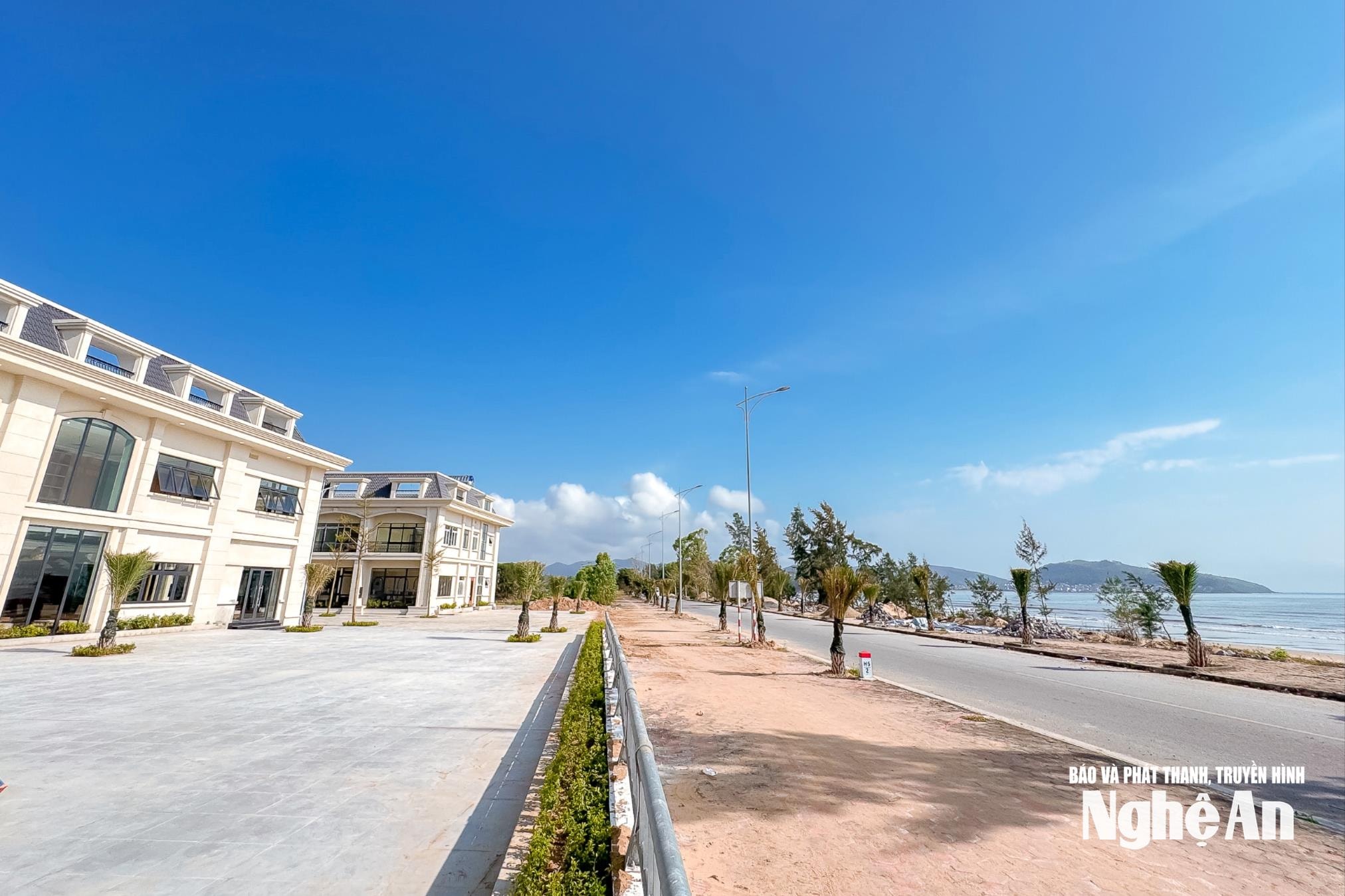
"The emergence of such projects not only upgrades tourism infrastructure but also contributes to changing the approach, from mass tourism to quality tourism," emphasized Ms. Nguyen Thi Ha, Vice Chairman of the People's Committee of Quynh Mai Ward.
A major advantage for Nghe An's coastal tourist destinations this year is the near completion of the Nghi Son – Cua Lo coastal road. This road opens up a continuous connection axis, making journeys to the beaches more convenient, especially for tourists from the northern provinces.
"Bottlenecks" and requirements for sustainable development
Despite many positive developments, Nghe An's coastal tourist destinations still face numerous challenges, most notably infrastructure and service quality. While the coastal road has created a seamless connection, access to the beaches remains difficult due to narrow, dilapidated roads; parking is insufficient, public restrooms are scarce, and the lighting system is incomplete…
Furthermore, tourism products remain limited, mainly focusing on beach activities and dining. While rich in potential, maritime cultural values such as fishing festivals, the rhythm of life in fishing villages, and traditional fishing crafts have not yet been presented as in-depth experiences that are compelling enough to attract and retain tourists.
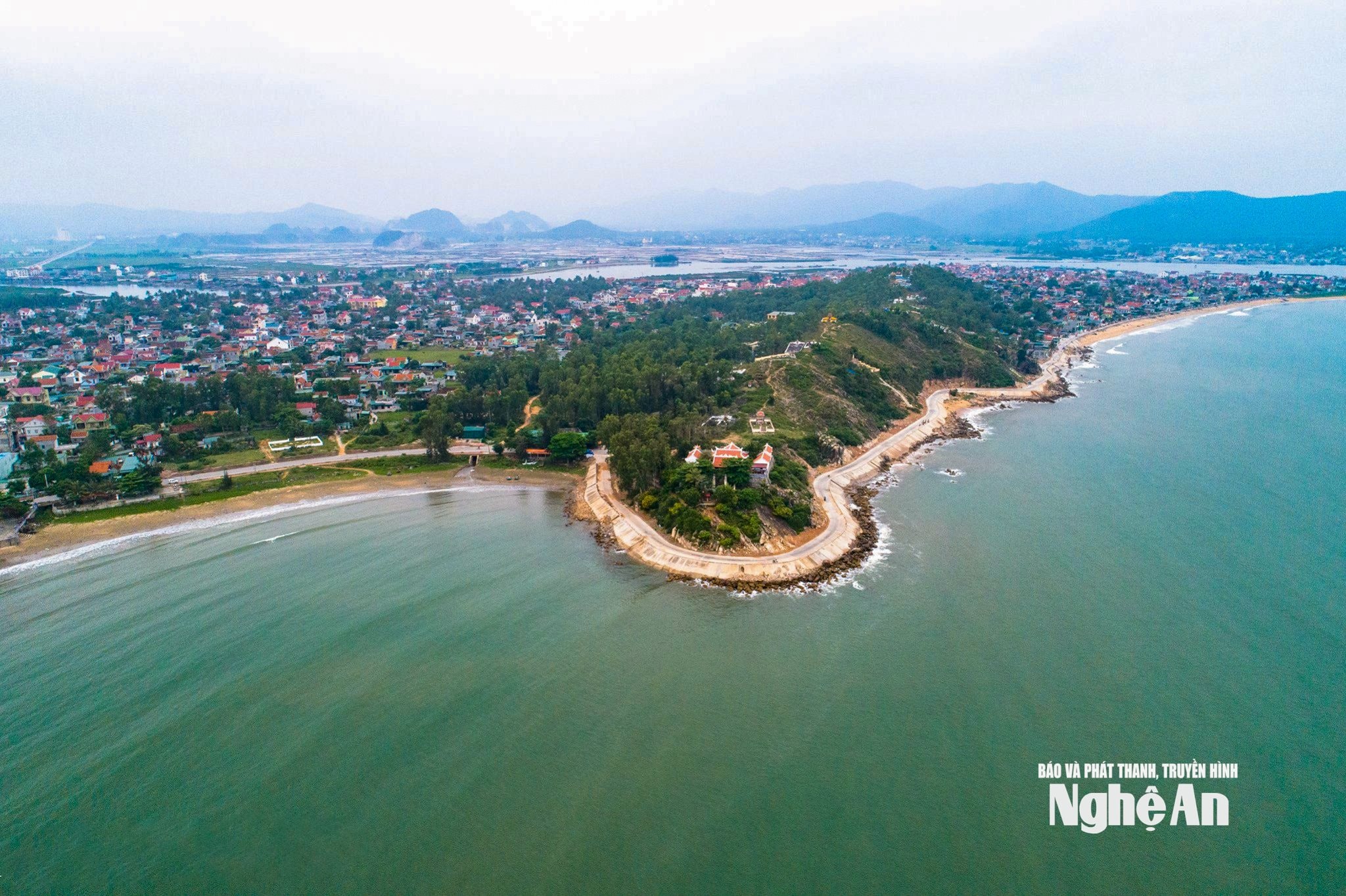
Another notable bottleneck is the limited access to the international tourist market. WhileCua Lo beachAlthough positioned as tourist areas suitable for receiving foreign visitors, beaches such as Dien Thanh, Quynh Nghia, and Quynh Phuong still do not fully meet the requirements in terms of planning, infrastructure, services, and security management.
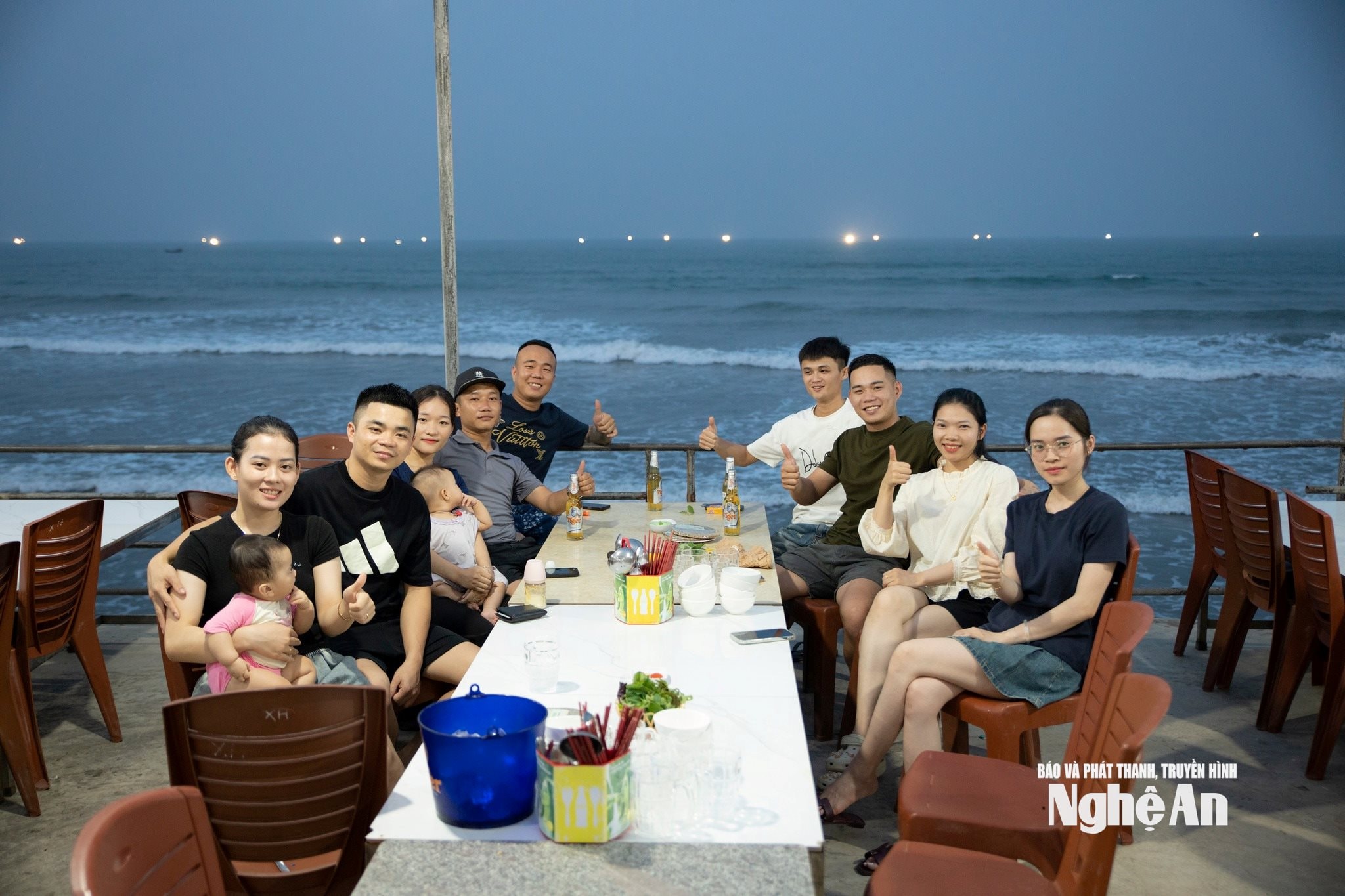
Attracting international tourists depends not only on natural resources but also on a synchronized system of conditions, especially the quality and capacity of service. International tourists need well-structured experiences and professional services, while many coastal tourist destinations in Nghe An currently mainly cater to domestic day-trip visitors.
Mr. Tran Xuan Cuong - Deputy Director of the Department of Culture, Sports and Tourism
Furthermore, the tourism workforce remains a weak link. The majority of the workforce consists of local people, working seasonally, and lacking formal training in professional skills, foreign languages, and digital skills, making it difficult to improve service quality.
Another limitation is the weak linkage between tourist destinations. Despite the advantage of coastal routes and numerous surrounding cultural sites, each locality still develops independently, lacking the connection to form a comprehensive product chain. In this context, the requirement is to shift from a "scattered destination" mindset to a "regional linkage," building distinctive products and improving service quality.
As infrastructure, service, and connectivity bottlenecks are gradually removed, along with the emergence of new projects, Nghe An's coastal tourism can move beyond fragmented development and towards a more professional and sustainable image.


