
Local authorities are urgently finalizing policy documents to support people affected by natural disasters.
In 2025, Nghe An province was affected by three major typhoons (numbers 3, 5, and 10), causing heavy damage to many sectors, especially agriculture. Faced with these difficulties, local people are hoping to soon benefit from the support policies outlined in Resolution No. 16/2025/NQ-HĐND dated September 5, 2025, of the Provincial People's Council, to quickly restore production, stabilize livelihoods, and gradually rebuild after the natural disasters.
Local authorities are urgently completing the necessary paperwork.
On September 5, 2025, the People's Council of Nghe An province issued Resolution No. 16/2025/NQ-HĐND, specifying the level of support for agricultural production to restore production in areas damaged by natural disasters and pests in the province. The resolution was issued based on the implementation of Government Decree No. 09/2025/NĐ-CP, aiming to ensure that people, cooperatives, and small businesses in the fields of crop cultivation, livestock farming, aquaculture, forestry, etc., all have the opportunity to receive support commensurate with the actual extent of damage.
Specifically, for crops, the level of support for damaged crops is regulated according to each type and growth stage. For rice, damage exceeding 70% is supported from 6-10 million VND/ha depending on the planting time; damage between 30-70% is supported from 3-5 million VND/ha. Other annual crops such as vegetables, short-term industrial crops, medicinal plants, etc., are supported from 3-15 million VND/ha depending on the stage (seedling, growth, near harvest) and the extent of damage. Perennial crops in the basic construction stage are supported from 6-12 million VND/ha; in the production stage with reduced yield, support is supported from 10-20 million VND/ha...

For forestry, newly planted forests and non-timber forest products up to half their cycle will receive support of 4-8 million VND/ha; those over half their cycle or large timber forests over 3 years old will receive support of 7-15 million VND/ha. Damaged seed orchards and seed forests will receive support of 10-20 million VND/ha...
In the aquaculture sector, areas of intensive and semi-intensive shrimp, specialty fish, and traditional fish farming that suffer damage will receive support of 60 million VND/hectare; cage and raft farming will receive support of 30 million VND/100 m³ of volume...
For livestock, compensation for deceased poultry is 30,000-45,000 VND/animal; quail 5,000-10,000 VND/animal; pigs from 600,000 to 3 million VND/animal depending on age and breed; dairy cows 4-12 million VND/animal; buffaloes, beef cattle, and horses 3-7 million VND/animal...
.jpg)
Mr. Nguyen Van Hoi, Head of the Technical and Science and Technology Management Department of the Department of Agriculture and Environment, said: “Immediately after Resolution 16 was issued, the Department sent a document requesting communes and wards to urgently establish inspection teams to compile damage statistics and assess the level of impact according to the prescribed form. After compilation and assessment at the commune level, the dossiers will be transferred to the Department for submission to the Provincial People's Committee for approval of support. Currently, some localities have reported damage to the Department, however, the number is still not large, which affects the overall progress.”
According to the Department's guidelines, the Chairman of the Commune People's Committee is responsible for establishing a team to inspect, compile statistics, and assess the damage; prepare a report; and compile the dossier to be submitted to the provincial level for appraisal. After the Provincial People's Committee issues a decision on the allocation of funds, localities are responsible for publicly disclosing the list and organizing direct payments to the people. The entire process of completing the dossier must be completed within 60 days from the date of the natural disaster to ensure that people can promptly restore production.
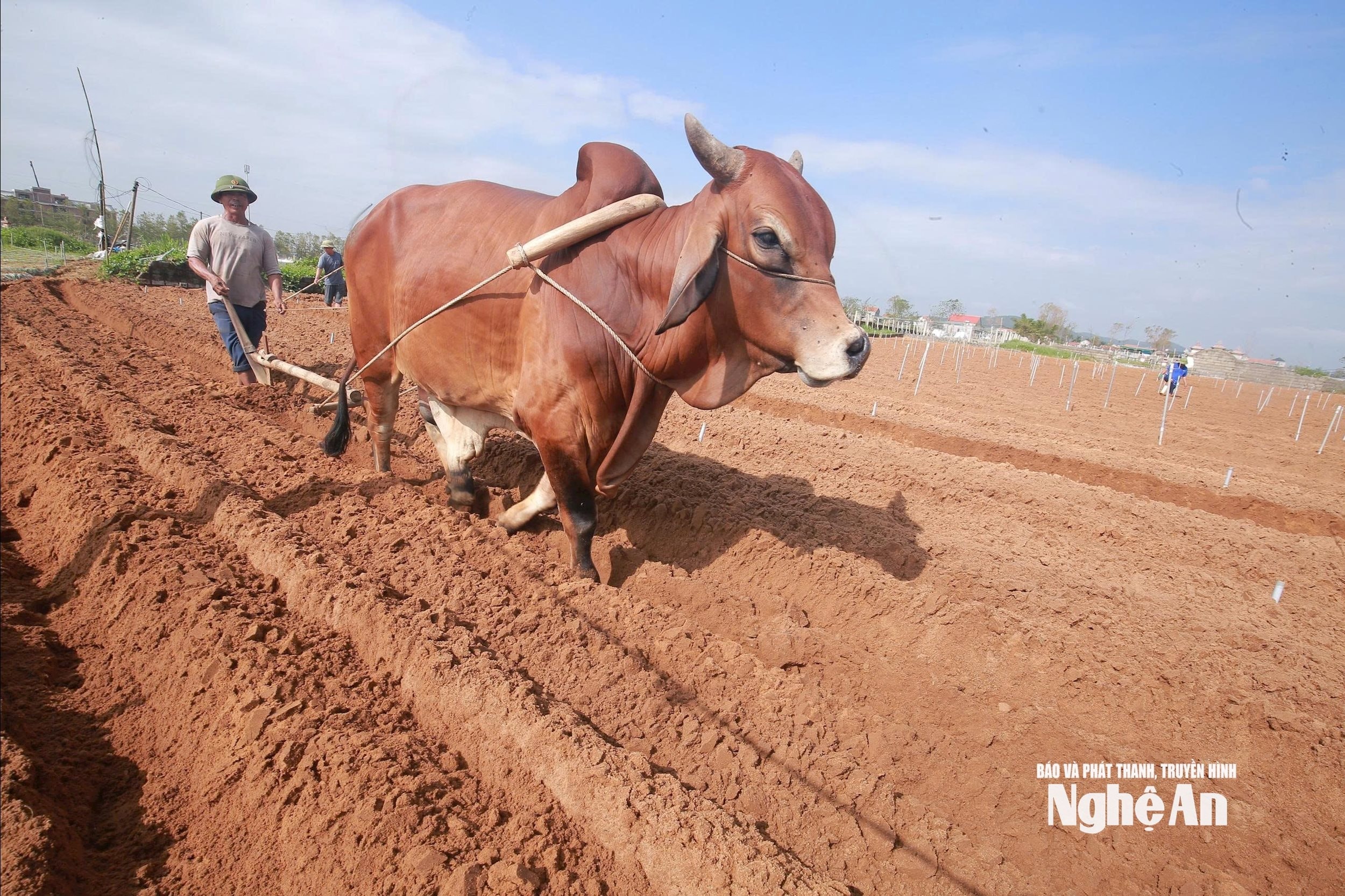
During the discussion, Ms. Vo Thi Nhung, Deputy Director of the Department of Agriculture and Environment, stated that this year Nghe An is one of the localities most severely affected by natural disasters, especially the three consecutive typhoons No. 3, No. 5, and No. 10, which caused heavy rain, flash floods, and widespread flooding. Many agricultural production areas suffered heavy damage, and many livestock and poultry were killed or swept away.
Immediately after the natural disaster occurred, Nghe An province promptly mobilized resources from the local budget, organizations, businesses, and philanthropists to provide urgent support to the people. These support resources helped people overcome the initial difficulties, stabilize their living conditions, and restore their daily lives.
Regarding support for agricultural production recovery, the Provincial People's Council issued Resolution No. 16 dated September 5, 2025, specifying the support levels for each type of crop, livestock, aquatic product, and salt production damaged by natural disasters. Based on this, the Department of Agriculture and Environment is directing localities to urgently review, compile statistics, and create specific lists of each household, area, and extent of damage. The implementation of support will be carried out according to the principles of targeting the right beneficiaries, transparency, and timeliness, aiming to help people quickly restore production, stabilize their lives, and contribute to ensuring food security and rural economic development after the natural disaster.
People are hoping for assistance soon.
In late October, An Chau commune, Nghe An province, still bore the indelible marks of Typhoon No. 10. Shrimp farms were devastated, ponds eroded, and embankments were destroyed, with restoration still not possible.
.jpg)
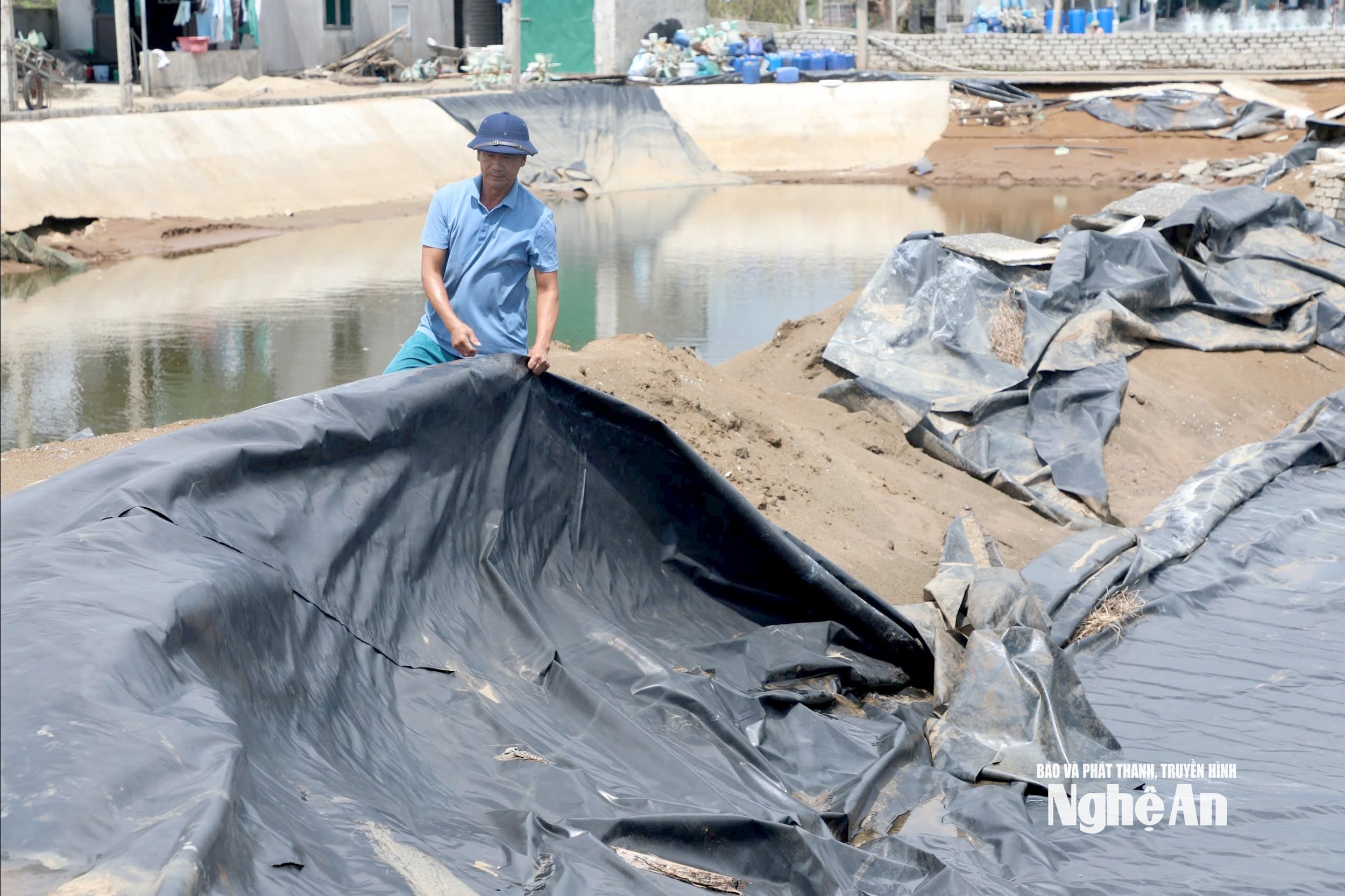
The family of Mr. Nguyen Cuong, residing in Hamlet 2, An Chau Commune, is a large-scale shrimp farming household in the commune, with 5.7 hectares divided into more than 30 ponds. However, the recent Typhoon No. 10 swept away two-thirds of the shrimp in the ponds, and damaged the embankments. Nearly a month has passed, but Mr. Cuong is still struggling to figure out how to restore the ponds.
“The storm swept away all the shrimp, destroying the entire pond system, with estimated losses exceeding 3 billion VND. This was the shrimp crop I planned to sell during Tet to repay bank loans and cover living expenses for the whole year. Now, with no capital left, I can only rely on government support policies to recover,” Mr. Cuong shared.
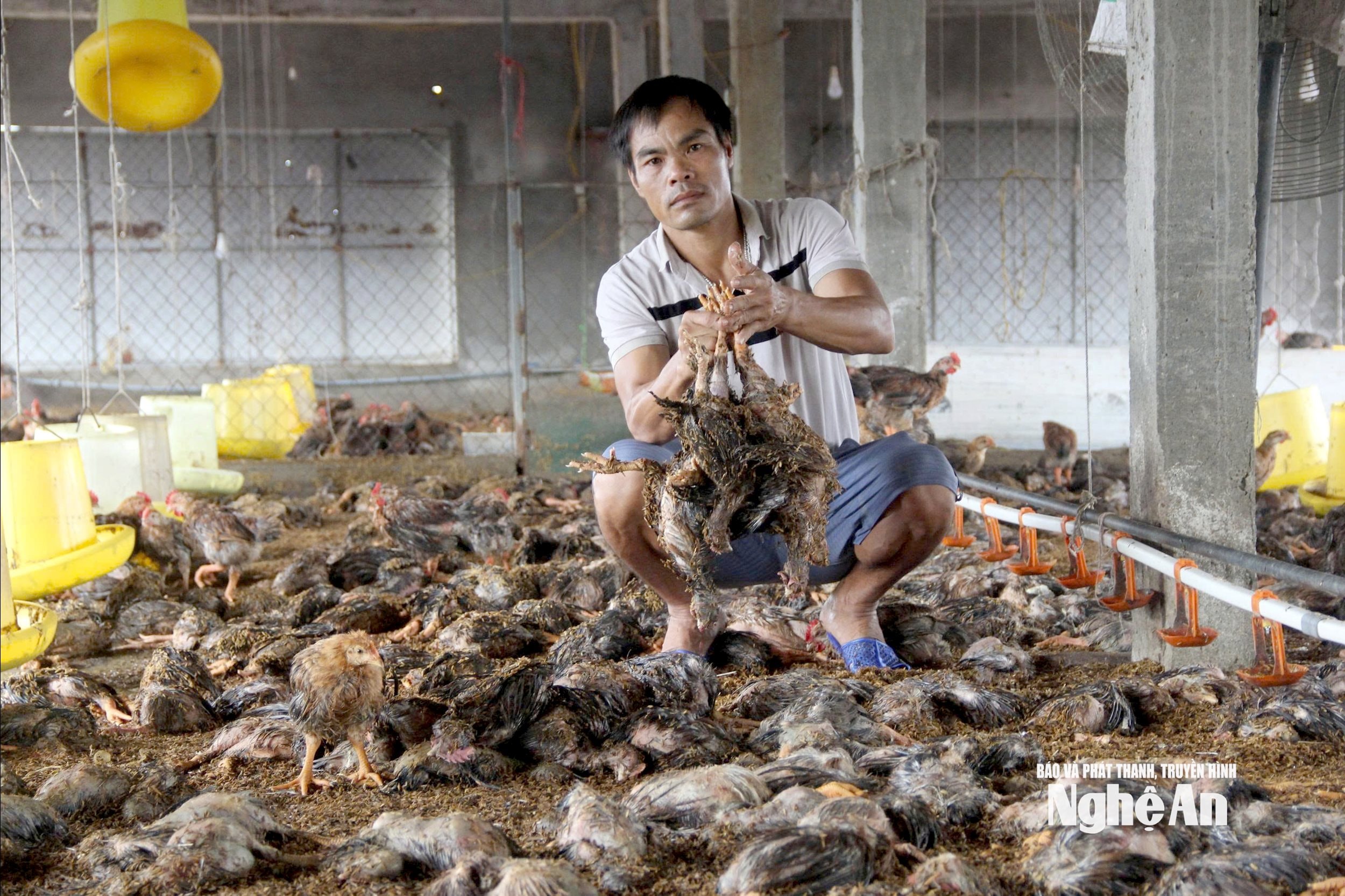
It wasn't just Mr. Cuong's family; Mr. Nguyen Huu Sy's household in Hamlet 4, An Chau Commune, also suffered heavy losses. The flooding after Typhoon No. 10 killed nearly 10,000 chickens weighing 500g and 6,500 chickens weighing 1.5-3kg that were ready for market, and tons of feed were ruined, resulting in total losses of over 1 billion VND. While busy cleaning up his chicken coop, Mr. Sy said: "Now the most important thing is to disinfect and clean the environment to prevent disease outbreaks, but to restock, we need capital."
According to Mr. Dau Ngoc Long, Chairman of the People's Committee of An Chau commune, Typhoon No. 10 caused serious damage to the locality in the agricultural sector, with more than 50 hectares of aquaculture area flooded, including 35 hectares of shrimp, 15 hectares of freshwater fish and rice-fish farming; more than 109,000 poultry died due to flooding. From being considered the shrimp and poultry capital in the former Dien Chau district, all livestock farmers are now facing difficulties.
Mr. Long stated: “Immediately after the storm, the commune coordinated with various organizations and charitable groups to provide essential supplies and help people temporarily stabilize their lives. However, the damage to agricultural production is the long-term concern. The commune has submitted a dossier to the Department of Agriculture and Environment requesting support under Resolution 16, so that people can quickly rebuild their production.”
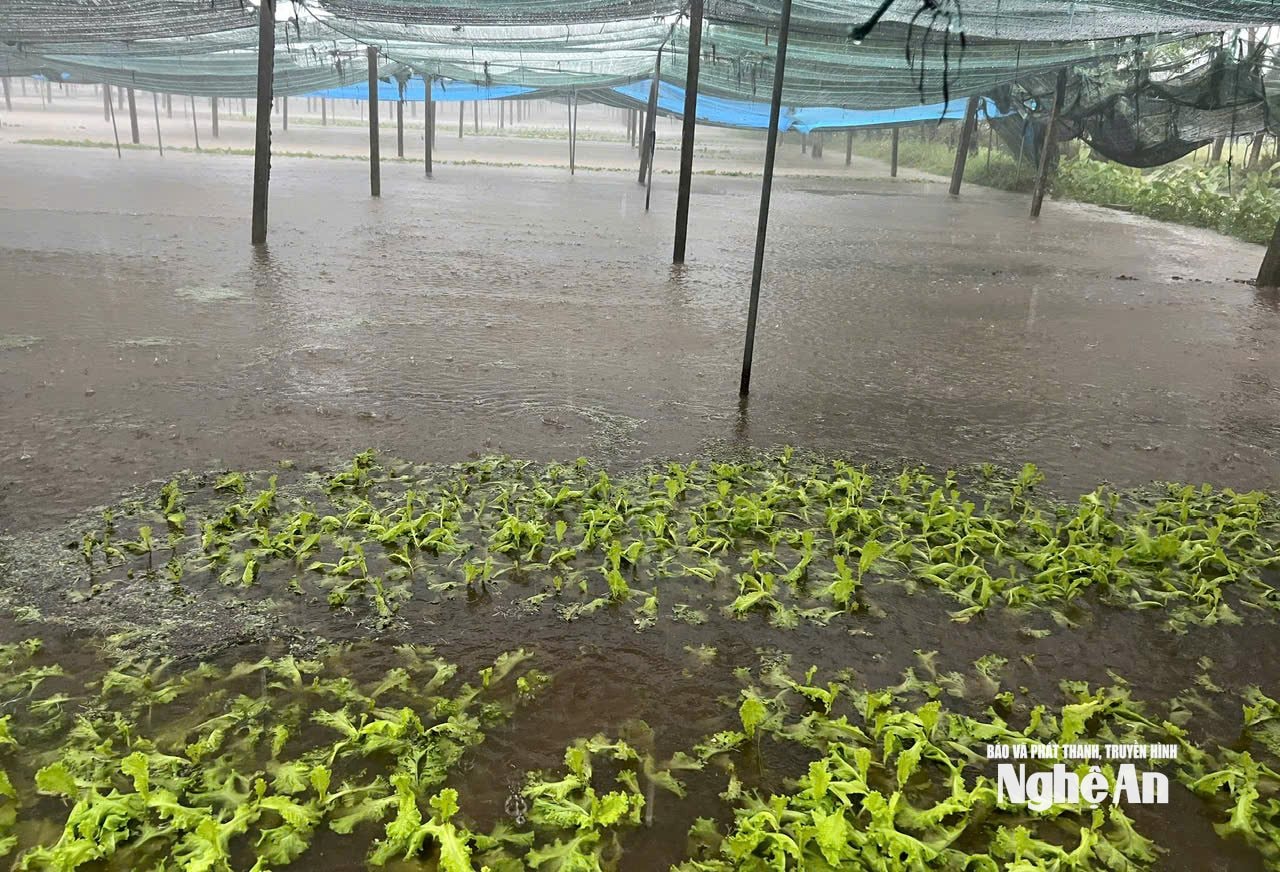
Not only in the lowlands but also in the highland areas, people are waiting for timely support to restore their livelihoods. Mr. Kha Tien Le, from Tam Lien village, Tam Quang commune, shared: “After the floods, the entire rice crop of my family was submerged and completely destroyed, and other crops were also buried. I see that the commune has come to assess the damage, and now I just hope that the support policies can help to some extent.”
Ms. Kha Thi Hien, Vice Chairman of the People's Committee of Tam Quang commune, said that after the storm, the locality reviewed, counted, and prepared a proposal to request financial support according to Resolution 16 of the Provincial People's Council. While Typhoon No. 3 caused significant damage to houses and infrastructure, Typhoon No. 10 inflicted heavy losses on crops and livestock. The locality hopes that relevant departments and agencies will soon allocate support funds to help people restore production.
According to statistics from the Civil Defense Department of Nghe An province, Typhoon No. 10 alone caused severe damage to the province's agricultural sector, affecting 4,656 hectares of rice, 7,864 hectares of vegetables, 7,923 hectares of perennial crops, and 45,661 hectares of forest. In addition, over 393,000 poultry, 1,289 livestock, 245 hectares of shrimp farms, and 8,517 hectares of small pond fish farms were damaged. Prior to this, Typhoons No. 3 and No. 5 also caused billions of dong in damage across various sectors.


