
World leaders reached a 'commitment to change the landscape' at COP26.
World leaders attending the COP26 climate summit have just committed to reducing methane emissions by 30% by 2030.
According to Sky News, this commitment is part of efforts to address the climate crisis at the COP26 conference held in Glasgow, England.
|
| The Global Methane Commitment aims to reduce methane emissions by at least 30% by 2030. Photo: BBC |
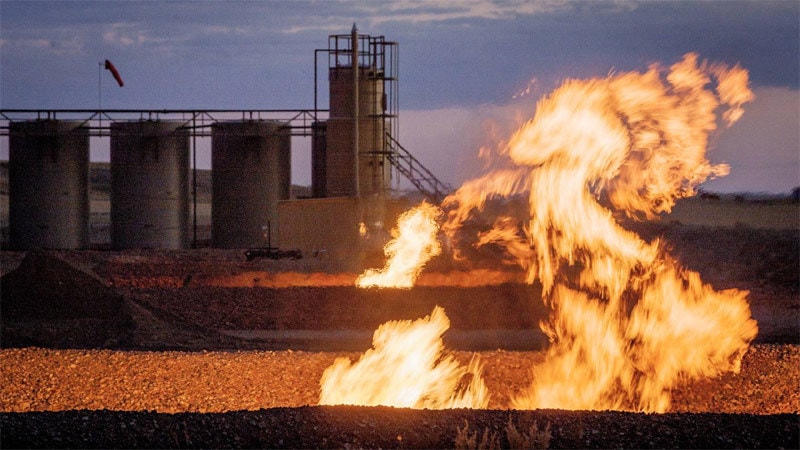
The Global Methane Commitment is an international initiative, promoted by the US and the EU, aimed at reducing methane emissions and is an effective way to slow global warming in the short term. John Kerry, the climate envoy of the Joe Biden administration, said that more than 100 countries have joined the effort to achieve the committed goals.
Kerry's announcement came before President Biden andPresident of the European CommissionUrsula von der Leyen appeared together in Glasgow to announce details of the plan.
The Biden administration intends to address oil and gas wells, pipelines, and other infrastructure first, as part of a larger strategy to tackle climate change.
The strategy aims to cut global warming by 0.2 degrees Celsius in the near future by reducing methane emissions by at least 30% by 2030. While this might seem like a small change, it could have a significant impact on the severity and frequency of extreme weather events. It would also substantially improve public health and agricultural productivity by reducing ozone depletion.
Speaking at the conference, US President Joe Biden thanked those who signed the "pledge to change the course of events."
"What we do in this decisive decade... will affect whether we can meet our longer-term commitments. One of the most important things we can do in this decisive decade to keep the 1.5°C target within reach is to reduce methane emissions as quickly as possible. As I said, it's one of the most potent greenhouse gases. It contributes to about half of the warming we're experiencing today," Biden explained.
Methane is the second-largest greenhouse gas after carbon dioxide (CO2). While it has a higher heat-trapping capacity than CO2, it decomposes more rapidly in the atmosphere, meaning that reducing methane emissions could have a rapid impact on controlling global warming.


