
Do Western countries want to send troops to Ukraine?
(Baonghean.vn) - NATO may be just one step away from deploying troops to Ukraine, Belarusian President Lukashenko said during a meeting with his Russian counterpart Vladimir Putin in Sochi. Poland has formed a force ready to enter Ukrainian territory at any time, Lukashenko added.
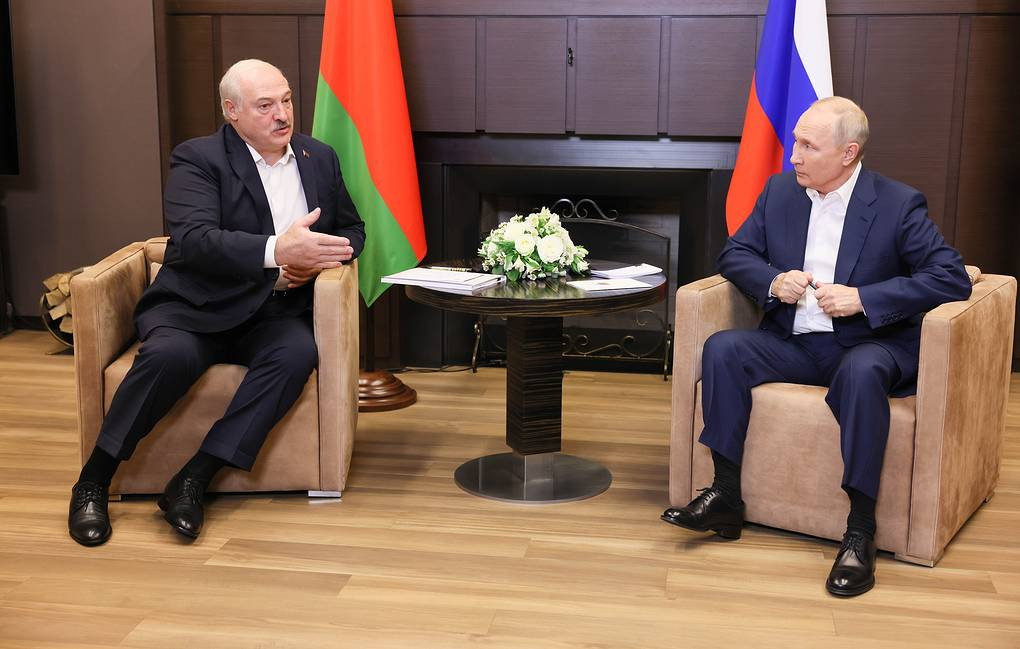
Referring to Western accusations that Russia is allegedly seeking the assistance of foreign mercenaries for its military campaign in Ukraine, Lukashenko said that the US and its allies should consider their own actions first and withdraw all the mercenaries they have sent to support the Ukrainian army.
The Belarusian leader stated that Washington and other Western countries may not stop there, and asserted that Western countries are "dreaming" of deploying regular army units to Ukraine.
"Poland has established… military units on the border ready to enter Ukraine," Lukashenko said, while also urging the West to recognize its own mistakes before blaming others.
For his part, President Putin emphasized that Russia does not need foreign forces in Ukraine. President Putin stated that up to 300,000 Russian citizens have signed contracts with the Russian Ministry of Defense and joined the National Armed Forces amidst the ongoing conflict in Ukraine. He added that Russian military units are also "equipped with modern weapons and equipment."
The Russian president also dismissed rumors that Moscow was allegedly asking Pyongyang to provide “volunteers” who could assist Russia in Ukraine. “That’s complete nonsense,” he said. The rumors surfaced amid Putin’s meeting with North Korean leader Kim Jong-un during his visit to Russia this week.
President Putin asserted that Ukraine is extensively using cluster munitions on the battlefield. He further accused the United States of using cluster munitions "with the help of Ukraine." President Putin noted that Washington considers the use of such weapons a crime, but at the same time "they feel comfortable doing it, and this is the main issue in international relations today."


