
Wards in northern Nghe An province are taking decisive action to address illegal construction.
Faced with violations of construction regulations, planning regulations, and encroachment on agricultural land, the local authorities in the northern wards of Nghe An (formerly part of Hoang Mai town) immediately took decisive action to dismantle these illegal structures.
Both old and new violations.
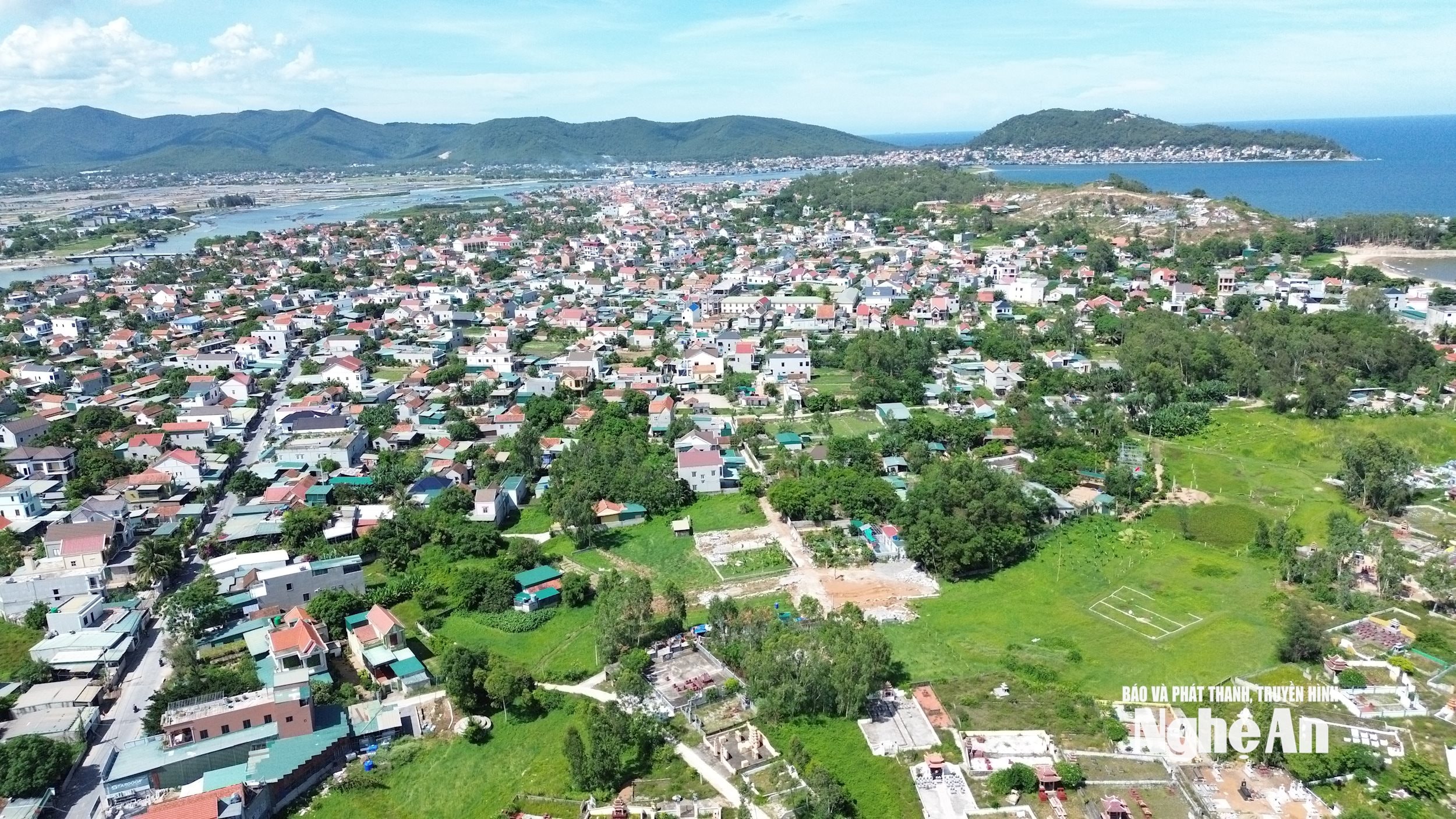
Following the merger and reorganization of commune-level administrative units, the former Hoang Mai area now comprises only three wards: Hoang Mai, Tan Mai, and Quynh Mai. These areas are rapidly developing towards urbanization, leading to increasing demand for housing, land, and infrastructure. However, this has also resulted in an increase in violations of construction regulations and illegal construction.
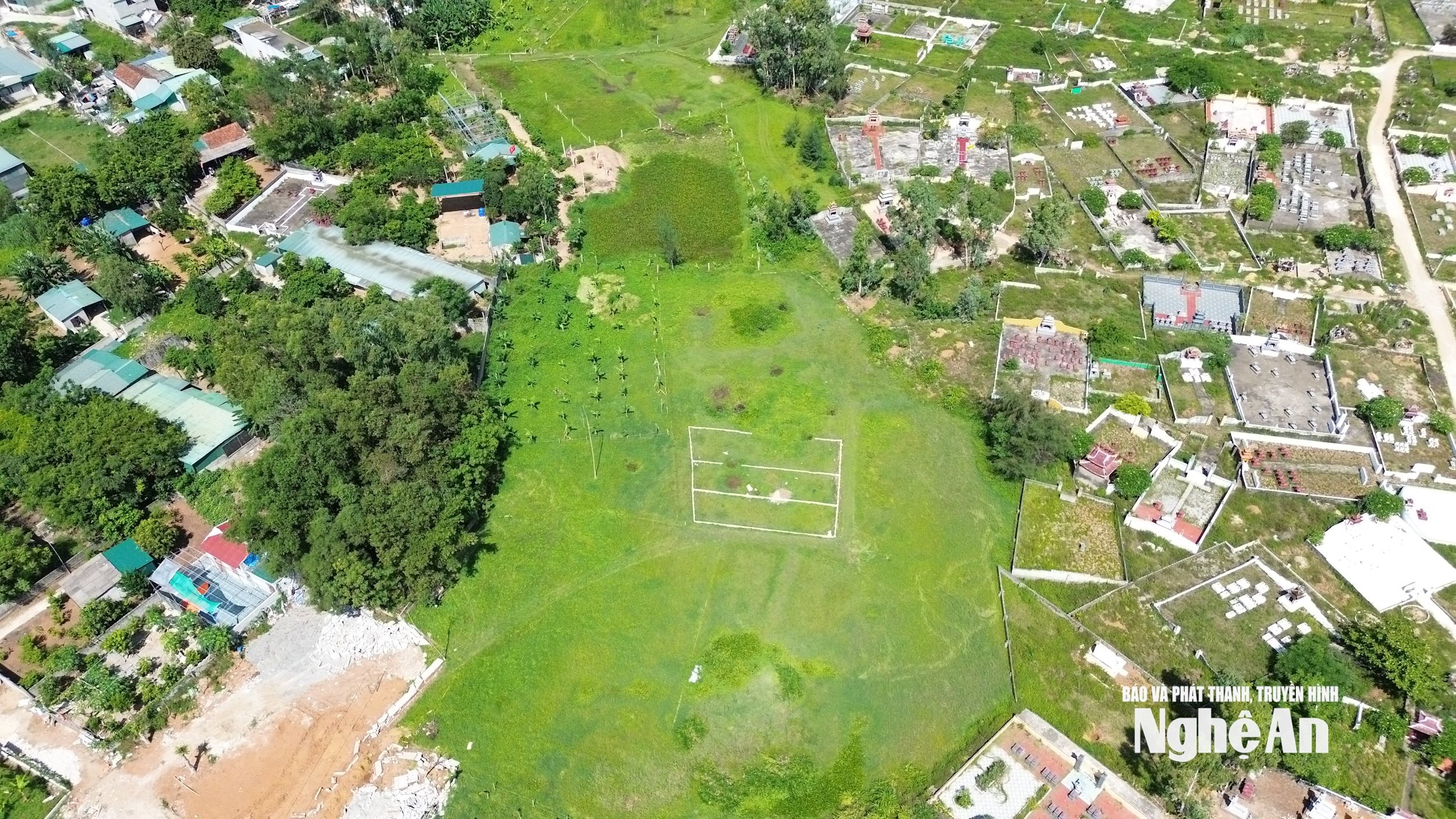
In the Dong Quan area, formerly part of Dong Minh village, Quynh Lap commune (now Tan Mai ward), numerous cases of illegal construction of house foundations and frames have long occurred on land entirely within the Dong Hoi Industrial Zone planning area. These foundations are built on land designated for perennial crops and other annual crops, which has not yet been converted to residential land.
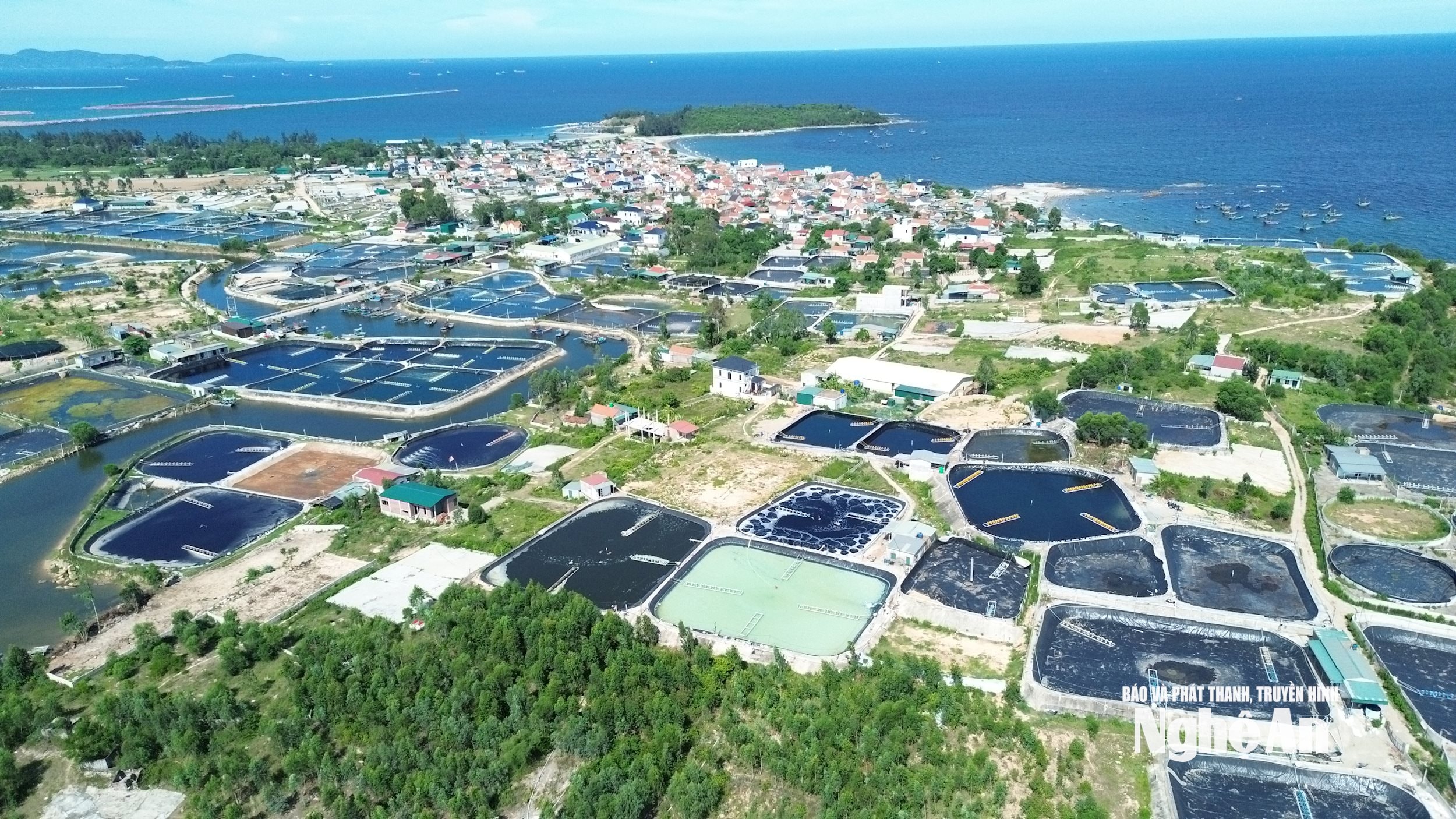
It is noteworthy that the Dong Hoi Industrial Park's planning was announced in 2010, but has not yet been implemented. This has led to difficulties for local residents in subdividing land and changing its land use purpose. Meanwhile, the population is growing, and the demand for housing is increasing, so people are disregarding regulations and "risking" building houses in the Dong Quan area, which they had previously purchased. Observations indicate that at least 10 constructions in this area are violating the planning regulations.
Besides the old violations, right during the transition period of administrative models and structures between the old and new communes and wards from the end of June and beginning of July 2025, in Son Long and Tan Thanh villages (formerly part of Quynh Lap commune), now part of Tan Mai ward, many households took advantage of the situation to illegally build on agricultural land, planned land, and traffic corridor land.
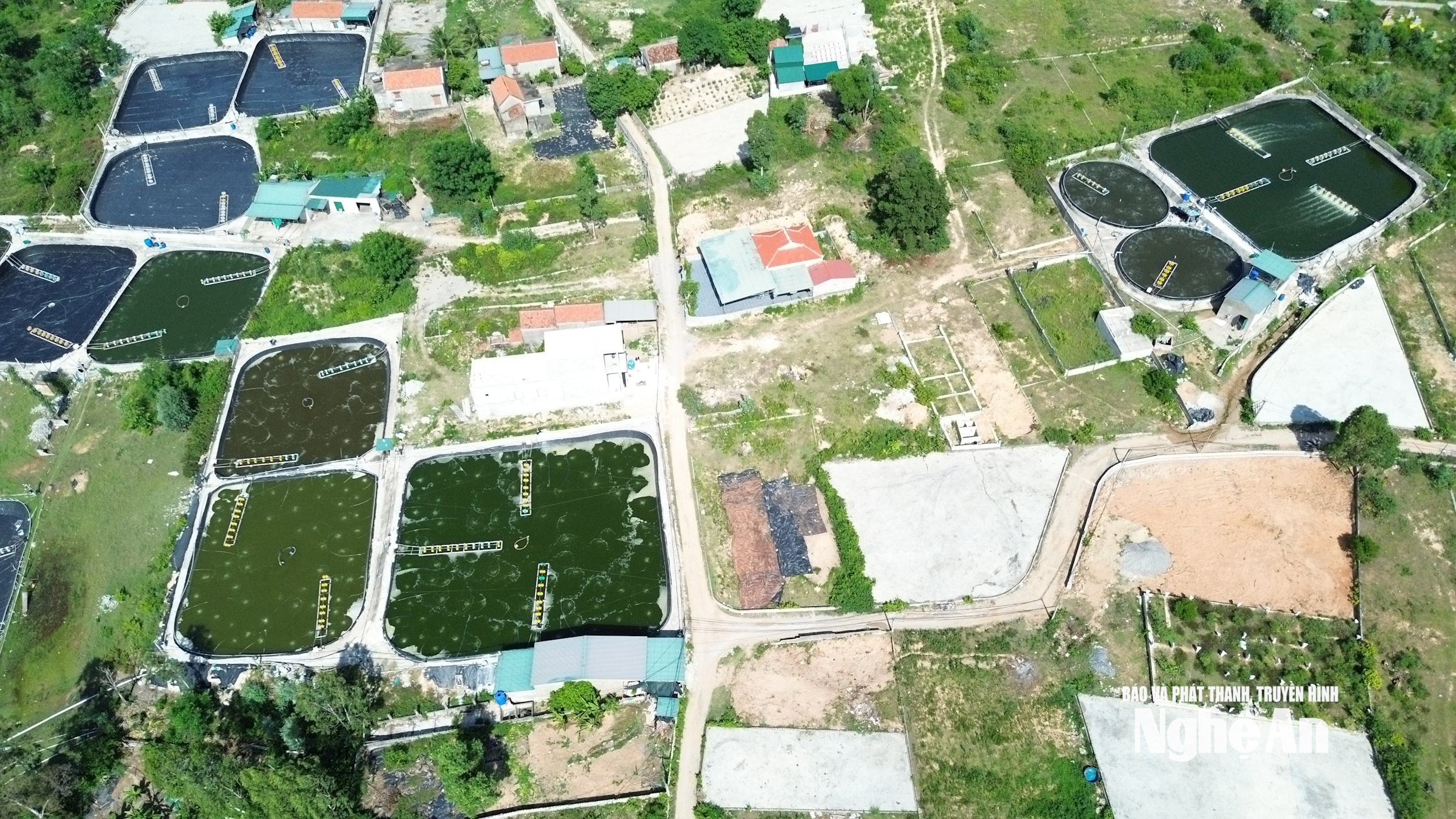
Specifically, in Son Long village, the families of Mr. Nguyen Quoc Trung and Ms. Le Hoi Ho, and in Tan Thanh village, households such as Mr. Bui Van Nhat, Mr. Nguyen Van Thuc, Ms. Le Thi Hue, and Ms. Nguyen Thi Thuy, have constructed houses, outbuildings, and boundary walls on agricultural land or reclaimed land without permission for conversion to other uses. Despite being informed and persuaded, some households still deliberately refused to comply. In response, the ward authorities have drawn up reports, issued administrative decisions, and organized the complete demolition of these structures. Notably, these illegal constructions are not only temporary but are quite solidly built, significantly impacting long-term urban management.
.jpg)
For example, in Tan Phong block, formerly part of Quynh Phuong ward, now Quynh Mai ward, during the transitional period between the old and new ward/commune authorities, seven households – Ho Van Trung, Le Tien Vinh, Hoang Song Hao, Le Tien Quyet, Nguyen Thi Xuan, Nguyen Thi Tien, and Nguyen Thi Huong – arbitrarily constructed semi-permanent structures such as stalls, temporary houses, and fences on agricultural land. These structures were built with unburnt bricks (paved), corrugated iron roofs, and solid foundations, which were inconsistent with the land use plan and intended purpose. Immediately afterward, the ward authorities inspected the site, documented the violations, and deployed forces to dismantle the structures and restore the land to its original state.
.jpg)
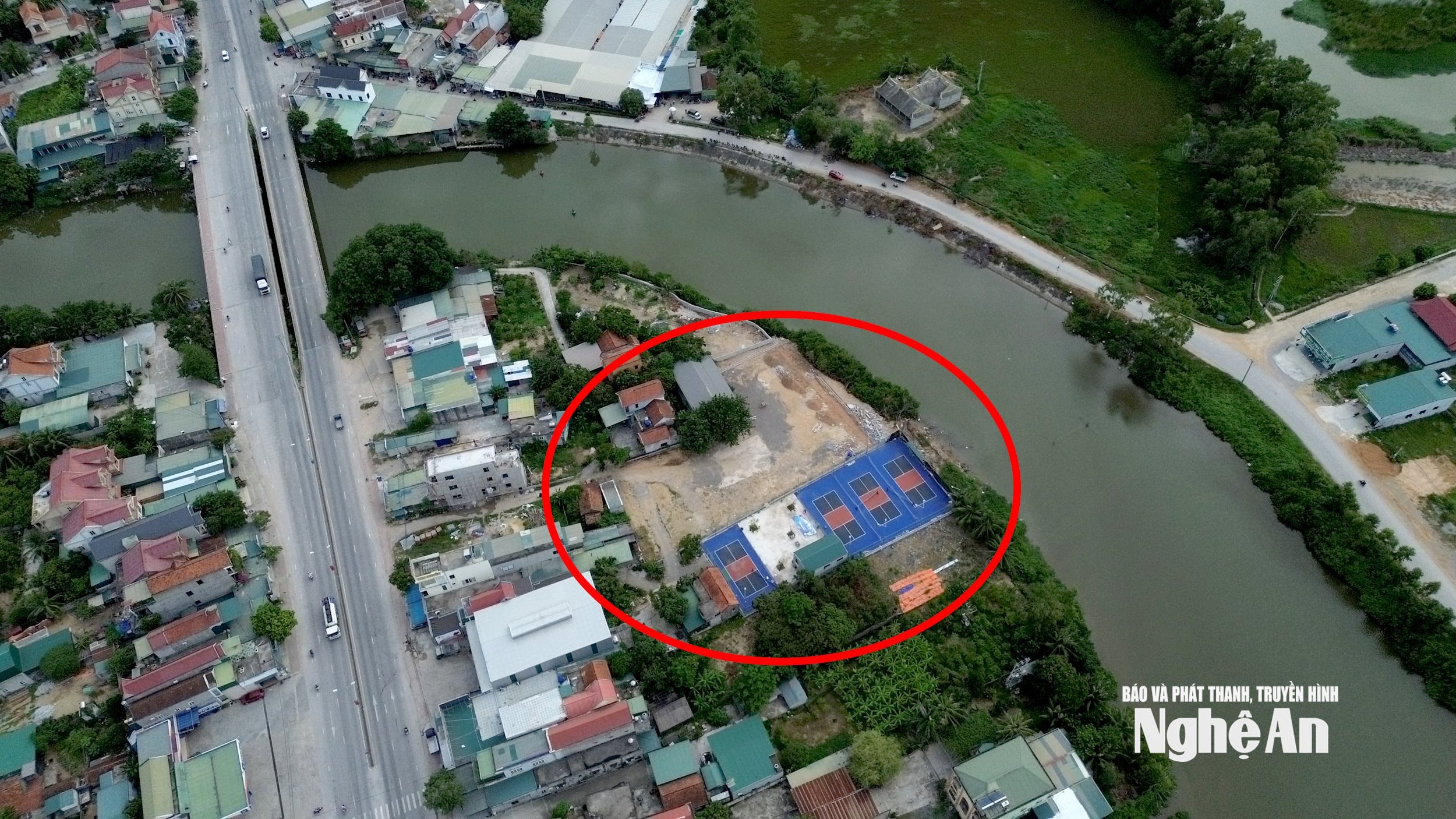
In Hoang Mai ward, a case of encroachment on the traffic safety corridor along the Hoang Mai riverbank has also been recorded. Specifically, the family of Mr. Dau Huy Doan, residing in Thinh My block (formerly Quynh Thien ward), borrowed land from the family of Ms. Nguyen Thi Hai (residing in the same block) to build a sports field. Next to it is a small, semi-permanent house with a solid foundation, built with unburnt bricks, a corrugated iron roof, and a surrounding fence. However, Mr. Doan's family used the land outside the boundaries of their land use certificate, violating the traffic safety corridor along the Hoang Mai riverbank. After receiving the complaint and inspecting the site, the Hoang Mai ward authorities encouraged the family to voluntarily dismantle the structure and restore the land to its original state.
resolute action will be taken.
It can be seen that violations of planning and construction regulations not only affect the overall planning but also pose a major challenge in land management and construction order in newly established localities since July 1, 2025.
Ms. Nguyen Thi Huong, Chairwoman of the Tan Mai Ward People's Committee, stated: "For newly arising violations occurring at the time of the handover of the new administration, the local authorities will resolutely handle them completely. Regarding cases of illegal construction on planned land in the Dong Quan area, Dong Minh village, since these are long-standing issues, the local authorities will find ways to resolve them step by step."

To prevent illegal construction in the Dong Quan area, the People's Committee of Quynh Lap commune previously had to set up checkpoints to stop vehicles carrying construction materials from entering the illegal construction zone. According to Ms. Huong, this was an unavoidable circumstance under the previous administration. Currently, the ward will assign functional forces and officials to closely monitor the area to prevent any new cases of illegal construction. At the same time, they will strengthen public awareness campaigns to ensure compliance and prevent illegal construction that is later demolished, causing economic losses to families. "Those who intentionally violate the regulations will be strictly dealt with according to the law," Ms. Huong emphasized.
.jpg)
Mr. Ho Van Cay, Chairman of the People's Committee of Quynh Mai Ward, said: "The recent cases of illegal construction in the ward all occurred during the transition period between the old and new administrations. After being reported by residents and discovered through inspections, the ward resolutely dealt with the violations, absolutely not allowing any illegal constructions to remain. Furthermore, in addition to dismantling the structures on the illegally occupied land, the Quynh Mai ward authorities even used equipment and machinery to excavate the foundations of the buildings to prevent recurrence."
Meanwhile, Mr. Pham Van Hao, Chairman of the People's Committee of Hoang Mai Ward, emphasized: The resolute demolition of illegal constructions is aimed at strictly implementing the Provincial People's Committee's directive on strengthening land management and handling violations of construction regulations. In the coming time, the People's Committee of Hoang Mai Ward will continue to strengthen propaganda, patrol, inspection, and supervision, promptly detecting and strictly handling violations in land use management and construction regulations. At the same time, it calls on people to strictly abide by the law to build a more developed, sustainable, and civilized locality.
It is evident that the resolute action taken by the northern wards of the province in dealing with illegal constructions immediately after the new administration was established demonstrates a high level of determination and resolve.
However, to definitively address this situation, strategic and long-term solutions are needed. These include, importantly, reviewing planning, proposing adjustments to outdated and suspended planning areas; prioritizing the allocation of resettlement land and housing for affected residents; strengthening public awareness campaigns and guiding people to comply with the law; and increasing accountability for local officials who allow prolonged violations to occur without detection or intervention.


