
Foods that help students feel healthy after eating them for exams.
The following 10 foods are simple, easy to buy, easy to prepare, inexpensive, and help provide sufficient nutrients for students during exam season.
1. Water
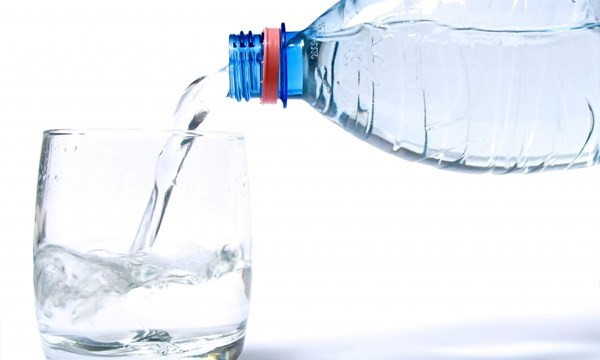
Don't forget or be lazy about drinking water. Don't wait until you're thirsty to drink. Water is very good for the brain because 80% of the brain is water. Therefore, you need to drink 2 liters of water every day. In addition, adding water-rich vegetables and fruits such as cucumbers, watermelons, seaweed, ginseng, etc., is also a way to increase your body's water intake.
 |
2. Eggs
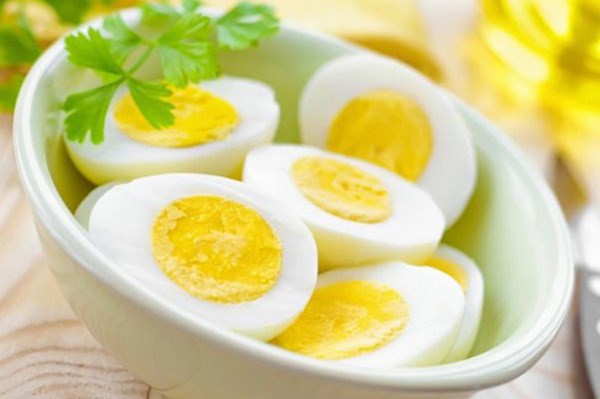
The belief that avoiding eggs for fear of getting a failing grade (like an egg) can lead to students lacking many nutrients, as eggs or fertilized duck eggs are very rich in protein. However, they shouldn't be eaten in excessive amounts; one egg a day, either in the morning or as a snack in the afternoon, should be avoided in the evening.
3. Mushrooms
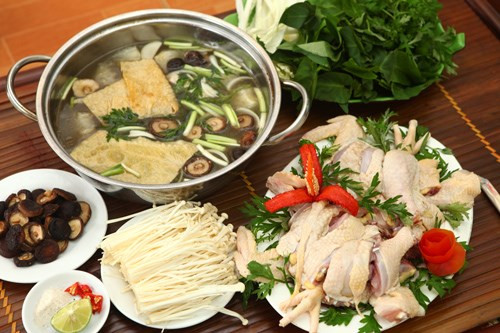
This is a highly nutritious food, providing protein, fat, carbohydrates, and vitamins…
 |
4. Tofu
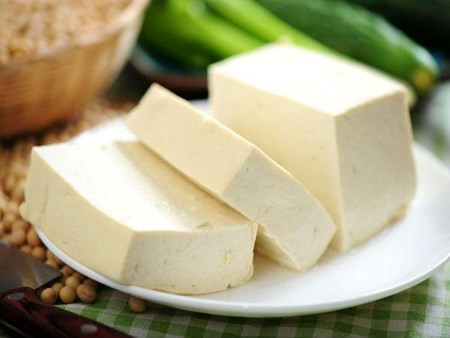
Plant-based protein is easily digestible and can be purchased and prepared very simply.
 |
5. Nuts
Beans like mung beans, black beans, red beans, lotus seeds, etc., are excellent sources of vitamins, minerals, and plant-based protein for students preparing for exams, and also serve as a nutritious addition to their meals.
 |
6. Fish
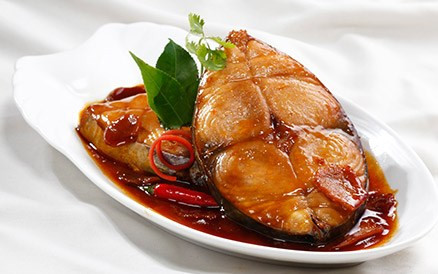
Fish is not only a source of protein but also provides beneficial fatty acids (also known as omega-3s) for the cardiovascular and nervous systems. It's recommended to eat fish three times a week, prioritizing varieties like mackerel, basa, and herring. Additionally, in the summer, adding crab, clam, or mussel soup to your diet is a great way to supplement your diet with protein and minerals.
Dark green leafy vegetables are rich in iron and B vitamins, making them excellent for students preparing for exams, such as water spinach, amaranth, and spinach.
 |
7. Types of fruits
Yellow and red fruits should be prioritized to provide plenty of vitamin A for the eyes. At least eat one banana and one apple or drink a glass of orange or tangerine juice each day to provide your body with vitamins and minerals.
 |
8. Bananas
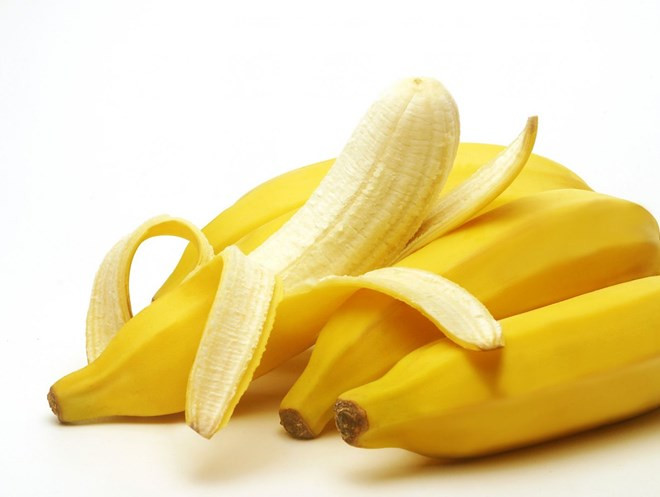
Eating bananas isn't as risky as you might think, as some children believe. Bananas are rich in vitamins and especially potassium, which is very good for your health.
 |
9. Milk, yogurt, cheese
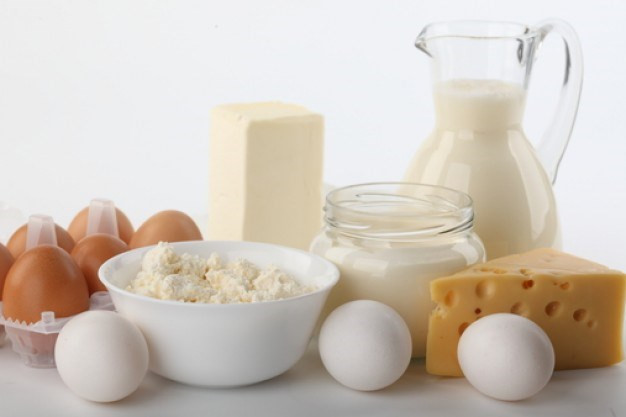
Milk, yogurt, and cheese provide plenty of energy; drinking a glass of milk at night or between meals can help boost energy and nutrients for the body.
Eating 1-2 containers of yogurt daily provides additional beneficial bacteria that help the digestive system function well and protect the gut and immune system.
 |
10. Dark green vegetables
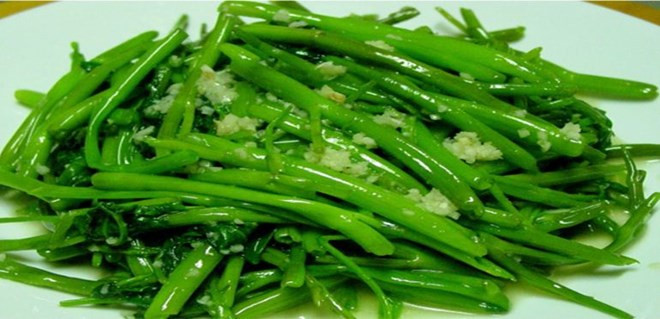
Vegetables rich in iron and B vitamins are very good for students preparing for exams, such as water spinach, amaranth, and spinach.
 |
Things to keep in mind when eating and drinking.
Under no circumstances should you skip breakfast; it's very dangerous. After a long night of fasting, your body needs to be energized so your mind can be clear enough to focus on studying.
You should wait 30-60 minutes after eating before studying. During this time, take a break, go for a light walk, breathe deeply, and focus on your breathing to allow your brain to truly rest and clear its mind.
Children should avoid eating until they feel excessively full at main meals, only eating until they are about 80% full. If they overeat at every meal, blood will concentrate in the stomach and intestines to digest the excess food, reducing blood flow to the brain, which can easily lead to drowsiness and consequently decrease their ability to absorb information.
As the exam day approaches, students should avoid eating unfamiliar foods that are difficult to digest or foods that have caused them problems in the past. They should minimize eating street food as much as possible, as there is a high risk of food poisoning.
According to Baophapluat
| RELATED NEWS |
|---|


