
Communes in the highlands of Nghe An province are accelerating land preparation and planting of spring rice.
Taking advantage of favorable weather conditions, the highland communes in western Nghe An province are focusing on directing and urging farmers to quickly go to the fields to prepare the land and accelerate the progress of spring rice planting, ensuring production is carried out within the correct timeframe.
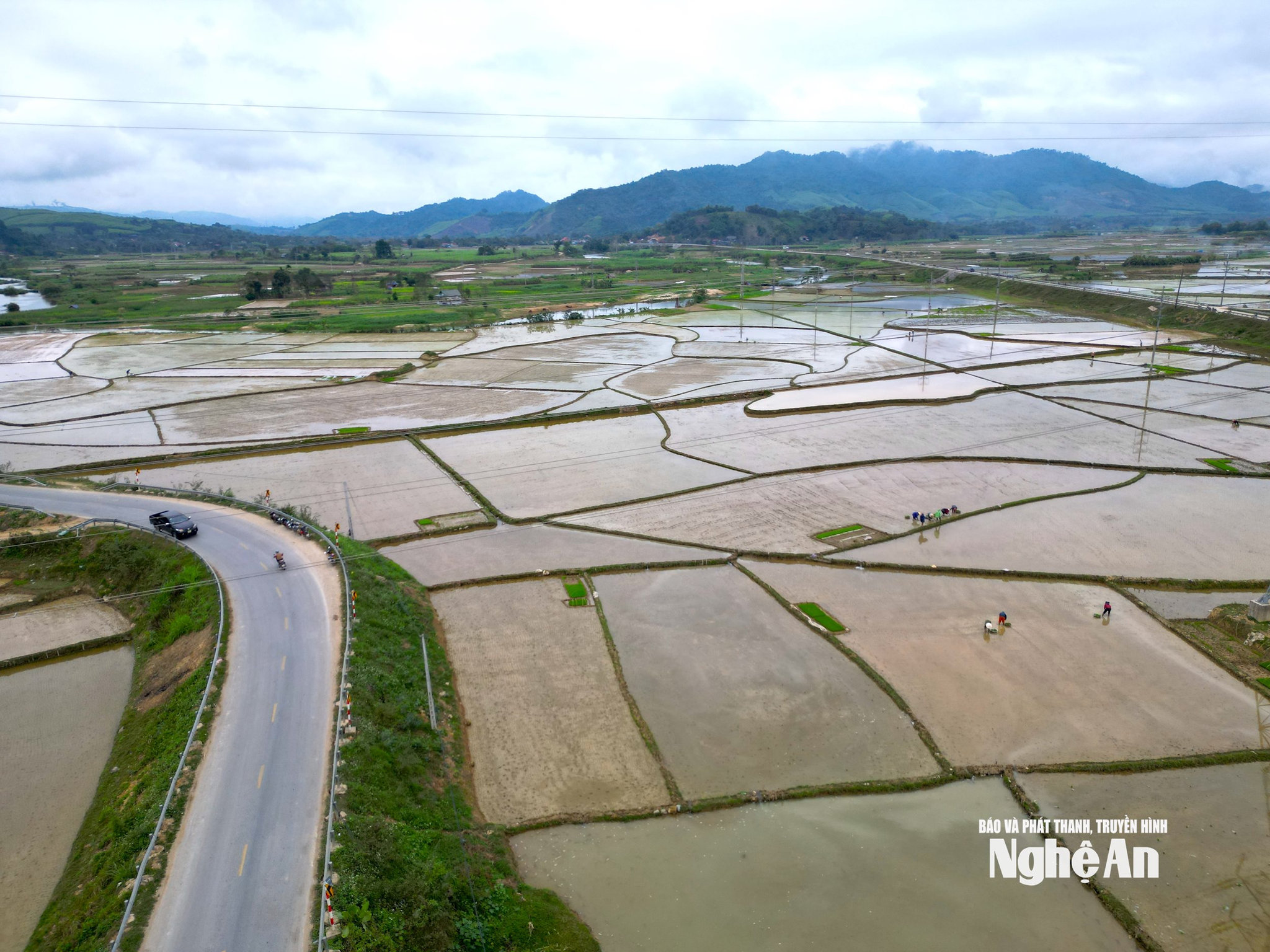
In Chau Tien commune, one of the localities with a large area of spring rice in the highlands, farmers have been focusing intensely on land preparation, seedling preparation, and the concentrated rice transplanting season in recent days. On the terraced fields and low-lying fields, farmers are taking advantage of favorable weather to plow, build embankments, repair the water wheel system, and proactively manage water supply for planting.
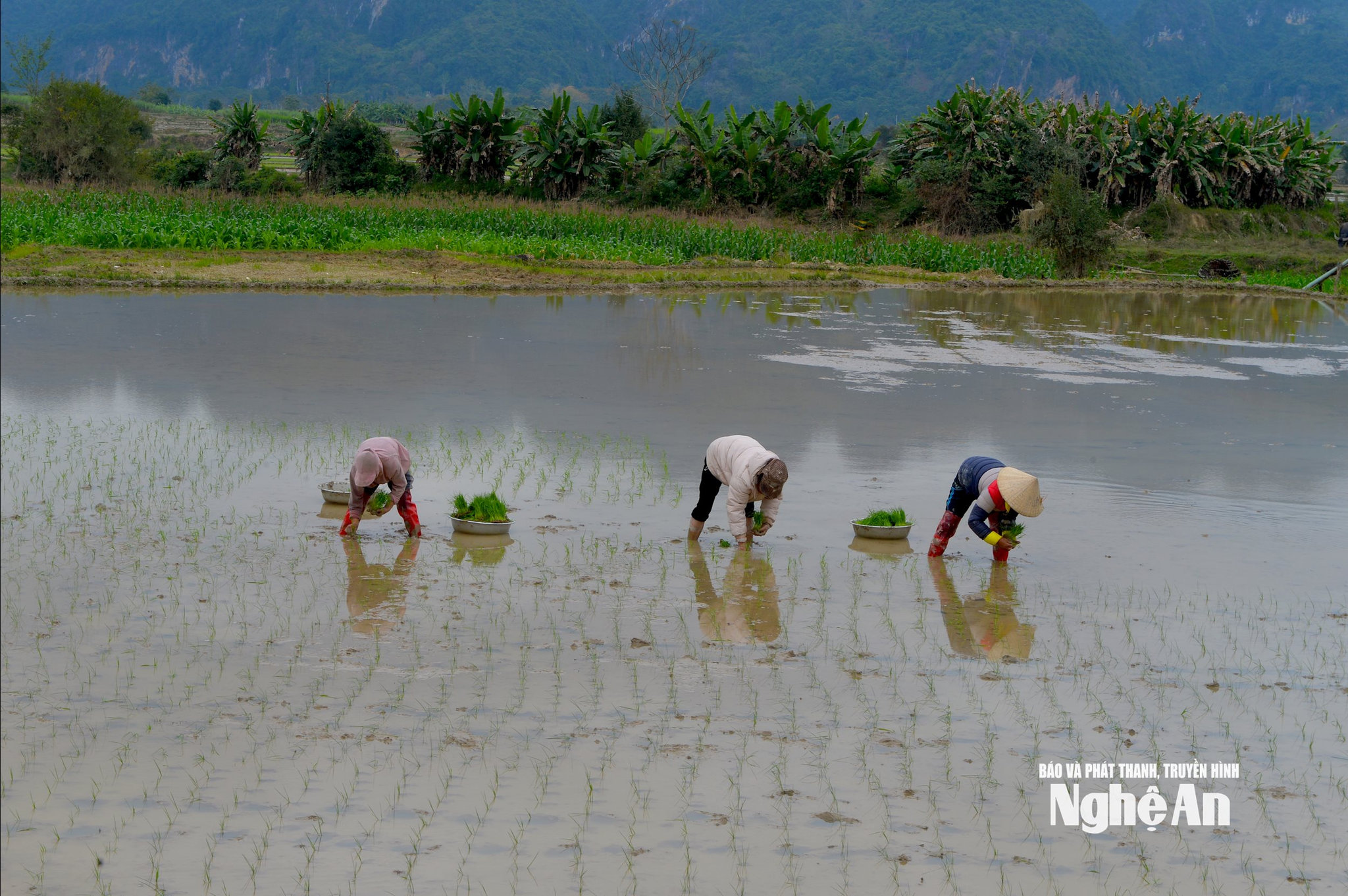
The spirit of mutual assistance and cooperation among households continues to be promoted, helping to accelerate the planting process despite fragmented land plots and complex terrain. Ms. Vi Thi Lan, a resident of Ban village, Chau Tien commune, shared: “The weather has been dry and favorable these past few days, so people have been going to the fields since early morning. My family has been exchanging labor with other villagers, mobilizing additional manpower to plant rice in time for the season. We expect to complete about 4 sao (approximately 0.4 hectares) of rice within the next 2-3 days. We just hope the weather remains warm so the rice takes root quickly and grows well.”
According to Mr. Lo Quang Hiep, Head of the Economic Department of Chau Tien Commune People's Committee, this spring the entire commune planted approximately 703 hectares of rice. The main varieties planted are high-yielding, high-quality pure rice varieties such as Song Lam 9, Thien Uu 8, and traditional glutinous rice varieties suitable for the highland climate. From the beginning of the season, the commune directed villages and hamlets to disseminate information and guide farmers in covering seedlings with nylon to protect them from the cold, ensuring healthy seedlings and preventing seedling death due to frost.
.jpeg)
Simultaneously, the irrigation system has received significant investment and maintenance. The entire commune currently has approximately 175 water wheels, drawing water from the Nam Hat and Nam Viet rivers and the Ke Coc dam, basically meeting the irrigation needs for production. To date, land preparation has reached about 85%, and the planted area has exceeded 40%, with the entire area expected to be planted before February 3-5.
In particular, for an area of more than 20 hectares that was buried under mud and soil due to the previous flood, the people proactively leveled and restored the land in time to resume production.
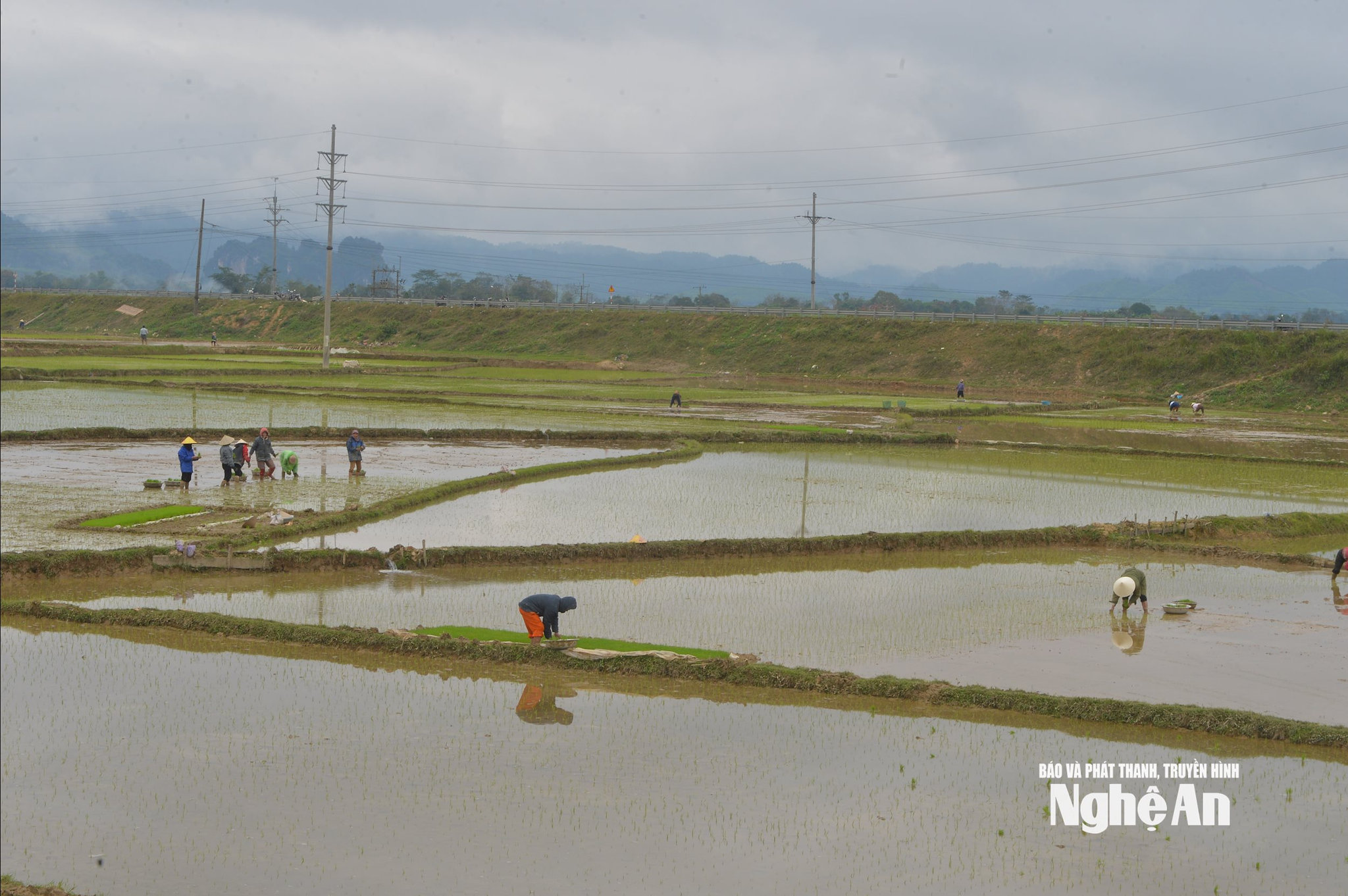
The atmosphere surrounding the spring rice production is also bustling in Tien Phong commune. In the fields, farmers are busy preparing the land, fertilizing, and transplanting seedlings, getting ready for the peak planting season. Ms. Vi Thi Tinh, from Dan village, Tien Phong commune, said: “My family is focusing on this.”"All the manpower went to the fields to sow and plant 5 acres of rice. Rice yields higher productivity, so we pay close attention and try to follow the planting schedule and instructions from the commune to achieve the best results."
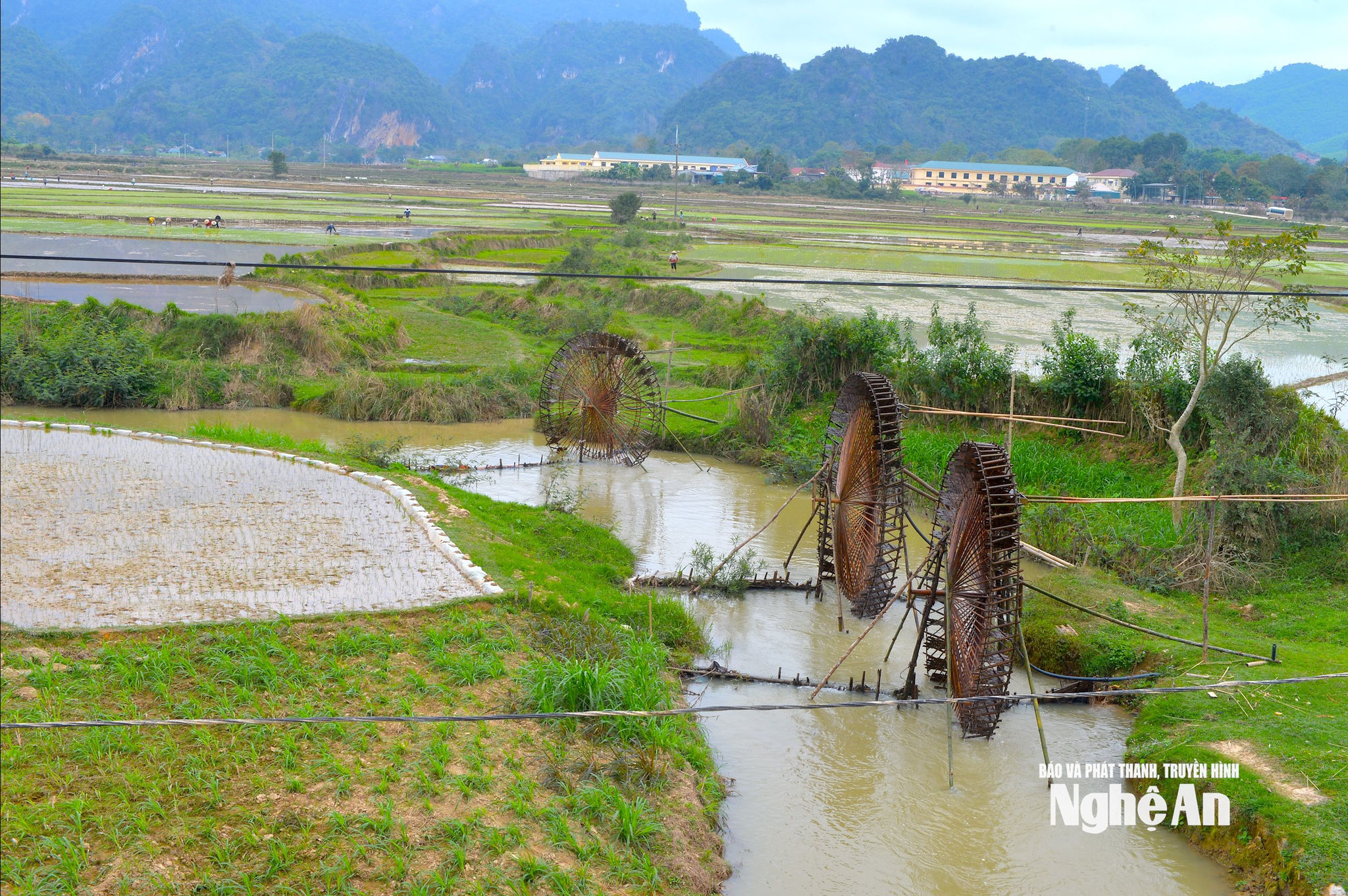
According to Mr. Sam Viet Hung, Head of the Economic Department of Tien Phong Commune People's Committee, this spring the entire commune planted over 500 hectares of rice. The main water source for production is natural flow from streams in villages such as Dan, Phuong Tien 1, and Phuong Tien 2, combined with a system of approximately 79 water wheels built and maintained by the local people. The work of preparing seedlings with protective coverings has been basically completed, and the main planting method remains hand-planting due to the small, scattered size of the fields. The rice varieties include hybrid rice, purebred rice, and some Japonica varieties suitable for local farming conditions.
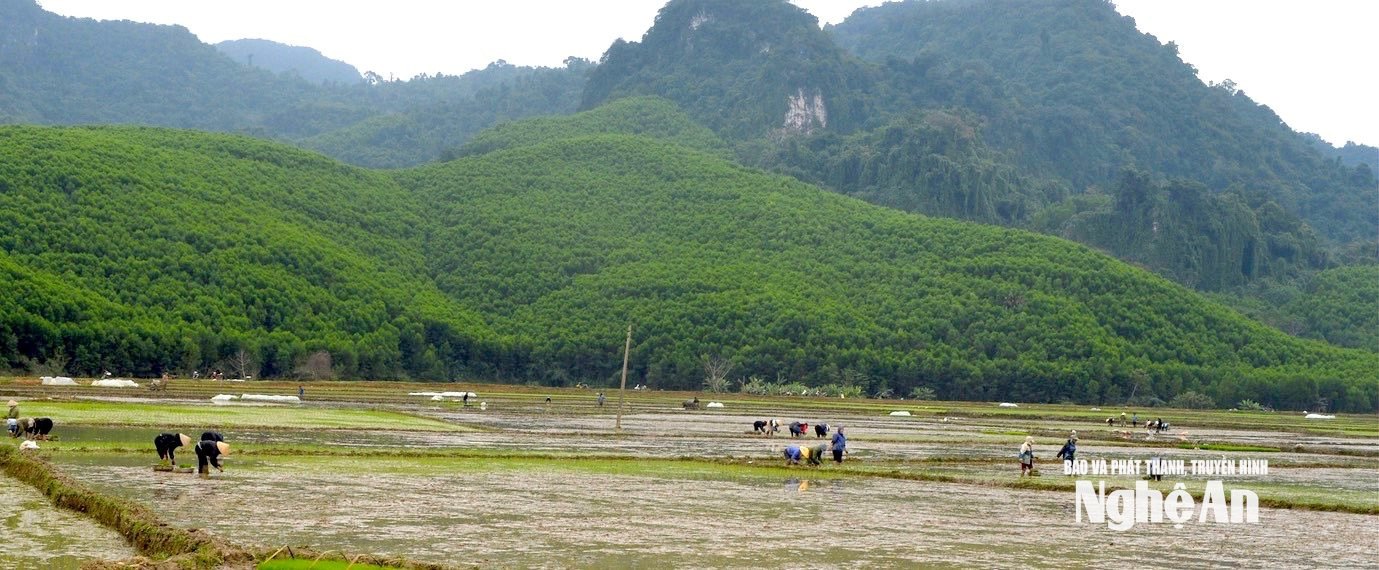
Overall, thanks to thorough preparation from land preparation and seedling sowing to ensuring irrigation and organizing simultaneous planting, along with the proactive and positive spirit of the farmers, the communes in western Nghe An are gradually accelerating the progress of spring rice production. Local authorities regularly monitor the fields, providing timely guidance and resolving difficulties, determined to complete planting on the entire area according to plan, ensuring the 2026 planting schedule.
Further discussing spring crop production in mountainous areas, Mr. Nguyen Tien Duc, Head of the Department of Crop Production and Plant Protection of Nghe An province, said: Mountainous and highland communes in the province planted spring rice on an area of approximately 8,000 hectares, with particular emphasis on irrigation and adherence to the planting schedule. To date, most localities have followed the province's spring rice planting schedule. Planting on schedule helps highland farmers minimize risks from unfavorable weather, especially severe cold at the beginning of the season.
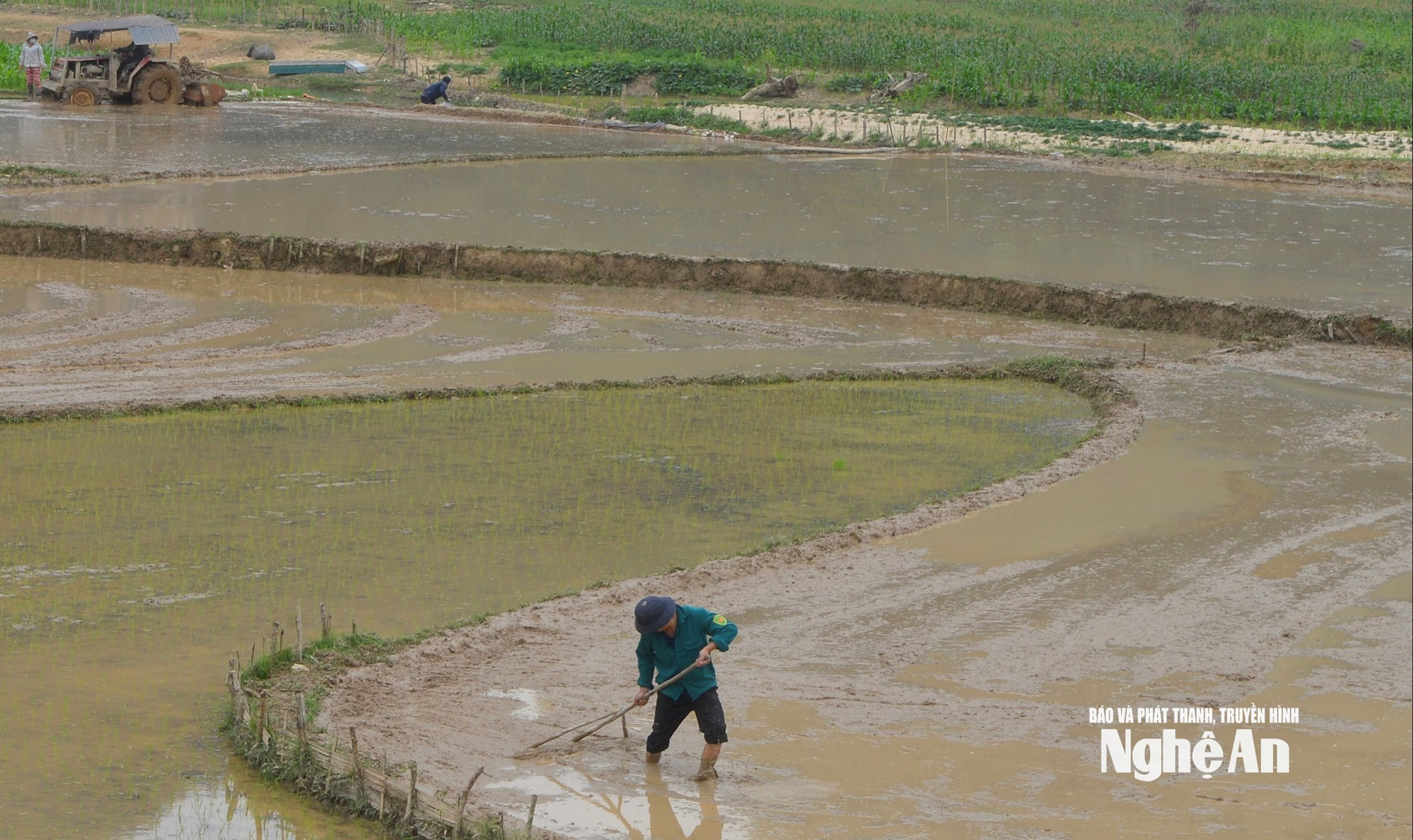
The agricultural sector also advises people to strengthen measures to protect rice seedlings and newly transplanted rice from the cold; not to sow seeds or spray herbicides when temperatures drop low to avoid cold poisoning of the rice plants.
With the coordinated efforts of all levels and sectors, and the dedication of the people, spring rice production in western Nghe An is expected to yield positive results, laying the foundation for a stable and sustainable year of agricultural production.


