
How to ensure electrical safety during the rainy and stormy season.
Storms not only bring strong winds and heavy rain but also pose a range of electrical risks, from short circuits and fallen power poles to flooding causing electrical leaks. Without proper preparation, these risks can seriously threaten your family's safety.
Storms not only cause property damage but also bring with them numerous electrical hazards that can threaten the safety of the entire family. Identifying and understanding these electrical dangers will help you proactively take necessary preventive measures and handle emergencies safely and promptly when a storm strikes.
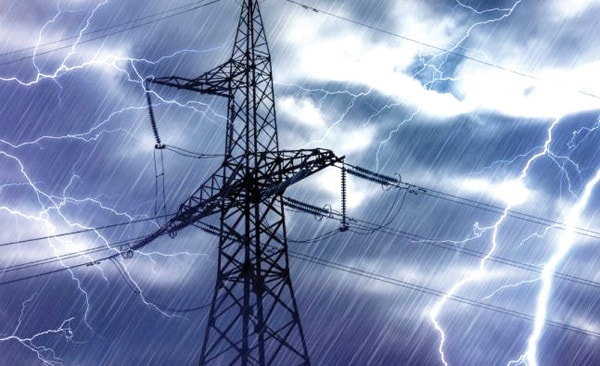
Common electrical hazards during storm season.
Each rainy season, electrical incidents increase significantly, posing serious risks to both property and lives. Below are three of the most common dangers you need to be especially aware of:
Lightning strikes and sudden pressure surges
Lightning doesn't need to strike a house directly to cause damage. When lightning strikes the power grid, it can cause a sudden voltage surge that propagates along the power lines into your home. This overload is powerful enough to burn out circuit boards, damage electronic devices like TVs, computers, and refrigerators, or even start a fire.
The power lines have fallen or broken.
Strong winds, falling trees, or colliding objects can cause outdoor power lines to break, sag to the ground, or hang across houses. These lines, although seemingly inactive, can still carry electricity, posing a deadly hazard if accidentally touched. Always maintain a safe distance and immediately notify the power company if you spot any such lines.
Floods and inundation
Rainwater flooding into homes, especially basements or low-lying areas, can come into contact with electrical outlets, wires, or electronic devices, causing short circuits and fires. Water can also become a conductive medium, putting anyone stepping into a flooded area at risk of electric shock. Absolutely do not touch electrical equipment with wet hands or while standing in water.
Understanding these hazards will help you take more proactive preventative measures, minimizing risks in extreme weather situations.
Tips for ensuring electrical safety before a storm hits.
Thoroughly preparing your home's electrical system before a storm not only helps minimize property damage but also plays a crucial role in protecting the safety of your entire family.
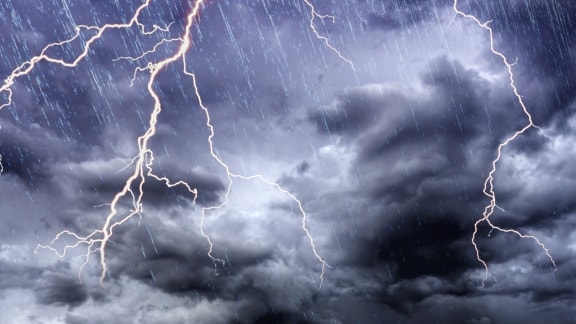
Here are the necessary steps you should take early, before heavy rain and strong winds hit:
Protect outdoor equipment and sockets.
Inspect all electrical outlets, wiring, and outdoor electrical appliances such as garden lights, water pumps, or electric gardening equipment. If possible, disconnect and unplug these devices, and cover them carefully with non-conductive material to prevent rainwater from seeping in and causing short circuits.
Install a surge protector.
Valuable electronic devices such as TVs, computers, security systems, or smart home devices are highly vulnerable to damage from voltage surges caused by lightning strikes. Investing in high-quality surge protectors, whether direct-to-outlet or integrated into the electrical panel, will significantly reduce the risk of fire or equipment damage.
Reinforce the roof and windows to prevent water from entering.
Rainwater entering the house through gaps in the roof or windows can come into contact with electrical outlets, in-wall wiring, or appliances near the floor, creating conditions for short circuits. Carefully inspect the roof, roofing sheets, and window frames to ensure there are no leaks; if necessary, seal them with silicone or specialized waterproof tape.
Prepare an emergency power kit.
Make sure you have a flashlight, spare batteries, a power bank for your phone, a battery-powered radio for weather updates, and a first-aid kit readily available in case of an emergency. Place them in an easily accessible and accessible location, especially during prolonged and widespread power outages.
Prior preparation not only helps you proactively respond when a storm occurs but also minimizes losses and recovery time after a natural disaster.
Tips for ensuring electrical safety during a storm: Things to do to avoid deadly risks.
When a storm hits, electrical hazards can occur at any time, from widespread power outages and lightning strikes causing voltage surges to high-voltage power lines collapsing. During this time, staying calm and following safety instructions is crucial to protecting yourself and your family from unnecessary accidents.
What should you do when the power goes out?
Stay calm and avoid using candles:In the dark, your first instinct might be to light a candle, but this poses a fire hazard if near an electrical outlet, appliance, or flammable material. Instead, keep a flashlight and spare batteries readily available in easily accessible locations.
Use the generator correctly:If you have a generator, operate it outdoors in a well-ventilated area, away from windows, doors, and vents. Never operate a generator indoors or in an enclosed garage, as the colorless, odorless carbon monoxide gas can accumulate quickly and be fatal.
Avoid overloading the electrical system:Always adhere to the maximum power output of your generator. Plug in essential appliances such as refrigerators, lights, or phone chargers directly instead of the entire house's electrical panel, unless you have a dedicated power transfer system installed by an electrician.
What if you see a broken power line?
Absolutely avoid:A broken power line may still be live, even if it doesn't crackle or spark. Maintain a safe distance of at least 10 meters and keep no one, including children or pets, near it.
Report it to the authorities immediately:Call your local power company or emergency hotline to report the situation. Warn people around you to avoid the dangerous area.
Tips for ensuring electrical safety after a storm.
Once the storm has passed, many people tend to breathe a sigh of relief and return to normal life. However, the electrical consequences, from damaged wires and short-circuited equipment to power systems affected by flooding, still pose serious risks if not inspected and addressed promptly.
Here are some important steps to take to ensure your home and electrical system are truly safe after a storm:
Check for exposed or damaged wires.
Walk around the house and carefully observe the walls, ceilings, garden, and roof.
If you discover exposed, broken, or damaged electrical wires such as melted plastic or exposed copper strands, absolutely do not touch them. Immediately cordon off the hazardous area and call a professional electrician to handle the situation.
Beware of power lines breaking near your house.
If you see power lines lying on the ground, draped across fences, or entangled in trees after a storm, keep a distance of at least 10 meters. Although they may look harmless, they could still be live and pose a deadly risk of electric shock.
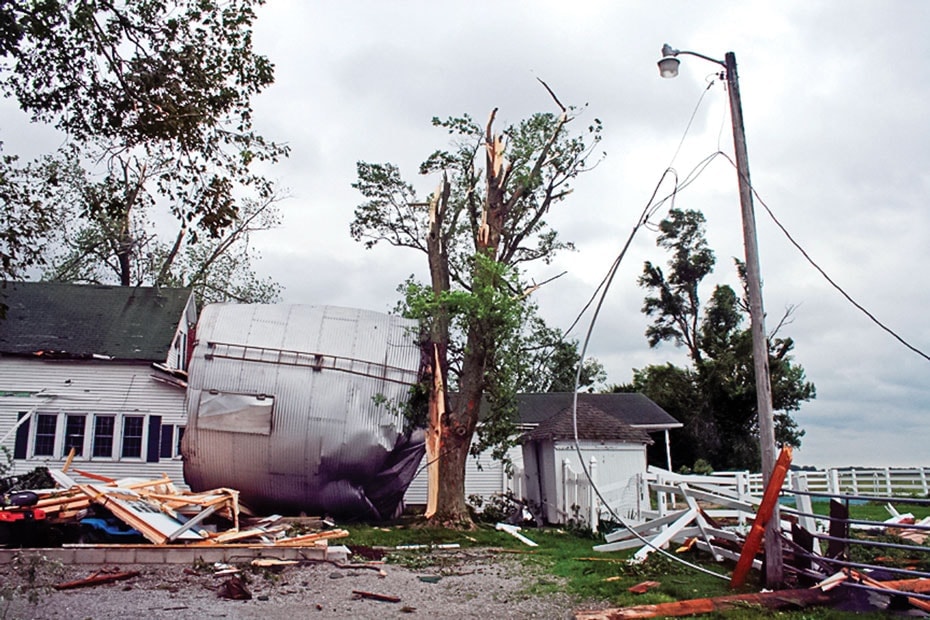
Checking electronic and household appliances.
Look for signs of damage such as burn marks, a burning smell, a damp plug, or water stains on the appliance's surface. These signs could be the result of voltage surges or water ingress. If you suspect the appliance is damaged, unplug it and do not use it until it has been thoroughly inspected.
Do not step into flooded areas near electrical outlets.
Water combined with electricity is a recipe for deadly accidents. If water has flooded areas containing electrical outlets, wires, and appliances, especially on the ground floor or basement, absolutely avoid contact and do not turn on any appliances.
Turn off the main power supply.
If safe access is still possible, switch off the main circuit breaker to cut off all power in the house before checking the flooded area. If the power was already cut off due to a power outage, wait until a technician confirms the system is safe before turning it back on.
Contact a professional electrician.
After a flood, a professional electrician is the only person qualified to assess the condition of your home's electrical system. They can check for in-wall wiring, damp outlets, waterlogged appliances, or whether the grounding system is still safe. Do not attempt repairs yourself if you lack expertise.
Although the storm has passed, the danger of electrical hazards remains. Do not turn everything back on immediately. Inspect, assess, and only restore use after you are certain everything is safe. Acting cautiously not only protects your equipment but also the lives of your family.


