
How to clean and disinfect your home after flooding.
After flooding, household items, as well as walls and floors, are often covered in mud. Before cleaning, you should move items to a corner or take them outside. Use a shovel to remove mud from the house once the water has drained or been pumped out to allow the floors and walls to dry.
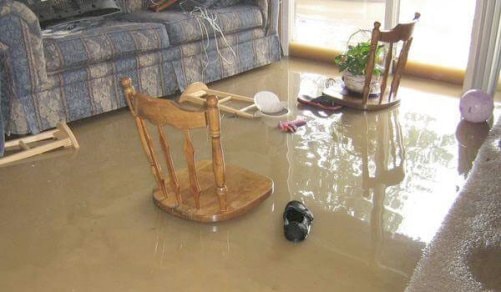 |
| After flooding, household items, as well as walls and floors, are often easily covered in mud. |
If mud stains remain on the walls, use a stiff brush with household soap to scrub from top to bottom, rinsing frequently with clean water. Open all windows and doors to allow moisture to escape. Use a fan or dehumidifier to speed up the drying process.
To eliminate unpleasant odors from your home, you can prepare a disinfectant solution by mixing 500g of chlorinated lime powder in 25-40 liters of water, or use regular laundry bleach to scrub the house and items that were submerged in floodwater. When scrubbing, wear protective gloves, eye protection, and high-top shoes.
To quickly eliminate musty odors, you can place a bowl of vinegar, dried tea leaves, or coffee grounds in the corners of the room.
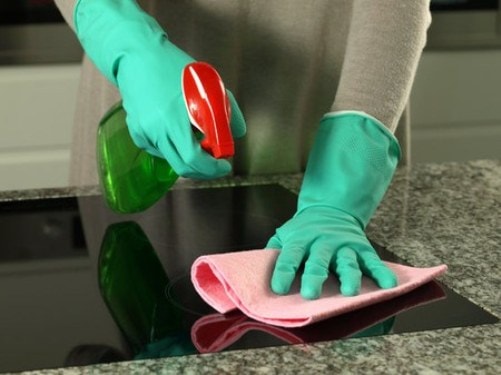 |
| When cleaning, wear protective gloves, eye protection, and protective boots. |
- Clothes:
First, sort your clothes. For clothes heavily soiled with mud, use a hose to rinse off as much mud as possible. Absolutely do not put muddy clothes into the washing machine, as the large amount of mud can clog the drain. Wash clothes at the highest temperature allowed for the fabric type. Additionally, to disinfect, add a capful of chlorine during the white wash cycle. You should also disinfect the washing machine with a disinfectant solution if floodwater has previously entered it.
- Cleaning furniture:
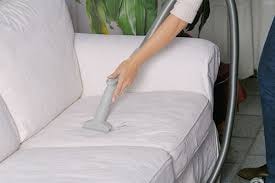
Remove any furniture that has been submerged in water and leave it outside in the sun to disinfect. Upholstered items like sofas should be taken to professional cleaning centers. Blankets and mattresses soaked in floodwater should be discarded as they are difficult to completely remove bacteria from.
 |
- Household electrical appliances:
After rain or flooding, check electrical connections and sockets to see if water and moisture have affected them. If so, dry them thoroughly before switching on the power. For household appliances that have been submerged in water, it's best to have a skilled electrician disassemble and dry each component. When using appliances such as rice cookers, irons, microwaves, and electric fans, ensure the equipment is dry, functioning properly, and that your hands and feet are dry.
All cooking utensils such as knives, spoons, plates, etc., should be washed with warm soapy water, then boiled, and scrubbed with hot water and dish soap. Avoid contaminated food contact surfaces such as drawers, shelves, cutting boards, and countertops. Always cook food thoroughly and boil water to prevent illness.
- Water treatment for drinking water:
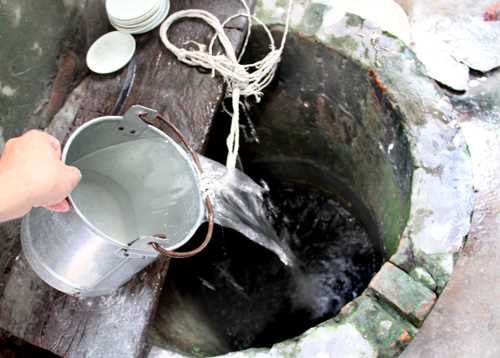 |
If contaminated floodwater has inundated the underground tank, drain all the water and disinfect the tank with chloramine B. If there is no alternative water source, it is necessary to disinfect the existing water for domestic use. You can use a piece of alum about half the size of a finger joint, dissolve the alum in a ladle of water, then pour the dissolved alum into a bucket containing about 20-25 liters of water and stir well. After about 30 minutes, when the sediment has settled to the bottom, decant the clear water for disinfection.
Disinfecting water with chloramine B tablets: Place a 0.25g chloramine B tablet in a ladle of water, pour this ladle of water into a bucket (25 liters) of clarified water, and stir well. Wait about 30 minutes before using the water. For powdered chloramine B, use 1/3 tablespoon of powder to disinfect 300 liters of water. The disinfected water must also be boiled before drinking. You can also call a professional cleaning service for proper treatment.
T. P (compiled)


