
How farmers in Nghe An are practicing circular economy.
From livestock waste to agricultural by-products, things once considered "outputs" needing disposal are gradually being returned to the production cycle. The circular economy not only helps reduce waste and save resources but also opens up more opportunities to enhance the value and competitiveness of agriculture and businesses in Nghe An.
Finding revenue sources in waste
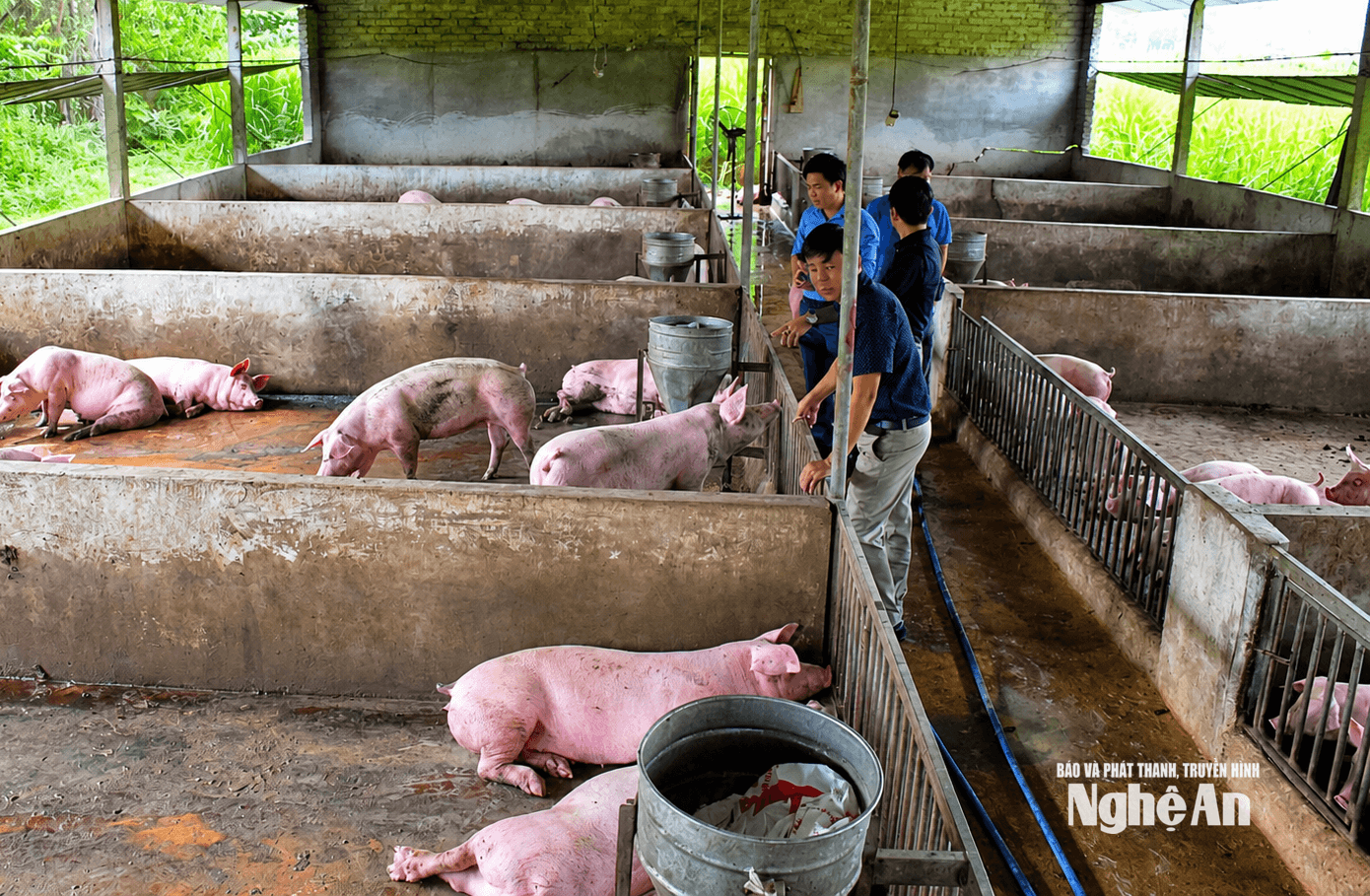
For many years, Mr. Nguyen Duc Binh, from Tan An commune, has persistently built a circular economy model in livestock farming. Using waste from his pig herd, his family has developed a process for treating and reusing it to raise earthworms, which are then used as feed for fish and chickens, and to create organic fertilizer for farming.
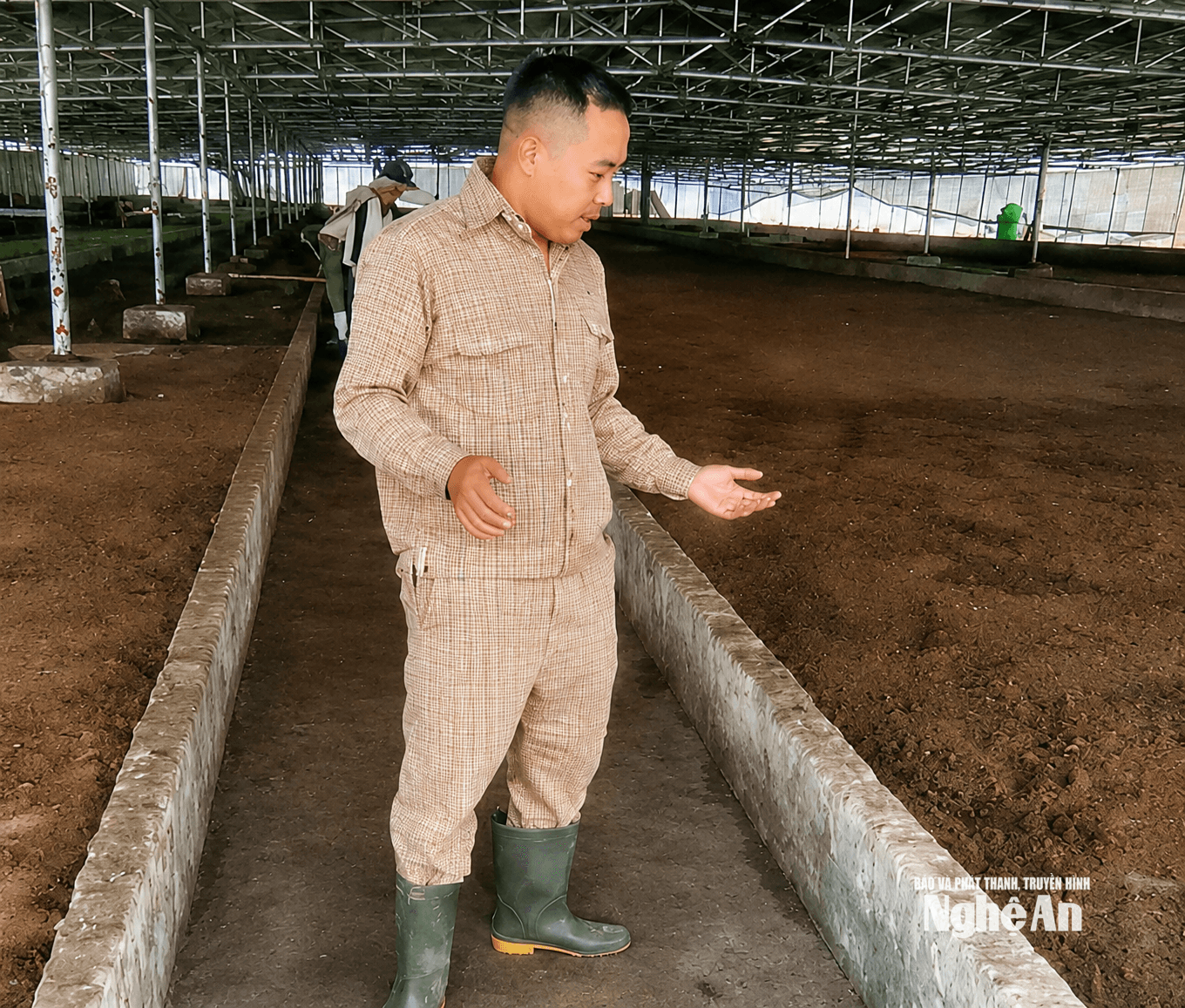
According to Mr. Binh, the waste from the pigs after collection...The process involves filtering and separating the sediment from the water. The water is processed in a biogas system and then used for irrigating plants. The remaining solids are composted with microbial preparations before being used as feed for earthworms.
The method seems simple but creates a closed loop. On average, 1 square meter of earthworms can consume about 3 kg of manure per day, equivalent to the waste of about 4 pigs. With a scale of about 500 pigs, Mr. Binh's earthworm farm covers more than 100 square meters and is expected to produce about 500 kg of earthworms per month.
After harvesting, the earthworms are used as feed for fish and chickens, helping to reduce feed costs. The earthworm castings become a source of organic fertilizer for crops, improving soil quality. Furthermore, chicken manure is collected and processed to be used in earthworm farming.
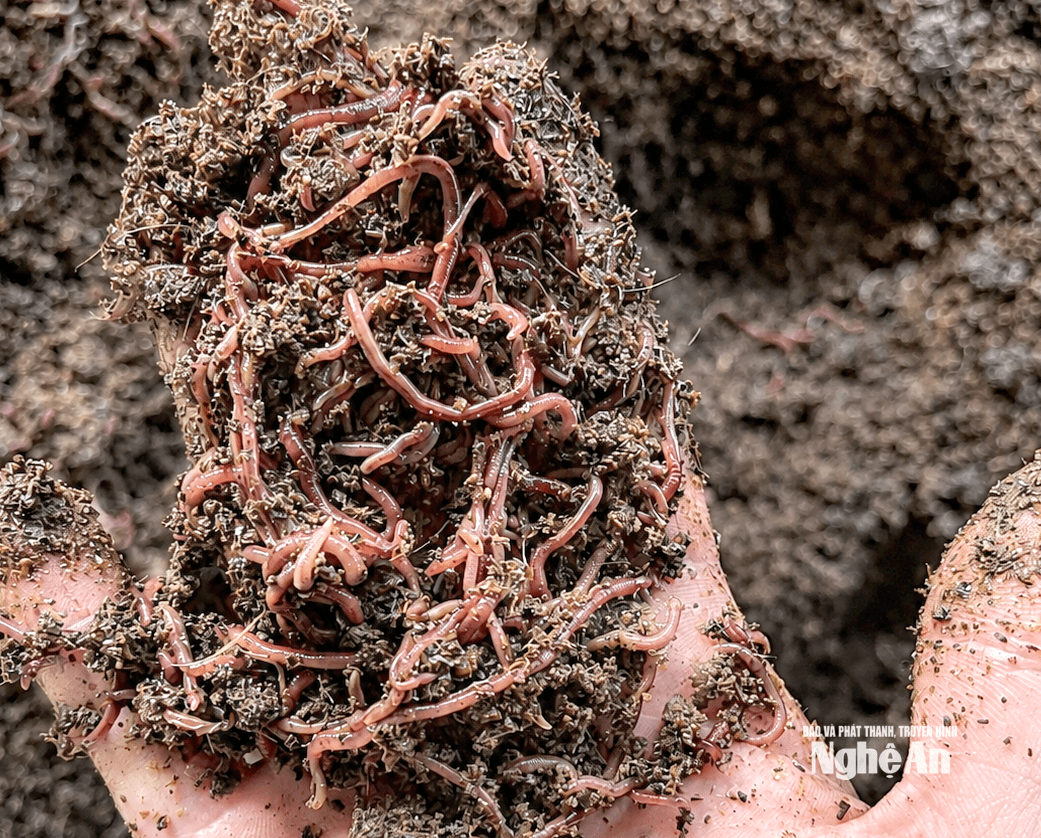
Thus, within the same production system, waste from one stage becomes input for another. Pig manure is used to feed worms; worms are used as feed for fish and chickens; worm castings are used to fertilize plants; and the water after biogas treatment is used to irrigate plants. A circular system is formed, reducing the burden of waste treatment while generating additional income.
Based on the initial success, Mr. Binh continued to expand his earthworm farming area to over 200m². He said that earthworms are relatively easy to raise, but the farming area needs to be covered to prevent leaks during rain; the floor should be lined with coarse cloth to prevent the worms from burrowing into the ground while still ensuring drainage.
What's remarkable about this model isn't just the income from earthworms. The greater value lies in the shift in production mindset: Instead of viewing waste as something to be discarded, producers find ways to sort, process, and return it to the production cycle.
Circular economy thinking is gradually being implemented in daily life. The province currently has over 440 farms that meet the required criteria. Along with that, many circular models have emerged, such as garden-pond-livestock; garden-pond-livestock-biogas; garden-pond-livestock-forest; rice-fish; rice-mushroom-organic fertilizer-fruit trees; or the production of organic fertilizer from agricultural waste.
The common thread among these models is maximizing the use of available resources, reducing the amount of waste requiring treatment, and generating additional income for producers. Animal manure is processed for fertilization; agricultural by-products are used as animal feed or composting materials; and treated wastewater can be reused in production.
In raw material producing regions, post-harvest by-products often account for a significant proportion. Straw, stalks, bark, residues, organic sludge, or livestock waste, if left untreated, become an environmental burden. However, with appropriate technology, these raw materials can be used to produce fertilizers, animal feed, energy, or other valuable by-products.
The model of the NASU Sugar Mill and other sugar mills in the area is a prime example. With a crushing capacity of approximately 9,000 tons of sugarcane per day, the mill utilizes bagasse as fuel to provide heat and electricity for production, including electricity sold to the grid. Bagasse ash and sludge are mixed to produce organic fertilizer; molasses is used for animal feed or the production of food-grade alcohol; and wastewater after biological treatment is reused in the sugarcane growing area.
Thus, the value of sugarcane lies not only in the main product. Each by-product in the production process continues to be exploited, creating new value streams. This is also a meaningful direction in the context of rising raw material, energy, and environmental treatment costs increasingly impacting the competitiveness of businesses.
From “waste management” to “value creation”
The province has identified the circular economy as a crucial direction in transforming its growth model. In agriculture, the province focuses on development in a green, ecological, circular, multi-valued direction, adapting to climate change; at the same time, promoting chain linkages, applying science and technology, mechanization and digital transformation, thereby enhancing the efficiency, value and competitiveness of products.
In 2025, Nghe An province will implement tasks and solutions to continue the Circular Economy Development Project according to Decision No. 687/QD-TTg of the Prime Minister. This will serve as a foundation for circular models to gradually shift from spontaneous development to development with clear direction, criteria, and deeper participation from businesses.
Given the demand for rapid yet sustainable growth, the circular economy is not merely an environmental solution but can also become a method for enhancing the productivity and competitiveness of the economy.
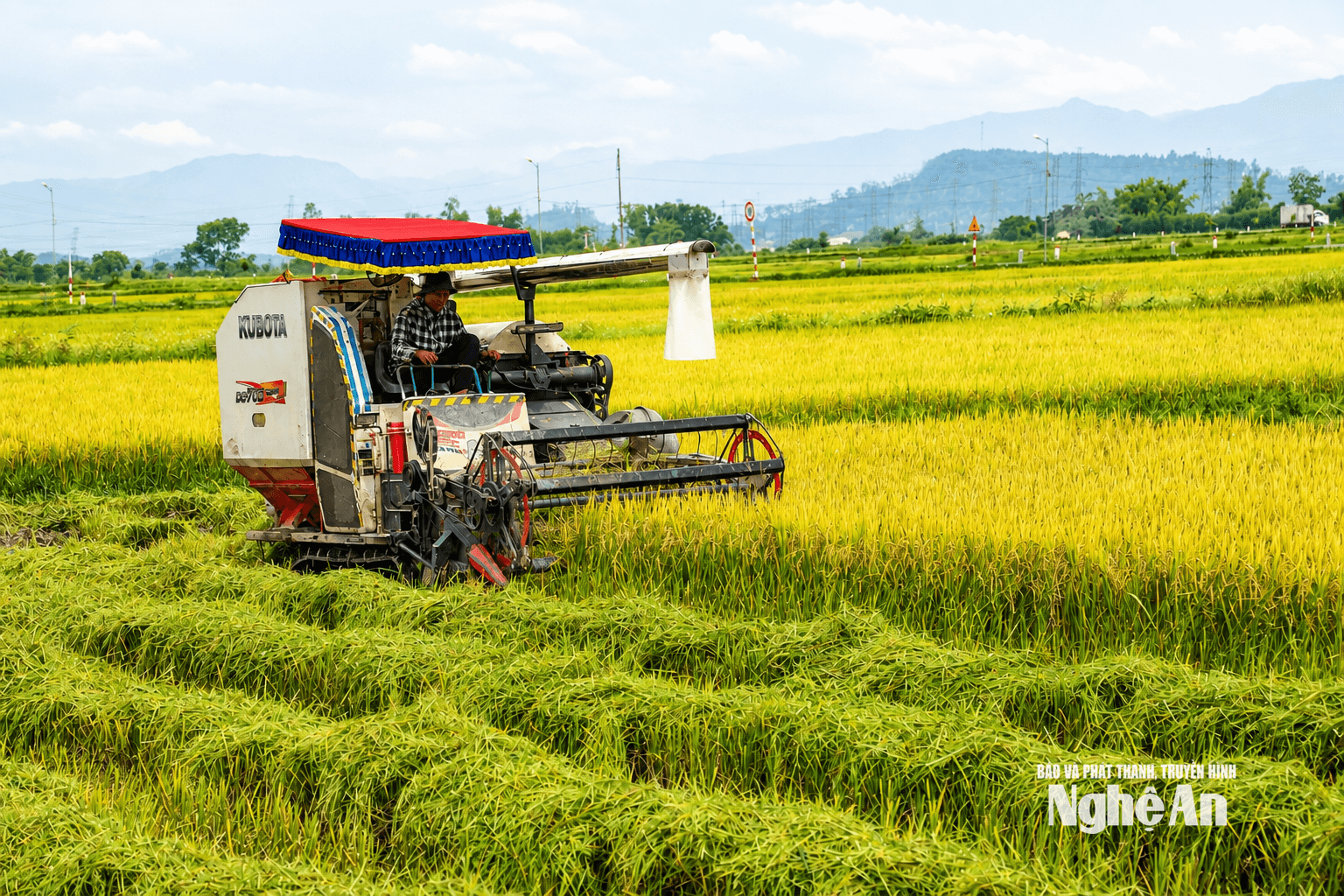
A field after harvest not only yields golden rice grains, but also creates a rich source of raw materials from straw. Instead of burning or letting it decompose directly in the field, straw can be collected and utilized to process animal feed, as a raw material for mushroom cultivation, to produce organic fertilizer, and many other valuable products.
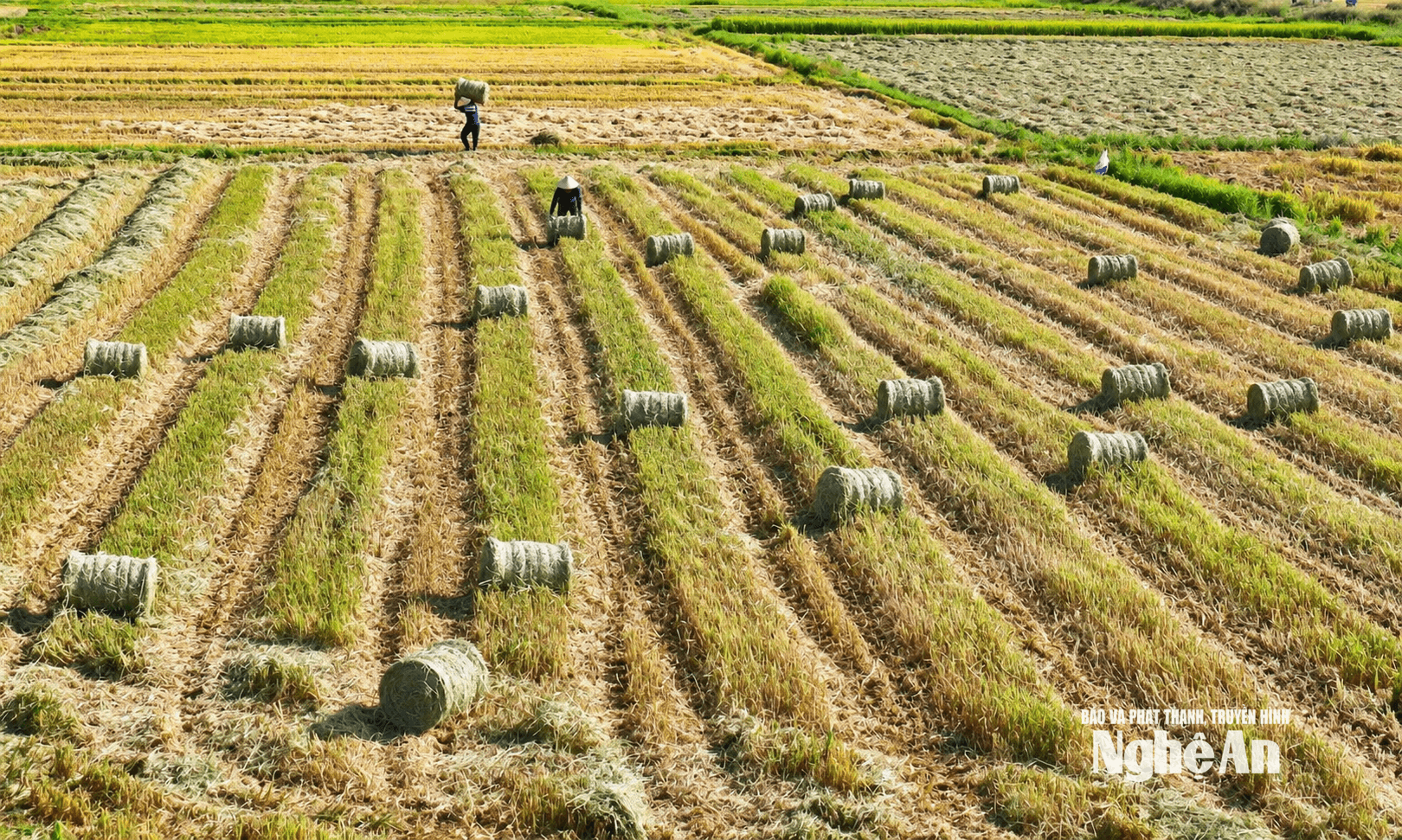
Recognizing this benefit, many businesses and cooperatives in Nghe An have invested in machinery and equipment to collect straw immediately after each harvest, gradually transforming agricultural by-products into valuable resources and contributing to increased production value.
Having commenced operations in October 2024, the Tan Ky Waste Treatment Plant receives and processes waste collected in the former Tan Ky district. According to Mr. Dang Huu Be, the plant's director, the plant has gradually introduced several products such as non-fired bricks, recycled plastic pellets, and bio-fertilizers from the sorted and processed waste. This contributes to reducing the amount of waste that needs to be landfilled and increasing the value derived from waste.
From this perspective, "waste" or "waste materials" are no longer simply things to be disposed of, but become a resource that needs to be managed and exploited effectively.
The goal of a circular economy is not a "zero-waste" economy, but rather one in which every resource is used most efficiently, every byproduct has the opportunity to find a new life cycle, and the value created is retained for a longer period within the economy.
Decree No. 156/2025/ND-CP supplements credit policies to encourage organic and circular agriculture; projects and production plans that meet circular economy criteria may be considered for loans from credit institutions without collateral, up to a maximum of 70% of the project/plan value as stipulated.


