How to detect lead poisoning in the body.
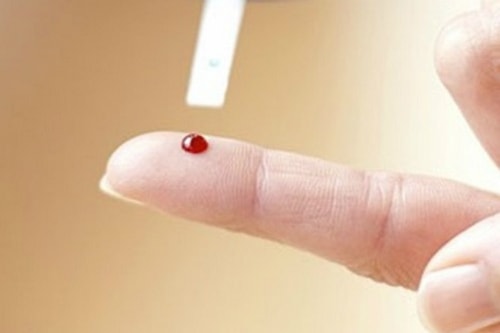
A blood test will tell you if your body has lead poisoning; a lead level of 40 to under 69 mg/dl is considered mild, 70 to 100 is moderate, and above 100 is severe.
Dr. Huynh Quang Dai, from the Department of General Internal Medicine at the University Medical Center of Ho Chi Minh City, and the Department of Resuscitation, Emergency and Toxicology at the University Medical Center of Ho Chi Minh City, stated that lead is a heavy metal with strong toxicity and the ability to bioaccumulate in the body, eventually causing disease. This metal is odorless and tasteless, so its presence in food cannot be detected with the naked eye; it can only be identified through testing.
 |
Lead can contaminate water, food, and other products. In small amounts within regulated limits, it is not harmful as it is excreted through urine and sweat. However, daily use of lead exceeding these limits will lead to accumulation over time, causing chronic lead poisoning, manifested by anemia, dizziness, fever, and neurological effects.
Lead poisoning is divided into two groups. The first is acute, causing increased intracranial pressure, acute brain damage, and neuronal damage. Common symptoms include vomiting, lethargy, coma, and seizures. The second is chronic, where toxins gradually accumulate in the body. The younger the child, the more severe the harm, leading to neuronal dysfunction. Children with this condition may experience hyperactivity, cognitive impairment, and reduced intelligence (IQ). Lead poisoning is considered a serious health concern and is subject to special control in the United States.
Patients with acute lead poisoning need to be taken to the emergency room and given specialized lead antidotes. In cases of chronic poisoning, it is necessary to eliminate the possibility of lead exposure from soil, sand, building materials, and water sources should be tested for lead contamination. Children should be kept away from batteries. Iron and calcium should be added to their diet.
The Ministry of Health's guidelines for the diagnosis and treatment of lead poisoning clearly state: Lead has no beneficial physiological role in the body. Normal total blood lead levels are below 10 mg/dl, with an ideal level of 0. Humans can be exposed to lead through various sources such as:
- Food: Canned goods with lead sealants, lead cookware, and food sources contaminated by the environment due to poor quality control.
- Traditional herbal medicines: used orally or topically, known in folk medicine as "cam" medicine, "tongue thrush" medicine, etc., are illegally circulated and contain lead (red lead).
- Lead-based paints: Old paints, toys that used lead-based paint.
- Habitat: Dust from old lead paint, soil contaminated with lead paint, pollution from lead-containing industrial activities, use of leaded gasoline, water from contaminated soil, lead water pipes (old type), air from lead-containing industrial activities, smoke from leaded gasoline.
- Occupations with a high risk of lead exposure include repairing engine radiators, glassmaking, shooting instruction, ammunition collection, lead smelting, lead refining, casting, lead cutting, painting, construction workers (working with lead paint), polyvinyl chloride production, shipbreaking, battery manufacturing, repair and reuse.
- Other sources of lead: Lead-containing handcrafted ceramics, lead shrapnel in the body, lead-containing batteries, lead-tipped fishing nets.
According to recommendations, in cases of suspected lead poisoning, people can go to hospitals to request blood tests for this toxic substance as well as clinical tests. A person is diagnosed with lead poisoning when: exposure to sources of lead or the appearance of suggestive symptoms, and a blood lead level higher than 10 mg/dl (mandatory standard).
According to VnExpress