
How to use your car properly in winter.
Knowing how to prevent windows from fogging up, setting the air conditioner to the correct temperature, and inflating tires are all things drivers need to know when operating a car in winter.
What is the appropriate temperature setting for the air conditioner?
Many drivers wonder, during the cold winter months, what temperature should they set their car to – should they use the heater or keep it cool? According to health experts, the ideal temperature is comfortable for the body; it doesn't need to be warmer than the outside temperature, just not cold.
Like winter in Northern Vietnam, the ideal temperature range is around 20-26 degrees Celsius. Before getting out of the car, you should turn off the air conditioning or lower the temperature to allow your body to adapt, avoiding thermal shock when stepping outside, especially for children and the elderly.
Winter is always accompanied by fog, especially in high mountain areas. Tiny water droplets form a reflective surface, causing headlights to shine directly into the driver's eyes.
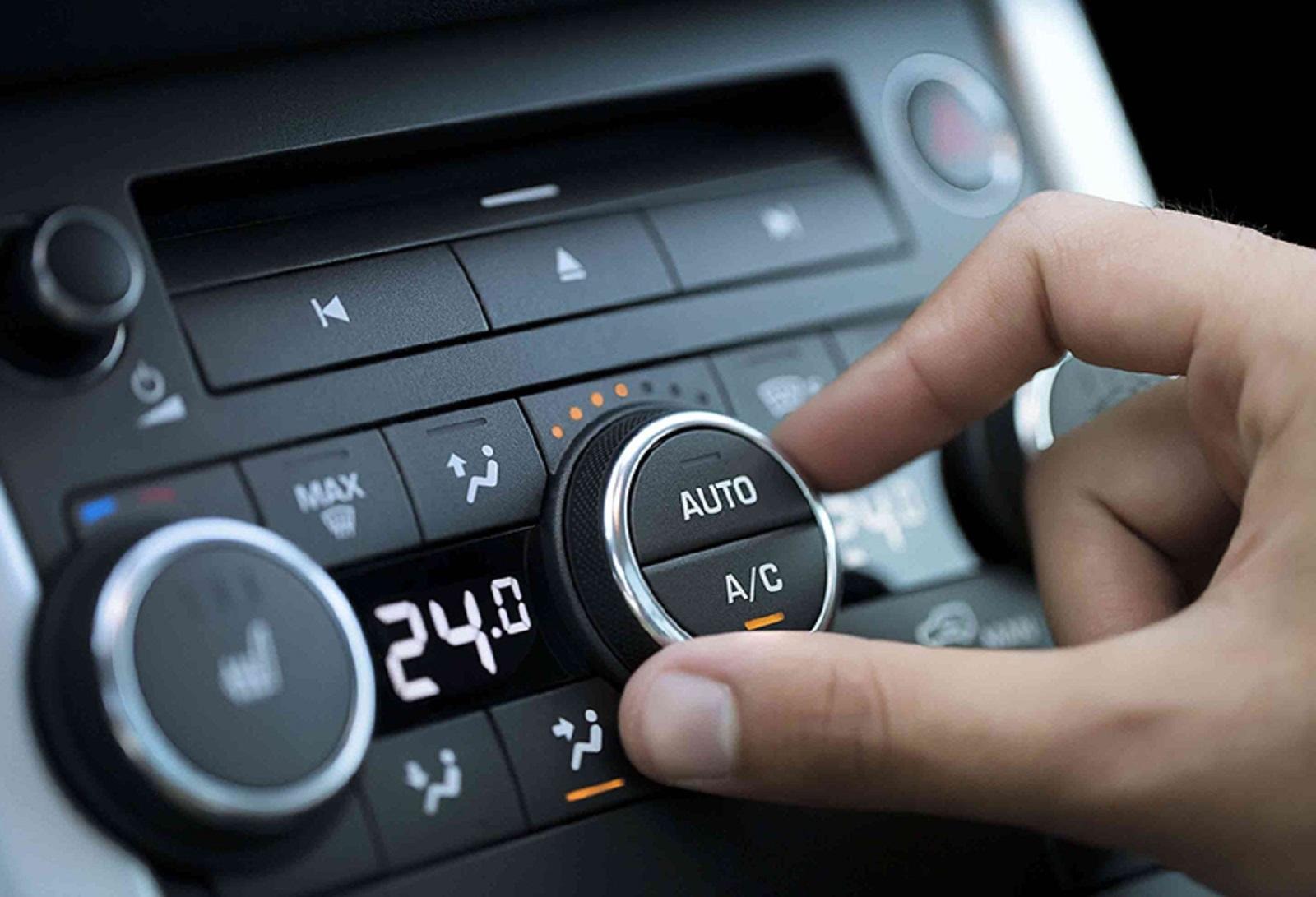 |
According to health experts, the air conditioner temperature should be set to a level that feels comfortable to the body. |
Which lights should I turn on when driving in fog?
When driving in fog, drivers must turn on their headlights in low beam mode (C) and not high beam mode (A). If high beam mode is used, the driver will face the reflected light beam shown in figure B; conversely, if low beam mode is used, the reflected light beam will be shown in figure D.
If your vehicle has fog lights, turn them on as well. If necessary, also turn on the hazard lights so that vehicles in front and behind you can easily see you.
If the car doesn't have fog lights, drivers should buy yellow tape or cellophane and stick it over the headlights to change the white light to yellow light. Yellow light has a shorter wavelength, so it can diffuse further.
How do I clear my windshield?
When driving in winter, low temperatures cause condensation to form on the windshield, resulting in fogging. To clear the fog, the condensation must be removed, a simple solution using the air conditioner (AC ON).
 |
| When driving in winter, the low temperature on the windshield causes condensation to form on the inside of the windshield, resulting in fogging. |
Many drivers debate whether using hot or cold air conditioning is better for clearing foggy windshields in winter; in reality, both hot and cold air work. The quickest way to clear fog as soon as you get in the car is to turn on the defroster, or if there's no defroster, turn on the air conditioner, set the fan to high, and direct the airflow towards the windshield.
The glass will dry completely in about a few dozen seconds to a minute. Then, adjust the airflow direction towards the cabin, not blowing it onto the glass. At this point, turn the air conditioner on or off to a comfortable setting for the people in the truck; the glass will no longer fog up.
Should you change your oil at the beginning of winter?
If your car's oil was recently changed, there's no need to change it again. However, if it's been a while since the last oil change, even if it's not yet time, you should check the oil quality and replace it. Low temperatures in winter can cause fluids like engine oil to thicken, affecting starting ability. Therefore, it's best to change the oil at the beginning of the season to ensure the best oil quality.
Besides engine oil, drivers should also check coolant, windshield washer fluid, and other fluids in the vehicle.
How should you inflate your tires in winter?
The safety principle is to underinflate tires in the summer and inflate them to the correct pressure in the winter. For example, if a tire needs 2.2 kg/cm² of air, inflate it to 2 kg/cm² in the summer and to the correct 2.2 kg/cm² in the winter. In winter, the tire surface can contract, so insufficient air pressure can cause cracks when the temperature rises again.
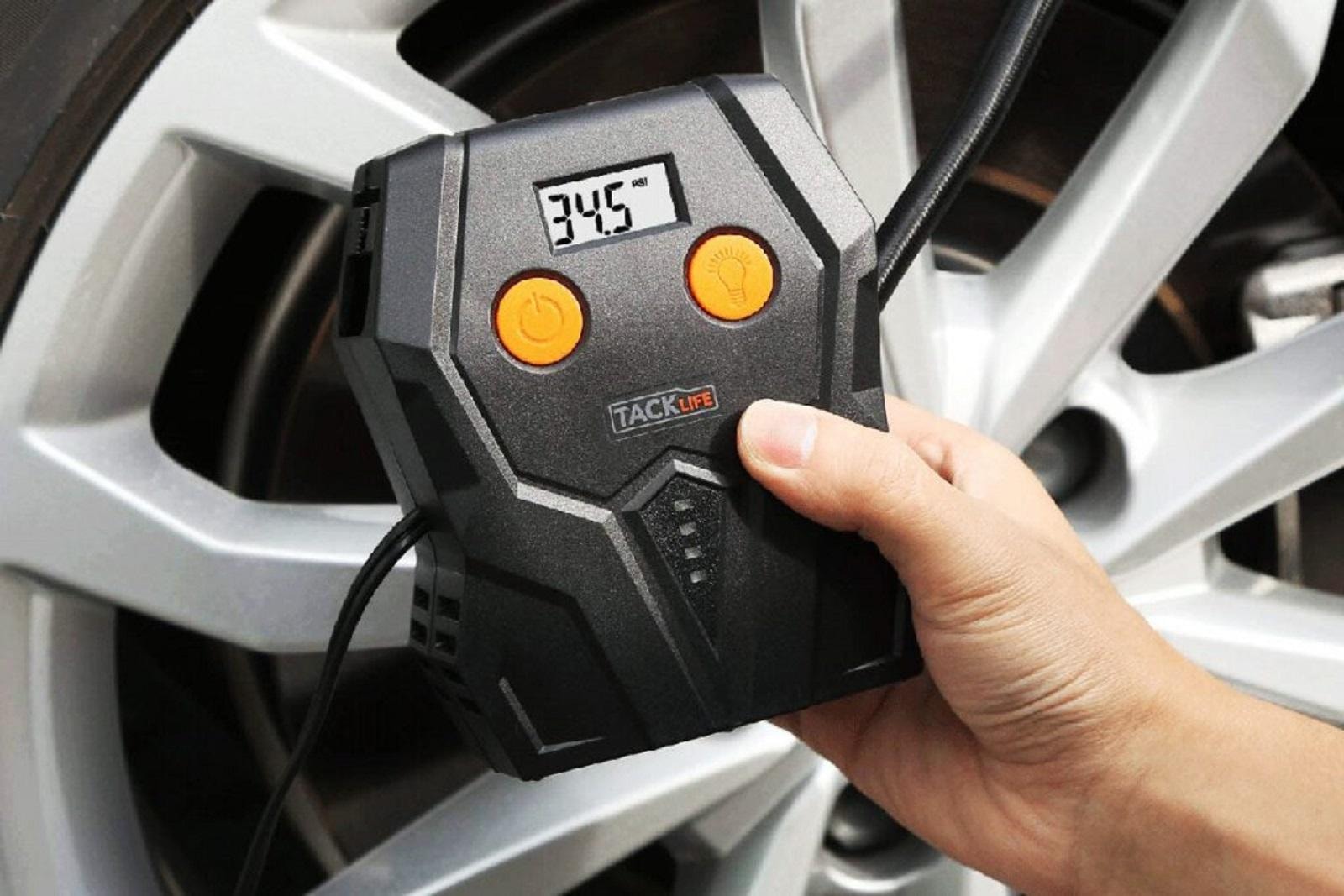 |
The safety principle is to under-inflate the pump in the summer and over-inflate it in the winter. |
Should you let the car idle for a while before starting?
With modern cars, this isn't necessary because, with the current quality of engine oil and advanced electronic fuel injection systems, the car can start immediately and warm up after starting. After the engine revs up for a while before starting, wait about 10-20 seconds for the engine speed to stabilize before driving.
With older cars, waiting for the engine to idle for a while is necessary. However, it doesn't need to be too long, about 30 seconds is enough. Some people wait a minute or more, which only wastes fuel without achieving any efficiency.


