
Home security cameras: Should you choose a wired or wireless system?
In an era where security technology is becoming widespread and easily accessible, choosing the right security camera system for your home is no longer simply a matter of convenience, but a vital factor in protecting your property and ensuring peace of mind.
When it comes to protecting your home, nothing is more important than a reliable security system – a solution that lets you monitor and protect your property 24/7, even when you're not home.
In an era where smart technology permeates every aspect of life, home security is no longer simply about "installing a few cameras," but has become a complete security ecosystem capable of early detection, timely warning, and even assisting in intruder identification.
A home has always been likened to a "castle," the safest place, where not only assets but also the peace of mind of the whole family are stored. Therefore, investing in a modern security system is a way to proactively and sustainably protect that value.
However, with the vast array of options on the market, from smart surveillance cameras and traditional CCTV systems to AI-integrated security solutions, determining which system best suits your needs and living space is no easy task.
Before delving into features, brands, or price points, one fundamental decision any homeowner needs to consider is whether to choose a wired or wireless security system.
These two models represent two different security philosophies: one prioritizes absolute stability and reliability, while the other focuses on flexibility, convenience, and intelligent technology.
The most obvious difference between these two types of security cameras lies in their names. Wired security camera systems use wires to connect the cameras and sensors to the central control panel, and draw power directly from the mains electricity supply.
Conversely, wireless security camera systems transmit video and audio data via Wi-Fi or radio signals, reducing the need for complex wiring.
However, behind those seemingly simple differences lie key factors that affect reliability, cost, and user experience.
Wired security camera systems: The choice for stability.
Advantage
Stable and reliable connection
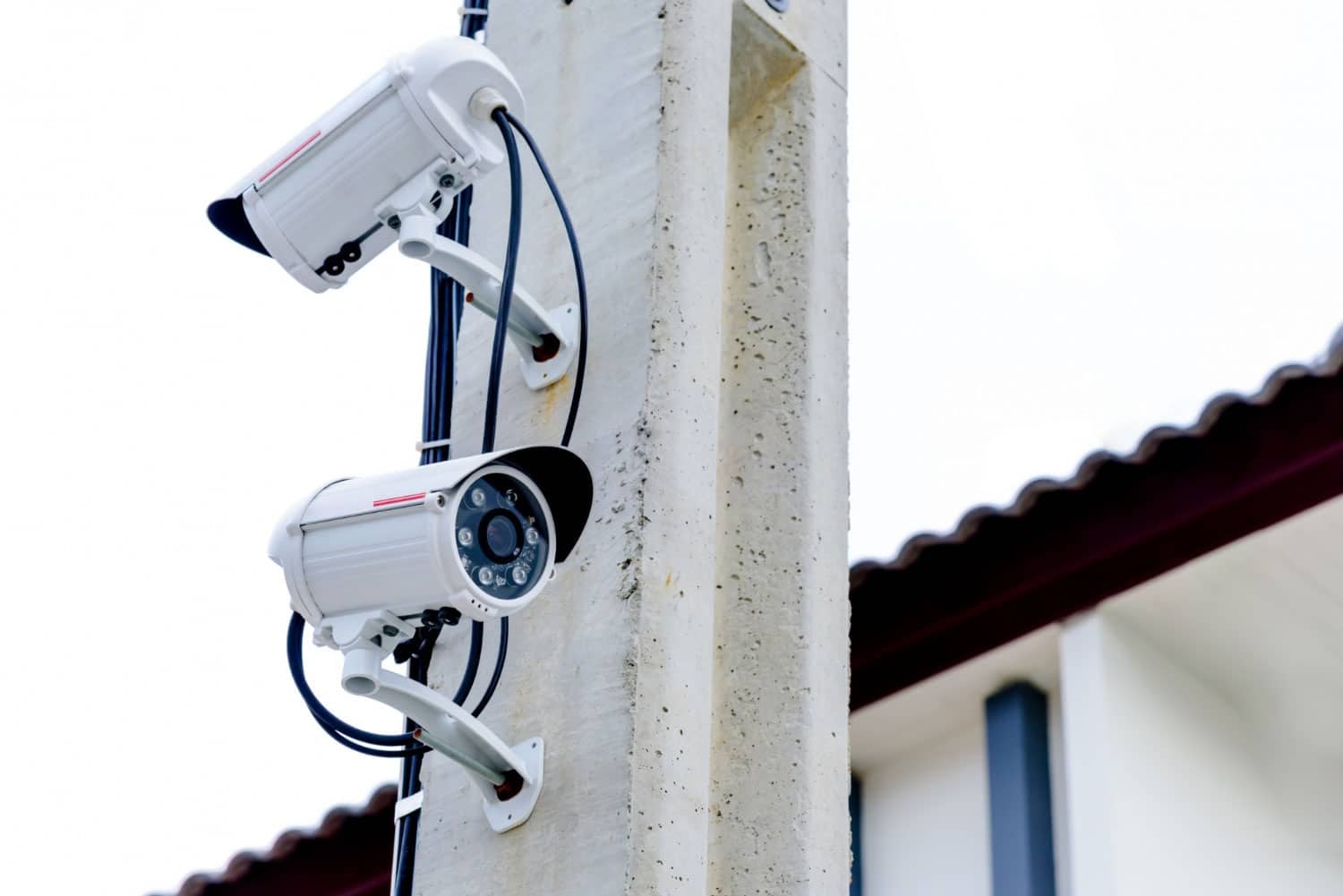
With a wired system, video signals are transmitted directly through the cable, avoiding interruptions caused by weak Wi-Fi or internet connection loss. This is an ideal choice for rural or remote areas with unstable networks, or for users who want to ensure the system operates 24/7 without relying on batteries or wireless signals.
Minimize the risk of interference and cyberattacks.
Wi-Fi cameras used to face many risks of being hacked or experiencing interference from other devices. Wired systems, thanks to their enclosed physical connections, minimize these risks, providing greater peace of mind for users.
Professionally installed
Wiring, drilling walls, and connecting equipment typically require experienced technicians. While more expensive, this ensures stable system operation and minimizes technical errors.
Disadvantages
Lack of flexibility
Wired systems are typically fixed in place. Relocating or reinstalling them, especially when moving house, is quite inconvenient. This is why they are not suitable for renters or those who want to change camera locations frequently.
Aesthetic impact
Although electrical wires can be cleverly concealed along baseboards or door frames, they can still be unsightly, especially in modern spaces or small homes. Additionally, if you have pets, wires can become a target for playful chewing.
Installation is time-consuming and costly.
The cost of labor and wiring materials can drive up the overall cost, even though wired equipment itself is often cheaper than wireless cameras. Longer installation times also cause disruption to daily life, especially in homes that are already occupied.
Wireless security camera systems: A flexible solution for modern living.
Advantage
High mobility
No wiring or drilling required, wireless cameras can be easily attached, detached, and moved to a different location in just minutes. This is the perfect choice for renters or those who frequently change their interior layout.
Neat and aesthetically pleasing.
With its minimalist design and lack of tangled wires, this system helps create a cleaner and more modern living space. Many people choose wireless cameras not only for their convenience but also for their aesthetic appeal, especially in apartments or homes with minimalist designs.
Easy to install yourself.
Simply connect to Wi-Fi, set it up via the app on your phone, and the system is ready to go. Users don't need to hire technicians, saving time and money. Many camera models even include step-by-step installation guides, making them user-friendly even for those unfamiliar with technology.
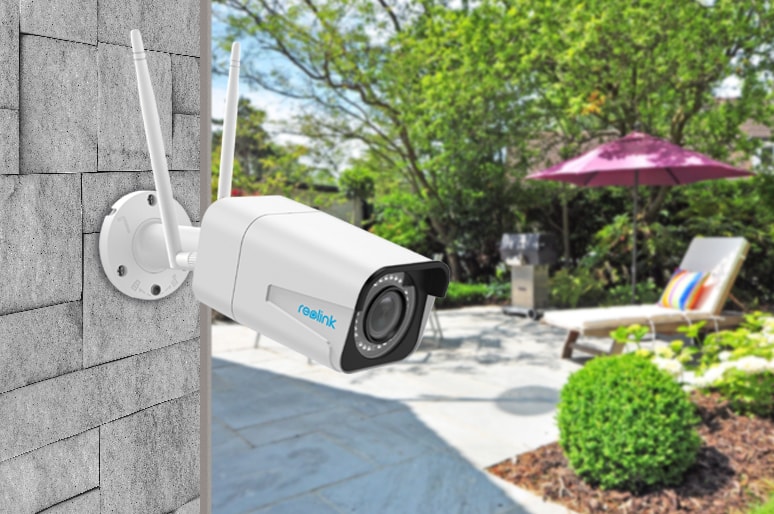
Photo: Internet.
Security technology is becoming increasingly advanced.
Modern wireless cameras often feature data encryption, interference resistance, and low battery alerts. Some even integrate AI for facial recognition, motion detection, or instant notifications upon intrusion detection. These improvements significantly narrow the security gap between wireless and wired systems.
Disadvantages
Depends on the Wi-Fi signal.
Weak or intermittent signals can affect image quality or cause the camera to disconnect. While modern digital cameras have somewhat overcome this problem, weak Wi-Fi remains a critical weakness if you live in an area with poor network infrastructure.
Regular battery maintenance
For battery-powered models, users need to replace or recharge the batteries periodically. Although most cameras now have low battery warnings, having to check and maintain them regularly is still inconvenient, especially if you have multiple cameras installed in hard-to-reach locations.
Limitations in scope of operation
Wireless cameras are typically suitable for urban homes or small spaces. For larger areas such as farms, factories, or suburban villas, the signal can weaken significantly when far from the router. While many range extenders or high-power antennas are now available, wired systems still offer superior stability in these environments.
Hybrid systems – a compromise choice
Currently, many manufacturers have launched hybrid security systems on the market, which combine both wired and wireless devices.
The central control panel can be permanently mounted, while the secondary cameras operate wirelessly, offering flexibility while ensuring a stable connection. This is an ideal choice for large homes that require extensive coverage but want to minimize the cost of complex wiring.
Which type should you choose for your home?
There's no single answer that works for everyone. The choice depends on the size of the home, network environment, mobility needs, and budget.
If you live in a rural area with weak Wi-Fi signals, or want a stable 24/7 system that requires no maintenance, a wired system is still the optimal choice.
If you live in a townhouse, apartment, or prefer DIY installations that are easy to move and expand, a wireless system offers greater flexibility.
With the current pace of technological development, wireless systems are increasingly approaching the reliability of wired systems, while also surpassing them in terms of convenience and smart features.
In summary, a good home security system is not just a tool for protecting property, but also a foundation for peace of mind in life. Whether you choose wired or wireless, the most important thing is that the system suits your needs, space, and habits.
As technology advances, the lines between these two types of systems will gradually blur, leaving only one deciding factor: the level of security you desire for your own home.


