
Young officials in neighborhoods and hamlets: A driving force for grassroots organizations after mergers.
With nearly half the number of hamlets, villages, and communes after reorganization, Nghe An now has 2,026 of these areas. Following the policy of standardizing and rejuvenating the cadre, this force is directly implementing the resolutions of the Party Congress at all levels, creating a solid foundation for a new phase of development.
The mark of leadership by young officials in the neighborhood and hamlet.
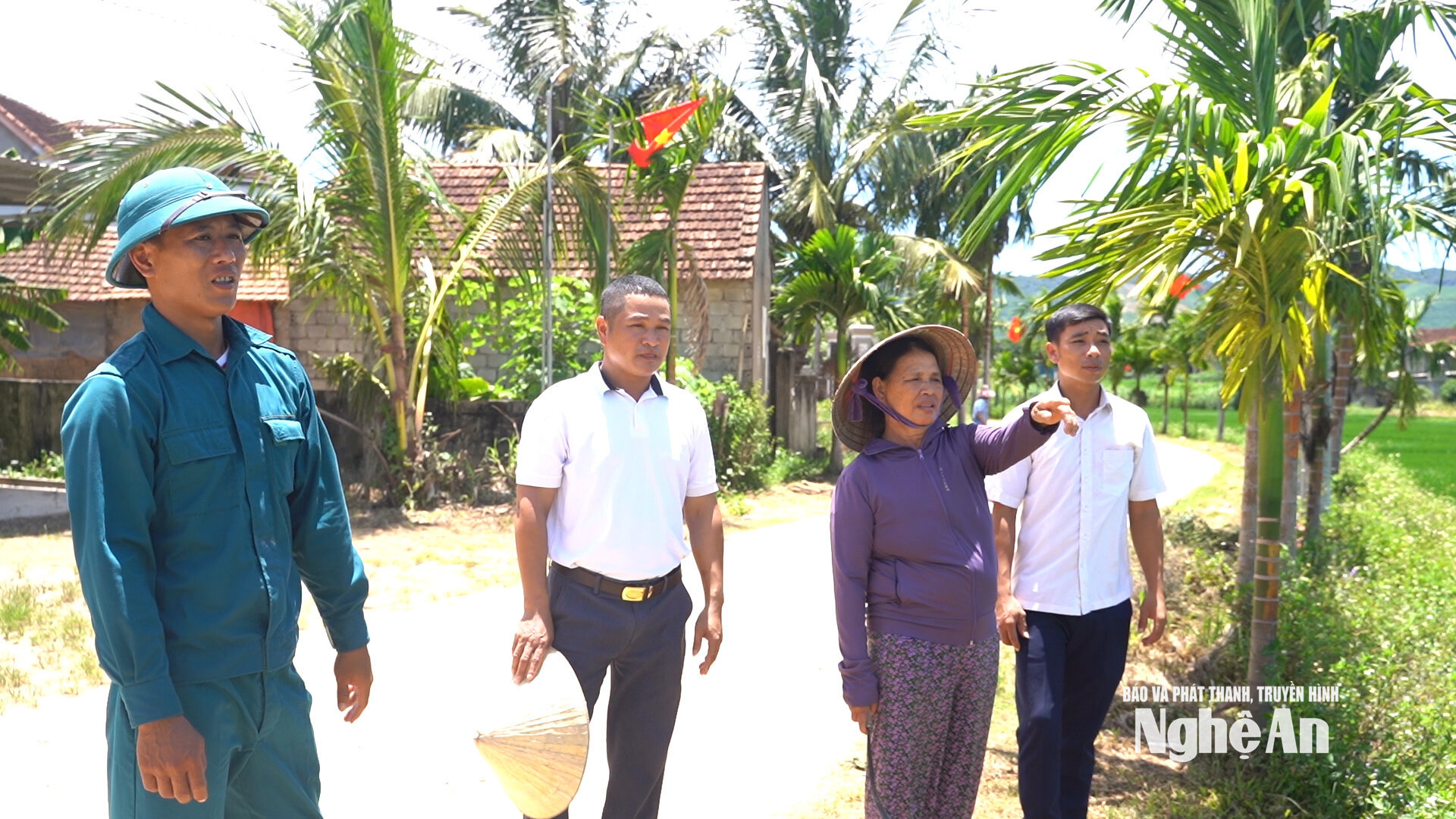
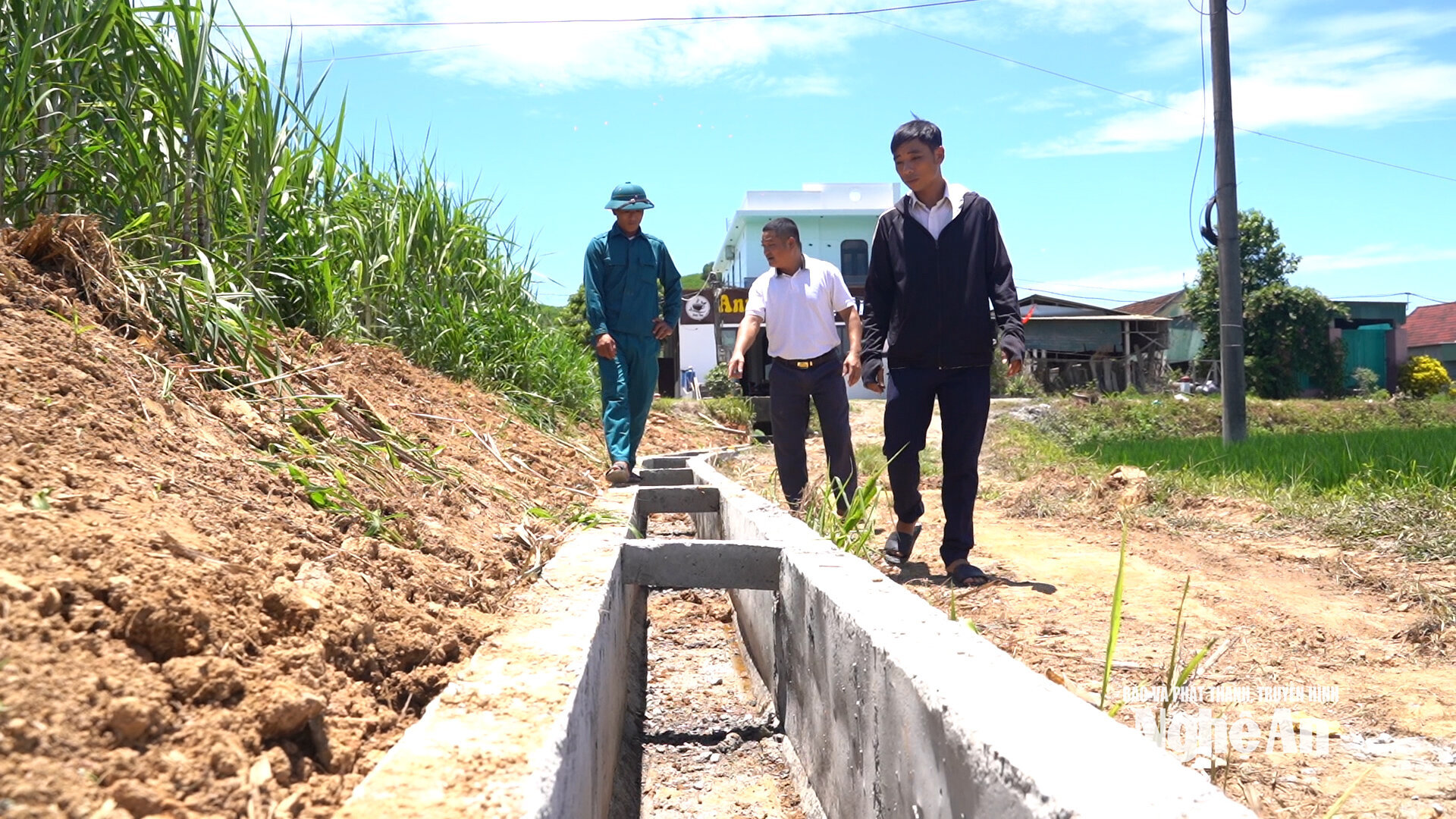
In Nghia Loc commune, Dao Cong Hien (born in 1990) is one of six young village Party branch secretaries. A graduate of the College of Construction and with extensive experience in grassroots movements, upon being elected as the Party Branch Secretary of Hai Loc village, Mr. Hien demonstrated clear leadership thinking. Not content with simply understanding the general situation, he proactively convened meetings with the Party committee, developing detailed action plans to thoroughly address pressing social issues. These included: assisting residents in updating and implementing administrative procedures digitally, mobilizing land donations for the construction of irrigation canals, and protecting and planting betel nut trees along village roads to both beautify the landscape and generate funds for village activities.
He shared: “I always strive to learn, building upon the foundation laid by previous leaders to inherit and develop their work. I proactively established Zalo groups to widely disseminate information and propaganda to Party members and the people. At the same time, I flexibly utilized the system of neighborhood groups and self-governing groups to closely monitor the situation at the grassroots level.”
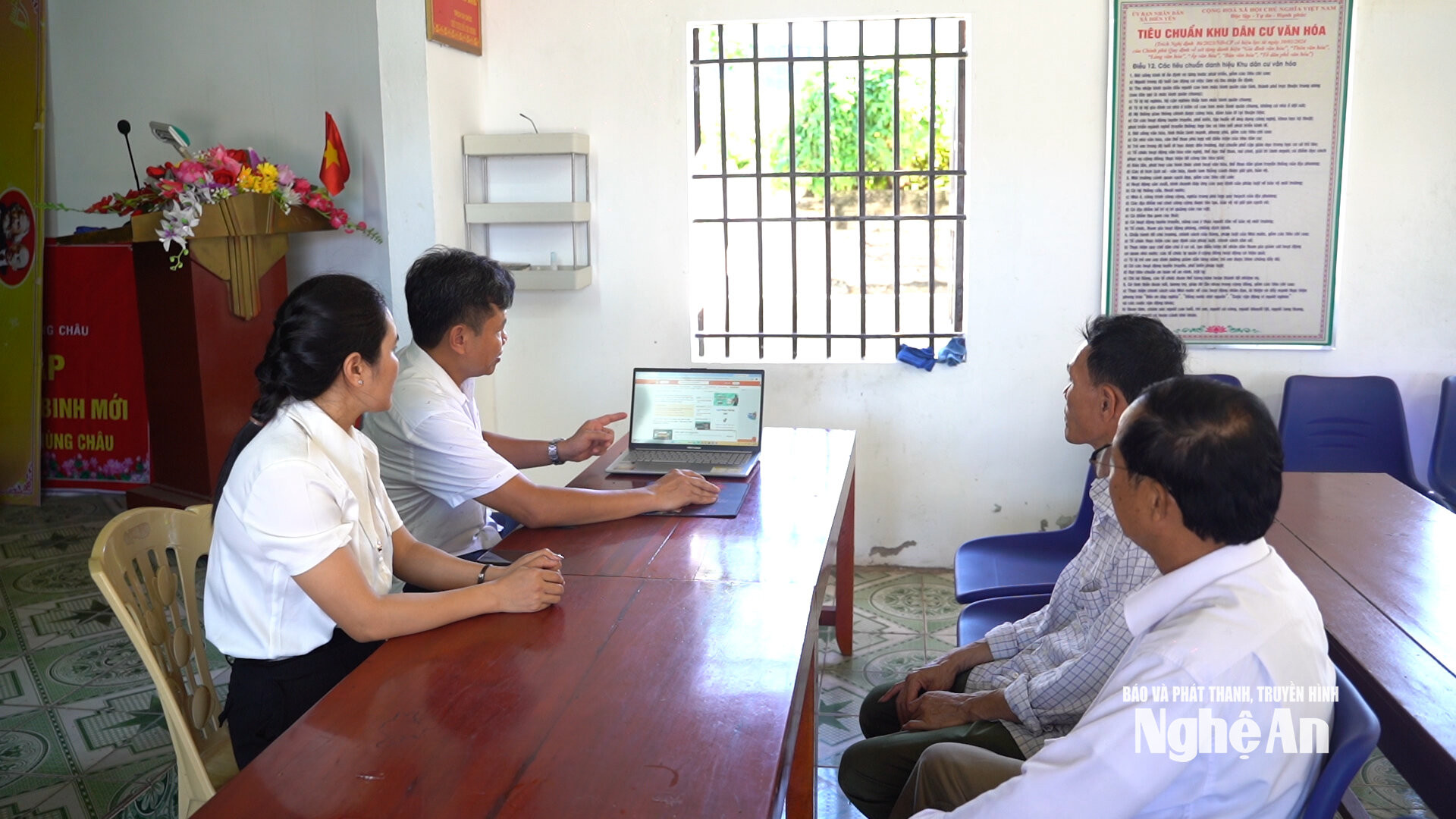
In Hung Chau commune, Ms. Vu Thi Lan also assumed the position of Secretary of the An Thach hamlet Party branch at a young age. Managing a post-merger area of over 105 hectares with 435 households was a significant challenge. With a background as a graduate of the National Academy of Public Administration, Ms. Lan's advantage lies in her systematic thinking and technological acumen. Instead of operating in a traditional manner, she proactively sought the Party Committee's opinion to strongly apply digital transformation to Party branch activities and interactions with the people.
Ms. Lan shared: “The Party Committee has proactively developed and issued the working regulations of the Party branch, clearly defining principles and assigning specific responsibilities. Our goal is not only to manage a wider area but, more importantly, to innovate effective leadership methods, be closer to the people, with the people as the foundation, technology as the tool, and the consensus of the people as the measure of evaluation.”

In difficult mountainous areas, the pressure of post-merger management is even greater due to the complex and fragmented terrain. In Nga My commune, Mr. Lo May Xa, a graduate in agriculture and forestry (born in 1995), boldly took on the role of Party Secretary of Pot village. Recalling his early days in office, he said:: "I was worried about managing a very large village with a large number of party members and a large population. However, with my youthful energy and the trust of the Party Committee and the leaders, I was determined to successfully complete my nhiệm vụ, gradually bringing the village's activities into order."
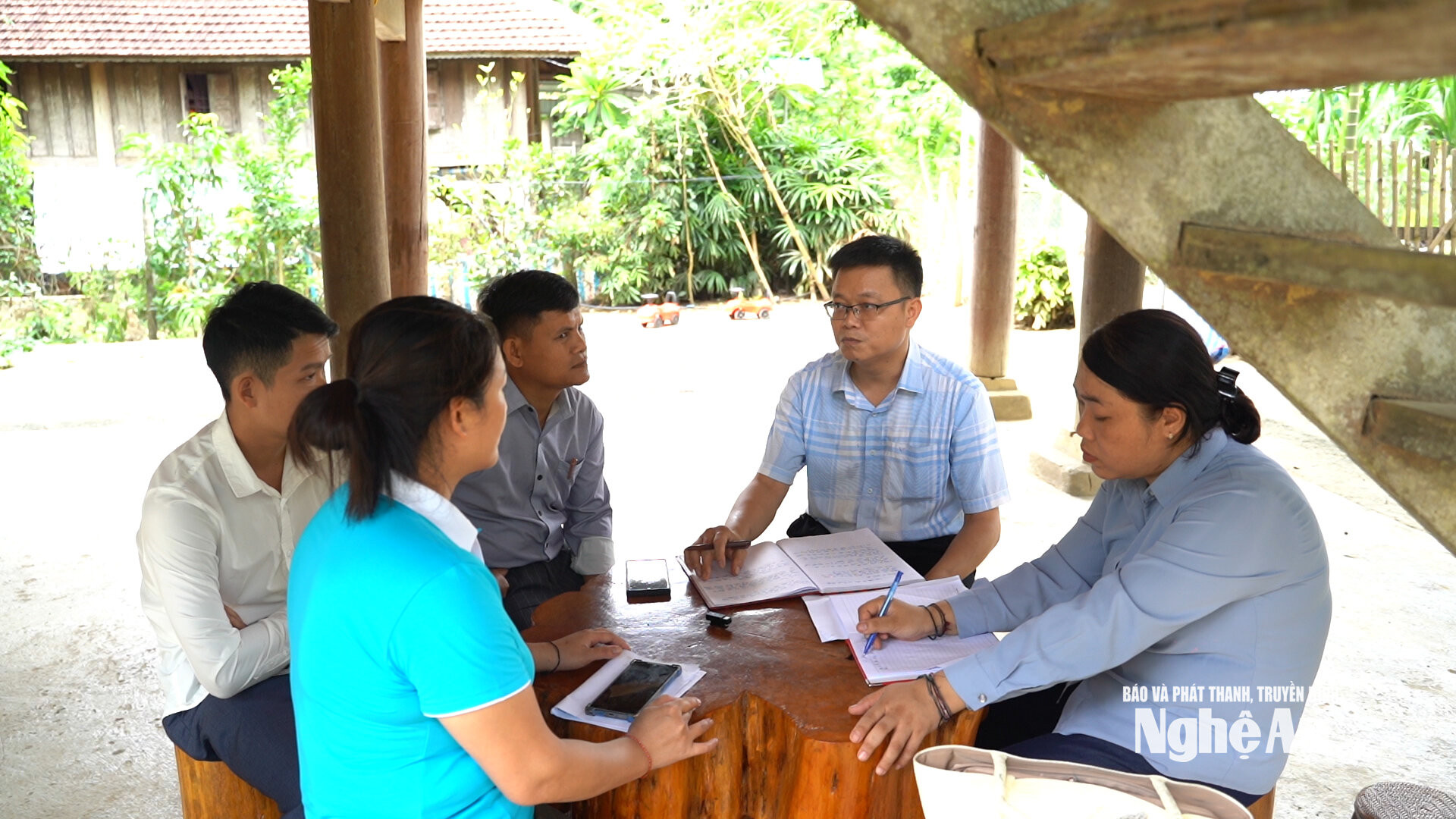
Commenting on the young officials, Mr. Lo Thanh Nhat, Secretary of the Party Committee of Nga My commune, affirmed: This team has received thorough training, so they can quickly approach the people, convey information, and grasp the work. The decentralization and delegation of authority, coupled with an emphasis on responsibility, has made the officials at the block and hamlet levels more proactive in performing their duties.
Meanwhile, Mr. Le Anh Nga, Head of the Party Building Committee of Hung Chau commune, said: The contributions of young cadres are clearly demonstrated in promoting the application of information technology and understanding the contents related to digital transformation. They approach their work and handle arising situations harmoniously. A key highlight in the current period is the implementation of the data cataloging of Party members. The young cadres have played a core role, providing strong support to the locality in completing this massive amount of work.
Overcoming obstacles and rejuvenating the next generation of leaders.
Although the policy is clear and has initially yielded positive results, practice has also revealed many obstacles that need to be overcome. In many localities, the phenomenon of young people leaving for work elsewhere has led to a serious shortage of local human resources. Furthermore, the standards for part-time workers are a particularly difficult problem, especially in remote and rural areas. To address this issue, localities have proactively sought flexible solutions to build a successor workforce. In Chau Khe commune, Mr. Lo Van Thao - Secretary of the Commune Party Committee - proposed:"It is necessary to create conditions for young Party members born between 1990 and 1994 to participate in training and refresher courses. This will help them continue to contribute and gradually meet the prescribed standards.”

Practical experience has proven that the work of consolidating cadres at the ward and hamlet levels after reorganization is gradually yielding tangible results. Mr. Nguyen Van Chung, Head of the Party Organization and Membership Department of the Provincial Party Committee's Organization Department, assessed: “During thematic meetings, young cadres boldly presented insightful discussions on socio-economic development, security, national defense, and core issues concerning Party building. This force diligently sought out and researched new policies to integrate into branch meetings. The sensitivity of youth, when harmoniously combined with the competence and extensive experience of long-serving branch secretaries, has formed a core force playing a key role in improving the quality of Party activities and enhancing the performance of Party organizations throughout the province.”
For policies and resolutions to truly be implemented, they need to be closely monitored and effectively deployed at the grassroots level. In this process, the human factor, and directly the team of officials at the grassroots level, plays a decisive role. The work of consolidating and rejuvenating the cadres at the block and village levels after reorganization is not simply a matter of personnel changes, but a strategy for building cohesion and systematically transferring power at the grassroots level, contributing to the successful achievement of the province's overall goals.
According to the latest statistics following the reorganization of neighborhood Party branches from July 1, 2026, the total number of neighborhood Party branch secretaries in Nghe An province is 1995. The age structure shows that there are 453 secretaries under 42 years old, 1314 secretaries between 42 and 65 years old, and 229 secretaries over 65 years old. This figure reflects the smooth and effective generational transition taking place in the neighborhoods.


