
Institutional impetus is needed to open up opportunities for community-based tourism development in western Nghe An province.
In the strategy to make tourism a key economic sector and one of the five pillars of growth for the province, community-based tourism is identified as a crucial advantage. This requires institutional impetus to create breakthroughs in the sustainable development of community-based tourism.
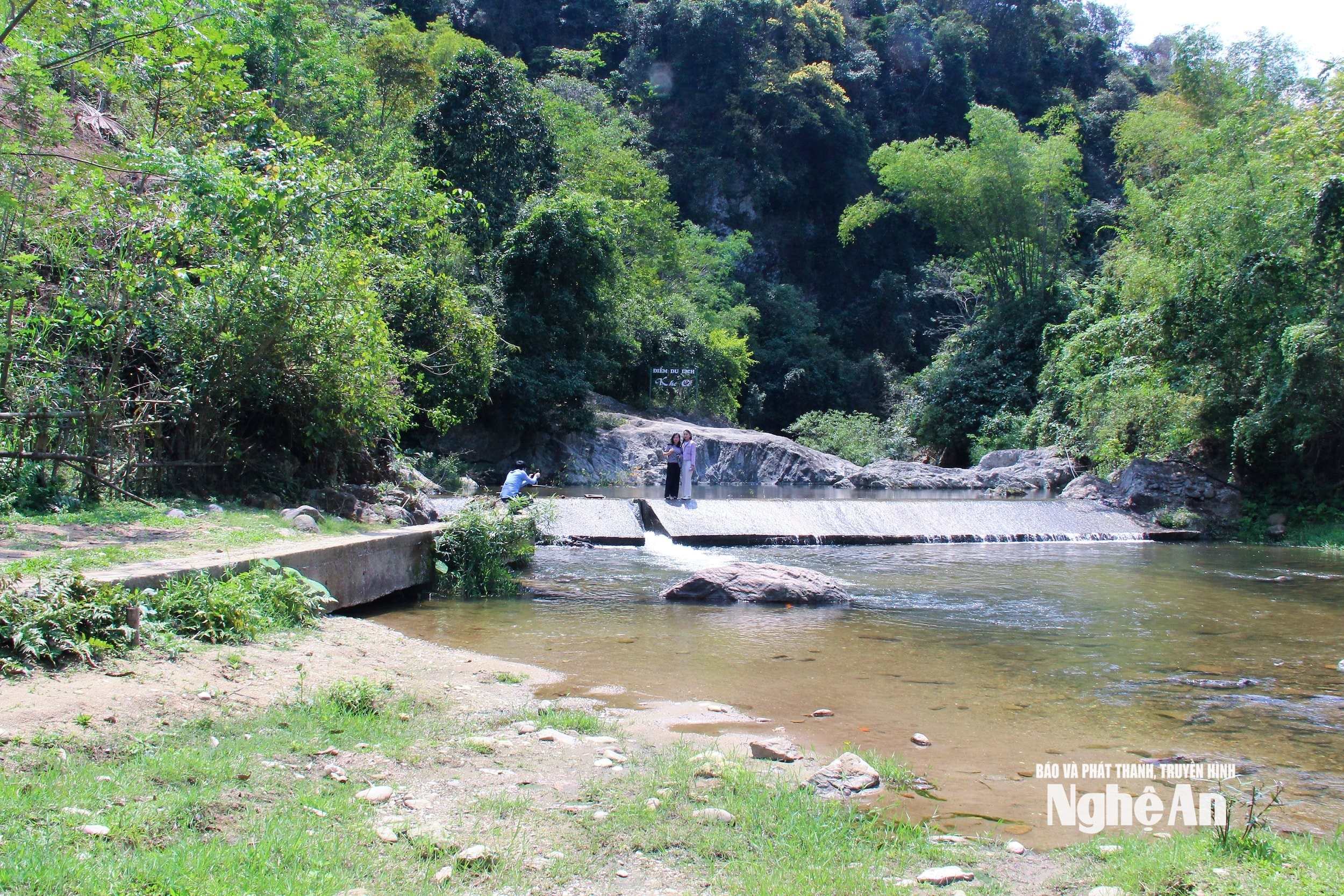
HFormation of a community-based tourism ecosystem
Speaking of tourism in Nghe An, the western region of Nghe An, with its majestic natural landscapes, diverse ecosystems, and the culture of the Thai, Mong, Kho Mu, and Tho ethnic groups, is gradually becoming a new attraction through the community-based tourism model.
Based on its advantages and understanding the growing trend of tourists prioritizing experiences close to nature, exploring local culture and community life, Nghe An province has proactively oriented its development towards community-based tourism in recent years.
A clear example is the Provincial People's Council's issuance of Resolution No. 07, dated July 22, 2020, on a number of policies to support the development of community tourism in the province during the 2021-2025 period. The resolution has a comprehensive impact, not only supporting households engaged in community tourism but also spreading to villages, hamlets, and local authorities, creating a foundation to promote tourism development linked to livelihoods and the preservation of cultural identity.
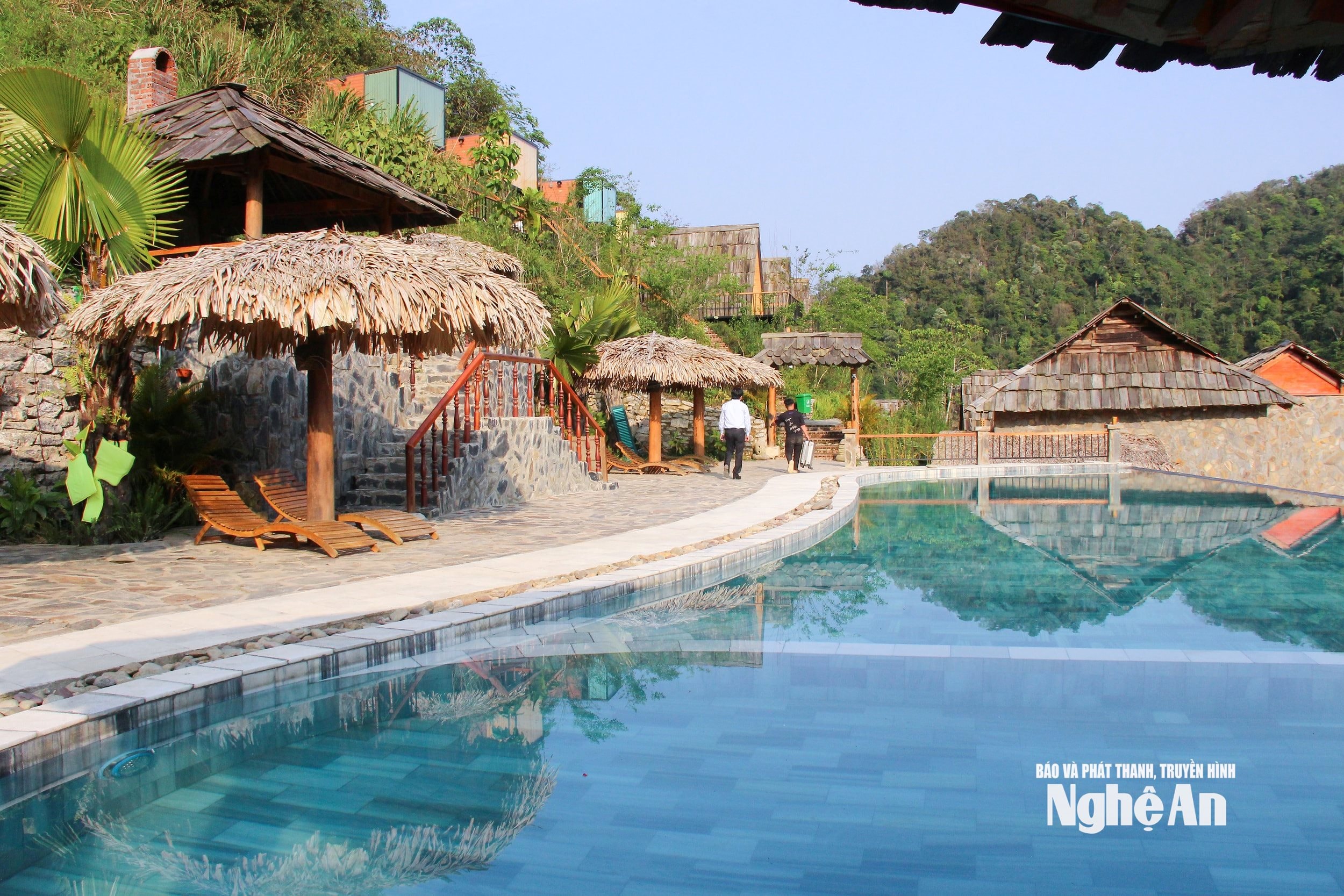
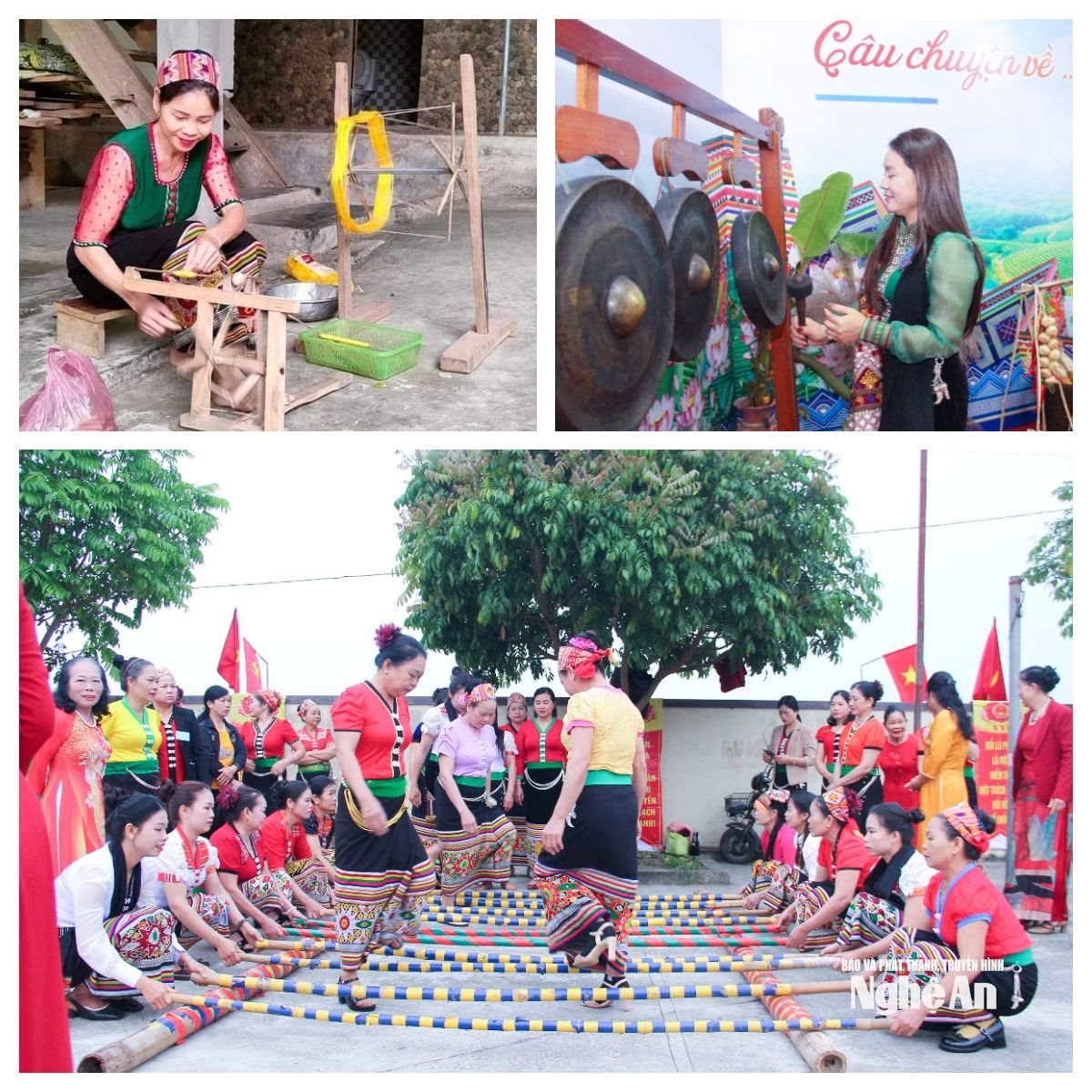
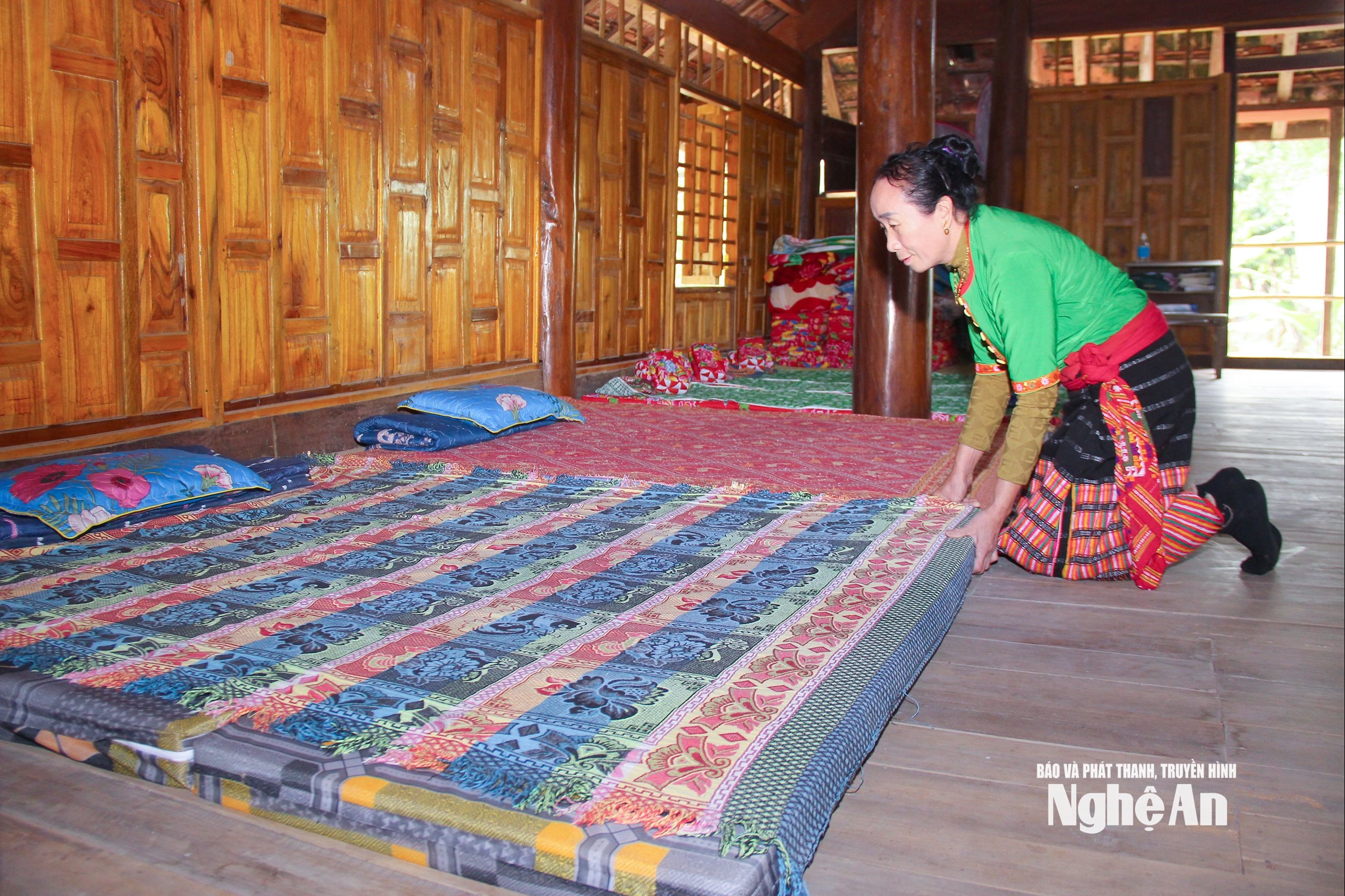
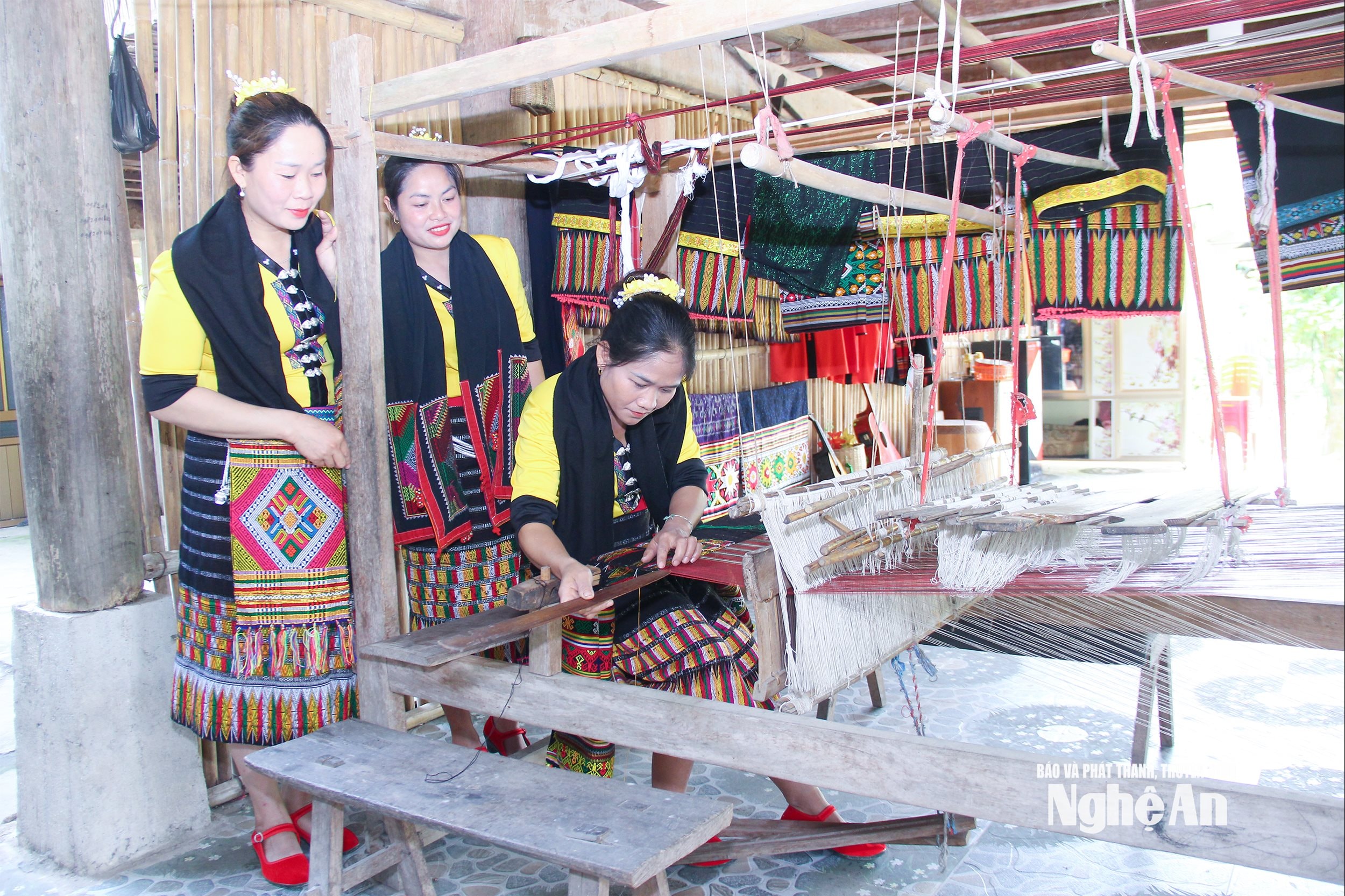
Based on practical implementation, Vice Chairman of the People's Committee of Muong Long Commune, Vu Ba Xu, stated: From having no prior mindset or knowledge of tourism, through support policies, training, and promotion, commune and village officials and residents have learned to engage in tourism and promote destinations on digital platforms, attracting an increasing number of tourists each year. In particular, the support in providing traditional costumes and musical instruments not only serves tourists but also contributes to restoring and spreading community cultural values. Currently, the Muong Long community tourism destination has been recognized by the Provincial People's Committee as a provincial tourist destination, with 5 homestay models and over 20 participating members.
As one of the five households participating in homestay development at the Muong Long community tourism site, Ms. Lau Y Denh said: "Building a homestay requires a significant initial investment. My family alone invested nearly 2 billion VND to construct two houses, one stilt house and one ground-floor house, to provide accommodation for tourists. In our current difficult economic situation, the 100 million VND support from the provincial government for essential items such as toilets, bedding, and equipment has significantly reduced our financial burden. More importantly, this support has motivated people to boldly shift their livelihoods from simple farming to tourism development, increasing their income and stabilizing their lives."
Besides facilitating the formation of community-based tourism destinations, Resolution No. 07 of the Provincial People's Council also contributes to bringing spontaneously developed community-based tourism destinations into more organized operation. The system of signposts, supporting infrastructure, improved environmental sanitation, and enhanced service quality have made it easier for tourists to access and have a better experience when visiting Western Nghe An.
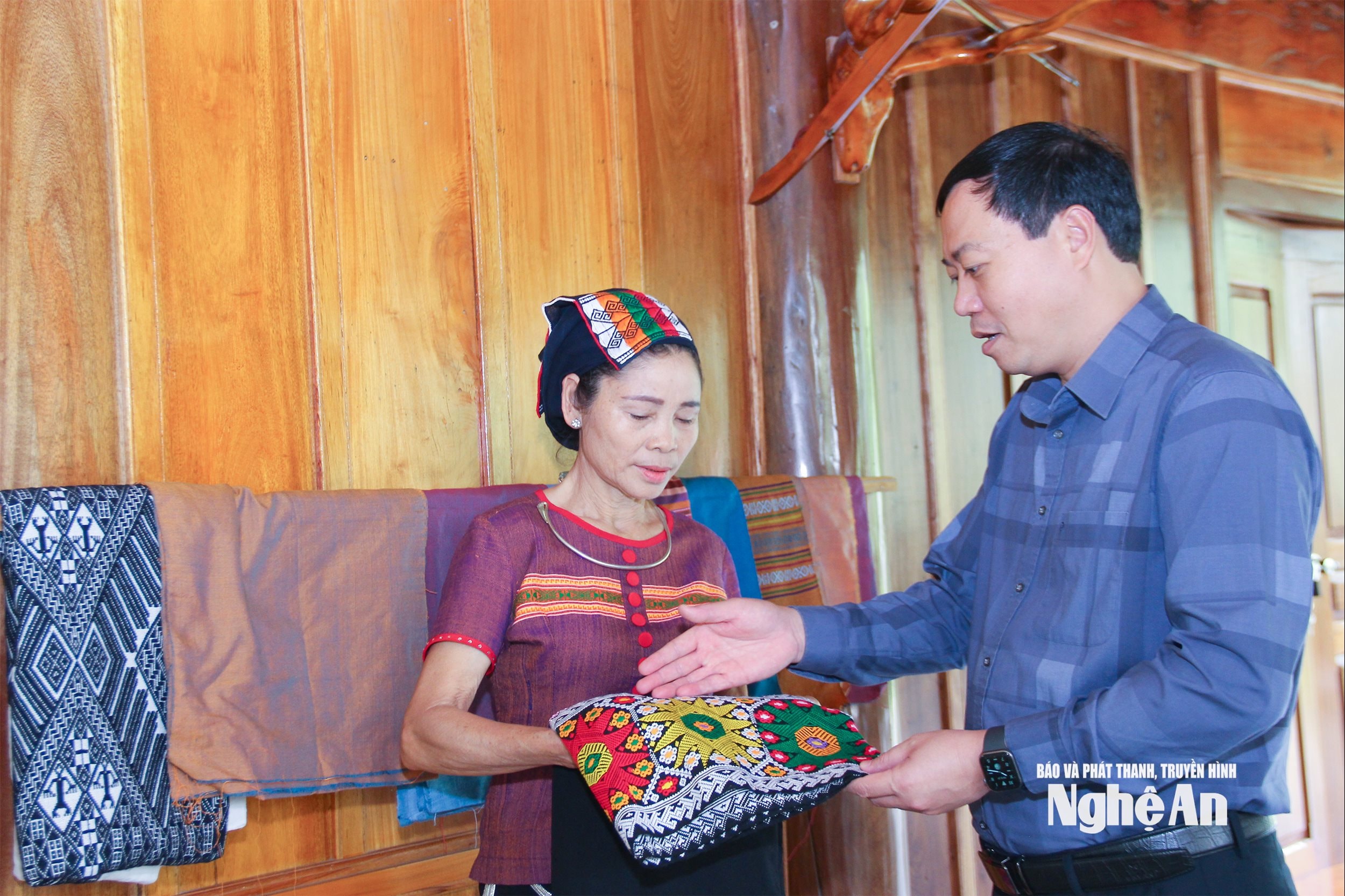
Assessing the overall results after 5 years of implementation, Mr. Tran Xuan Cuong – Deputy Director of the Department of Culture, Sports and Tourism of Nghe An province – stated that the biggest impact of the resolution lies not only in the financial support but also in the shift in development thinking. Mountainous people are gradually becoming the main actors in tourism activities, both preserving culture and directly benefiting from the tourism economy. From just one initially recognized community tourism destination, the province now has 6 recognized provincial-level tourism destinations. The western region currently has 24 villages with 81 households operating homestays, providing regular employment for over 300 local workers.
The growth is also evident in the figures. While in 2020, revenue and the number of tourists visiting the Mekong Delta accounted for only about 3.9% of the total number of tourists in the province, by 2024 these figures had increased to nearly 10% of revenue and over 8% of tourists. This shows that the Mekong Delta is gradually becoming a new growth pole for Nghe An's tourism industry.
More importantly, a distinct community-based tourism ecosystem is taking shape: village tourism linked to community life; ecotourism in mountainous forests; ethnic cultural experiences; traditional cuisine and handicrafts; and a network of homestays linked along routes and destinations. Each village is not just a place to stay but becomes a vibrant space for experiencing local culture.
We need breakthrough policy thinking.
The practical implementation of Resolution No. 07 of the Provincial People's Council shows that, alongside positive changes, the total support resources of less than 9.5 billion VND over 5 years (2021-2025) are only initial incentives, creating momentum for starting but not yet leading to a breakthrough. The effectiveness of community tourism destinations, according to assessments by tourism professionals and feedback from tourists, is not high. Experiential activities between destinations are still quite similar, mainly revolving around cuisine, cultural exchange, and community life, resulting in short tourist stays and difficulty in creating long-term appeal.
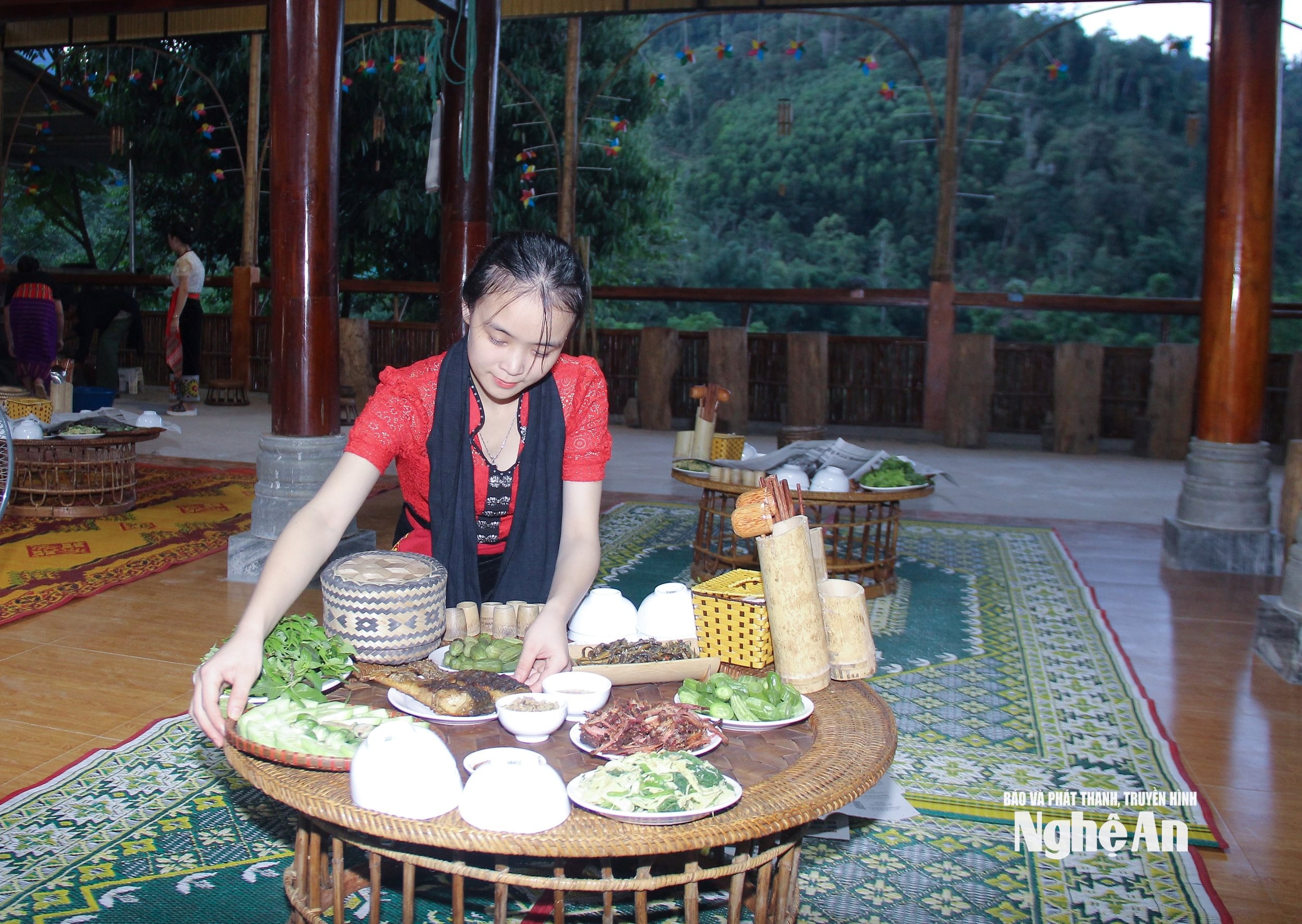
Ms. Lang Thi Tam, owner of Tu Tam Homestay at Hoa Tien community tourism site (Chau Tien commune), believes that for sustainable community tourism development, it is necessary to shift from supporting individual households to building shared tourism spaces. This includes creating land for community activities and cultural playgrounds where tourists can experience folk games and village life; investing in the construction of traditional stilt houses combined with spaces for displaying and introducing characteristic products of the Thai people; and upgrading the landscape and transportation infrastructure connecting destinations. Expanding the ecological space will help extend the length of stay and overcome the current situation where development is limited to individual homestays.
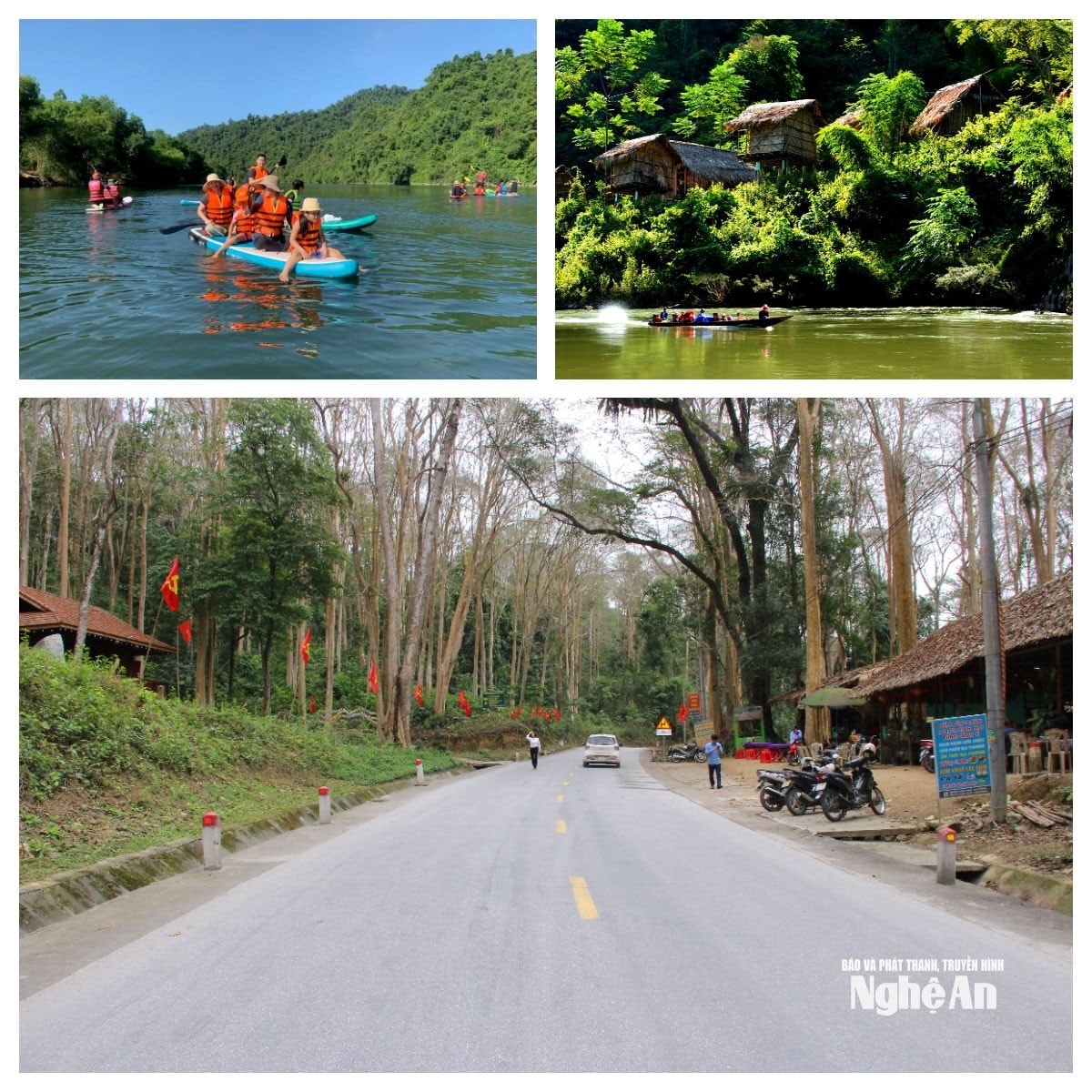
Beyond community-based tourism, a new trend is emerging in western Nghe An province: the development of agricultural and forest tourism linked to the green economy through farmstay and foreststay models. Mr. Phan Xuan Dien, Director of Pu Mat Medicinal Herbs Joint Stock Company, currently implementing a farmstay project in the buffer zone of Pu Mat National Park, stated that he had long cherished the idea of creating a resort space amidst nature, combining organic agricultural production and forest experiences. However, upon implementation, the biggest obstacle wasn't the market or resources, but rather the financial challenges and legal issues surrounding land ownership.
“The initial investment costs are very high, while farmstay models are mainly located on agricultural land or production forest land. Businesses want to invest long-term but are hampered by planning regulations, land use conversion, and access to loans. If there are policies to support interest rates, planning, and create a clear legal framework, then businesses and cooperatives will feel more secure in investing,” Mr. Dien shared.
The government needs to implement policies to support interest rates, provide planning, and create a clear legal framework regarding land, thereby reassuring businesses and cooperatives to invest in and develop tourism in western Nghe An province.
Mr. Phan Xuan Dien - Director of Pu Mat Medicinal Herbs Joint Stock Company
This reality necessitates a new approach to tourism development policy in Western Nghe An. With the province having identified tourism as one of its five growth pillars, aiming to make it a key economic sector, continuing with fragmented support policies will struggle to create a significant shift. What is needed now is an "institutional impetus" to move from encouraging local people to engage in tourism to a stage of professional, large-scale, and sustainable development.
According to Deputy Director of the Department of Culture, Sports and Tourism Tran Xuan Cuong: Currently, the department is advising the Provincial People's Committee on developing a new policy to replace Resolution No. 07. The policy is expected to focus resources on recognized community tourism destinations to develop them systematically, overcome long-standing limitations; and at the same time link tourism development with socio-economic goals in the Western region, especially creating livelihoods, reducing poverty sustainably, and preserving unique cultural and ecological identities.
The new policy is expected to focus on three key areas: supporting investment in visitor reception centers; constructing standard public restrooms; and creating community spaces for tourists linked to cultural activities and traditional festivals. In addition to policy, the tourism sector will also collaborate with localities in human resource training, digital transformation, promotion, and destination branding.
To create a breakthrough in tourism in the Mekong Delta, in addition to supportive policies, a synchronized effort from all levels, sectors, and localities is needed, from planning to resolving land-related difficulties, building connecting transportation infrastructure, and attracting business investment.
Comrade Tran Xuan Cuong - Deputy Director of the Department of Culture, Sports and Tourism of Nghe An Province
However, to achieve a real breakthrough, tourism policy cannot be solely the responsibility of the Ministry of Culture, Sports and Tourism. It requires the synchronized involvement of all levels, sectors, and localities, from spatial planning for tourism development to flexible land policies to attract businesses to invest in green tourism models; transportation infrastructure also needs to be prioritized for investment to shorten travel distances – a factor currently becoming a major obstacle to tourism in the Mekong Delta.
With clear planning, available capital, and a transparent legal framework, businesses, cooperatives, and individuals will have enough confidence to invest long-term. And when institutional solutions, infrastructure, and resources are implemented synchronously, community-based tourism in Western Nghe An will not only remain a small-scale experiential model, but can also become a driving force for green and sustainable economic development, contributing to the realization of the goal of making tourism a key economic sector of the province in the new era.


