
Beware of buying fake food on TikTok.
TikTok is becoming an increasingly popular shopping platform for consumers thanks to its engaging product showcase videos, affordable prices, and convenient delivery services.
It's easy to mistakenly buy fake food on TikTok.
Ms. Tran Thi Minh, residing in Vinh City, Nghe An province, shared her unpleasant experience of buying four bottles of fermented fish sauce, a famous local specialty promoted on TikTok, for over 200,000 VND.
"It looked appealing in the video, and even had a KOL promoting it, so I trusted it. But when I brought it home and opened it, the smell was terrible, and it was inedible, so I had to throw it in the trash," Ms. Minh said angrily.
She shared some disappointing experiences when buying products advertised on TikTok, which often have attractive designs and fast delivery, but the actual quality is a big question mark. "Buying online now is really worrying," Ms. Minh emphasized.
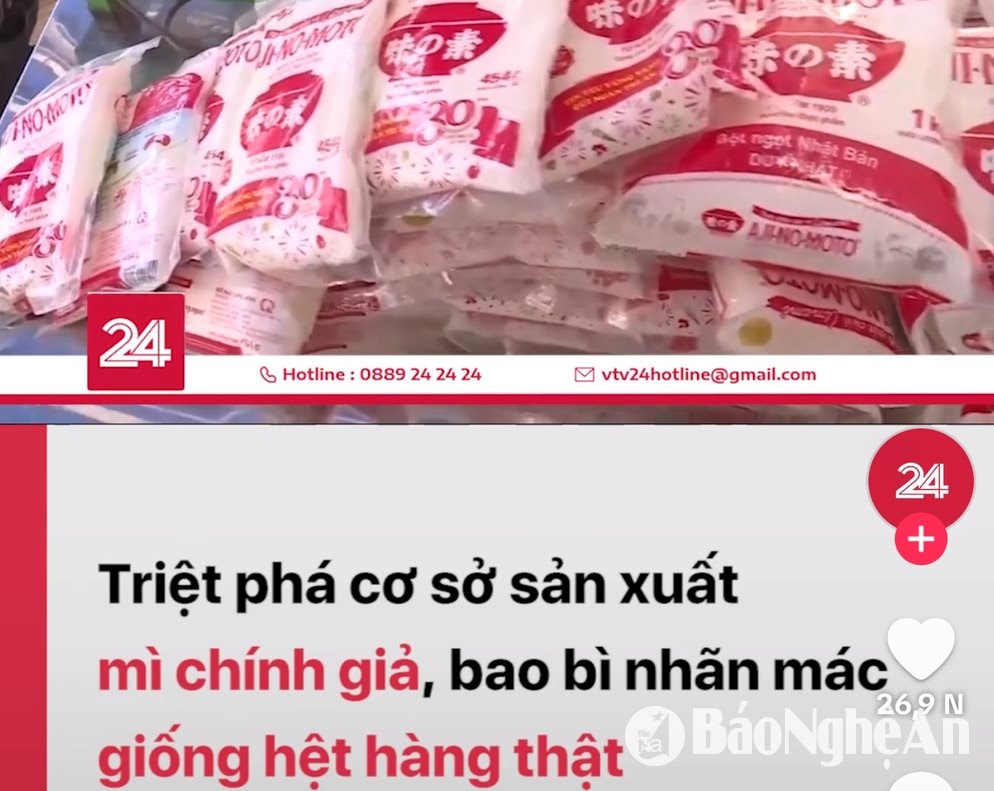
Ms. Nguyen Thi Mui, a resident of Do Luong district, said: "Soup powder and MSG are familiar seasonings in many households, but now there is a problem of counterfeiting. My family once mistakenly bought counterfeit MSG that the authorities recently seized. This really poses a direct threat to consumers' health. Now it's difficult for us to distinguish between genuine and fake products to buy and use with peace of mind."
According to media reports and feedback from relevant authorities, counterfeit MSG is often made from substances of unknown origin, without food safety certification, and can cause various symptoms such as headaches, nausea, allergies, and in the long term, pose a potential risk to liver and kidney function.
On social media platforms, numerous groups specializing in the business of frozen foods such as pork, beef, chicken, seafood, fish balls, etc., are operating vigorously with hundreds of thousands of members. Some prominent groups include "Wholesale Frozen Food Warehouse," "Wholesale Frozen Goods Market," "Frozen Pork," etc., with bustling transactions taking place daily.
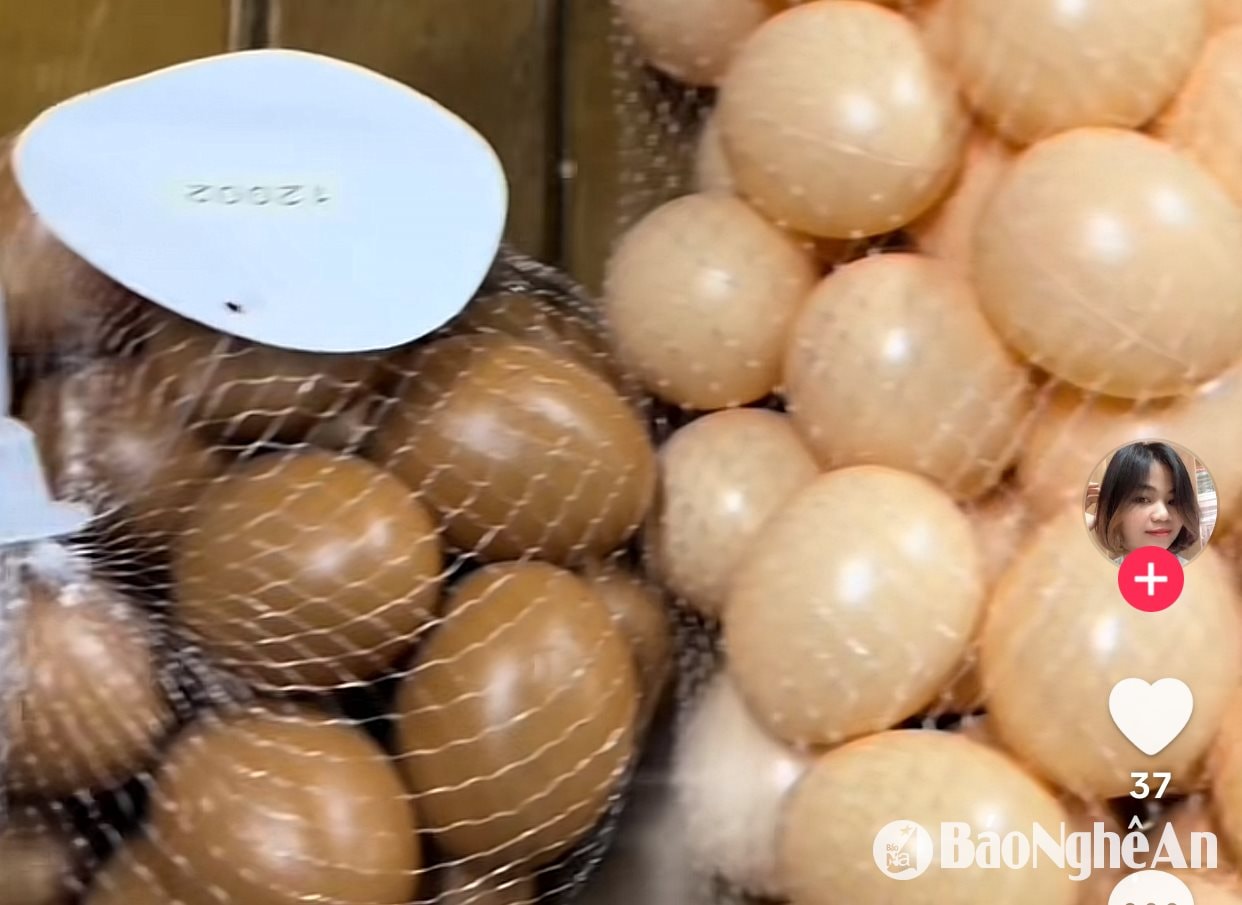
Products advertised on Facebook and TikTok are offered at relatively low prices, suitable for general consumer needs. Specifically, whole salt-cured free-range chickens cost from 94,000 to 102,000 VND/chicken depending on quantity, chicken wing middle sections are only 78,000 VND/kg, and packaged young chicken eggs range from 62,000 to 70,000 VND/kg... In addition, many other items are also offered at competitive prices such as pork ribs from 30,000 to 32,000 VND/kg, and pork belly from 118,000 to 120,000 VND/kg.
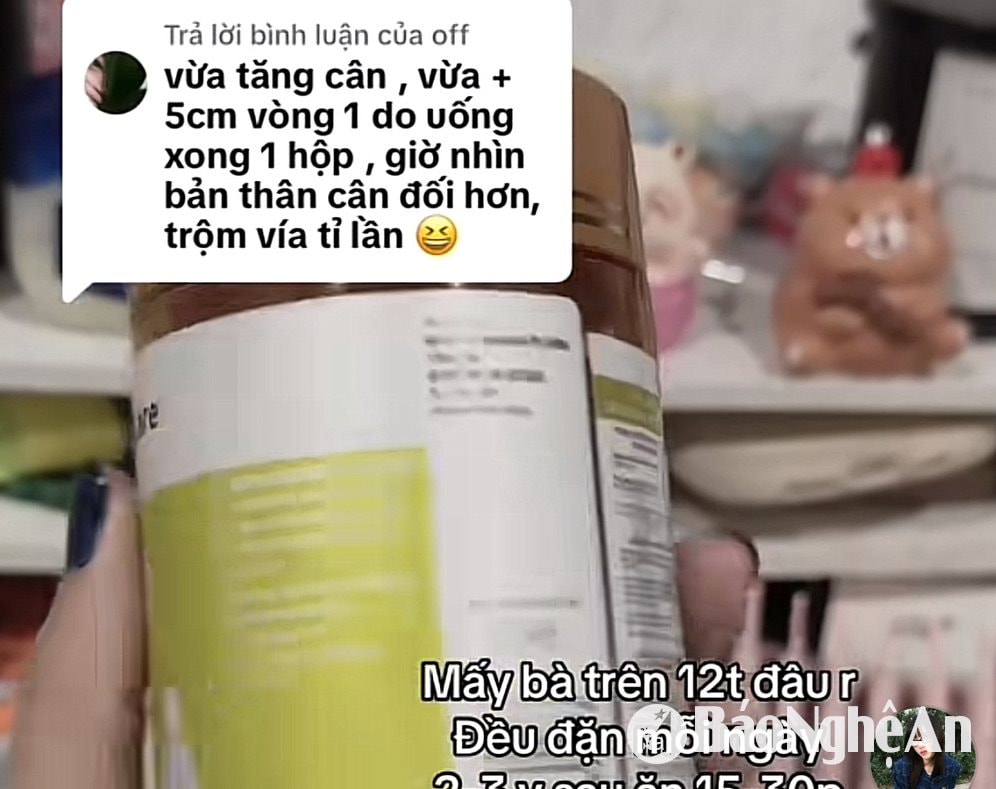
However, behind this boom lie concerns about product quality, as most transactions take place online, based on personal trust, without inspection, and it is very difficult to control the origin and storage conditions of the food.
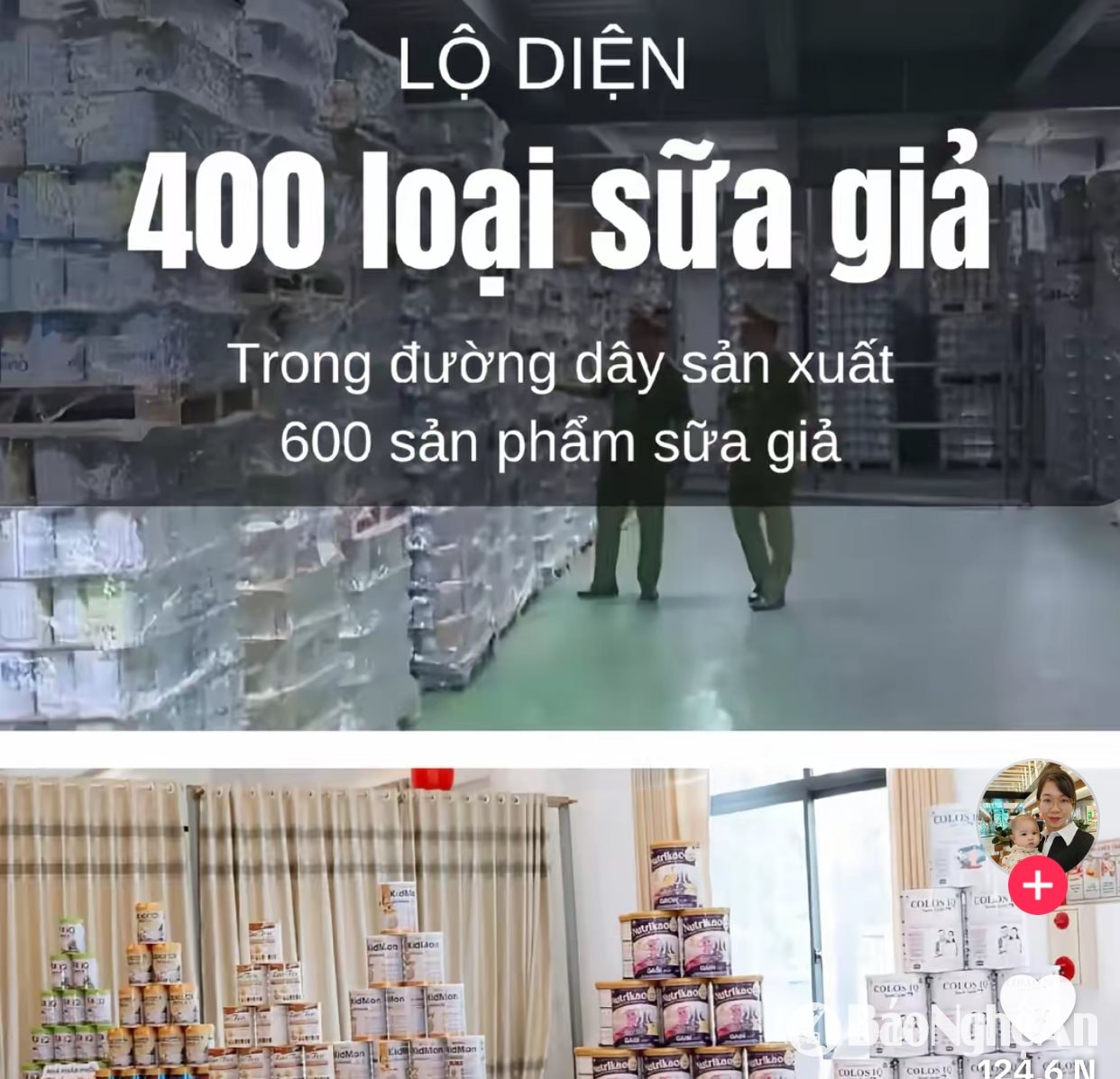
Notably, some products are promoted through KOLs (Key Opinion Leaders) with millions of followers, creating a false sense of credibility and easily misleading consumers about their actual quality. This tactic was used in the recent fake milk scandal that caused a public outcry. These products pose many potential health risks to consumers.
Besides selling through livestreams, many vendors openly advertise counterfeit products. Sellers often intentionally obscure brand logos, making it difficult to distinguish between genuine and fake goods. These sophisticated tactics have led to a proliferation of vendors, with hundreds of thousands of low-quality products sold daily. Meanwhile, consumers are constantly caught in the "maze" of TikTok Shops, where genuine and fake products are mixed together, making it difficult to differentiate.
Furthermore, deceptive promotional tactics like "shocking discounts" also make buyers vulnerable to scams. Consumers also find it difficult to request complete information from sellers regarding product origin, invoices, and documentation.
Food of unknown origin discovered in large quantities.
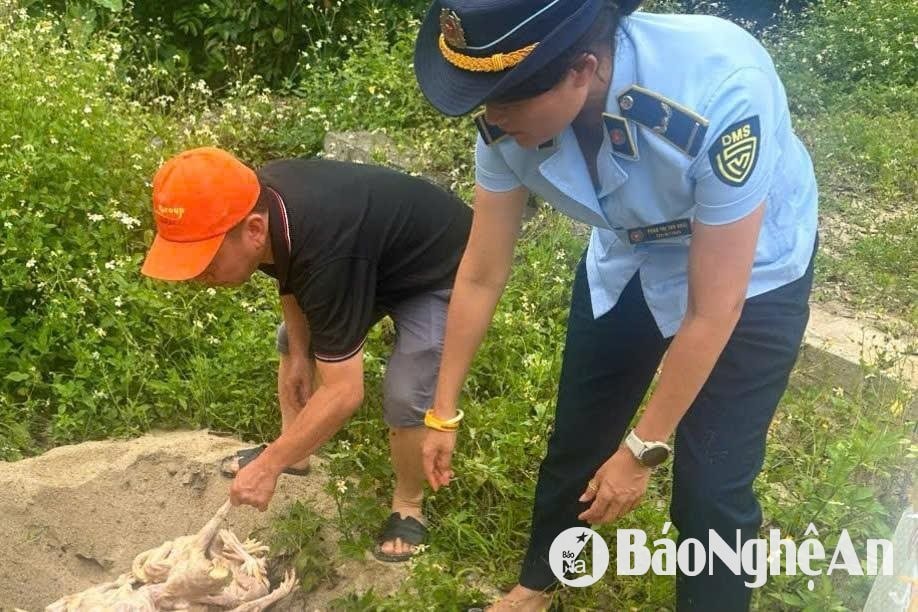
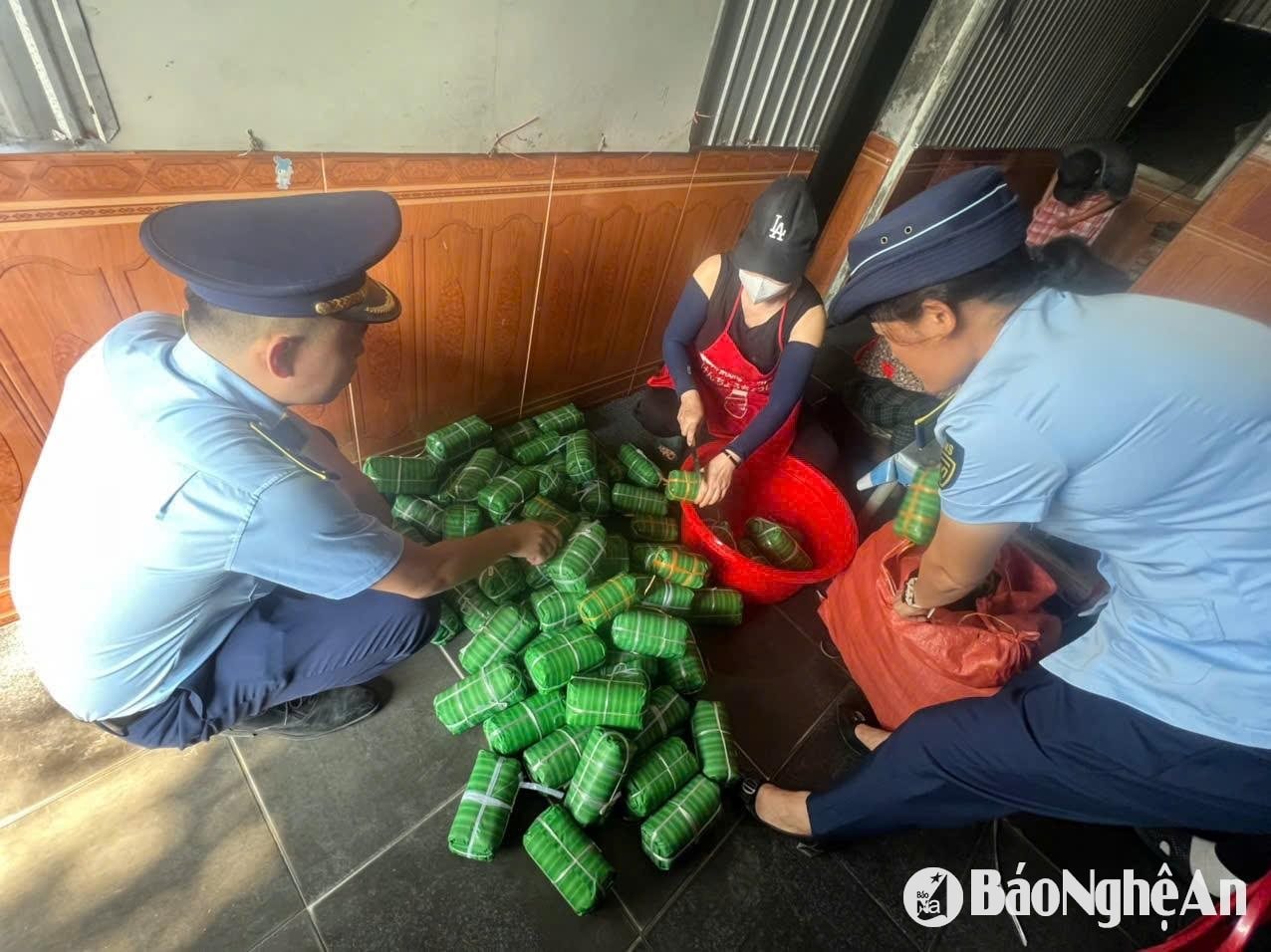
On April 26th, Team 3 of the Market Management Department under the Nghe An Market Management Sub-department discovered and destroyed nearly 1 ton of contaminated food, including pork sausage and frozen chicken meat of unknown origin and without valid invoices or documents. The total administrative fine amounted to nearly 60 million VND.
Specifically, at the HTL business establishment (Dong Vinh ward), authorities discovered 215 kg of pork sausage of unknown origin and not meeting food safety standards.
Next, Market Management Team No. 3 conducted a surprise inspection of the LTD business located at Pham Hong Thai Street, Vinh Tan Ward, Vinh City, Nghe An Province.
During the inspection, it was discovered that the business was selling 600 kg of frozen chicken meat products of unknown origin and source, without legal invoices or documents, and not meeting food safety standards.
Not only are there cases of counterfeit processed foods, but recently authorities have also uncovered several cases of counterfeit products such as cooking oil and MSG, raising serious concerns in the community.
Mr. Nguyen Hong Phong, Deputy Head of the Nghe An Market Management Department, stated that monitoring violations on social media is very difficult. Many individual sellers use anonymity tactics, frequently changing page names, erasing traces, or reappearing under different names to circumvent the law, posing a significant obstacle for authorities in detecting and handling violations.
In Nghe An province, from the beginning of 2025 to the present, the Provincial Market Management Department has coordinated with relevant units to detect and handle at least two cases of trading food of unknown origin via social media, seizing hundreds of kilograms of infringing products.
Stricter management of TikTok Shops is needed to prevent counterfeit and fake goods.
Given the rapid growth of TikTok Shop and its resulting consequences, the Ministry of Information and Communications (MIC), the regulatory body for this social media platform and e-commerce site, has repeatedly issued warnings and pointed out TikTok's violations in Vietnam.
Accordingly, TikTok Vietnam has not effectively implemented measures to control content and business activities, allowing the widespread sale of counterfeit goods, fake products, and dietary supplements of unknown origin. This not only violates the law but also creates a favorable environment for the spread of fake news, causing economic damage and social instability.
The inspection by the inter-agency team revealed that TikTok Shop had not fully disclosed information about the application's owner on its homepage, and also did not store complete seller information during registration.
In light of these violations, the inspection team recommended that the Ministry of Industry and Trade take measures to address the issue and require TikTok to rectify and improve its cross-border e-commerce services in Vietnam. TikTok Shop was also required to remove products on the prohibited list and to issue warnings or suspend services to violating organizations and individuals, depending on the severity of the violation.
Despite strong measures taken by authorities, the problem of counterfeit goods, imitation products, and products of unknown origin on TikTokShop has not yet been completely controlled.


