
Beware of mothball poisoning.
Camphor tablets are often placed in wardrobes to repel moths, cockroaches, etc. However, if not used properly, this chemical can cause poisoning.
Naphthalene is produced from the chemical naphthalene, which is extracted from coal or from the petroleum refining process. Naphthalene is a white crystalline solid that is pressed into pellets called naphthalene.
Naphthalene is a sublimation agent, meaning it can transition from a solid to a gaseous state without passing through an intermediate liquid phase at normal temperatures. Therefore, mothballs placed in a cupboard will evaporate, creating a scent that repels insects and mites.
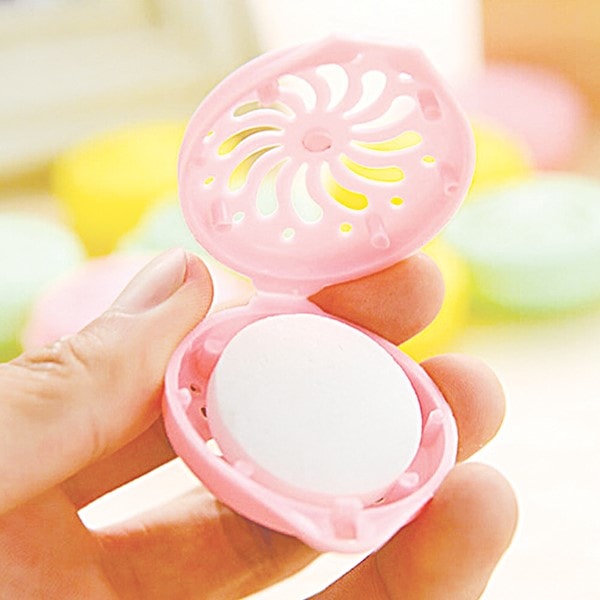 |
| Mothballs have the greatest impact on children, especially those under 5 years old. |
Currently, mothballs are still widely used in developing countries due to their lower cost and ease of production. However, in the US and Europe, they are almost no longer used because of their high toxicity.
Camphor should not be confused with camphor (also known as borneol) used in medicine. Camphor is extracted from a tree that grows in tropical countries called the camphor tree (Cinnamonum camphora), correctly called camphor. Camphor used in medicine is usually in the form of essential oil with antiseptic, anesthetic, and cardiovascular stimulating properties, causing mild euphoria and exhilaration. Camphor is commonly used in topical medicated oils.
Toxicity of naphthalene
Mothballs can cause acute poisoning, especially in children under 5 years old. Poisoning occurs when accidentally swallowed or when excessive amounts of mothball vapor are inhaled in enclosed, poorly ventilated environments. Young children are particularly susceptible to poisoning because when they wear clothes recently removed from a wardrobe containing mothballs, the vapors can linger for a long time. Furthermore, mothballs can be partially absorbed through a child's skin, potentially causing toxicity. Chronic poisoning can also occur if the vapor is inhaled over a long period.
Acute poisoning: Nausea, vomiting, diarrhea, jaundice, dark urine, headache, restlessness, agitation, confusion, seizures followed by coma, and possibly death.
Chronic poisoning: This can cause red blood cell rupture leading to anemia, liver necrosis, nerve damage (especially in young children) resulting in fatigue, irritability, dizziness, poor work performance, and stunted growth in children. Patients may experience prolonged diarrhea, chronic upper respiratory tract infections (nasopharynx, throat) and lower respiratory tract infections (trachea, bronchi, lungs), cataracts, and retinal damage (the innermost layer of the eye) leading to decreased vision.
Initial treatment and prevention
Move the victim to a well-ventilated area to prevent further inhalation of naphthalene fumes. Rinse the mouth, lips, skin, hands, and feet thoroughly with water. Avoid using essential oils or fats as these will accelerate naphthalene absorption. Immediately take the victim to the nearest medical facility. Currently, there is no specific antidote for naphthalene poisoning; all treatment is supportive and palliative.
Limit the use of mothballs. If necessary, use only 1-2 pieces in a closed cabinet. When opening the cabinet, do so quickly and wear a mask to avoid inhaling toxic fumes.
For young children, after taking clothes out of the wardrobe, they should be aired out in the sun to remove any odors before being used. Absolutely do not use mothballs to deodorize rooms, bathrooms, or any living environment, especially in poorly ventilated areas.
When using mothballs, be sure to keep them out of reach of children because these balls look very similar to candy, have a pleasant scent, and taste sweet, so children might mistake them for candy and eat them, which is very dangerous.
How to get rid of cockroaches without using mothballs.
Because mothballs are highly toxic, their use should be limited and ideally avoided altogether. You can try using safer natural ingredients to repel and kill cockroaches, such as the following.
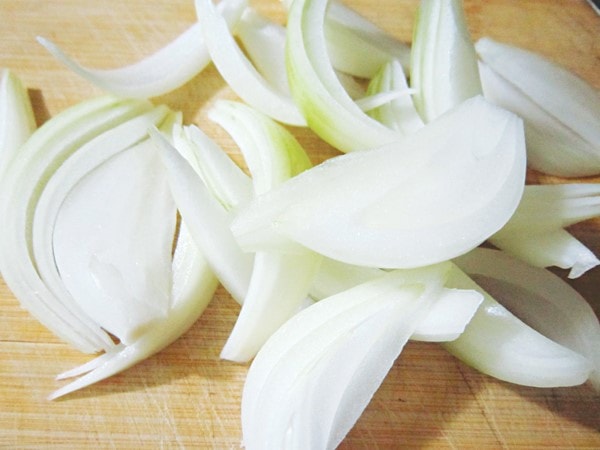 |
| Onions also have insect-repelling properties. |
Using onions to repel cockroaches: Cut a few slices of onion and place them on a small plate under your wardrobe. Alternatively, put a few slices of onion in a thin cloth bag and tie it to the wardrobe door. When the cockroaches smell the pungent odor of the onion, they will all run away.
Using alum to repel cockroaches: The smell of alum is also very irritating to cockroaches, so when they smell alum, they will run away from the wardrobe. You can place a cloth bag containing alum in the wardrobe or hang it inside to repel cockroaches.
According to Zing
| RELATED NEWS |
|---|


