
Canada imposes tariffs on the US: Retaliation could reach up to 50%.
The US-Canada trade war continues to escalate as Ottawa announces retaliatory tariffs of 15-50% on a wide range of US goods.
Canada imposes retaliatory tariffs ranging from 15-50%.
On August 25th, the Canadian government announced new tariffs on goods imported from the United States. The tariffs range from15%, 25% to 50%It depends on the product group.
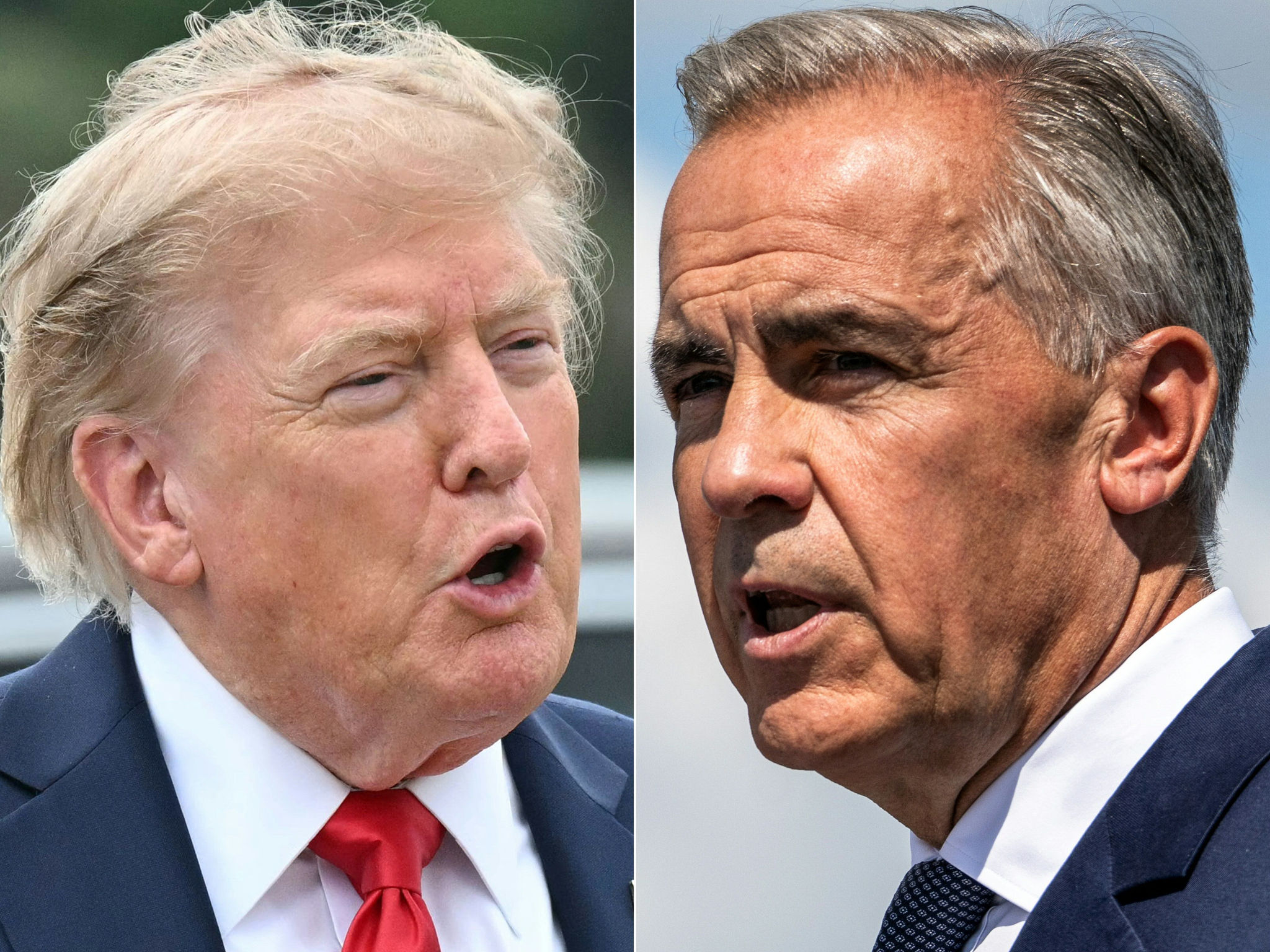
The measures will take effect from [date]8/9This is the timeframe that Canadian Prime Minister Mark Carney set after the 50% US tariffs took effect on August 22nd.
Canadian Finance Minister Francois-Philippe Champagne said that Ottawa designed its tax rates to be comparable to those of the United States.
The affected sectors include steel, dairy products, and electronics. The list also includes fresh and frozen fish, dishwashers, and washing machines.
Some materials used in railway construction are also subject to taxation.
A $5.4 billion business support package.
The Canadian government also announced a support package worth...$5.4 billion (CAD 7.5 billion)The funds are intended for businesses and workers affected.
Mr. Champagne called this an "unprecedented" challenge for Canada. He affirmed that the country would unite to respond.
Industry Minister Melanie Joly urged citizens to support domestic businesses. Ottawa will also seek out new trading partners.
Ms. Joly warned that Canada would retaliate if the U.S. increased tariffs on Canadian cars to 50%.
US-Canada tariffs enter a new round of retaliation.
The latest US tariffs affect approximately$20 billion worth of Canadian goodsThis figure is equivalent to 5.5% of Canada's exports to the United States.
According to Ottawa's plan, US steel and aluminum, currently subject to a 25% tariff, will see their tariffs raised.50%.
Items subject to a 25% tax include household appliances and dairy products such as cheese. Some derivatives of steel and aluminum are also included in this group.
A small group of products will be subject to a 15% tax, including electrical equipment and tools.
Items subject to the new tariffs account for approximately...7.3% of Canada's imports come from the United States., based on data from 2024.
Cars could become the next battleground.
Analysts warn that the two countries risk falling into a spiral of trade retaliation.
US President Donald Trump has announced that he may double tariffs on Canadian cars starting in 2027. The tariff on components not of US origin could increase from 25% to 50%.
Ontario Premier Doug Ford reacted strongly to this announcement. He also threatened to impose a surcharge on electricity exported to the United States.
According to Oxford Economics, the new tariffs raise the effective US tariff rate on Canadian goods from5.1% to 6.9%.
The plastics, electrical machinery, wood, and paper industries contributed most to this increase. Manufacturers in Quebec, New Brunswick, and Ontario are projected to be most severely impacted.
Trade relations between the two countries have become more strained.
Trade tensions arose after negotiations between the two countries broke down at the last minute.
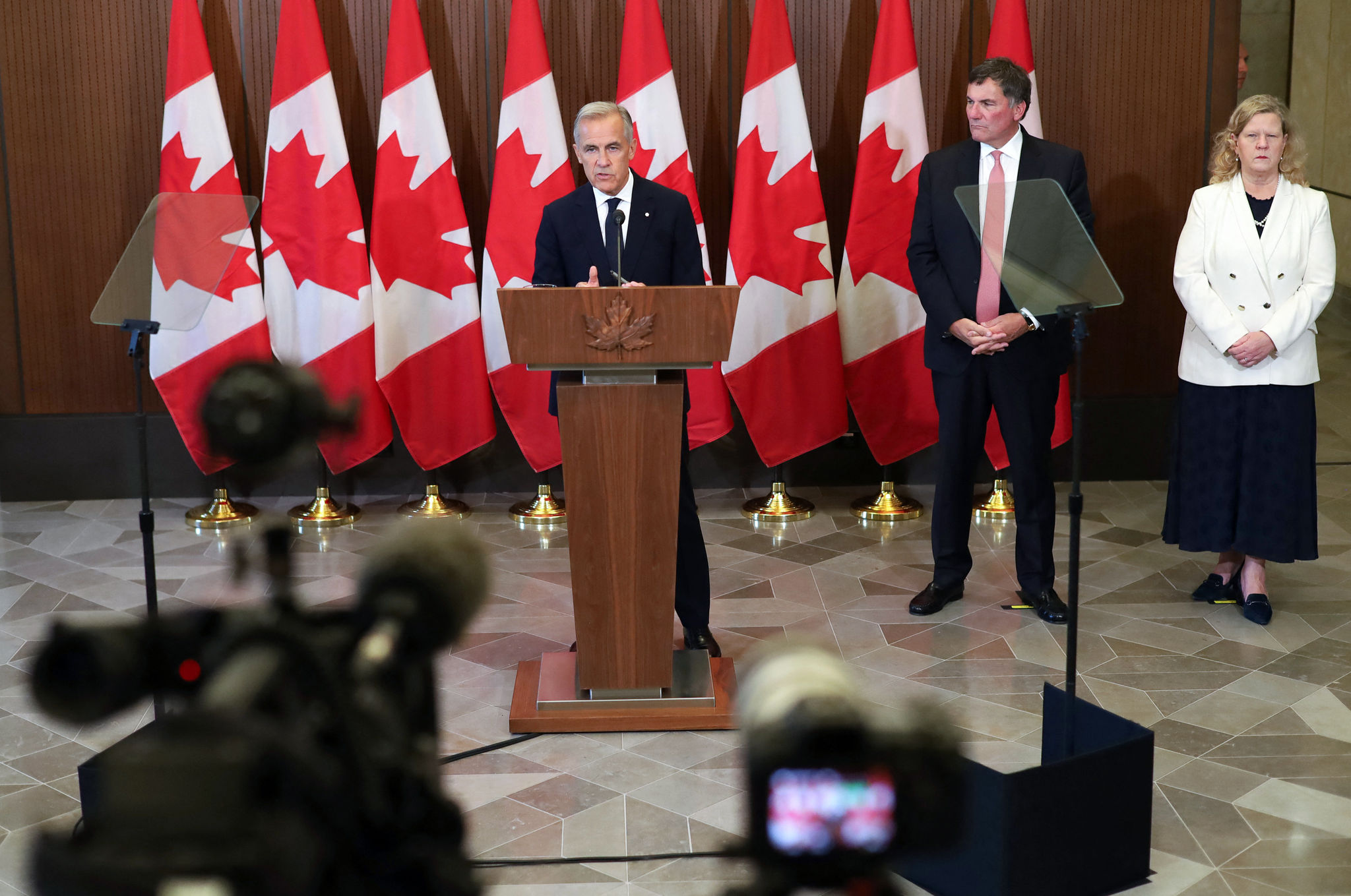
Canadian Prime Minister Mark Carney speaks at a press conference in Ottawa on August 22, 2026, after trade negotiations with the United States broke down. He announced that Canada would impose retaliatory tariffs on US steel and dairy products starting September 8.
Prime Minister Mark Carney said that the U.S. had requested restrictions on Canada's trade agreements with other countries.
Mr. Carney also accused the US side of making unacceptable demands regarding the French language and Quebec culture.
President Trump rejected the accusation. He insisted he had no intention of interfering with Canadians' use of the French language.
The US is currentlyCanada's largest trading partnerApproximately 70% of Canada's total exports go to its neighboring markets.
Canada is also the second-largest trading partner for goods with the United States this year, after Mexico.
A poll by the Angus Reid Institute showed that many Canadians supported Carney's decision to walk away from the negotiating table. However, some people were concerned about the economic consequences.


