
Fishing ports and silted waterways: The 'bottleneck' of coastal fishing in Nghe An.
Many estuaries and fishing ports in Nghe An are experiencing serious siltation, making it difficult for large fishing vessels to enter and exit, disrupting fishing logistics, and increasing costs for fishermen on each fishing trip.
This situation is becoming a "bottleneck" for the goal of developing sustainable coastal fisheries and combating IUU fishing.
Many shortcomings
About five years ago, with over 108 billion VND in support from the Ministry of Agriculture and Rural Development (now the Ministry of Agriculture and Environment), Nghe An invested in the construction of Cua Hoi Port with the expectation that it would become a designated port for offshore fishing vessels from coastal communes in the South to dock, reducing the burden on Cua Lo Fishing Port.
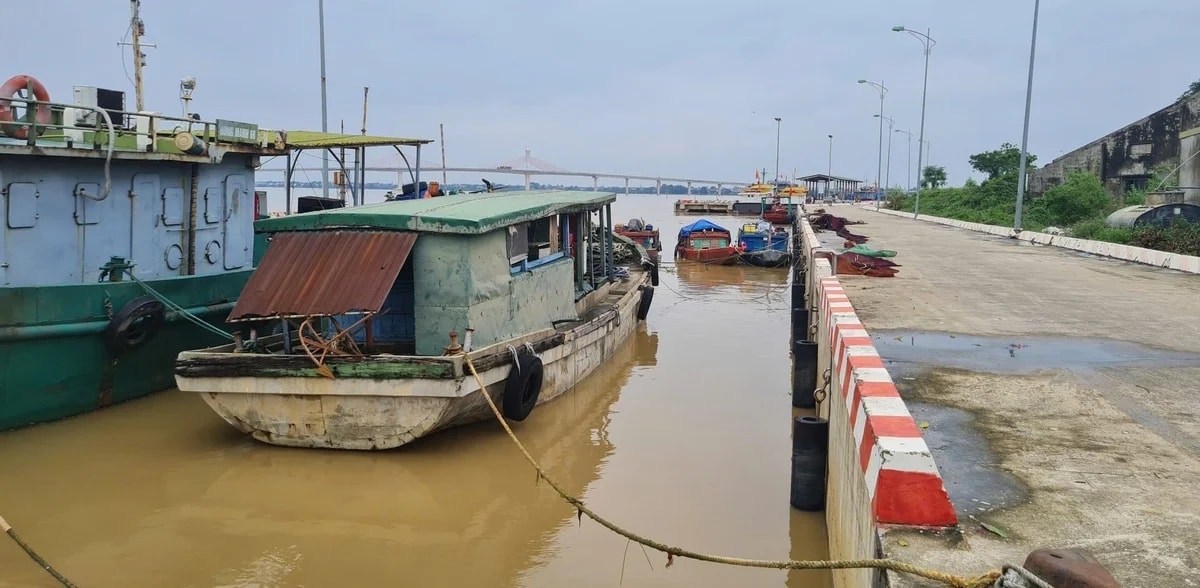
However, after nearly 5 years of operation, the exploitation efficiency has not met expectations. According to representatives of the Port Management Board, in the early years, ships could enter and exit relatively easily, but in the last 2 years, the channel in the port area has been severely silted up due to the large amount of mud and soil flowing from upstream, causing large ships to hesitate to anchor there.
From generating hundreds of millions of dong in port service revenue annually, it has now dropped to just tens of millions. Many fishing boats have had to relocate to Cua Lo, while the number of cargo ships entering and leaving the area is increasing, posing a potential safety risk.
Mr. Dao Van Tiem, Director of Tan Cua Hoi Joint Stock Company, shared that previously, when fishing boats could easily dock at the port, businesses could easily purchase raw materials right at the factory area; fishing logistics services such as providing ice, catering services, and supplying necessities also developed accordingly. However, when the port became silted up, businesses had to go to many waterways to purchase seafood, and the port area became quiet and deserted.
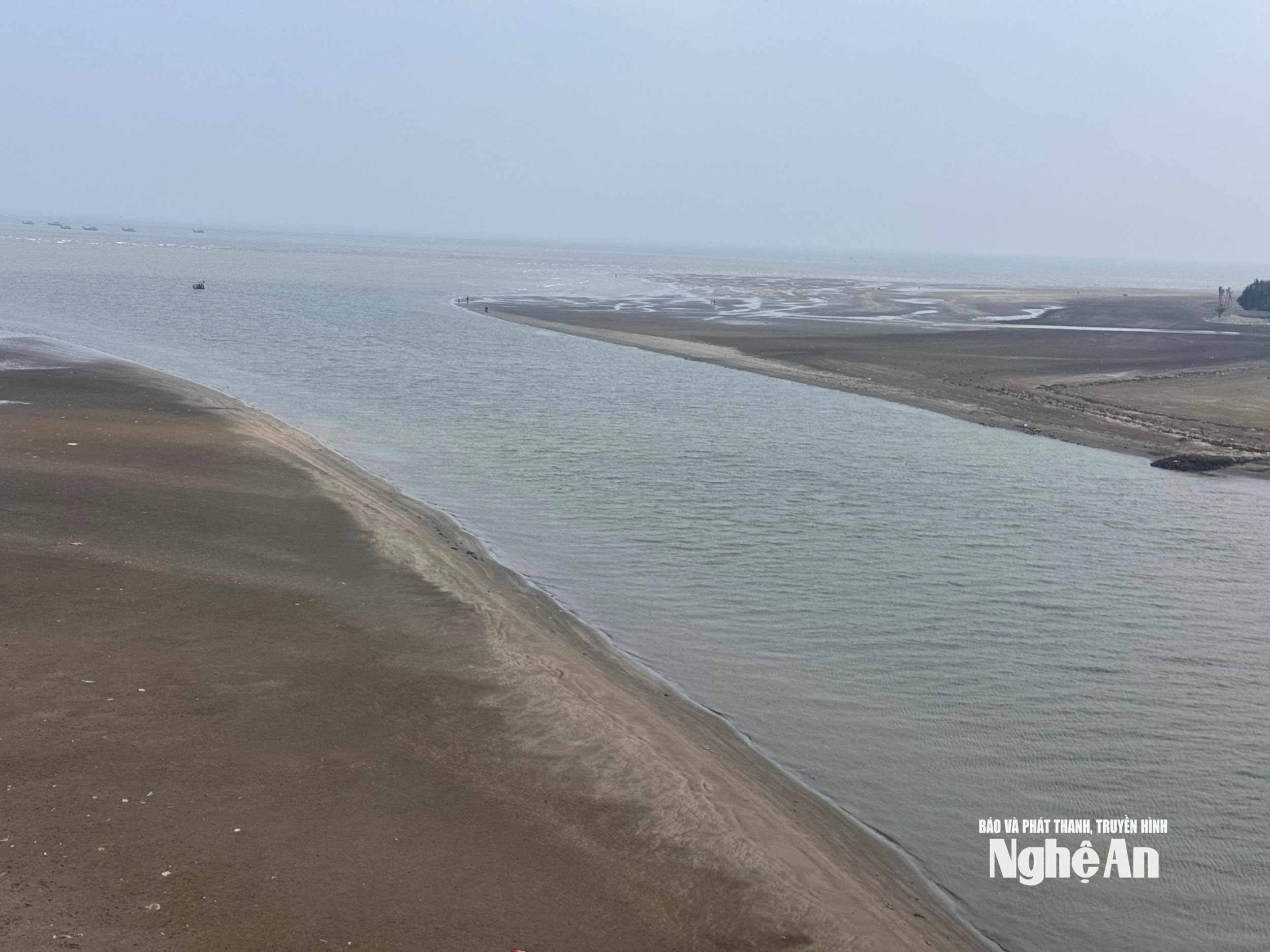
Not only Cua Hoi, but many other estuaries in the area such as Lach Van, Lach Quen, and Lach Corn are also experiencing serious sedimentation.
At the Lach Van estuary, there are times when the tide is so low that hundreds of fishing boats have to anchor outside the estuary for 3-5 hours, waiting for the tide to rise before they can return to shore. For short fishing trips, the amount of ice they carry for preservation is limited, and the delay in docking reduces the quality of their seafood, causing further anxiety for the fishermen.
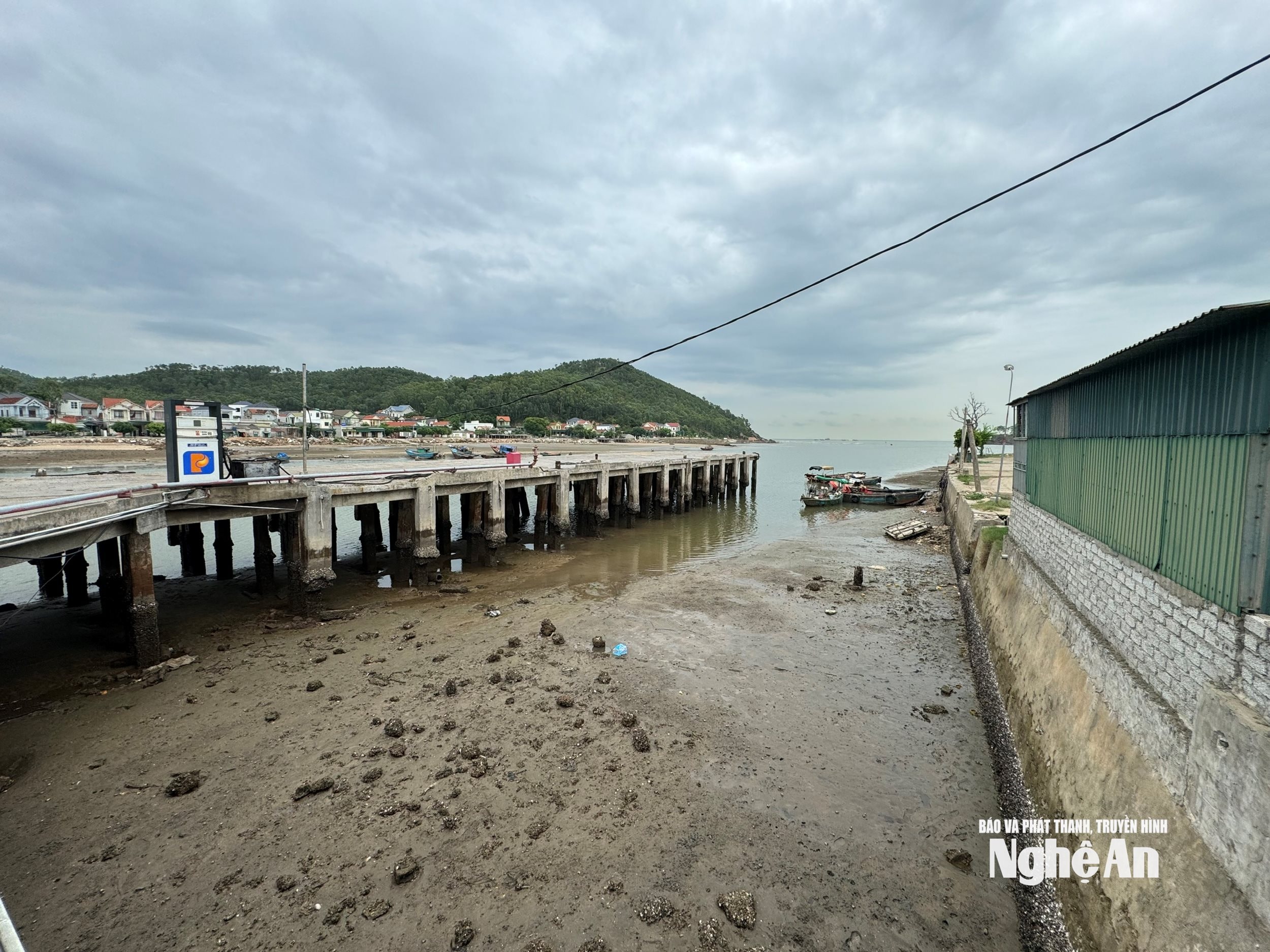
Mr. Nguyen Van Thuy, a fisherman from Dien Chau commune, said: "In recent years, when the tide recedes, the Lach Van estuary is only about 0.5-0.8 meters deep, making it very difficult for fishing boats over 12 meters to enter. Sometimes, fishermen have to use small boats to transfer seafood from the estuary to shore to sell it quickly, which is very hard work."
For boats longer than 24 meters in Quynh Phu commune and Tan Mai ward, even a slight miscalculation of the tide time can force boat owners to wait from a few hours to half a day before they can bring their boats ashore.
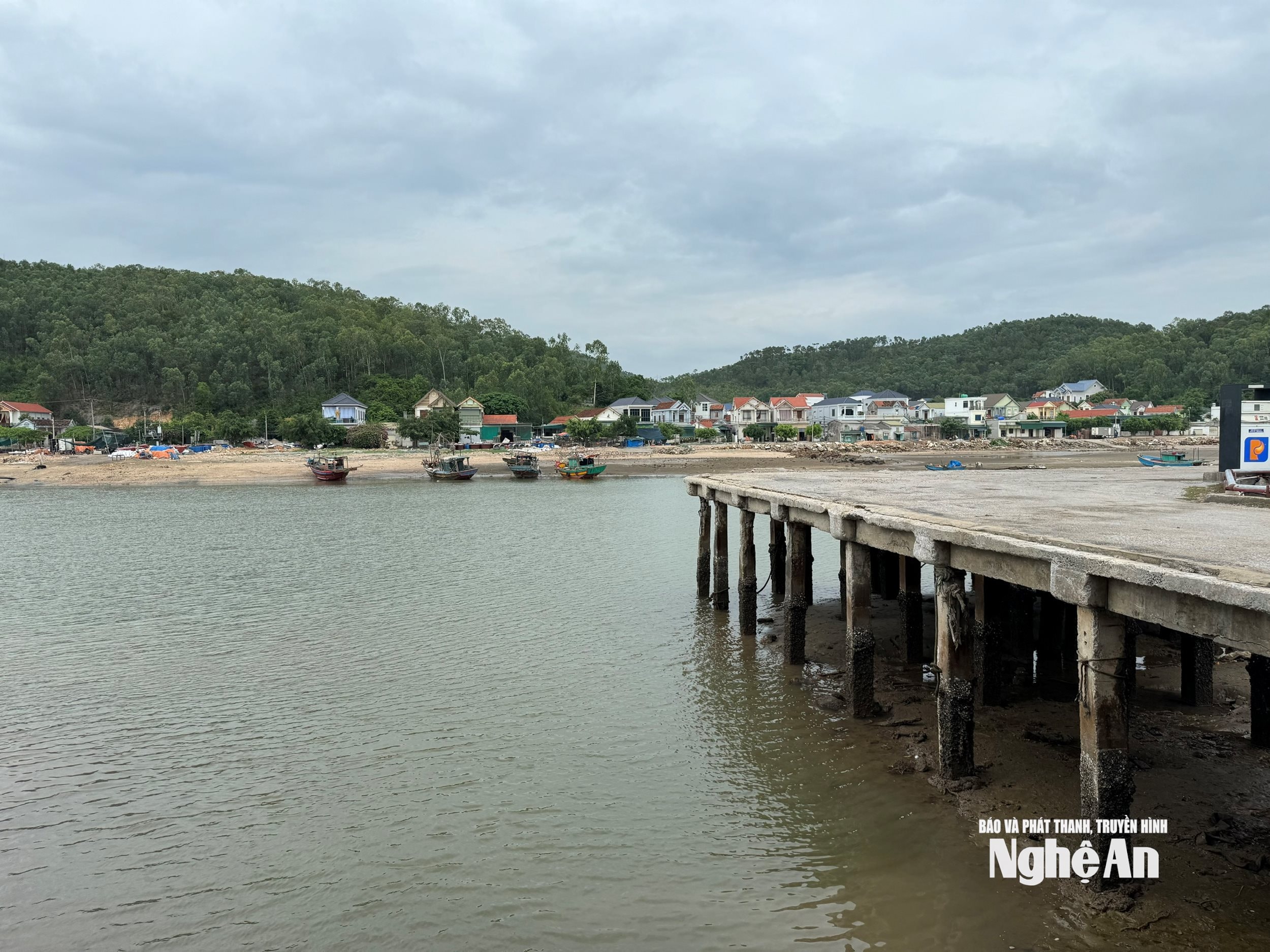
Not only are the waterways shallow, but some of the fishing port infrastructure also reveals shortcomings in operation. According to a representative of the Tan Mai Fisheries Association, on the southern bank of Lach Corn Fishing Port, the pier is designed to be 1-1.5m higher than the ship's side at low tide, making it difficult to unload seafood. Conversely, during the rainy season and storms, when the water level rises, ships are easily damaged by colliding with the pier.
Mr. Le Ba Ky, representing the Tan Mai Fisheries Association, stated that the northern bank of Lach Con has a deeper channel but lacks suitable port facilities. The Association requested that the province continue to prioritize investment in a fishing port on the northern bank; and also deploy personnel to assist fishermen with procedures during peak periods when many vessels dock.
Additional resources to upgrade fisheries infrastructure.
Observations show that, over the years, dredging of waterways at estuaries in the area has not been carried out regularly due to a lack of funding. Just one heavy rain or storm causes sand and silt from upstream and on both banks to accumulate again, making the situation at the estuaries even more serious.
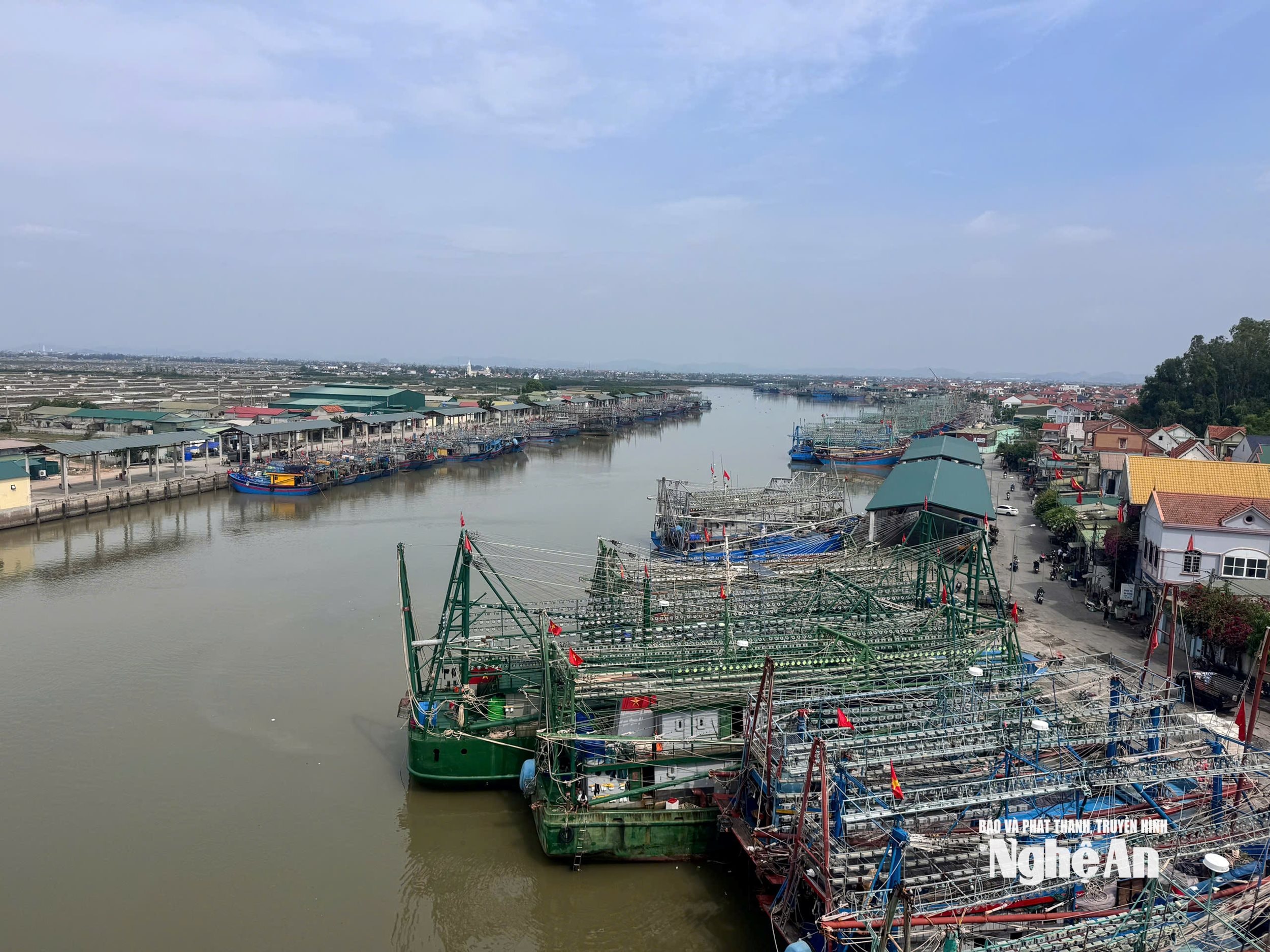
During meetings with the Ministry of Agriculture and Environment and the National IUU Steering Committee, the People's Committee of Nghe An province has repeatedly requested the central government to provide funding for dredging estuaries to ensure smooth access for fishing vessels to ports and to facilitate fisheries control.
At the end of 2025, the Vietnam Maritime and Inland Waterways Administration developed a plan to dredge the Cua Hoi - Ben Thuy channel, specifically the section from buoy P0 to buoy P8, with a length of approximately 4 km and a depth of about 3 m. The estimated construction time was 48 days. However, this plan has not yet been implemented.
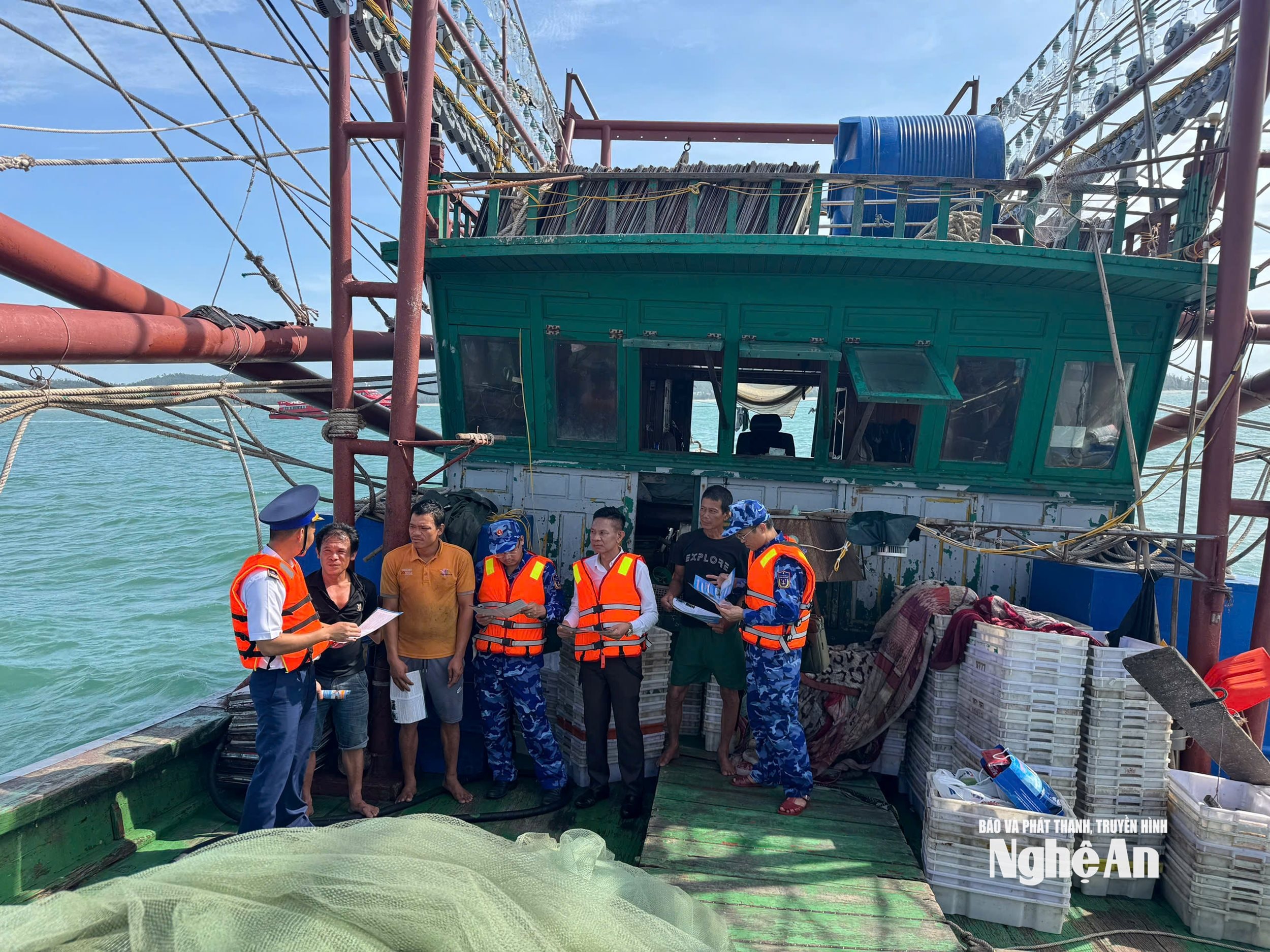
In the context of limited budgetary resources, the People's Committee of Nghe An province recently held a meeting with representatives of the World Bank (WB) to seek investment capital for upgrading fisheries infrastructure.
According to the initial proposal, the World Bank plans to restart the project to provide Nghe An with concessional loans of over 500 billion VND during the 2027-2030 period. Of this amount, approximately 350 billion VND is expected to be allocated to upgrading the infrastructure of fishing ports and boat mooring areas; and approximately 150 billion VND to investing in infrastructure for brackish water shrimp farming areas.
Mr. Mai Hong Phong, Head of the Fisheries and Fisheries Inspection Department of Nghe An province, said: After the working session with the Provincial People's Committee, the World Bank delegation conducted a field survey in Tan Mai ward and some other coastal localities. Based on the survey, the World Bank proposed that the province allocate approximately 100 billion VND in counterpart funds; at the same time, they basically agreed with the province's proposal on the investment plan for a fishing port and mooring area on the southern bank of Lach Quen fishing port (Quynh Phu commune) or Lach Con. In addition, the province also plans to allocate resources to invest in a seawater supply system to serve shrimp farming areas that meet VietGAP safety standards in areas such as Quynh Anh and Tan Mai communes.
Alongside infrastructure investment, the province continues to implement policies supporting the fisheries sector according to Resolution 34/2025/NQ-HD, such as supporting the installation and maintenance of VMS vessel tracking devices; supporting the installation of hydraulic winches for purse seine fishing; supporting investment in storage facilities made of PU material, etc.
Based on the current operational realities of fishing ports, representatives of fishing associations also believe that future infrastructure investment needs careful surveying of topography, tides, and channel depth to avoid situations where ports are built but large vessels have difficulty docking or quickly become silted up, as happened at Cua Hoi Fishing Port.
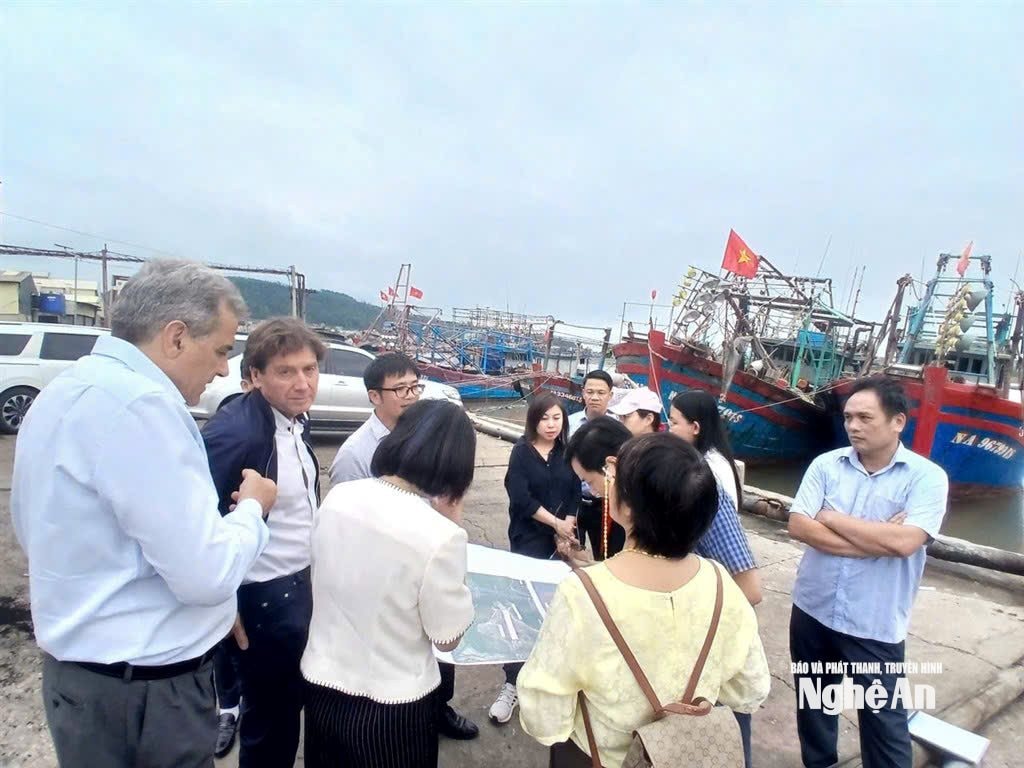
Mr. Phan Tien Chuong, Director of the Nghe An Fishing Port Management Board, believes that the most suitable solution currently is to build a wharf extending into the deep-water channel; simultaneously, investing in a comprehensive system for refueling, freshwater supply, and seafood unloading to facilitate the entry and exit of fishing vessels, contributing to improved efficiency in fishing exploitation and sustainable fisheries management.


