
US-Iran tensions on day 12: A dire warning and a dark cloud hanging over the global economy.
The conflict between the US, Israel, and Iran continues to escalate, directly threatening the vital shipping lanes through the Strait of Hormuz. While Tehran warns that a protracted war could devastate the global economy, Washington declares its military campaign nearing completion. Simultaneously, fighting continues to spread to many areas, causing severe economic damage and loss of life.
Dealing a blow to the global economy.
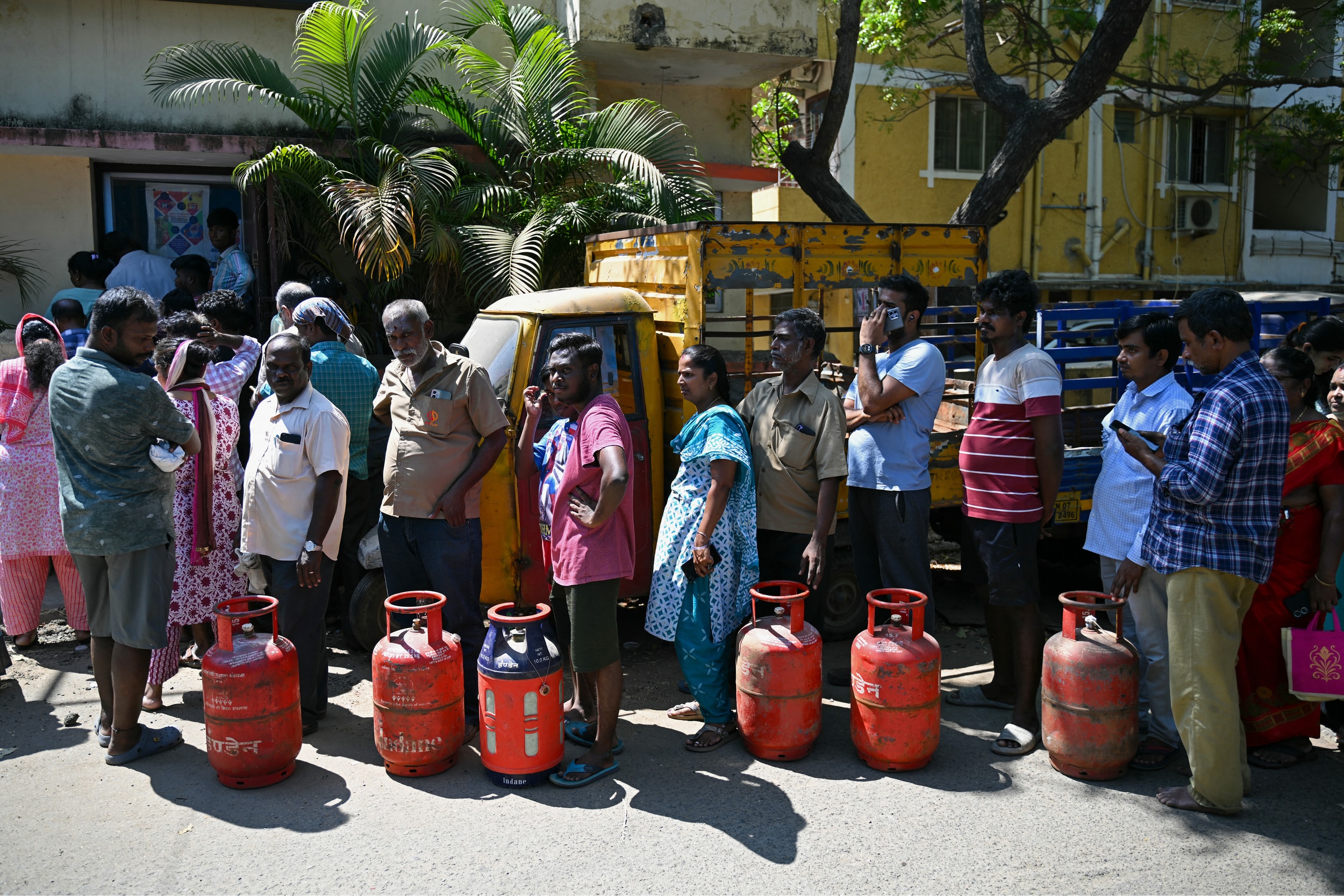
As of March 11th, the conflict that erupted following the US and Israeli airstrike on February 28th, which killed Iran's Supreme Leader, had entered its 12th day. Intense fighting is paralyzing maritime traffic through the Strait of Hormuz, a strategic waterway that carries one-fifth of the world's oil and about one-third of its agricultural fertilizer. Analysts warn that prolonged disruption there will deal a severe blow to the global economy, particularly in Asia and Europe.
Amid soaring oil prices, US President Donald Trump said Washington would use "part" of its strategic reserves to help stabilize the market. Meanwhile, the International Energy Agency (IEA) agreed to release a record 400 million barrels of oil.
The conflict not only affected energy supplies but also disrupted the Gulf region's commercial aviation industry. According to local officials, a drone crashed near Dubai airport, injuring four people, while fuel tanks at Oman's Salalah port were also attacked. Many international companies had to evacuate employees from Dubai.
On the Iranian side, Ali Fadavi, an advisor to the Commander-in-Chief of the Islamic Revolutionary Guard Corps (IRGC), declared on state television that the US and Israel must prepare for a long-term war of attrition that could "destroy the entire US and world economy."
The IRGC warned it would target economic and banking centers linked to US and Israeli interests. Iran also stated it had targeted two commercial vessels in the Persian Gulf for entering the Strait of Hormuz while "ignoring" naval warnings. The IRGC asserted that Tehran maintains full control over this strategic waterway.
Does the US "no longer have a goal" in Iran?
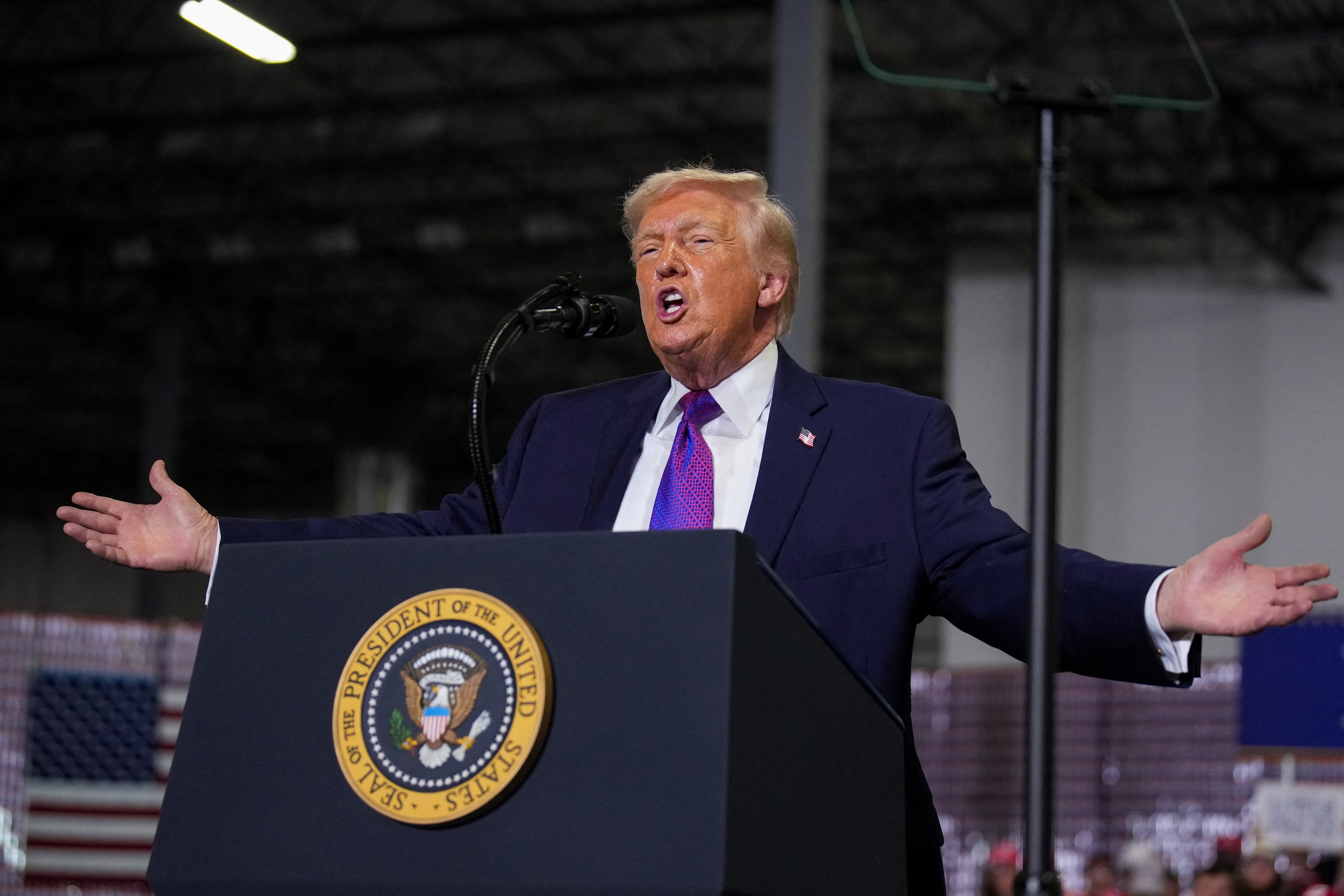
Meanwhile, speaking in Kentucky, President Donald Trump asserted that the U.S. "doesn't want to leave anytime soon" in its joint operation with Israel. However, in an interview with Axios, Trump suggested the war could end soon because U.S. forces had attacked 28 Iranian mine-laying vessels and "almost have no targets left to attack." He stressed that the operation could end at any time.
Contrary to this statement, the Israeli military has signaled that the operation is not over and they still have a long list of targets.
On the diplomatic front, the United Nations Security Council adopted a resolution demanding that Iran cease its attacks on Gulf states. In response, Iran's ambassador to the UN accused this of being a "blatant abuse" of the body's authority.
Notably, a Pentagon report presented to U.S. lawmakers showed that the cost of the war had exceeded $11.3 billion in just the first six days.
The flames of conflict are spreading.
The conflict is now spreading across the region with unprecedented developments. Iran's Fars news agency reported that on the evening of March 11th, Israeli drones attacked targets in the capital Tehran, killing several members of the security forces.
Shortly after midnight on March 12, the IRGC announced that it had launched a joint missile operation with Hezbollah targeting objectives in Israel.
In Lebanon, a country embroiled in conflict since last week, the humanitarian situation is worsening. The Lebanese Ministry of Health reports that 10 days of fighting have killed more than 630 people and displaced over 800,000. Israeli airstrikes on March 11th struck an apartment building in central Beirut.
Fawzi Asmar, a bakery owner on the attacked street, recounted in shock how he had to drag his wife and daughter from room to room, hiding behind walls, just before the second bomb exploded.
In response to Hezbollah's rocket attacks, Israel launched a "large-scale wave of airstrikes," killing at least eight people in eastern Lebanon.
In Iran, the Ministry of Health announced on March 8 that more than 1,200 people had died in US and Israeli airstrikes, although this figure has not been verified by independent organizations. Thousands of people gathered in Tehran under tight security to commemorate fallen commanders, creating the largest public gathering since the start of the war.
Iranian officials confirmed that the new Supreme Leader Ayatollah Mojtaba Khamenei was injured but "safe" and has not yet appeared in public. Yahya Rahim Safavi, a senior advisor to the new leader, used harsh language to criticize the US President.


