
US-Iran tensions: Washington threatens devastating blows, Tehran rejects negotiations.
Hopes for a diplomatic solution to the Middle East conflict have quickly faded. The White House has issued a stern warning to Iran if it does not accept a 15-point peace plan, while Tehran firmly denies any talks and threatens to open a new front in the Red Sea.
Verbal sparring and opposing positions
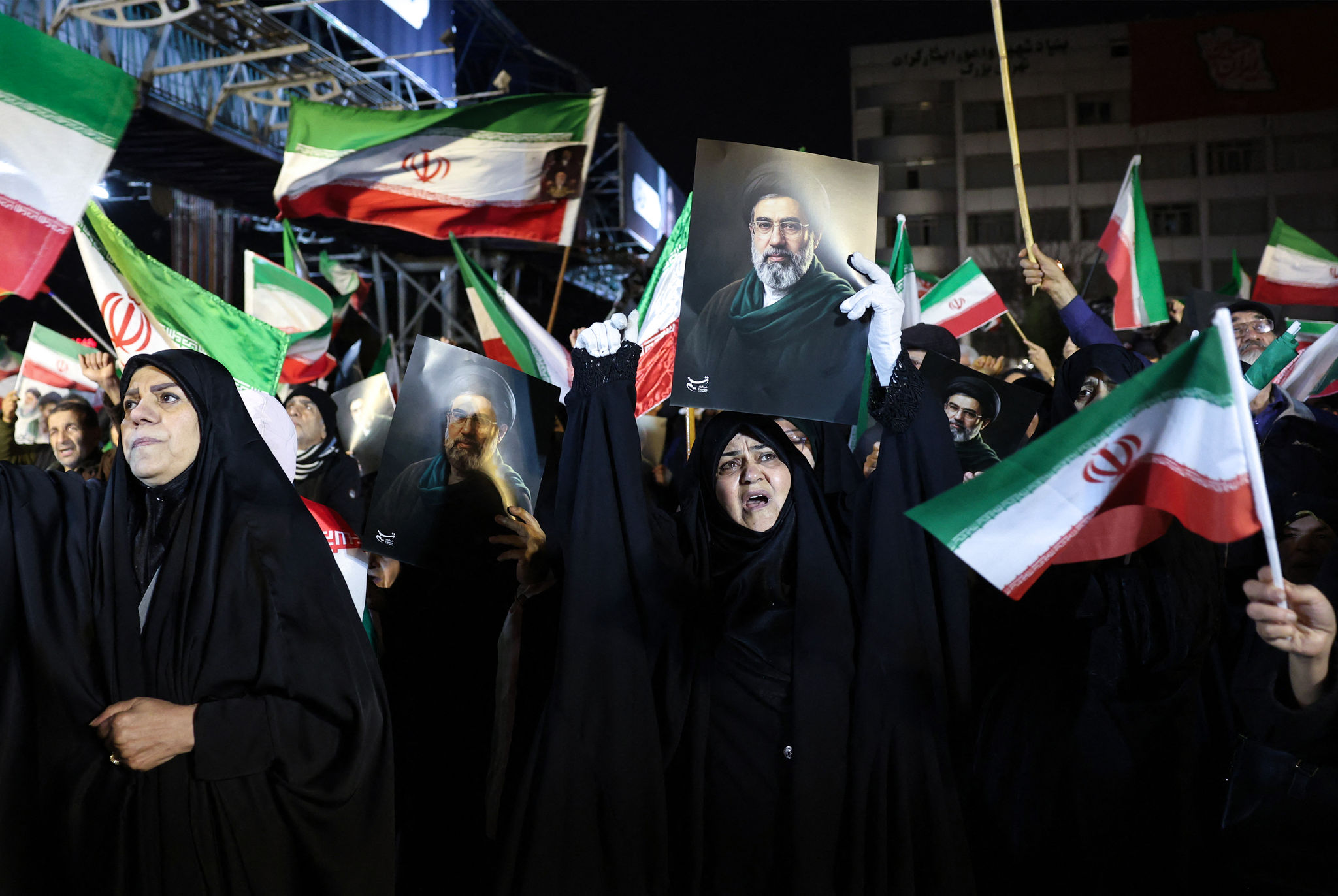
The diplomatic landscape is witnessing intense conflict. On the evening of March 25th (local time), US President Donald Trump still insisted that Iran was participating in peace talks, but he did not dare to publicly acknowledge it for fear of internal pressure.
White House Press Secretary Karoline Leavitt said the discussions had been "productive," but declined to reveal who the U.S. was working with in Tehran following the departure of Supreme Leader Ali Khamenei. Leavitt also issued a stern warning: "If Iran does not accept the current reality... President Trump will ensure they suffer the worst blow ever."
However, Tehran poured cold water on these claims. Responding to state media, Iranian Foreign Minister Abbas Araghchi firmly denied negotiations with the US, emphasizing that exchanging messages through "friendly countries" does not equate to formal talks.
"We have no intention of negotiating. We are seeking to end the conflict on our own terms," Araghchi asserted.
According to Pakistani officials, Islamabad has sent Tehran a 15-point plan from the United States, covering issues related to the nuclear program, missiles, and shipping lanes. In return, Iranian state media reported that Iran "rejected" the plan and presented five counter-conditions, including: a mechanism to guarantee that the US and Israel will not repeat attacks, war reparations, an end to military operations on all fronts, and international recognition of Iran's sovereignty over the Strait of Hormuz.
Military losses and the risk of expanding front lines.
On the ground, the U.S. military has released reports indicating a significant decline in Iran's military capabilities. Admiral Brad Cooper, Commander of the U.S. Central Command (CENTCOM), estimated that the U.S. had destroyed two-thirds of Iran's missile and unmanned aerial vehicle (UAV) production facilities, reducing launch rates by 90%. He also stated that 92% of Iran's large naval vessels had been damaged or destroyed, severely impairing the country's ability to project power at sea.
Despite the damage, Iran continued to issue stern threats. The Iranian military claimed its cruise missiles forced the USS Abraham Lincoln carrier strike group to "change course," and warned of powerful attacks if the fleet came within range. Notably, an anonymous Iranian military official revealed to local media that, in the event of a US land war, Tehran would blockade the Bab al-Mandeb Strait, which connects the Indian Ocean to the Red Sea.
Lebanon, a hotspot, and the oil market.
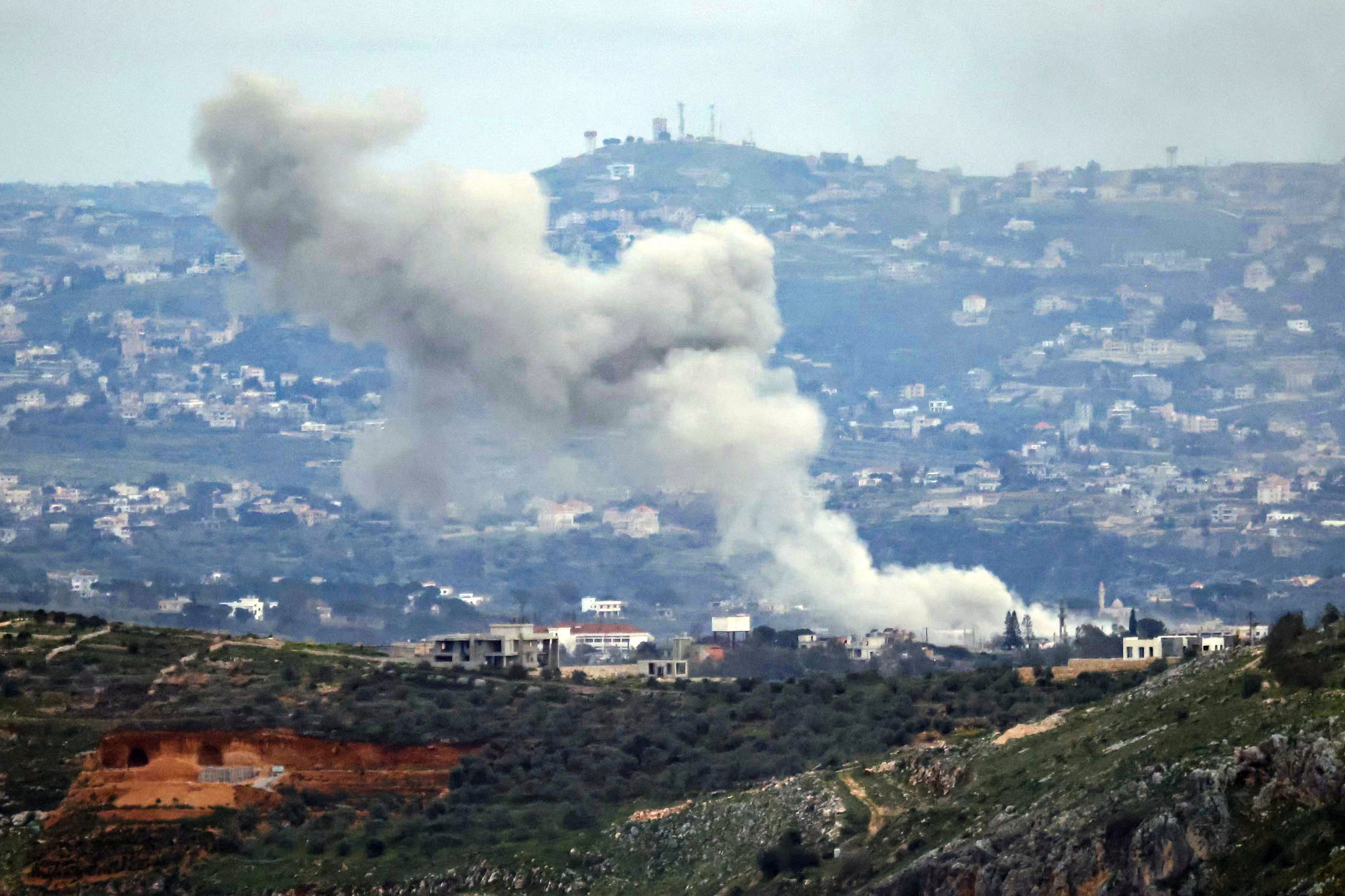
While US-Iran tensions escalate, Israel continues its airstrike campaign targeting the southern suburbs of Beirut, Lebanon. Israeli Prime Minister Benjamin Netanyahu declared that his forces are "expanding the buffer zone" in Lebanon. In response, Hezbollah's deputy leader Naim Qassem asserted that negotiating under fire would mean surrender. According to Lebanese authorities, more than 1,000 people have been killed and over 1 million displaced after three weeks of Israeli airstrikes.
The deadlock in negotiations immediately extinguished any optimistic signals in the energy market. Instead of continuing its downward trend, the global benchmark Brent crude oil price edged above $100 per barrel on March 25th. Speaking about the vital shipping lane that carries one-fifth of the world's oil, Iranian Foreign Minister Araghchi declared that the Strait of Hormuz "is only closed to enemies," emphasizing that there is no reason to allow ships from rival and allied nations to pass through.
With the conflict spreading from Iran, Israel, and Lebanon to the Gulf states, United Nations Secretary-General Antonio Guterres has warned that the conflict has now "out of control" and "gone too far".


